During the winter dormant season, monitoring soil temperature and pest activity still matters because it helps you plan effective treatments and prepare for the upcoming season. Keeping track of soil heat levels guides your decisions on soil amendments and pest management strategies, such as detecting overwintering pests like borers or scale insects. Staying vigilant now allows you to act early and prevent bigger issues later. To learn more about optimizing your winter orchard care, continue exploring key practices.
Key Takeaways
- Regularly measure soil temperature at multiple depths to inform treatment timing and soil management decisions.
- Monitor overwintering pests through inspections and traps to enable early targeted control measures.
- Use soil temperature data to plan soil fumigation, amendments, and other soil-related interventions effectively.
- Recognize pest activity signs during dormancy to prevent spring outbreaks and adjust control strategies accordingly.
- Incorporate temperature trends into overall orchard health assessments to optimize winter management practices.
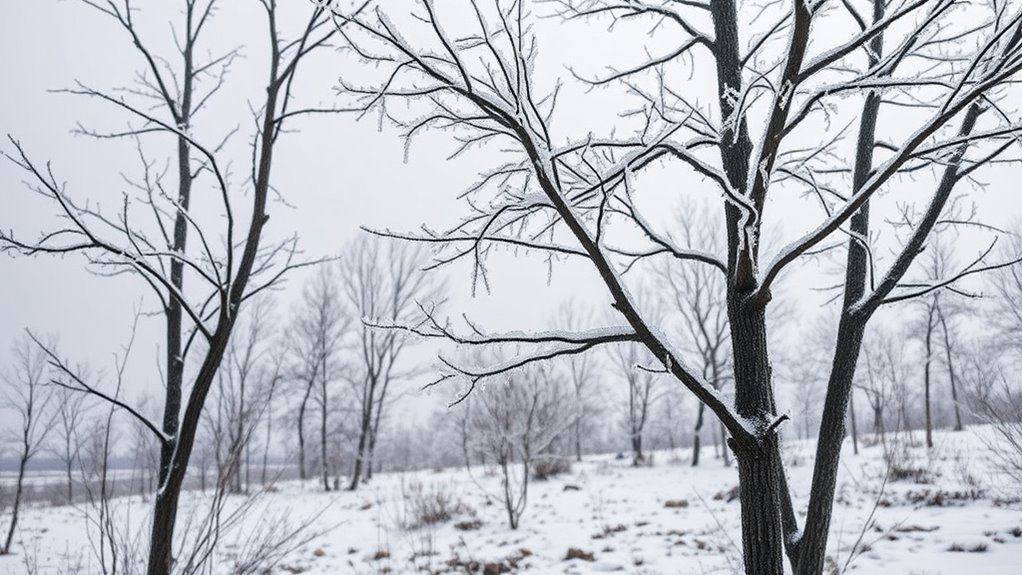
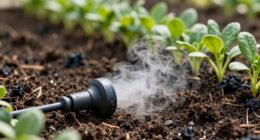
As winter settles in and plant growth slows, monitoring during the dormant season becomes essential for evaluating orchard health and preparing for the upcoming growing cycle. During this time, paying close attention to soil temperature is critical. Soil temperature influences many key processes, such as root activity, nutrient uptake, and the effectiveness of certain treatments like soil fumigation or organic amendments. You should regularly measure soil temperature at various depths using a reliable soil thermometer. This data helps you determine when to apply specific interventions, such as pruning or applying dormant sprays, which often depend on temperature thresholds. For example, many pest management strategies are most effective when soil temperatures are low enough to suppress pest activity or when they reach levels that favor beneficial microbial activity. Monitoring soil temperature also guides you in scheduling irrigation or soil amendments, ensuring they’re applied at suitable times for soil and root health. Additionally, maintaining awareness of soil temperature trends can help you implement vertical storage solutions to better manage soil and crop health during the winter months.
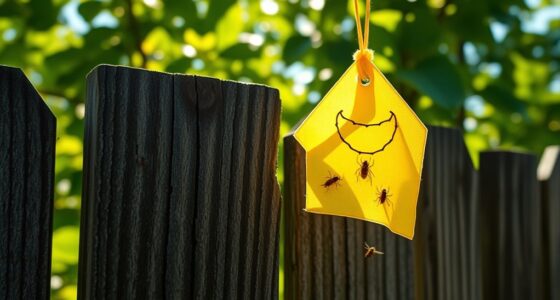
Alongside soil temperature, keeping an eye on pest activity during winter is equally important. While many pests go dormant or become less active in cold weather, some remain active or can survive in protected areas, such as under bark, leaf litter, or soil cracks. You want to inspect your trees and orchard floor regularly for signs of pest presence—like eggs, larvae, or damage. Early detection of overwintering pests allows you to implement targeted control measures before populations explode in the spring. For instance, certain borers or scale insects can persist through winter, and their presence indicates the need for preventative treatments or physical removal. Additionally, some pests, like codling moths, have specific overwintering stages that you can monitor by using pheromone traps or visual inspections. Recognizing pest activity during dormancy helps you plan effective strategies, whether through dormant oils, biological controls, or cultural practices.
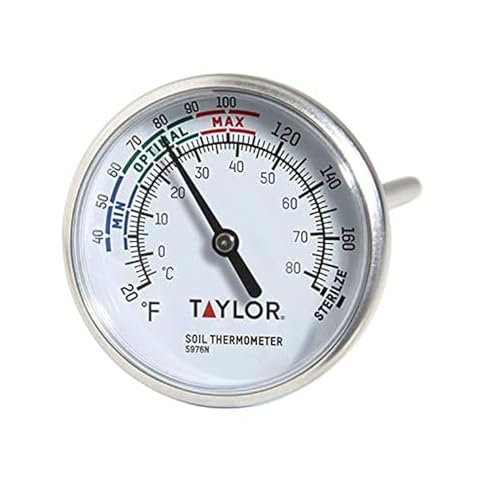
Taylor Soil Testing Thermometer, Gardening Tool for Plant Care, Gardening, Lawn, Farm, Outdoor Use, 4" Inch Stem
- Soil Temperature Measurement: Measures 2 inches below surface
- Planting Planning Tool: Helps determine optimal planting times
- Wide Temperature Range: 20°F to 180°F / 0°C to 80°C
As an affiliate, we earn on qualifying purchases.
As an affiliate, we earn on qualifying purchases.
Frequently Asked Questions
How Does Winter Dormancy Vary Among Different Plant Species?
You’ll notice that winter dormancy varies among plant species because of species variation and different dormancy triggers. Some plants enter dormancy early in response to temperature drops, while others depend on day length cues. You should pay attention to how each species reacts to environmental signals, as these triggers influence their dormancy timing and duration, ensuring they survive harsh winter conditions and resume growth when conditions improve.
Can Winter Dormant Season Monitoring Prevent Pest Infestations?
Like a watchful sentinel, winter dormant season monitoring can indeed prevent pest infestations. By understanding the pest lifecycle and focusing on dormant pest detection, you catch problems early before they emerge in spring. This proactive approach helps you target pests during their inactive phase, reducing their numbers and preventing outbreaks. Staying vigilant during dormancy allows you to maintain healthier plants and minimize the need for chemical interventions later.
What Tools Are Most Effective for Winter Dormant Surveillance?
You should prioritize using remote sensing and drone technology for effective winter dormant surveillance. Remote sensing allows you to monitor large areas from afar, detecting changes in plant health or signs of pests early. Drones offer high-resolution imagery and access to hard-to-reach spots, giving you detailed insights. Combining these tools helps you identify issues before they escalate, making your pest management more proactive and efficient during the dormant season.
How Does Climate Change Impact Winter Dormancy Patterns?
Climate change alters winter dormancy patterns by increasing climate variability, which can cause unpredictable shifts in winter phenology. You might notice plants breaking dormancy earlier or delaying bud burst, disrupting traditional seasonal cues. These changes impact ecosystems and agricultural practices, making it essential for you to observe these trends closely. Adapting your management strategies ensures resilience against the unpredictable effects of shifting winter dormancy caused by climate change.
When Is the Optimal Time to Start Monitoring During Dormancy?
You should start monitoring during the early dormancy period, when trees enter winter rest, typically in late fall. Timing considerations include tracking temperature drops and leaf senescence. Use monitoring techniques like visual inspections for bud swelling or color changes, and temperature sensors to detect environmental cues. Initiating early guarantees you capture critical physiological changes, helping you better understand dormancy patterns and adapt management practices effectively.
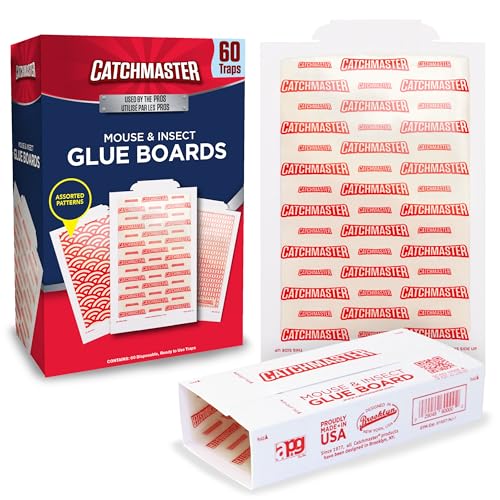
Catchmaster Extra Sticky Insect & Mouse Traps 60-Count, 5.3"x8" Glue Boards for Mice & Insects, Ultra Sticky Rat & MouseTraps Indoor for Home Use in Garages, Basements & Attics, Pest Control for Home
- Ready to Use: No bait needed, pre-applied adhesive
- Year-Round Control: Pesticide-free, long-lasting up to a year
- No Mess Convenience: Heavy-duty adhesive, foldable for tight spaces
As an affiliate, we earn on qualifying purchases.
As an affiliate, we earn on qualifying purchases.
Conclusion
Even in winter’s hush, your monitoring efforts plant the seeds for spring’s vibrant bloom. By paying attention now, you’re nurturing a silent symphony beneath the icy surface, waiting to burst forth with life. Don’t let the cold fool you—your vigilance keeps the garden alive, whispering promises of growth and renewal. Keep watching, keep caring, because in this quiet season, your care sparks the future’s colorful tapestry.
As an affiliate, we earn on qualifying purchases.

Bonide All Seasons Horticultural & Dormant Spray Oil, 32 oz Ready-to-Spray, Disease Prevention and Insect Killer for Organic Gardening
- Year-Round Protection: Protects against pests and diseases year-round
- Insect Killer: Smothers aphids, mites, scale, and more
- Disease Prevention: Controls powdery mildew, rust, and botrytis
As an affiliate, we earn on qualifying purchases.
As an affiliate, we earn on qualifying purchases.