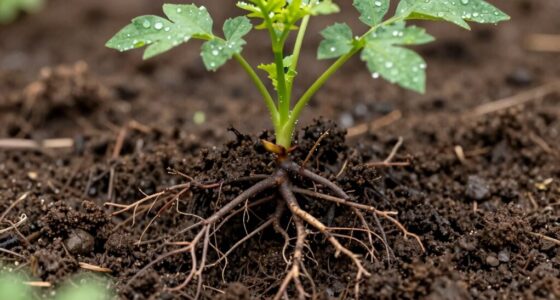
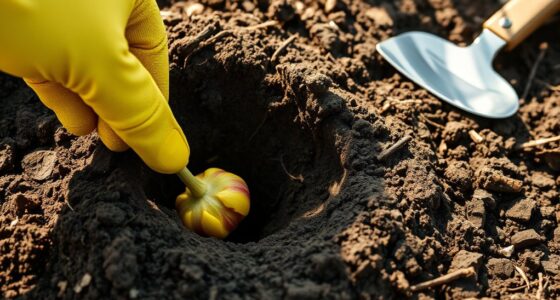
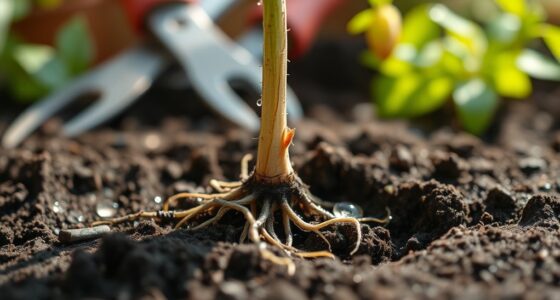
When planting, applying mycorrhizae helps your plants develop stronger roots and improves nutrient and water uptake, leading to healthier growth. To get the most benefit, prepare your soil by clearing weeds, loosening it, and mixing in compost or organic matter. Apply mycorrhizae directly to the roots or in the planting hole, ensuring good soil contact. Proper techniques create a thriving environment for both your plant and the fungi—keep going to learn more tips for success.
Key Takeaways
- Applying mycorrhizae during planting promotes healthy root development and enhances nutrient and water uptake.
- Mix mycorrhizae into planting holes or apply directly to roots for optimal colonization.
- Prepare soil by clearing weeds, loosening, and adding organic matter to support fungi growth.
- Proper planting techniques, including firming soil and watering, improve mycorrhizae establishment.
- Ensuring good soil contact and minimal root disturbance helps mycorrhizae thrive and benefits plant vitality.
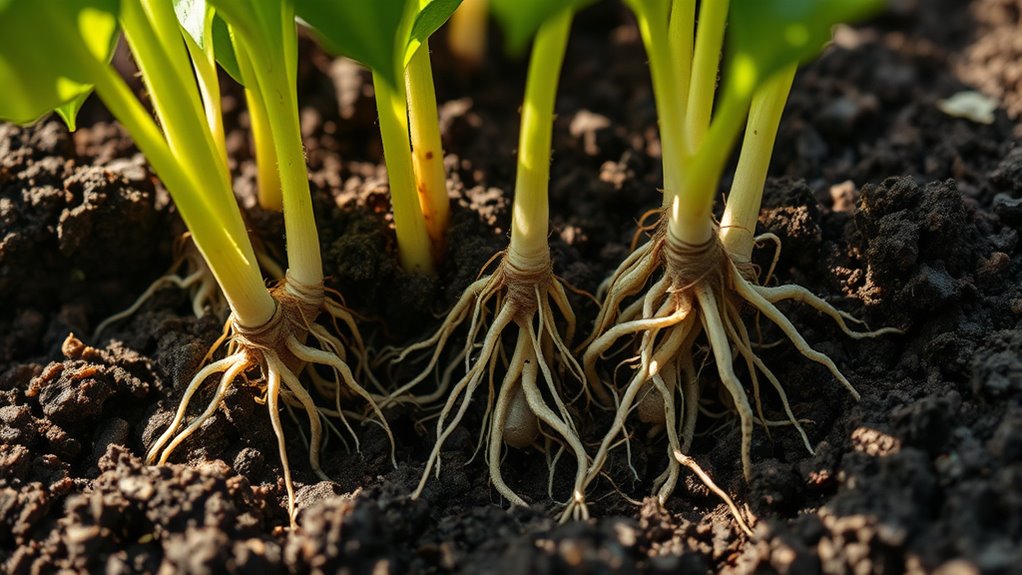
When planting new trees or shrubs, adding mycorrhizae to the soil can give your plants an essential boost. It’s a simple step that can considerably improve their chances of establishing strong, healthy roots. Before you plant, focus on proper soil preparation. Clear away weeds and debris, then loosen the soil to improve aeration and drainage. Mix in organic matter like compost or aged manure to enhance nutrient content. This creates an ideal environment for roots to grow and for mycorrhizae to thrive. Proper soil preparation is vital because it sets the foundation for effective planting techniques and promotes ideal root development. Using well‑sourced names ensures that your gardening practices are based on reliable information, ultimately benefiting your plants’ health.
When it comes to planting techniques, the goal is to minimize root disturbance and encourage good soil contact. Dig a hole that’s wide and deep enough to accommodate the root ball comfortably. Gently loosen the roots if they’re tightly packed or circling the root ball, but avoid damaging them. Place the plant in the hole so that the top of the root ball is level with the surrounding soil. Fill the hole gradually, firming the soil around the roots to eliminate air pockets. Water thoroughly after planting to settle the soil and provide immediate hydration. Applying mycorrhizae directly to the roots or mixing it into the planting hole can give your plants a head start. The fungi form symbiotic relationships with plant roots, extending their reach and improving nutrient and water absorption.

Myco Bliss Powder (1lb) – Mycorrhizal Fungi for Soil – 5 Strain Mycorrhizal Inoculant with 1000 Propagules Per Gram – Highly Concentrated Mycorrhizae for Plants, Potting Soil, & Garden Soil
Mycorrhizal Fungi Inoculant for Plants – Myco Bliss contains 5 high performing strains of mycorrhizal fungi that form…
As an affiliate, we earn on qualifying purchases.
As an affiliate, we earn on qualifying purchases.
Frequently Asked Questions
Can Mycorrhizae Be Used With All Plant Types?
Yes, mycorrhizae can be used with most plant types, but you should consider plant compatibility before application. Some plants, like certain vegetables and ornamentals, respond well, while others might not benefit as much. Use proper application methods, such as mixing the inoculant with soil or roots during planting, to maximize effectiveness. Always check specific plant recommendations to guarantee compatibility and ideal growth.
How Long Does It Take to See Benefits From Mycorrhizae?
You’ll typically see benefits from mycorrhizae within a few weeks to a couple of months, like watching a seedling suddenly sprout strong new leaves. The benefit timeline varies based on plant type and soil conditions, but you can expect growth enhancement early on. Think of it as planting a friendship—initial connections form quickly, but deep roots develop over time, leading to healthier, more resilient plants.
Are There Any Risks of Over-Inoculating With Mycorrhizae?
Over-inoculating with mycorrhizae can risk creating a mycorrhizae imbalance, which may hinder plant growth instead of helping. While rare, over inoculation risks include nutrient imbalance and fungal competition, potentially stressing your plants. To avoid this, follow recommended application rates carefully. Using too much doesn’t necessarily boost benefits and might disrupt natural soil microbiota, so stick to guidelines to guarantee healthy, balanced root relationships.
Do Mycorrhizae Need to Be Reapplied Annually?
Think of mycorrhizae as loyal allies; they don’t need reapplication every year. Generally, once established, they continue benefiting your plants, provided soil compatibility remains. Application frequency depends on soil health and plant needs, but over-inoculating can upset balance. Keep an eye on soil conditions, and if new plants are introduced or soil is disturbed, reapply mycorrhizae to keep that essential partnership thriving.
Can Mycorrhizae Help With Soil Remediation?
Yes, mycorrhizae can help with soil remediation by aiding in soil detoxification and contaminant breakdown. When you introduce mycorrhizal fungi, they form symbiotic relationships with plant roots, enhancing nutrient uptake and stabilizing the soil. These fungi help break down pollutants and improve soil health, making your environment more sustainable. Incorporate mycorrhizae into your planting routine to support natural remediation processes effectively.

Brut Cow Compost – Nutrient-Rich Composted Cow Manure Organic Soil Amendment – 100% Pure Compost, Additive-Free Fertilizer for Vegetable Gardens, Flowers, Lawns & Indoor Plants – 10 Quart
NUTRIENT-RICH GROWTH: Premium cow manure compost packed with nitrogen, calcium, and iron. This organic compost fertilizer enriches soil,…
As an affiliate, we earn on qualifying purchases.
As an affiliate, we earn on qualifying purchases.
Conclusion
By adding mycorrhizae at planting, you boost your plants’ health and growth potential. Research shows that plants with mycorrhizal associations can grow up to 30% faster and have better nutrient uptake. So, don’t overlook this natural boost—it’s a simple step that makes a big difference. Incorporate mycorrhizae into your planting routine, and watch your garden thrive with stronger, healthier plants from the very start.

Miracle-Gro Quick Start Planting and Transplant Starting Solution – Liquid Fertilizer for Seedlings and Transplants, 48 fl. oz.
Supports Root Development: Miracle-Gro Quick Start Planting & Transplant Starting Solution improves root growth for faster blooms (vs….
As an affiliate, we earn on qualifying purchases.
As an affiliate, we earn on qualifying purchases.
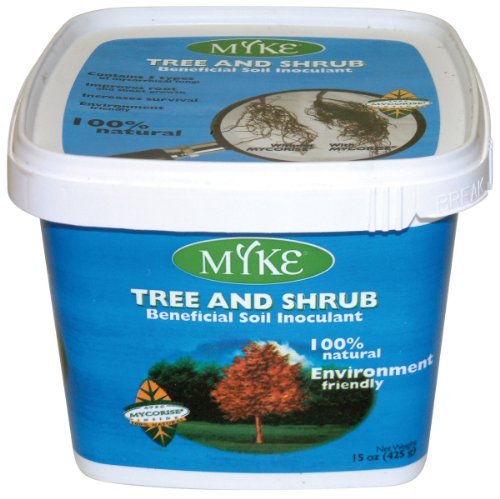
Myke TRE18 Tree and Shrub Growth Supplement Mycorrhiza, 1.4 Quarts
Tree and shrub growth supplement mycorrhiza
As an affiliate, we earn on qualifying purchases.
As an affiliate, we earn on qualifying purchases.