To prevent blossom end rot, you should manage your irrigation carefully to keep soil moisture consistent. Use drip irrigation to deliver water slowly and directly to the roots, avoiding uneven wet/dry cycles. Regularly check soil moisture with a meter or by feel, and adjust watering based on weather conditions. Proper irrigation helps plants transport calcium effectively, reducing rot. Maintaining steady moisture levels is key, and there’s more to explore that can help you fine-tune your watering strategy.
Key Takeaways
- Use drip irrigation to deliver consistent, deep watering directly to plant roots, preventing fluctuations in soil moisture.
- Regularly monitor soil moisture levels with sensors or manual checks to maintain optimal soil conditions.
- Adjust watering frequency and duration based on weather, avoiding both drought stress and waterlogging.
- Ensure uniform soil moistness to facilitate calcium transport, reducing the risk of blossom end rot.
- Implement flexible irrigation schedules that respond to plant needs, promoting healthy growth and fruit development.
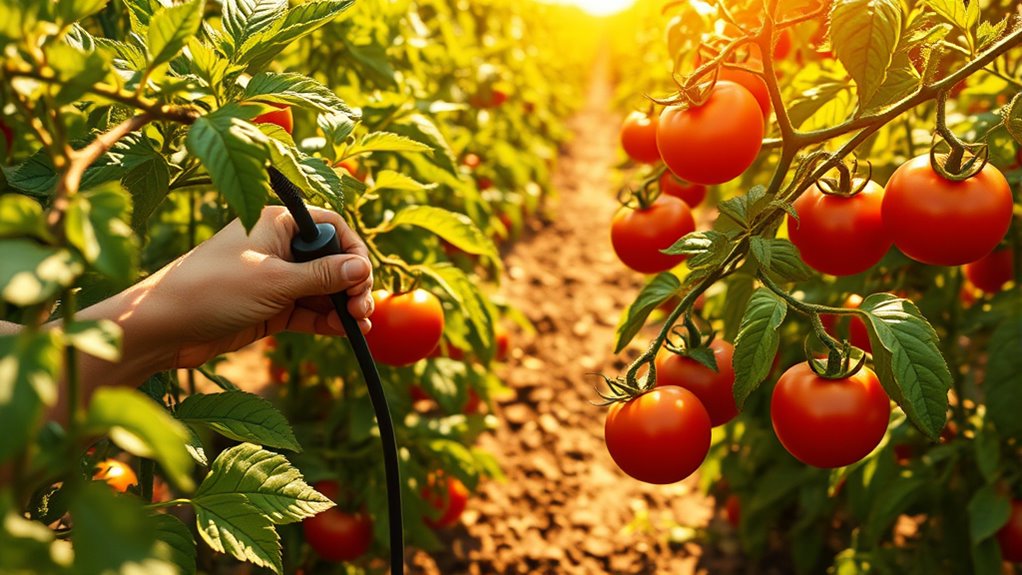
Have you ever wondered how effective irrigation management can boost crop yields and conserve water? One key aspect of this is maintaining proper soil moisture levels, which directly influence plant health and fruit development. When soil moisture fluctuates too much—either drying out completely or becoming overly saturated—your plants become more vulnerable to problems like blossom end rot. This condition, characterized by dark, sunken spots on the bottom of fruits like tomatoes and peppers, often results from calcium deficiencies caused by inconsistent watering. To prevent this, you need to establish a reliable irrigation strategy that keeps soil moisture consistently within suitable ranges. Using drip irrigation systems is one of the most effective ways to achieve this. Drip irrigation delivers water slowly and directly to the root zone, ensuring the soil stays evenly moist without excess runoff or evaporation. This method not only conserves water but also prevents the sudden wet-dry cycles that contribute to calcium transport issues within the plant.
Monitoring soil moisture is vital when managing irrigation for preventing blossom end rot. You should regularly check the soil’s moisture content using simple tools like a moisture meter or by feeling the soil’s texture. If the soil feels dry a few inches below the surface, it’s time to water. Conversely, if it’s overly wet and soggy, you risk root rot and other problems. Consistent soil moisture levels help plants absorb calcium effectively, reducing the risk of blossom end rot developing. Drip irrigation, combined with soil moisture monitoring, creates a tailored watering schedule that responds to crop needs rather than arbitrary timings. This targeted approach ensures your plants aren’t stressed by drought or overwatering, both of which impair calcium uptake.
Additionally, setting up a drip irrigation system allows you to control watering duration and frequency precisely. During hot or windy days, plants tend to lose moisture quickly, so increasing watering frequency is essential. On cooler or rainy days, you can reduce watering to prevent waterlogging. This flexibility helps maintain stable soil moisture, which is vital for calcium transport within the plant. Proper irrigation management using drip systems also minimizes water wastage, making your farming more sustainable and cost-effective. By ensuring consistent soil moisture, you promote healthy fruit development, reduce blossom end rot, and improve overall crop quality.

MIXC 230FT Quick-Connect Drip Irrigation System Kit, Automatic Garden Watering System with 1/4" & 1/2" Fast-Lock Tubing – Adjustable Nozzles & Sprinklers for Garden, Greenhouse, Lawn, Potted Plants
✔Comprehensive Drip Irrigation Kit:MIXC drip irrigation system, equipped with a versatile range of components, caters to all your…
As an affiliate, we earn on qualifying purchases.
As an affiliate, we earn on qualifying purchases.
Frequently Asked Questions
How Does Soil Ph Affect Blossom End Rot Prevention?
Soil pH balance directly affects blossom end rot prevention because it influences calcium availability in your soil. If the soil is too acidic or too alkaline, calcium absorption decreases, risking blossom end rot. Keep your soil’s pH level close to neutral (around 6.5) to guarantee proper calcium uptake. Regularly test your soil’s acidity and modify it as needed, so plants can absorb calcium efficiently and stay healthy.
Can Organic Mulches Improve Irrigation Efficiency?
You can definitely boost your irrigation efficiency with organic mulches. They act like a shield, reducing water evaporation and keeping soil moisture steady, so you don’t have to water as often. Organic mulches also improve soil health over time, helping plants take up nutrients better. By using them, you make every drop count, ensuring your plants stay healthy and reducing the risk of blossom end rot caused by inconsistent watering.
What Are Signs of Overwatering in Vegetable Crops?
You can tell you’re overwatering your vegetable crops when you notice root stress, such as yellowing leaves or wilting despite moist soil. Overwatering also causes nutrient imbalance, leading to poor growth and increased susceptibility to diseases. Soil may feel constantly soggy, and roots might start to rot. If you see these signs, cut back on watering, improve drainage, and let the soil dry out slightly to restore healthy root and nutrient balance.
How Often Should I Adjust Irrigation During Rainy Seasons?
Oh, don’t bother adjusting your irrigation during rainy seasons—just rely on rainwater harvesting and hope for the best! But if you’re serious about protecting your crops, check the forecast daily, and switch to drip irrigation to avoid overwatering. Adjust your watering schedule based on rainfall, ensuring the soil stays moist but not soaked. Smart watering keeps blossom end rot at bay, rain or shine.
Are There Specific Irrigation Methods Better for Preventing Blossom End Rot?
Using drip irrigation is your best bet for preventing blossom end rot because it helps maintain consistent soil moisture, which is vital for healthy tomatoes. Avoid overwatering or letting the soil dry out, as fluctuations can cause calcium uptake issues. With drip systems, you can precisely control moisture levels, ensuring the roots receive steady hydration. This method minimizes stress on plants and reduces the risk of blossom end rot development.

XLUX Long Probe Deep Use Soil Moisture Meter, Water Monitor Indicator Sensor, Hygrometer for Outdoor Indoor Large Pot Plants, Flower, Gardening, Farming
Accurate Soil Moisture Detection: The XLUX Soil Moisture Meter can tell you if the soil deep inside your…
As an affiliate, we earn on qualifying purchases.
As an affiliate, we earn on qualifying purchases.
Conclusion
Think of your irrigation as the heartbeat of your garden, keeping every fruit and vegetable alive and thriving. When you water consistently and wisely, you’re nurturing a steady rhythm that prevents blossom end rot from taking hold. Your careful attention becomes the gentle sun guiding a blooming flower — a symbol of growth, hope, and abundance. Trust your instincts, stay attentive, and watch your garden flourish like a well-tuned symphony.

HEKIWAY 60Ft Drip Irrigation System with Smart Water Timer – Automatic Garden Watering Kit with Solid Brass Metal Connectors, 360° Adjustable Nozzles & Bendable Tubing for Garden, Greenhouse & Lawn
🔹 [Smart Timer Included – Hands-Free Watering, Fully Programmable | 2026 Upgraded]No more daily hose duty. The built-in…
As an affiliate, we earn on qualifying purchases.
As an affiliate, we earn on qualifying purchases.
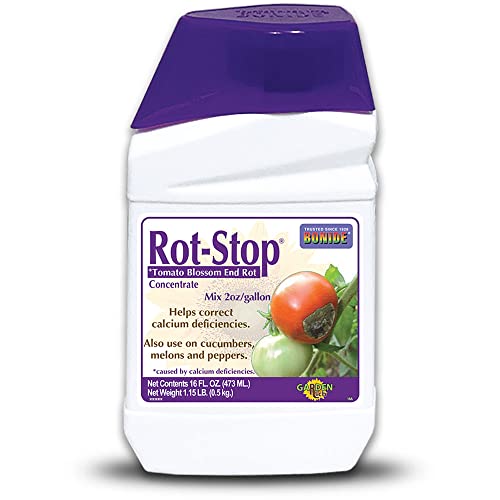
Bonide Rot-Stop Tomato Blossom End Rot, 16 oz Concentrated Liquid Garden Fertilizer for Calcium Deficiency Indoors & Outdoors
CORRECTS CALCIUM DEFICIENCY – Our garden fertilizer is used to control blossom end rot on tomatoes by adding…
As an affiliate, we earn on qualifying purchases.
As an affiliate, we earn on qualifying purchases.