To amend clay soils, focus on improving drainage and reducing compaction by aerating with tools like garden forks or mechanical aerators. Incorporate organic matter such as compost, manure, or leaf mold to loosen the soil and boost fertility. Plant cover crops like clover or vetch to develop deep root systems that break up clay. Mulching helps retain moisture and temperature. Consistently applying these strategies will gradually transform your soil, revealing more effective solutions.
Key Takeaways
- Incorporate organic matter like compost, manure, or leaf mold to improve soil structure and drainage.
- Aerate the soil regularly using tools or mechanical equipment to reduce compaction and enhance aeration.
- Plant cover crops such as clover or vetch to add organic material and improve root systems.
- Mulch with straw or wood chips to retain moisture, regulate temperature, and prevent surface compaction.
- Practice patience and consistent soil amendments over time to transform clay into a well-draining, fertile medium.

Clay soils can be challenging for gardening because they tend to retain water and drain poorly, leading to root problems. To improve such soils, you need to focus on enhancing soil aeration and increasing organic matter. Proper soil aeration ensures that roots get enough oxygen to thrive, while organic matter helps break up dense clay, improving drainage and structure. When you work on these aspects, your plants will establish better roots, absorb nutrients more efficiently, and resist diseases.
Start by regularly aerating your clay soil. You can do this using a garden fork, a broad-tined rake, or a mechanical aerator. Poke holes into the soil to create pathways for air, water, and nutrients to reach roots. This process reduces compaction and prevents water from pooling on the surface. Aeration also encourages the activity of beneficial soil microbes, which play a vital role in breaking down organic matter and releasing nutrients. When you aerate, you’re essentially giving your soil a breath of fresh air, making it more hospitable for plant roots. Regular aeration is particularly effective when combined with other organic amendments.
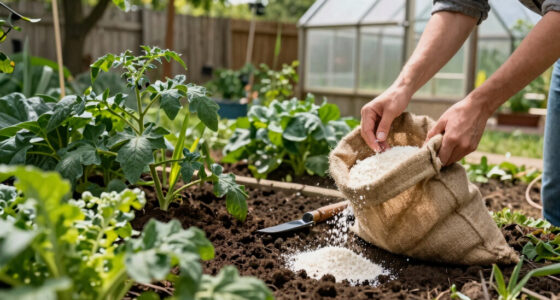
Adding organic matter is another key step. Organic materials like compost, well-rotted manure, leaf mold, or peat moss can significantly improve soil texture. When you incorporate these into your clay soil, you’re helping to loosen it up and promote better soil aeration naturally. Spread a thick layer of compost over the surface and work it into the top few inches of soil. Over time, this organic matter decomposes, creating humus that enhances soil fertility and structure. This process not only improves drainage but also boosts the soil’s ability to retain nutrients, which are essential for healthy plant growth.
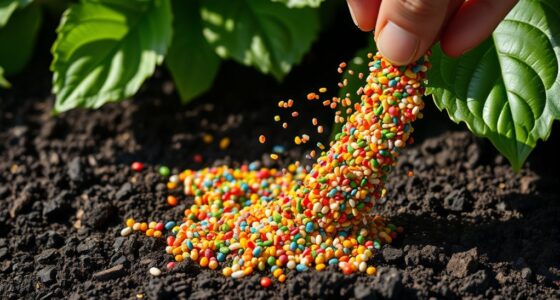
In addition to adding organic matter, consider planting cover crops such as clover or vetch. These plants help improve soil structure through their root systems and add organic material when you till them under. Mulching around your plants with organic materials like straw or wood chips also helps retain moisture, regulate soil temperature, and gradually contribute organic matter as it decomposes.
Consistency is essential when amending clay soils. Regularly aerate, topdress with compost, and incorporate organic matter into your garden beds. Over time, these practices will transform your dense, water-retentive soil into a more friable, well-draining medium. With improved soil aeration and increased organic matter, you’ll notice healthier roots, more vigorous plants, and a more productive garden overall. Patience and persistence in these efforts will pay off, giving you a thriving garden even in challenging clay soils.
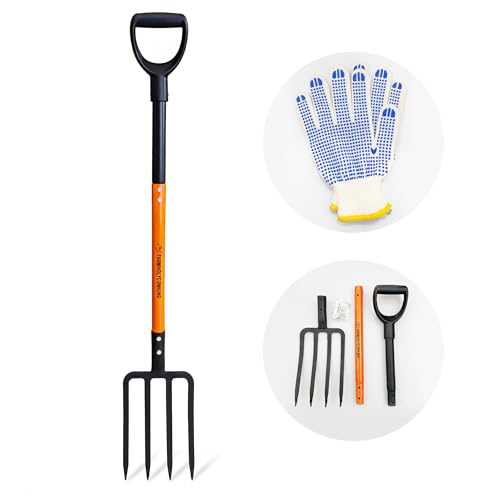
Pitch Fork for Garden, 4-Tines Garden Fork, 45-Inch Spading Fork, Heavy Duty Compost Digging Fork with Steel Handle and Enhanced D-handle, Orange
- Intended Use: Garden and compost work
- Tine Configuration: 4-tines for control and efficiency
- Construction Material: Heavy-duty steel for durability
As an affiliate, we earn on qualifying purchases.
As an affiliate, we earn on qualifying purchases.
Frequently Asked Questions
How Often Should I Amend My Clay Soil Annually?
You should amend your clay soil about once or twice a year, depending on its needs. Start with soil testing to determine nutrient levels and clay content. Based on the results, plan your amendment timing—spring and fall are ideal for improving drainage and fertility. Regularly testing and adjusting your amendments ensures your soil remains healthy, fostering better plant growth and minimizing compaction issues throughout the year.
Can Organic Matter Alone Improve Drainage in Clay Soils?
Yes, adding organic matter alone can markedly improve drainage in your clay soil. It works by breaking up compacted particles, increasing pore spaces, and enhancing aeration. As you incorporate compost, peat moss, or other organic materials, you’ll notice water moves more freely through your soil. Keep adding organic matter regularly, and you’ll transform your clay into a healthier, better-draining environment for your plants.
Are There Specific Plants That Thrive in Amended Clay Soils?
You’ll find that native plants and drought-tolerant species thrive in amended clay soils because they adapt well to improved drainage and soil structure. These plants typically have deep roots and are resilient, making them perfect choices for your garden. By selecting native or drought-tolerant plants, you guarantee successful growth and reduce maintenance efforts, especially in areas with challenging clay soil. This approach creates a sustainable, healthy garden environment.
What Are the Signs That My Soil Needs Amending?
Your soil’s crying out for help when plants struggle to grow, show poor drainage, or develop stunted roots. If you notice yellowing leaves or uneven growth, it’s a sign of nutrient deficiencies. To confirm, do soil testing. These tests reveal if your soil needs amending to improve texture and nutrient levels, turning your garden from a barren wasteland into a thriving oasis. Don’t ignore these signals—act before your plants fade away.
How Long Does It Take to See Results After Amending Clay Soil?
You’ll usually see results within a few months after amending your clay soil. As you improve soil aeration and balance nutrients, you’ll notice better drainage and increased plant growth. Consistent additions of organic matter help break up the clay, making nutrients more accessible. Keep monitoring your soil’s condition, and with regular amendments, you’ll see steady improvements in soil structure and plant health over time.

Brut Cow Compost – Nutrient-Rich Composted Cow Manure Organic Soil Amendment – 100% Pure Compost, Additive-Free Fertilizer for Vegetable Gardens, Flowers, Lawns & Indoor Plants – 10 Quart
- Nutrient-Rich Composition: Contains nitrogen, calcium, and iron
- Pure Compost Material: Made from thoroughly composted cow manure
- Odor-Free and Safe: No odor, gentle on roots, prevents burns
As an affiliate, we earn on qualifying purchases.
As an affiliate, we earn on qualifying purchases.
Conclusion
By amending your clay soil, you’re planting seeds of change that will grow into a healthier, more resilient garden. Think of each improvement as watering a tree of opportunity—nurturing strength and vigor beneath the surface. With patience and effort, your efforts become the roots of future abundance. Remember, even the toughest clay can bloom with the right care—showing that transformation begins deep within, waiting to flourish into something truly beautiful.

TnT Seed Company Peas, Oats, Vetch Garden Cover Crop Mix Seeds for Planting – 5 lb Jug – Improves Soil Health, Weed Suppression, Nitrogen Fixation, Increases Biomass
- Jug Size: 5 lbs covers 3,000–3,750 sq ft
- Soil Health Improvement: Fixes nitrogen and enhances fertility
- Fast-Growing Cover Crop: Establishes quickly for spring and fall
As an affiliate, we earn on qualifying purchases.
As an affiliate, we earn on qualifying purchases.

Pine Needle Mulch 1lb Bag, Natural Straw and Ground Cover for Gardens, Planters, Flower Beds, Landscaping Garden Straw Mulch, Crafts and Decorative Outdoor Projects
- Ideal for Landscaping: Made from pure pine for aesthetic appeal
- Organic Garden Enrichment: Adds nutrients and organic matter to soil
- Weed Control Solution: Blocks sunlight to prevent weed growth
As an affiliate, we earn on qualifying purchases.
As an affiliate, we earn on qualifying purchases.