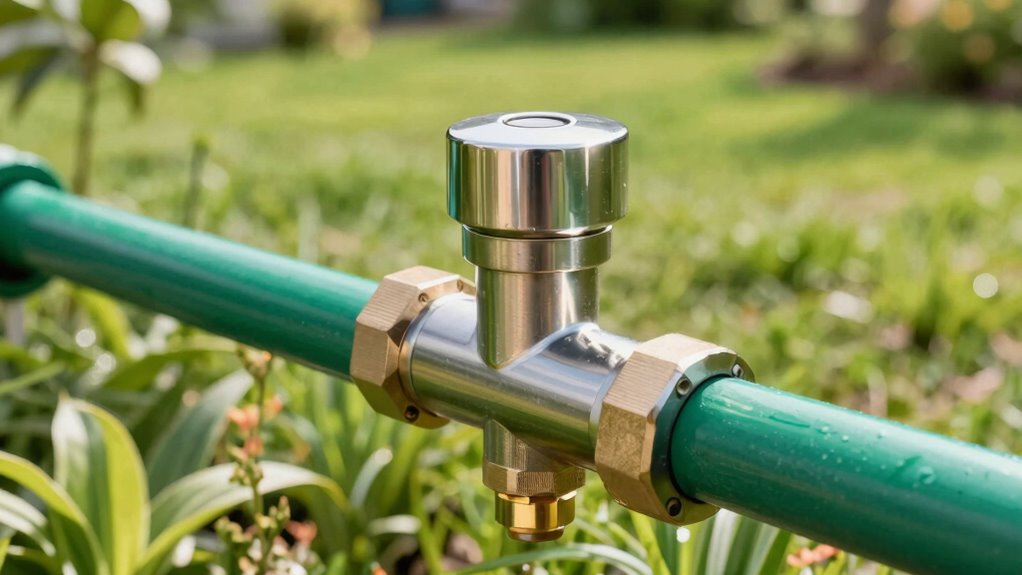
Backflow preventers are essential for protecting your irrigation system and water supply from contamination. They prevent pollutants, chemicals, and fertilizers from siphoning back into your drinking water through pressure fluctuations or system errors. Choosing the right type, installing it properly, and maintaining it regularly are key to ensuring safe water. Understanding regulations and inspection needs keeps your system compliant and safe—continue to explore for expert tips on keeping your irrigation system secure.
Key Takeaways
- Backflow preventers protect water supplies from contamination by stopping reverse flow of pollutants into drinking water systems.
- Proper installation and regular testing ensure backflow devices function effectively and comply with safety regulations.
- Types like RPZs, double check valves, and atmospheric vacuum breakers offer different levels of protection based on system needs.
- Routine maintenance, inspections, and prompt repairs prevent device failure and maintain water safety.
- Installing backflow preventers is essential for safeguarding public health and ensuring water quality in irrigation systems.
backflow preventer for irrigation system
As an affiliate, we earn on qualifying purchases.
As an affiliate, we earn on qualifying purchases.
Why Is Backflow Prevention Critical for Your Irrigation System?
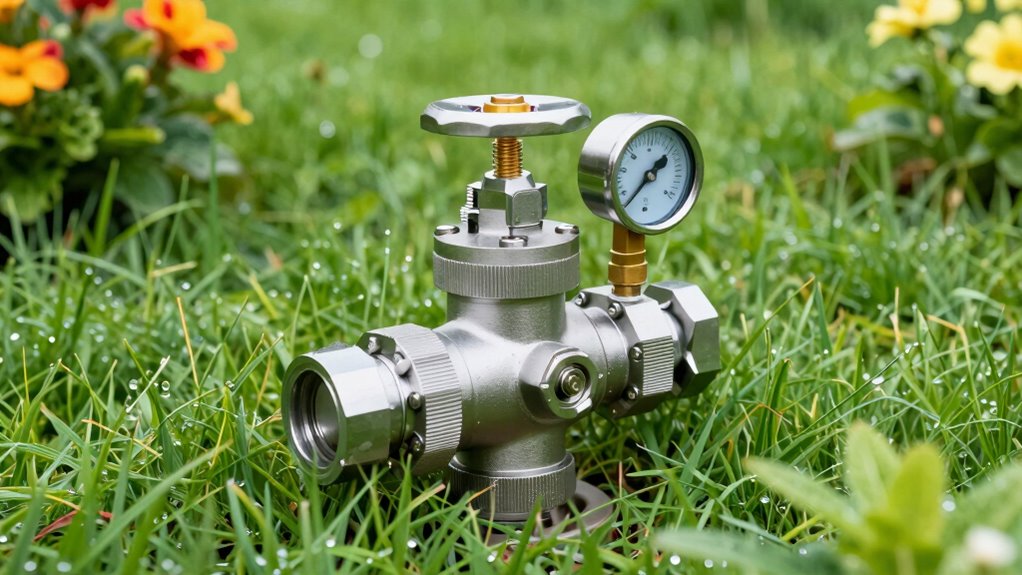
Backflow prevention is vital because it protects your water supply from contamination. Without it, your irrigation system could siphon pollutants, including fertilizers, pesticides, and chemicals, back into your home’s drinking water. Chemical contamination poses serious health risks and can compromise urban water safety, making it indispensable to prevent backflow. When irrigation systems are not equipped with proper backflow prevention devices, contaminated water can flow back into the main supply, exposing you and your community to harmful substances. Maintaining these devices ensures your water remains clean and safe for everyday use. Additionally, understanding the types of backflow preventers available can help you choose the right device for your specific irrigation setup. Proper installation and maintenance of backflow preventers further enhance their effectiveness and longevity. Recognizing the signs of failure in these devices is also crucial to ensure ongoing protection against backflow risks. Regular testing and inspections are essential to detect potential issues early and keep your system functioning properly.
As an affiliate, we earn on qualifying purchases.
How Do Backflow Prevention Devices Protect Your Water Supply?
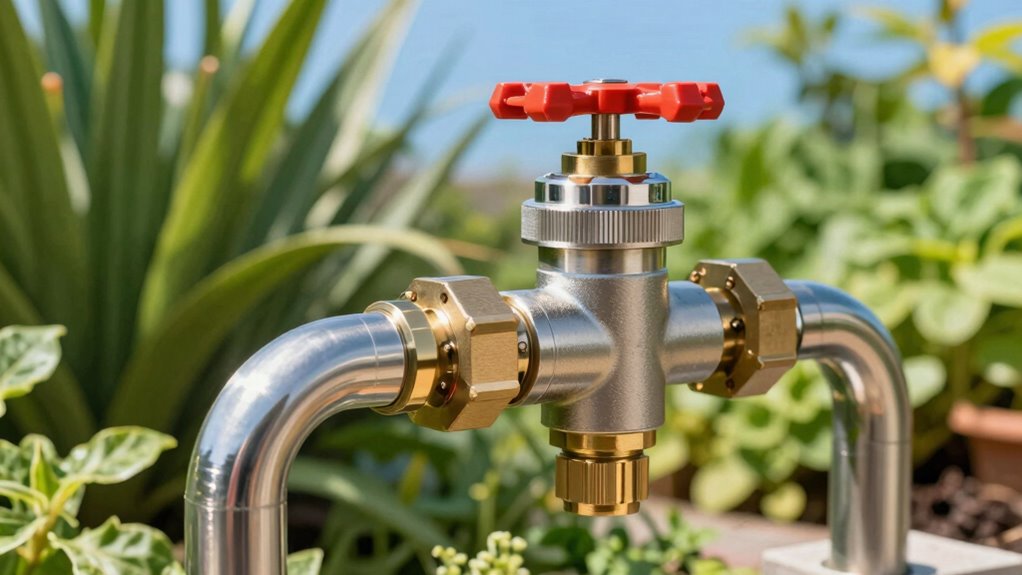
Ever wonder how backflow prevention devices keep your water safe? They stop contaminated water from reversing into your clean supply, protecting your health safety and water quality. When your irrigation system connects to other water sources, there’s a risk of water contamination if pressure drops or backs up occurs. Backflow preventers act as a barrier, preventing dirty water, pesticides, or fertilizers from flowing back into your drinking water. Imagine:
Backflow preventers protect your water supply from contamination and health risks.
- A valve sealing off contaminants during pressure fluctuations
- A check valve blocking reverse flow of polluted water
- An air gap creating a physical separation for safety
- An automatic device activating when backflow is detected
- A reliable system preventing health risks from water contamination
Understanding the importance of proper installation and maintenance ensures these devices function effectively and continue to protect your water supply. Proper preventive measures are essential for maintaining a safe, clean water supply in your home and garden. Additionally, incorporating regulatory standards ensures that backflow prevention devices meet safety and performance requirements, further safeguarding your water system. Regular testing and system inspection help identify potential issues before they compromise water quality, emphasizing the role of professional servicing in maintaining system integrity.
double check valve for irrigation
As an affiliate, we earn on qualifying purchases.
As an affiliate, we earn on qualifying purchases.
What Are the Types of Backflow Preventers?
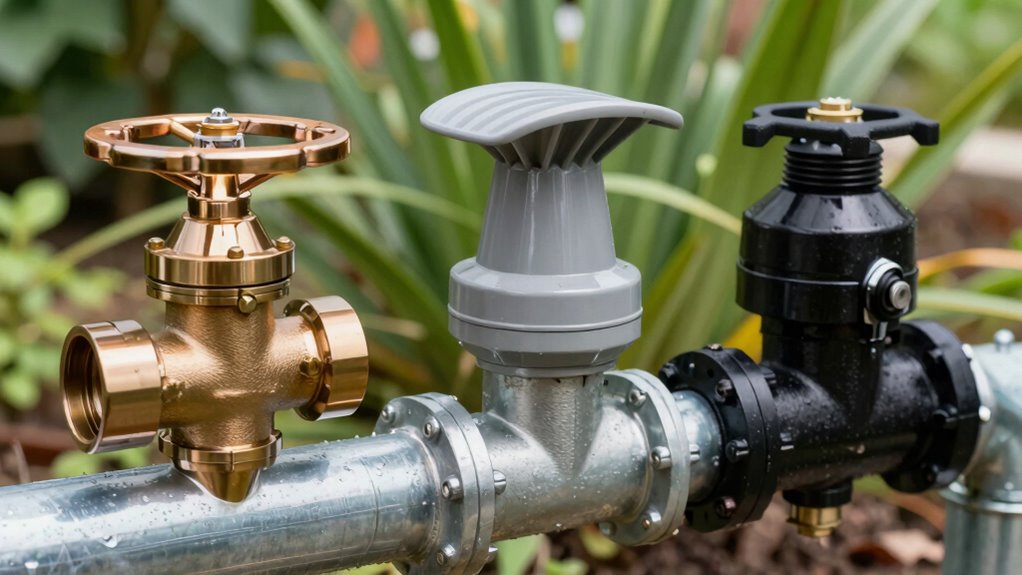
There are several types of backflow preventers, each designed for specific situations. When choosing one, you need to contemplate factors like water pressure, system size, and local codes. Understanding these options helps you select the right device for your needs. Additionally, considering system compatibility and maintenance requirements ensures long-term safety and performance. Proper installation and regulatory compliance are also crucial to ensure the device functions effectively and adheres to safety standards. Recognizing installation guidelines can further optimize device effectiveness and lifespan. Being aware of preventer testing procedures can help maintain compliance and ensure ongoing protection. Staying informed about vetted wave and wind considerations can also influence the durability and reliability of the backflow preventer in different environmental conditions.
Types of Devices
Have you ever wondered what types of devices are used to prevent backflow? There are several common options designed to handle varying water pressure and guarantee durability. Each type offers unique benefits for different irrigation setups.
- Atmospheric Vacuum Breaker: Simple, reliable, with a vent that releases pressure.
- Double Check Valve: Two independent check valves for added safety and durability.
- Reduced Pressure Zone (RPZ): Provides the highest level of protection, especially under high water pressure.
- Pressure Vacuum Breaker: Combines features of atmospheric devices, suitable for fluctuating pressure.
- Hose Bibb Vacuum Breaker: Compact, perfect for garden hoses and smaller systems.
Choosing the right device depends on your water pressure needs and the durability required for long-term use.
Selection Considerations
Choosing the right backflow preventer depends on several key factors, including your water pressure conditions, the level of protection needed, and the specific requirements of your irrigation system. Think about your watering schedules—if you water frequently or during high-pressure periods, you’ll need a device that can handle fluctuating pressures. Soil types also matter; for example, sandy soils drain quickly, reducing backflow risks, while clay soils retain water longer, increasing the need for a more robust preventer. Consider whether your system needs a pressure vacuum breaker, double check valve, or reduced pressure zone device. Matching these factors ensures your backflow preventer provides effective protection without interfering with your watering routine.
As an affiliate, we earn on qualifying purchases.
Which Backflow Preventer Is Right for Your System?
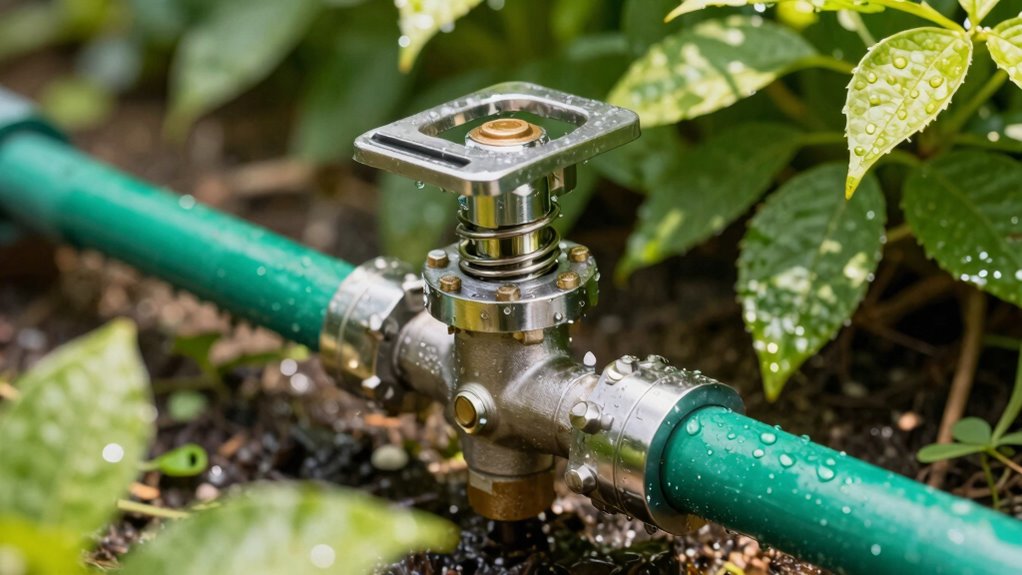
Selecting the right backflow preventer depends on your system’s specific needs and the type of water supply you have. Consider how your watering schedules and soil types influence your choice. For example, clay soils retain water longer, requiring a more robust preventer, while sandy soils drain quickly. If you have frequent watering, a double-check valve might suit you best. For systems with high pressure or chemical use, an RPZ (Reduced Pressure Zone) device offers extra protection. Visualize your garden’s layout, water flow, and potential contaminants. Think about:
- The frequency of watering sessions
- Soil drainage properties
- Water pressure levels
- Chemical use in irrigation
- Local water regulations
- Proper installation techniques are essential to ensure your backflow preventer functions correctly and reliably. Understanding backflow prevention principles helps you select and maintain the appropriate device, ensuring long-term safety. Proper system maintenance further guarantees your device remains effective over time. Additionally, knowing the types of backflow preventers available can help you make an informed decision tailored to your system’s requirements. For optimal performance, selecting a device that fits your specific system layout is crucial to prevent potential backflow issues effectively. Choosing wisely guarantees your system stays safe and efficient, preventing backflow contamination effectively.
What Are the Key Factors When Installing a Backflow Preventer?
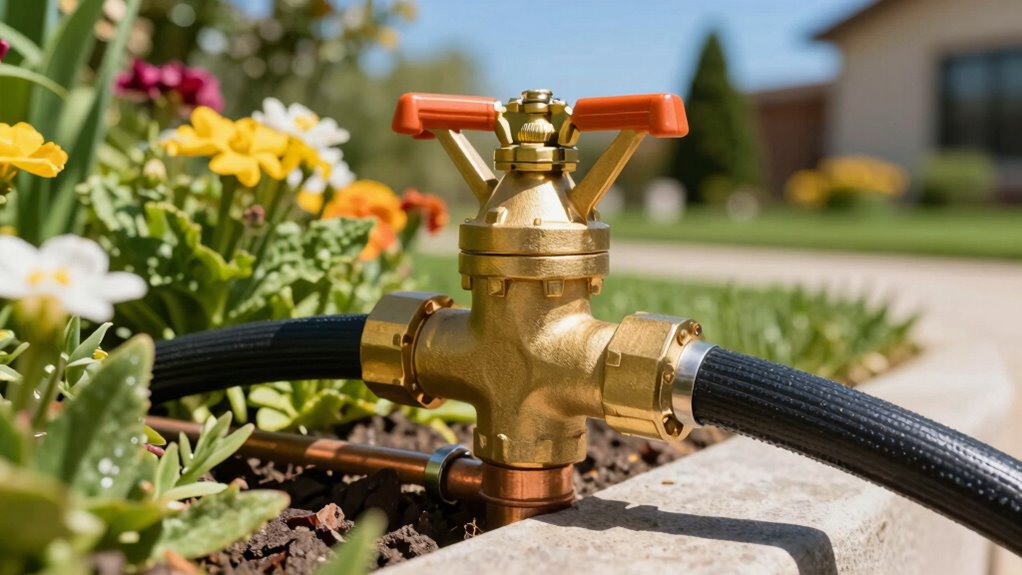
Proper installation is crucial to guarantee your backflow preventer functions effectively and remains compliant with local codes. You need to contemplate water pressure, as too high or low pressure can hinder performance. The installation location also matters; it should be accessible for maintenance and positioned below the highest point of your irrigation system. Ensure the device is installed upright and in a clean, dry area to prevent contamination.
| Factor | Importance | Tip |
|---|---|---|
| Water Pressure | Ensures proper device operation | Use pressure regulators if needed |
| Installation Location | Accessibility & safety | Keep it visible and reachable |
| Orientation | Prevents malfunction | Install upright and level |
How Can You Tell If Your Backflow Preventer Needs Repair or Replacement?
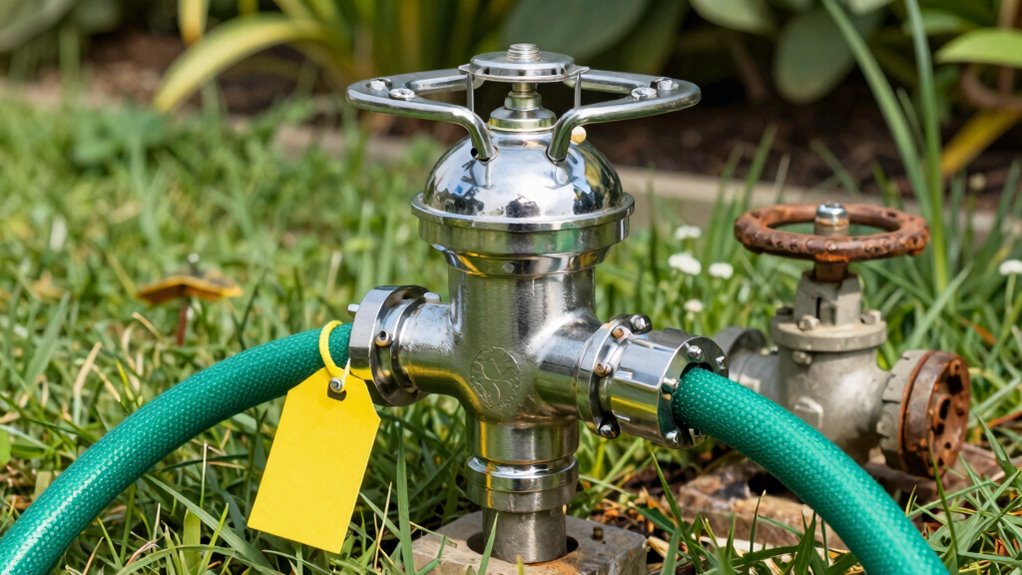
Regularly inspecting your backflow preventer helps guarantee it works correctly and stays in compliance. If you notice issues, it may need repair or replacement. Signs include reduced water pressure in your irrigation system, leaks around the device, or strange tastes and odors in your water supply. You might also see water pooling near the preventer or notice it’s making unusual noises. These problems can threaten your garden design and water conservation efforts by wasting water or risking contamination. Keep an eye out for corrosion, cracks, or debris buildup that hinder proper function. Proper system maintenance can help prevent costly repairs and ensure ongoing safety. Regular inspections are especially important for irrigation system safety, as they help catch issues early before they lead to more serious problems. Prompt action ensures your irrigation remains efficient, protecting your landscape and conserving water resources. Staying vigilant helps maintain your system’s safety and longevity, which is essential for water conservation and environmental health. Additionally, understanding the preventer operation helps in diagnosing potential issues more effectively. Being familiar with backflow preventer types can assist you in selecting the right device for your specific needs.
How Do You Maintain Your Backflow Preventer for Long-Term Safety?
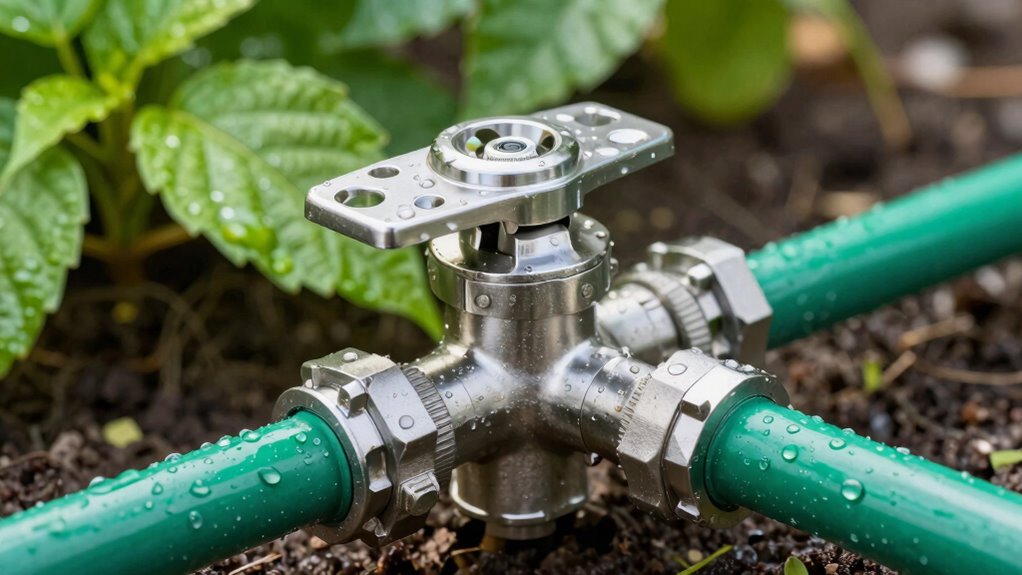
To guarantee your backflow preventer stays effective over the long term, you need to perform consistent maintenance and inspections. Regular checks ensure it functions properly, preventing contamination that could harm your water supply and garden aesthetics. Clean any debris or buildup around the device, and test it annually to verify proper operation. Keep an eye out for leaks or signs of wear, and replace parts as needed. Proper maintenance helps conserve water by maintaining efficient irrigation, avoiding unnecessary wastage. Additionally, ensure the device is accessible for inspections and repairs. Understanding backflow prevention is essential for maintaining a safe and reliable irrigation system. By staying proactive, you extend the lifespan of your backflow preventer, ensuring your irrigation system remains safe, efficient, and visually appealing for years to come.
What Are the Regulations and How Do They Affect Your Installation?
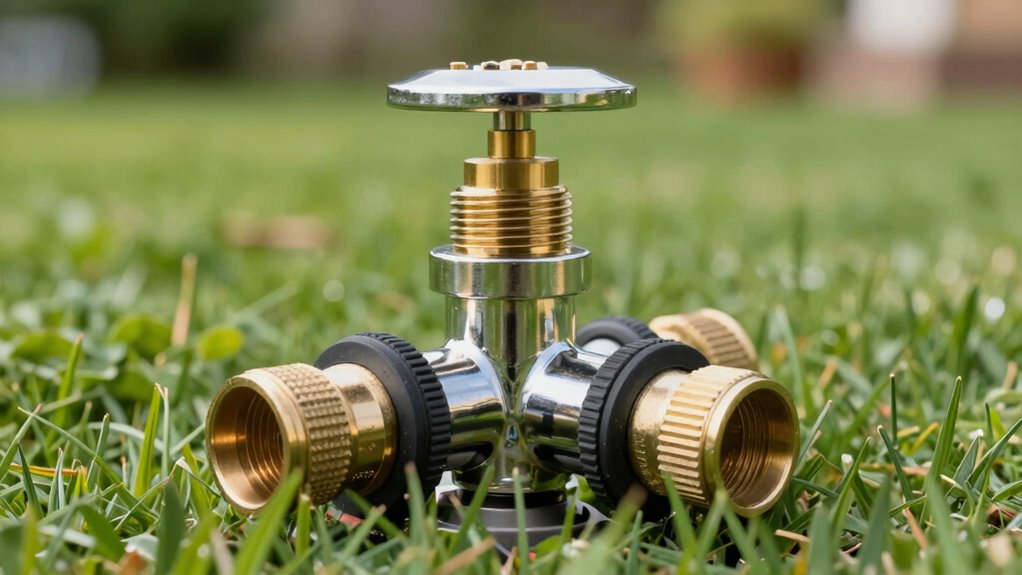
Understanding local regulations is vital because they set the requirements for your backflow preventer installation. You must follow installation compliance standards to guarantee your system is approved and safe. Regular inspections and maintenance are also necessary to stay compliant and keep your system functioning properly.
Local Regulations Overview
Local regulations play a crucial role in guiding the installation of backflow preventers, ensuring that your system meets safety and health standards. They help maintain water quality and enforce legal compliance, protecting your community’s drinking water from contamination. Ignoring these regulations can lead to fines, system failures, or health hazards. When installing, consider:
- Specific device types required by your municipality
- Proper placement and access points
- Inspection and testing schedules
- Certification and licensing standards
- Record-keeping and compliance documentation
Installation Compliance Standards
Installation compliance standards set the foundation for ensuring your backflow preventer meets all safety and legal requirements. These standards specify how you should install the device, including proper valve placement to prevent backflow effectively. You must consider water pressure to ensure the device functions correctly without leaks or failures. Local codes often dictate the type of backflow preventer permitted and the exact positioning relative to your water source. Proper valve placement is critical to isolate the device during maintenance or emergencies. Failing to follow these regulations can lead to fines or contamination risks. Always check with local authorities or plumbing codes before installation. Adhering to compliance standards guarantees your irrigation system remains safe, legal, and effective in protecting your water supply.
Inspection and Maintenance
Regular inspection and maintenance are essential to guarantee your backflow preventer continues to operate effectively and stays compliant with regulations. You should regularly check water pressure levels to ensure they stay within the device’s specifications. Maintaining device compatibility is vital; verify that parts are suitable for your system to prevent malfunctions. During inspections, look for leaks, corrosion, or damage that could compromise safety.
Picture yourself:
- Testing water pressure with a reliable gauge
- Clearing debris from the device’s vents and vents
- Replacing worn-out or damaged parts
- Inspecting for corrosion or mineral buildup
- Ensuring all connections are tight and secure
Staying vigilant helps prevent contamination and keeps your system compliant with local regulations.
Frequently Asked Questions
How Often Should Backflow Preventers Be Inspected?
You should inspect your backflow preventers at least once a year to guarantee proper function. Follow the recommended inspection schedule and maintenance frequency, especially if you notice any leaks, unusual odors, or reduced water flow. Regular inspections help catch potential issues early, preventing contamination. If you experience changes in water pressure or suspect a problem, it’s wise to schedule additional inspections. Staying vigilant keeps your irrigation system safe and compliant.
Can a Backflow Preventer Be Installed Indoors?
Think of a backflow preventer as the guardian of your water system, standing watch to keep contamination out. Yes, you can install a backflow preventer indoors, but space considerations matter. Indoor installation requires enough room for maintenance and proper drainage. Confirm the area is accessible, dry, and protected from extreme temperatures. With careful planning, your indoor setup can effectively safeguard your water supply without compromising space or safety.
What Are Common Signs of Backflow Preventer Failure?
You’ll know your backflow preventer is failing if you notice foul odors, discolored or murky water, or unexpected water pressure changes. Leaks or water around the device also signal issues. These signs threaten your system’s integrity and compromise backflow prevention. Regular inspections and maintenance help catch problems early, ensuring your irrigation system functions safely and effectively, protecting your water supply and maintaining system integrity.
Are There Different Maintenance Requirements for Residential vs. Commercial Systems?
You might find that maintenance frequency varies greatly between residential and commercial systems due to system complexity. Commercial setups often require more frequent inspections and servicing because they’re larger and more intricate. Residential systems usually need annual checks, while commercial ones may need quarterly or bi-annual maintenance. Keeping up with these schedules guarantees your backflow preventer functions properly, preventing costly contamination and ensuring safety for everyone relying on your irrigation system.
How Much Does Professional Backflow Preventer Testing Typically Cost?
You can expect professional backflow preventer testing to cost between $75 and $200, depending on cost factors like the system size and accessibility. Service packages often include thorough testing, certification, and maintenance options that might save you money in the long run. To get an accurate estimate, contact local licensed plumbers or backflow specialists who can assess your system’s specific needs and provide a tailored quote.
Conclusion
Protecting your irrigation system with a backflow preventer is essential—you don’t want to open a can of worms by neglecting it. By understanding the types, installation tips, and maintenance needs, you keep your water safe and your system running smoothly. Think of it as an ounce of prevention; it’s worth its weight in gold. Stay vigilant, follow regulations, and don’t let small issues turn into big headaches down the road.