To shift your greenhouse plants outdoors without shock, start by gradually exposing them to outdoor conditions over 1-2 weeks, increasing time outside daily. Monitor for pests and inspect plants thoroughly before transplanting, and use organic repellents. Prepare the soil with compost, guarantee proper watering, and mulch to retain moisture. Transplant during mild weather, ideally on cloudy days or late afternoons. Keep an eye on environmental factors, and you’ll give your plants the best start—learn more about each step to ensure success.
Key Takeaways
- Gradually expose plants to outdoor conditions over 1-2 weeks, increasing time outside daily.
- Inspect and treat plants for pests before transplanting to prevent infestations.
- Prepare soil with compost and ensure proper drainage to promote healthy root establishment.
- Transplant during mild weather, preferably on cloudy days or late afternoons to reduce stress.
- Use mulch and maintain consistent watering to retain moisture and support adaptation.

When it’s time to move your greenhouse plants outdoors, proper planning guarantees they adapt smoothly and thrive in their new environment. The transition can be delicate, so taking steps to prevent shock is essential. Start by gradually exposing your plants to outdoor conditions. Over a week or two, slowly increase their time outside each day, allowing them to adjust to sunlight, wind, and temperature changes. This slow acclimation process helps minimize stress and prepares them for full outdoor life.
Pest prevention becomes increasingly important once your plants are outdoors. Outdoor environments expose your plants to insects and other pests that might not have been present inside the greenhouse. Before moving them out, inspect each plant thoroughly, removing any pests or eggs. Consider applying a gentle, organic pest repellent or neem oil as a preventive measure, especially if pests are common in your area. Keep a close eye on your plants after transplanting, as early detection of pests can prevent infestations from spreading and causing damage.
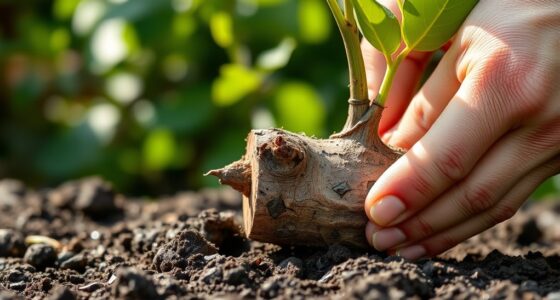
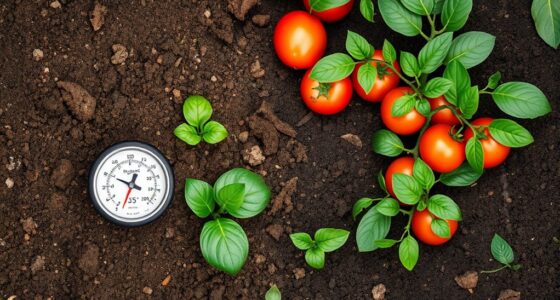
Soil preparation plays a crucial role in ensuring your plants transition successfully. The soil in your garden should be well-draining, rich in organic matter, and free of weeds or pathogens that could harm your plants. Before transplanting, loosen the soil and mix in compost or aged manure to improve fertility. This provides a nutrient-rich base, encouraging healthy root development and reducing transplant shock. If the soil is compacted or poor quality, consider creating raised beds or containers with fresh, quality soil to give your plants the best start in their new outdoor home. Additionally, understanding the market insights related to soil amendments can help you select the best products for your garden. Incorporating soil health practices can further enhance plant resilience during this transition. Moreover, paying attention to the soil amendments used can significantly influence the success of your transplant. Ensuring proper soil conditions is also vital for supporting overall plant health and growth in the long term.
Watering is another key factor. Gradually reduce the frequency of watering inside the greenhouse before moving plants outside, then establish a consistent watering schedule once outdoors. Keep the soil evenly moist but not waterlogged, as overly saturated soil can stress roots and lead to disease. Mulching around the base of your plants can help retain moisture, regulate soil temperature, and suppress weeds, further supporting their transition. Proper watering techniques can also help prevent transplant shock and promote vigorous establishment in the new environment.
Finally, choose an optimal time for transplanting. Aim for a day when the weather is mild, with no extreme heat or cold forecasted. Cloudy days or late afternoon are ideal, as they protect plants from intense sunlight and temperature fluctuations. With careful planning, pest prevention, soil preparation, and patience, you’ll give your greenhouse plants the best chance to settle into their new outdoor environment and flourish.
organic pest repellent for plants
As an affiliate, we earn on qualifying purchases.
As an affiliate, we earn on qualifying purchases.
Frequently Asked Questions
When Is the Best Time of Day to Move Plants Outside?
You should move your plants outside early in the morning or late afternoon to support proper plant acclimatization. This timing minimizes stress from direct sunlight and temperature fluctuations. During these periods, you can also provide shade protection if needed, helping your plants gradually adapt to outdoor conditions. Avoid midday transfers, as the intense sun and heat can shock your plants, making the shift more difficult.
How Do I Protect Plants From Sudden Temperature Drops?
To protect your plants from sudden temperature drops, focus on plant acclimation and temperature regulation. Cover them with blankets, frost cloths, or shade cloths during cold nights, and bring potted plants indoors if possible. Gradually expose them to outdoor conditions over several days to help them adjust. Keeping an eye on local weather forecasts allows you to anticipate drops and act quickly, ensuring your plants stay healthy and resilient.
Should I Water Plants Immediately After Transplanting?
Yes, you should water your plants immediately after transplanting. Proper soil preparation helps retain moisture, giving your plants a strong start, while watering helps settle the soil around the roots. This minimizes transplant shock and promotes healthy growth. Additionally, watering can help prevent pests by keeping plants healthy and resilient. Just make certain you water thoroughly but avoid overwatering, which can lead to root rot and other issues.
How Long Should I Gradually Increase Outdoor Exposure?
Start slowly by increasing outdoor exposure over about a week, adding an hour or two daily. This gradual approach helps plants adapt, avoiding shock. Prepare the soil properly with good drainage and nutrients, and inspect for pests to prevent problems later. Stay attentive to weather forecasts, and bring plants inside if frost or harsh conditions threaten. Patience promotes healthy, hardy plants that thrive in their new outdoor environment.
What Signs Indicate a Plant Is Stressed During Transition?
You’ll notice signs like wilting, yellowing leaves, or dropped foliage during indoor acclimation, indicating your plant is stressed. It might also show slowed growth or leaf scorch. Keep an eye out for pests, as stress can make plants more vulnerable, so pest prevention becomes essential. If these signs appear, ease up on outdoor exposure, give your plant time to adjust, and make sure it’s protected from harsh conditions.
As an affiliate, we earn on qualifying purchases.
Conclusion
Remember, shifting your greenhouse plants outdoors is like guiding a delicate dance—patience and care are your best partners. By gradually exposing them to the new environment, you allow their roots to stretch and adapt, avoiding shock and fostering resilience. Think of this process as tending a fragile flame; with gentle nurturing, it will grow brighter and stronger. Your attentive effort guarantees your plants flourish, turning your garden into a vibrant masterpiece that blooms with life.

Brut Organic Aspen Mulch 10 QT – Natural Moisture Retainer & Root Protector – Odor-Free, Nutrient-Rich Bark Mulch for Landscaping, Garden Beds & Potted Plants
- Natural Garden Cover: Minimizes weeds and supports healthy soil
- High Carbon Organic Mulch: Contains 30% natural carbon for soil vitality
- Moisture-Retaining & Water-Efficient: Helps retain soil moisture and reduce watering
As an affiliate, we earn on qualifying purchases.
As an affiliate, we earn on qualifying purchases.
raised garden beds for transplanting
As an affiliate, we earn on qualifying purchases.
As an affiliate, we earn on qualifying purchases.