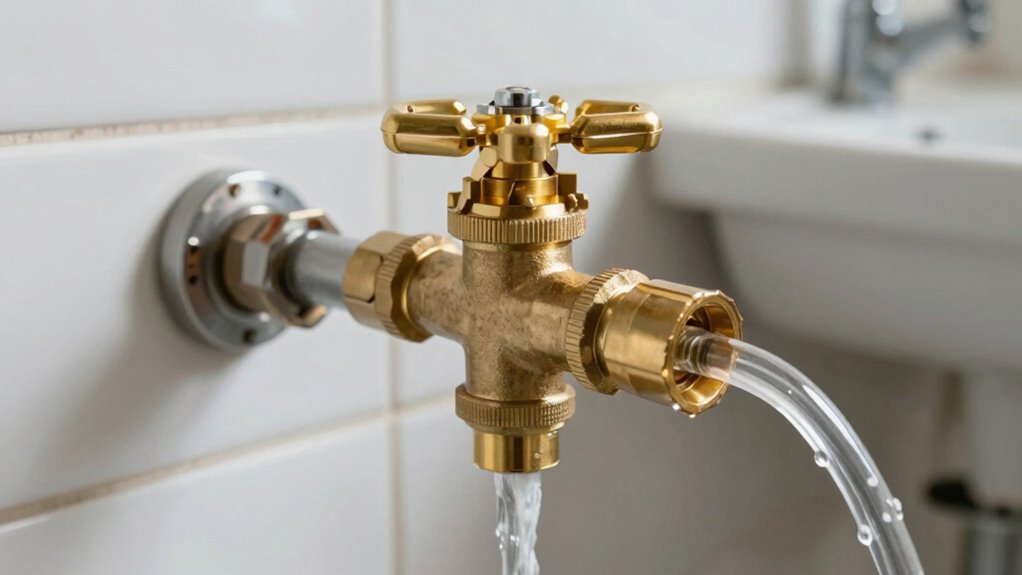

Backflow protection matters in small home systems because contaminated water can easily reverse into your clean supply, posing health risks. Even minor issues like faulty check valves or pressure changes can lead to serious contamination if not properly maintained. Installing simple devices like check valves and air gaps helps prevent these problems. Ensuring your system is designed and checked regularly keeps your water safe and clean. To discover how you can better protect your home, keep exploring further.
Key Takeaways
- Small systems are still vulnerable to pressure changes that can cause backflow and contamination.
- Contaminated water from external sources like wells or irrigation can enter the home plumbing.
- Regular maintenance of backflow prevention devices prevents leaks and device failures.
- Proper system design and installation reduce the risk of backflow incidents.
- Protecting water quality safeguards health and prevents costly repairs.
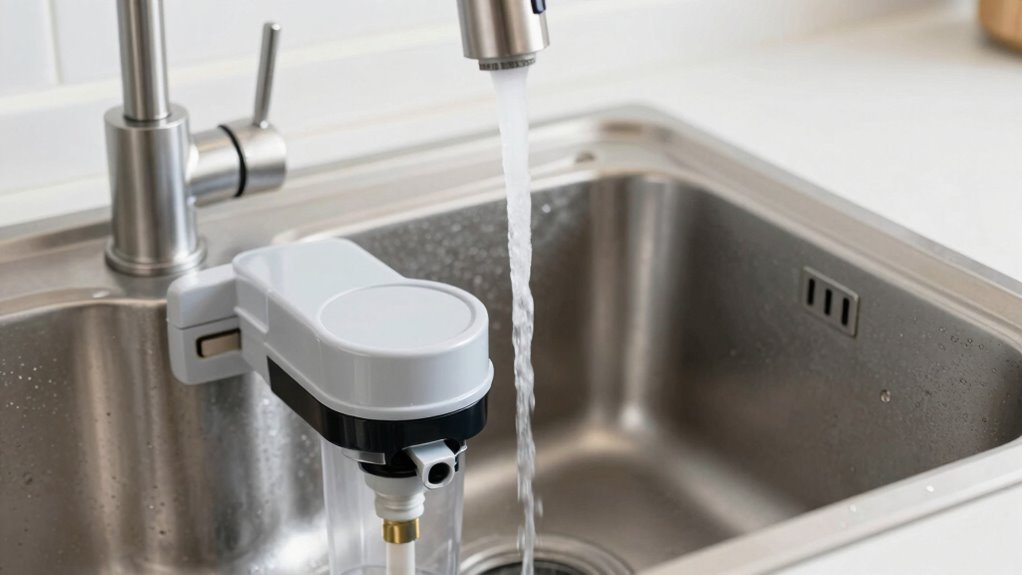
Ever wondered what could happen if contaminated water flows back into your home’s clean supply? It might sound unlikely, but backflow incidents can occur even in small home systems. Water contamination is a serious concern because it can introduce harmful bacteria, chemicals, or pollutants into your drinking water, putting your health and that of your family at risk. That’s why backflow prevention is essential, regardless of the size of your home’s plumbing system. You might think that because your system is small, it’s less vulnerable. However, small systems can still experience backflow if proper precautions aren’t taken, especially if there’s a sudden change in water pressure or a plumbing fault.
Even small home systems are vulnerable to backflow, risking contamination without proper prevention and maintenance.
System maintenance plays a critical role in preventing backflow incidents. Regular inspections and timely repairs keep your plumbing in good shape and help identify potential issues before they become serious problems. Small systems often get overlooked, but neglecting maintenance can lead to unnoticed leaks, broken check valves, or other vulnerabilities that allow contaminated water to seep back into your clean supply. Installing backflow prevention devices, such as check valves or air gaps, is a simple yet effective way to protect your water. These devices act as barriers, preventing contaminated water from reversing direction and entering your plumbing system. Even a minor oversight in maintenance or device failure can result in a backflow event, so it’s important to keep these devices functioning properly through routine checks.
You might assume that your small home system doesn’t need the same level of protection as a large commercial setup. But the risks are just as significant, especially if you use lawn irrigation, a well, or other external water sources. Any connection that could potentially allow back-siphonage or back-pressure requires safeguards. Installing and maintaining backflow prevention devices isn’t complicated or expensive, and it provides peace of mind. It’s a proactive step that guarantees your water supply remains safe and free from contamination. Remember, even a small leak or a forgotten check valve can lead to water contamination, which might not be immediately obvious but can have long-term health consequences. Additionally, regular system maintenance** can help ensure that backflow prevention devices stay in optimal working condition, reducing the risk of failure. Proper system design is also crucial in minimizing backflow risks, especially when external water sources are involved. Incorporating proper installation practices can further enhance the effectiveness of your backflow prevention measures. Understanding the different types of backflow prevention devices can help you select the most suitable option for your specific setup. Utilizing contamination prevention strategies** can further safeguard your water supply from potential hazards.
In short, backflow protection matters because it keeps your water safe, and system maintenance is the key to guaranteeing those protections stay effective. Don’t overlook the importance of regular inspections and proper device installation—your health depends on it. Even in small home systems, taking these precautions can save you from costly repairs and, more importantly, protect your loved ones from contaminated water.

Zonon 2 Pcs 3/4 Inch Check Valve One Way Brass Non Return in Line Check Valve with Backflow Prevention NPT Male in FNPT out for Garden Hose Well Pumps Irrigation Systems Chemical Industry
- Package Includes: 2 check valves for replacement
- Durable Material: Made of corrosion-resistant brass
- Size Compatibility: 3/4 inch NPT male and FNPT out
As an affiliate, we earn on qualifying purchases.
As an affiliate, we earn on qualifying purchases.
Frequently Asked Questions
Can Backflow Occur in All Types of Small Home Plumbing Systems?
Yes, backflow can occur in all types of small home plumbing systems. That’s why backflow prevention is essential for maintaining plumbing safety. Without proper protection, contaminated water can flow back into your clean water supply, risking health hazards. You should regularly check and maintain backflow prevention devices, ensuring they work correctly. Taking these steps helps protect your home and keeps your water supply safe and clean.
How Often Should Backflow Prevention Devices Be Tested or Maintained?
You should schedule regular maintenance schedules and device inspections to guarantee your backflow prevention devices stay effective. Typically, you need to test these devices annually, but consult local codes or a plumbing professional for specifics. Consistent checking keeps contaminants out and prevents costly cross-connections. By maintaining your device properly, you protect your water supply and ensure everything flows freely, fuss-free, and safely.
Are There Specific Regulations for Backflow Protection in Residential Areas?
Yes, there are specific regulations for backflow protection in residential areas. You need to guarantee compliance with local and state codes that require proper backflow prevention devices. Regular inspection procedures are essential to maintain regulatory compliance, prevent contamination, and safeguard your water supply. It’s your responsibility to follow these regulations, schedule inspections, and keep records to demonstrate that your backflow prevention measures are effective and up-to-date.
What Are the Common Signs Indicating Backflow Problems?
You’ll notice signs like foul odors, discolored water, or reduced water pressure, which indicate backflow causes. You might also see water bubbling or hear unusual sounds in your pipes. Prevention methods like installing backflow preventers or air gaps help stop these issues. Staying alert to these signs guarantees you catch backflow problems early and maintain safe, clean water in your home. Regular inspections keep your system protected.
How Does Backflow Protection Impact Overall Water Quality and Safety?
Backflow protection acts like a vigilant gatekeeper, shielding your water supply from contamination. It guarantees that pollutants don’t sneak back into your clean water, maintaining water safety and purity. By preventing backflow, you’re safeguarding your household from harmful bacteria and chemicals, creating a fortress of contamination prevention. This simple device keeps your water fresh and safe, giving you peace of mind knowing your drinking water remains clean and healthy.

Plumb Pak PP855-69 2 in. Plastic Water Softener Air Gap for Standpipes
- Backflow and Anti-Siphon Protection: Prevents wastewater from contaminating water supply
- Easy to Install: Fits 1.5-in. and 2-in. standpipes, adjustable mounting levels
- Standard Design Compatibility: Supports soft rubber or aluminum washer drain hookup
As an affiliate, we earn on qualifying purchases.
As an affiliate, we earn on qualifying purchases.
Conclusion
Remember, an ounce of prevention is worth a pound of cure. Even in small home systems, backflow protection keeps your water safe and your family healthy. Don’t wait until contamination occurs—taking proactive steps now can save you from costly repairs and health risks later. Protect your home today, because a little caution goes a long way in safeguarding what matters most. Stay vigilant and prioritize backflow prevention; it’s better to be safe than sorry.

2 Pack Brass 3/4" Inch GHT Hose Bibb Backflow Preventer Vacuum Breaker
- Package Includes: 2 Vacuum Breakers, Washers, Tape
- Thread Size: 3/4 inch female to male
- Maximum Pressure: 125 psi
As an affiliate, we earn on qualifying purchases.
As an affiliate, we earn on qualifying purchases.

Ficstar 1" Brass Pressure Vacuum Breaker, 400 PSI Backflow Preventer Valve
- Factory Sealed Anti-Leak Design: Prevents leaks with secure, tape-free seal
- Pressure Tested to 400 PSI: Ensures reliable performance under high pressure
- Thickened Brass Construction: Offers corrosion resistance and durability
As an affiliate, we earn on qualifying purchases.
As an affiliate, we earn on qualifying purchases.