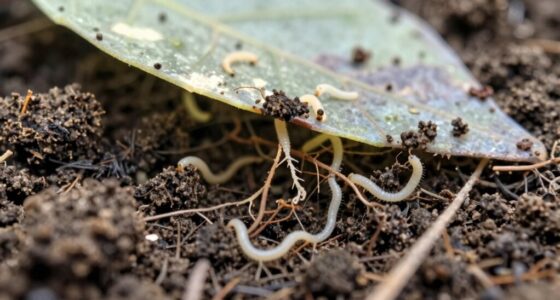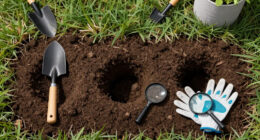
If you don’t check beneath the soil surface, you’ll miss key signs of cutworm activity. Look for damaged stems cut at ground level, small droppings near plant bases, and tiny caterpillars when you disturb the soil. Since cutworms hide during the day and feed at night, soil checks are essential to catch early signs of infestation. Keep inspecting regularly, and you’ll uncover important clues that can help you prevent major damage — there’s more to discover if you keep going.
Key Takeaways
- Damage to stems at ground level is often hidden until severe, requiring soil inspection to detect early signs.
- Small, granular droppings near plant bases indicate underground caterpillar activity.
- Larvae or caterpillars can only be found by carefully disturbing soil during inspections.
- Wilting plants with cut stems suggest underground cutworm feeding, visible only through soil checks.
- Regular soil monitoring helps identify pest presence before visible above-ground damage occurs.
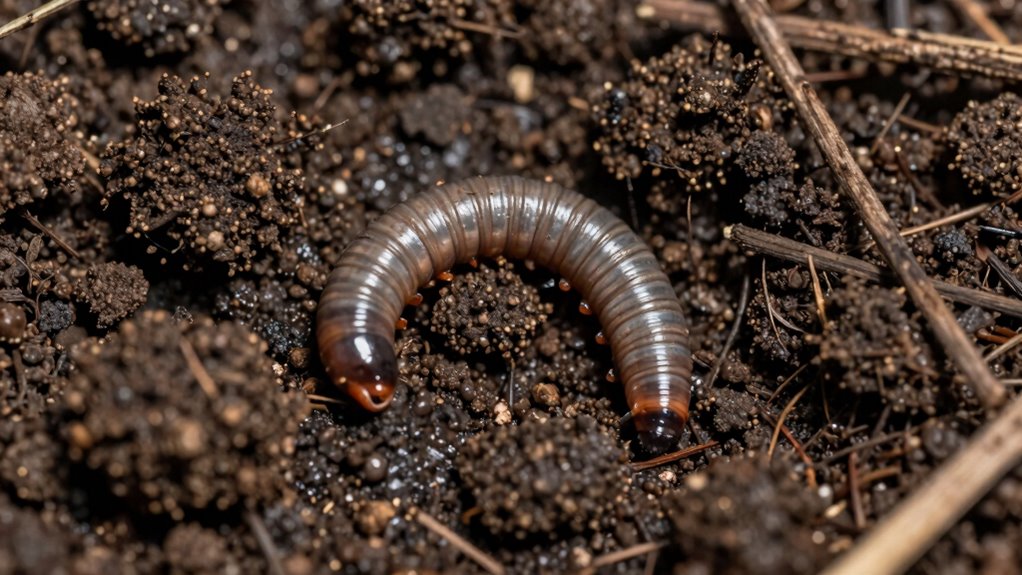
If you’re noticing unexpected damage to your crops or plants, it might be a sign of soil level cutworm activity beneath the surface. These pests are notorious for causing unseen harm, often leaving no obvious signs until the damage becomes severe. To catch them early, you need to pay attention to pest identification, especially at the soil level, where they operate. Cutworms are usually small, dull-colored caterpillars that hide in the soil during the day and emerge at night to feed. They tend to curl into a C-shape when disturbed, making them easier to recognize if you look closely. Unlike above-ground pests, their presence isn’t obvious until plants start wilting, stems are cut off at ground level, or seedlings suddenly die.
Checking at soil level is crucial because these pests spend most of their life underground. You might not see the larvae or the damage unless you dig around the base of your plants. When inspecting, look for signs like chewed or cut stems, especially right at the soil line. You may also find small, granular droppings or the caterpillars themselves if you disturb the soil carefully. Regular monitoring helps you identify early signs of pest activity before it causes widespread damage. Remember, soil health plays a vital role here; healthy, well-managed soil can sometimes resist pest infestations better than neglected, compacted soil. Good soil aeration and organic matter encourage natural predators that keep cutworm populations in check. Incorporating soil health management practices can significantly reduce the risk of infestation, especially since soil conditions influence pest activity. Additionally, understanding pest behavior patterns can help in timing your control measures more effectively. Recognizing the pest lifecycle stages is also essential for implementing the most effective intervention strategies.
Regular soil checks reveal early pest signs and support healthy, pest-resistant crops.
It’s important to understand that soil level cutworm activity is often missed because it occurs beneath the surface. You might be tempted to focus solely on visible damage or above-ground pests, but the real trouble lurks underground. By incorporating routine soil checks into your pest management plan, you significantly improve your chances of catching and controlling these pests early. This proactive approach not only minimizes crop loss but also helps maintain a balanced soil ecosystem. Identifying pests at their earliest stage allows you to implement targeted control methods, such as cultivating, handpicking, or applying organic insecticides, which are more effective and environmentally friendly. Regular soil inspections also help you better understand the conditions that favor pest development, allowing for more strategic preventative measures.
Ultimately, paying close attention at soil level is the key to detecting and managing soil level cutworm activity. It’s a simple step that can save your crops from unseen damage, preserve your soil health, and ensure your plants grow strong and resilient. Don’t overlook the importance of regular soil inspections—what’s beneath the surface could be the difference between a healthy harvest and a costly pest problem.
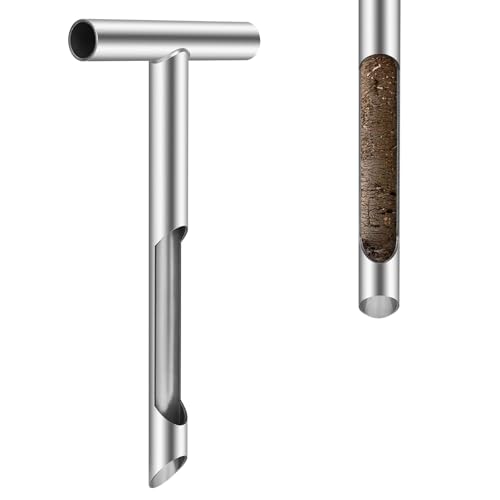
AUZEKER 12 Inch Soil Sampler Probe, Stainless Steel Soil Core Sampling Tool with T-Handle, Heavy Duty Soil Probe for Lawn, Garden, Farm & Soil Testing
- Accurate Soil Sampling: Collect clean, consistent soil cores
- Durable Stainless Steel: Corrosion-resistant, heavy-duty construction
- Ergonomic T-Handle: Provides better leverage and control
As an affiliate, we earn on qualifying purchases.
As an affiliate, we earn on qualifying purchases.
Frequently Asked Questions
What Plants Are Most Vulnerable to Cutworm Damage?
You should watch out for seedlings, young vegetables, and tender crops like lettuce, cabbage, and tomatoes, as they’re most vulnerable to cutworm damage. To protect them, practice crop rotation to disrupt cutworm life cycles and use trap planting with bait crops to lure pests away from your main plants. Regularly checking soil levels helps you catch cutworm activity early and minimize damage.
How Deep Do Cutworms Typically Burrow in the Soil?
Cutworms typically burrow about 1 to 4 inches deep in the soil, often surprising gardeners who think they’re safe just below the surface. Ironically, their burrowing depths are directly influenced by soil moisture, as they prefer moist conditions. When soil is damp, they descend deeper, making it harder to spot them. So, if you want to catch these sneaky pests, check at soil level, especially in moist areas.
Are There Natural Predators of Cutworms in the Soil?
Yes, natural predators like beneficial insects help control cutworms in the soil. You can encourage these predators by practicing good soil management, such as reducing tillage and avoiding broad-spectrum insecticides. Beneficial insects like ground beetles, parasitic wasps, and nematodes prey on cutworms, keeping their populations in check. By fostering a healthy soil ecosystem, you naturally reduce cutworm damage and promote overall garden health.
How Can I Prevent Cutworms From Returning Annually?
Think of your garden as a fortress, where prevention is your strongest shield. To stop cutworms from returning annually, embrace crop rotation each season to confuse their lifecycle. Mulching benefits your soil by preventing cutworms from reaching seedlings, creating a protective barrier. Consistently remove plant debris and till the soil to disrupt their underground hideouts. These strategies work together, turning your garden into a resilient stronghold against future cutworm invasions.
What Signs Indicate an Early Cutworm Infestation?
You can spot an early cutworm infestation by watching for chewed or wilted seedlings, especially at soil level. During the cutworm life cycle, larvae hide just beneath the soil surface, thriving in moist conditions. Keep an eye on soil moisture levels, as overly wet soil encourages their activity. Regularly inspecting your garden at soil level helps you catch these signs early before significant damage occurs.

Riddy Bed Bug Detection Kit, Bed Bug Trap and Lure for Early Detection and Monitoring, Safe for Mattress, for Home or Travel, 4 Pack (Includes 4 Traps and 4 Lures)
- Early Detection for Bed Bugs: Identify bed bugs at first sign
- Simple Setup Process: Insert lure, place trap, start monitoring
- Effective Bed Bug Lure: Mimics human scent for better detection
As an affiliate, we earn on qualifying purchases.
As an affiliate, we earn on qualifying purchases.
Conclusion
Next time you’re inspecting your garden, get down to soil level. Picture yourself kneeling, fingers brushing through damp earth, feeling the tiny movements beneath. As you peer closely, those subtle signs—chewed leaves or tiny holes—become clearer. Don’t overlook the hidden world beneath your plants’ roots; it’s where cutworms hide, waiting silently. By checking the soil, you catch the clues before damage spreads, keeping your garden thriving and your plants safe from unseen threats.
AUZEKER 12 Inch Soil Sampler Probe, Stainless Steel Soil Core Sampling Tool with T-Handle, Heavy Duty Soil Probe for Lawn, Garden, Farm & Soil Testing
- Accurate Soil Sampling: Collect clean, consistent soil cores
- Durable Stainless Steel: Corrosion-resistant, heavy-duty construction
- Ergonomic T-Handle: Provides better leverage and control
As an affiliate, we earn on qualifying purchases.
As an affiliate, we earn on qualifying purchases.

MySoil Soil Test Kit, Unlock Your Lawn & Garden Potential, Complete & Accurate Nutrient and pH Analysis with Recommendations Tailored to Your Soil and Plant Needs
- Professional Soil Testing Kit: Accurately measures nutrients and pH
- Fast Results: Receive analysis in 6-8 days
- Versatile Compatibility: Suitable for all soil types and plants
As an affiliate, we earn on qualifying purchases.
As an affiliate, we earn on qualifying purchases.