If you leave gaps in bloom within your insectary strip, you reduce the habitat for beneficial insects and disrupt continuous nectar sources. This discourages pollinators, pest predators, and native bees from visiting regularly, lowering pollination efficiency and pest control. Overlooking proper planting and maintenance creates these gaps, weakening ecological balance. To guarantee your insectary strip supports thriving beneficial populations, it’s essential to plant strategically and keep blooms overlapping. Want to learn how to avoid these common mistakes and enhance your habitat?
Key Takeaways
- Failing to select native, bloom-extending plants creates gaps in flowering, reducing nectar sources for pollinators.
- Inadequate plant spacing or improper planting techniques lead to gaps in bloom coverage.
- Neglecting seasonal plant succession results in inconsistent nectar availability, causing bloom gaps.
- Overlooking regular maintenance like deadheading and weed control allows unwanted gaps to develop.
- Not planning for continuous flowering throughout the season creates ecological vulnerabilities and reduces beneficial insect habitats.

Have you ever overlooked the significance of a properly installed insectary strip? It might seem like a small detail, but it plays a vital role in supporting pollinator diversity and enhancing pest management. An insectary strip isn’t just a decorative element; it’s an essential part of a sustainable farming or gardening system. When installed correctly, it provides habitat for beneficial insects, including native pollinators and natural pest predators. However, if you leave gaps or mismanage the planting, you risk undermining these benefits. Gaps in bloom can create vulnerabilities, reducing the overall effectiveness of your pest management strategies and limiting the diversity of pollinators that visit your crops.
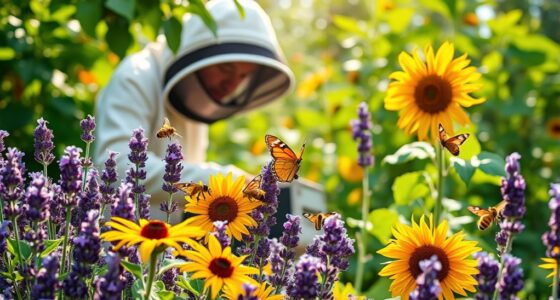
Pollinator diversity thrives on continuous, overlapping bloom periods. If your insectary strip isn’t properly planned, with gaps in flowering, you could be unintentionally discouraging a broad range of pollinators from frequenting your field. Many native bees, butterflies, and other beneficial insects rely on consistent nectar sources throughout the growing season. When gaps appear, especially during critical periods, pollinator activity drops. This not only hampers pollination efficiency but can also lead to lower crop yields. A well-designed insectary strip offers a seamless succession of blooms, ensuring that beneficial insects have reliable food sources and remain active in your area. Maintaining a continuous bloom is crucial for sustaining the ecological balance and maximizing the benefits of your insectary strip. Proper plant selection and strategic planting techniques can further improve the longevity and effectiveness of the bloom period. Additionally, understanding the importance of plant diversity can help create a resilient habitat that attracts a wider array of pollinators. Incorporating native plants can also enhance the ecological stability of your insectary strip.
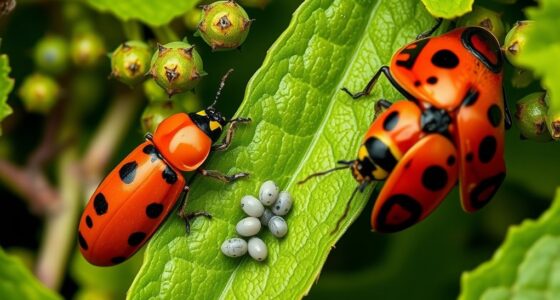
Beyond supporting pollinator diversity, the proper installation of your insectary strip directly impacts pest management. A healthy, diverse insect population helps keep pest numbers in check naturally. Predators such as lady beetles, lacewings, and parasitic wasps depend on the habitat provided by your insectary strip to thrive. When gaps in bloom appear, these helpful insects lose habitat or food sources, diminishing their ability to control pests effectively. This can lead to increased pesticide use, which often harms beneficial insects and disrupts the ecological balance you’re trying to establish. To avoid this, you must guarantee your insectary strip covers the entire planting area with continuous bloom, providing a stable environment for pest predators and reducing reliance on chemical controls.
Additionally, understanding the importance of proper planting techniques can help ensure your insectary strip remains effective throughout the season. When managed correctly, the strip stays resilient and continues to support beneficial insect populations. When gaps in bloom occur, these populations are less likely to thrive, undermining the ecological services they provide. Regular maintenance, including deadheading and weed control, can help prevent these gaps from forming unexpectedly. Implementing seasonal plant succession can further ensure a continuous supply of nectar and pollen year-round.
In short, overlooking the importance of a properly installed insectary strip can compromise both pollinator diversity and pest management. Gaps in bloom aren’t just aesthetic issues—they’re ecological vulnerabilities that diminish the benefits your insectary can offer. To maximize its effectiveness, plan your planting carefully, choose a variety of flowers that bloom at different times, and maintain the strip throughout the season. When you do, you create a resilient, thriving habitat that supports beneficial insects, enhances pollination, and naturally suppresses pests, ensuring healthier crops and a more sustainable system.

American Wildflower Seeds for Planting – 24 Variety Pack of Native Plants
- Native Plant Variety: 24 native wildflower species included
- Supports Ecosystem: Helps pollinators, birds, and insects
- Easy to Grow: Drought-tolerant and pest-resistant
As an affiliate, we earn on qualifying purchases.
As an affiliate, we earn on qualifying purchases.
Frequently Asked Questions
How Can I Identify Gaps in My Insectary Strip?
To identify gaps in your insectary strip, look closely for areas where plants are missing or sparse, disrupting plant diversity. Regularly inspect for uneven flowering or bare patches that could indicate poor pest identification or inadequate plant variety. These gaps can reduce beneficial insect populations, so maintain consistent monitoring and track plant coverage. Addressing these gaps by planting diverse, blooming species guarantees your insectary remains effective and thriving.
What Native Plants Are Best for Insectary Strips?
Are you wondering which native plants attract beneficial insects? You should plant native wildflowers like bee balm, coneflowers, and black-eyed Susans in your insectary strip. These plants provide essential nectar and pollen, supporting pollinators and beneficial insects alike. By choosing locally adapted native wildflowers, you create a thriving habitat that naturally sustains a healthy, balanced ecosystem. Isn’t it rewarding to help nature flourish right in your own yard?
How Often Should I Maintain or Update My Insectary Strip?
You should maintain or update your insectary strip at least once a year, ideally during the off-season or early spring. This helps promote plant diversity, which boosts pest resistance and attracts beneficial insects. Regularly check for gaps or dead plants, and replace them with native varieties to guarantee continuous bloom and habitat. Keeping your insectary strip vibrant and diverse is key to supporting healthy, pest-resistant ecosystems.
Can Insectary Strips Be Used Alongside Other Pest Control Methods?
Yes, you can use insectary strips alongside other pest control methods, but consider companion planting to enhance effectiveness. Mix compatible plants that attract beneficial insects with your insectary strip. Also, check chemical compatibility before applying pesticides; some chemicals can harm beneficial insects. Combining these strategies creates a balanced approach that reduces pests naturally while supporting healthy plant growth. Always monitor your garden’s response and adjust your methods accordingly.
What Are the Long-Term Benefits of a Well-Designed Insectary Strip?
A well-designed insectary strip delivers lasting benefits, boosting biodiversity and breaking pest cycles. By promoting plant diversity, you attract beneficial insects, which naturally control pests. This sustainable strategy fosters a healthier ecosystem, reduces chemical reliance, and enhances crop resilience. Over time, the increased pest attraction to beneficial insects creates a balanced environment, making your garden or farm more productive and environmentally friendly.
As an affiliate, we earn on qualifying purchases.
Conclusion
To avoid leaving gaps in bloom, you must pay close attention to your insectary strip. Think of it as the backbone of your garden’s harmony, where each plant plays a crucial role. When you overlook the details, you risk disrupting the delicate balance of beneficial insects and pests. By carefully managing your strip, you guarantee a continuous, vibrant bloom that supports a thriving ecosystem—like a well-conducted orchestra, every note and pause matters.

Pollinators of Native Plants: Attract, Observe and Identify Pollinators and Beneficial Insects with Native Plants
As an affiliate, we earn on qualifying purchases.
As an affiliate, we earn on qualifying purchases.
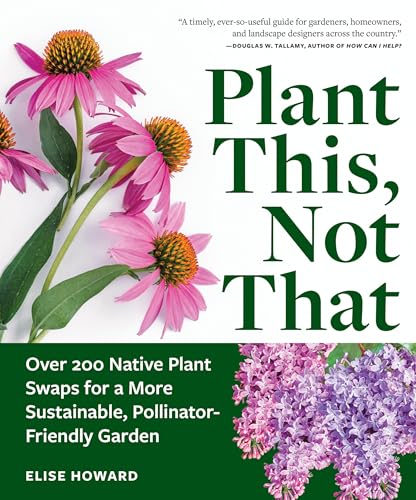
Plant This, Not That: Over 200 Native Plant Swaps for a More Sustainable, Pollinator-Friendly Garden
As an affiliate, we earn on qualifying purchases.
As an affiliate, we earn on qualifying purchases.