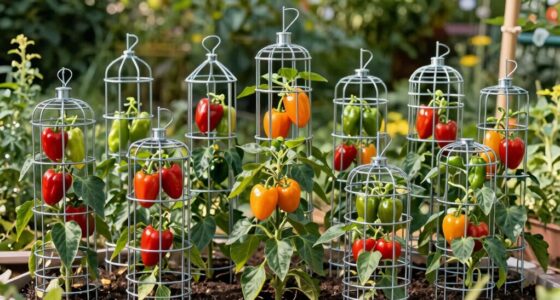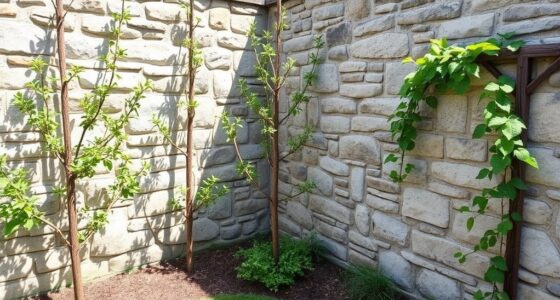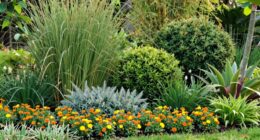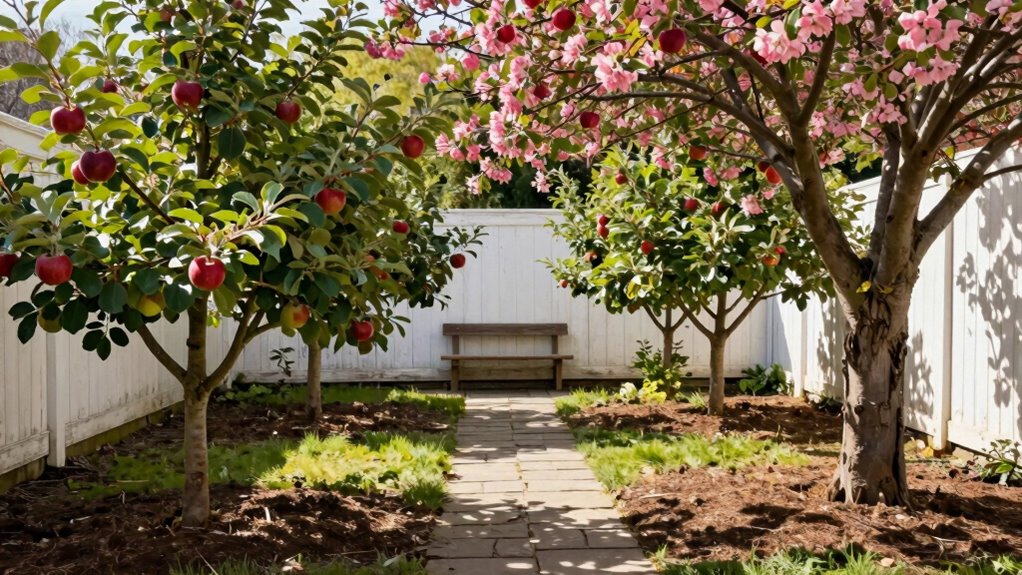

To keep access simple in a small-space orchard, organize your layout for easy movement and maintenance. Use vertical elements like trellises and wall-mounted planters to maximize space without clutter. Position taller plants at the back or along the edges for a layered, accessible design. Keep pathways clear so you can move freely and tend to your plants easily. If you want to discover more tips, there’s plenty to explore for creating a functional, thriving orchard in limited space.
Listen free for 30 days with Audible
Thousands of audiobooks and originals — cancel anytime.
As an affiliate, we earn on qualifying purchases.
Key Takeaways
- Design clear, unobstructed pathways for easy access and maintenance throughout the orchard.
- Use vertical gardening and layered planting to maximize space without sacrificing accessibility.
- Place tools and supplies nearby to streamline orchard management tasks.
- Position taller trees at the back or edges to avoid blocking pathways.
- Incorporate raised beds or containers for simplified soil management and easier harvesting.
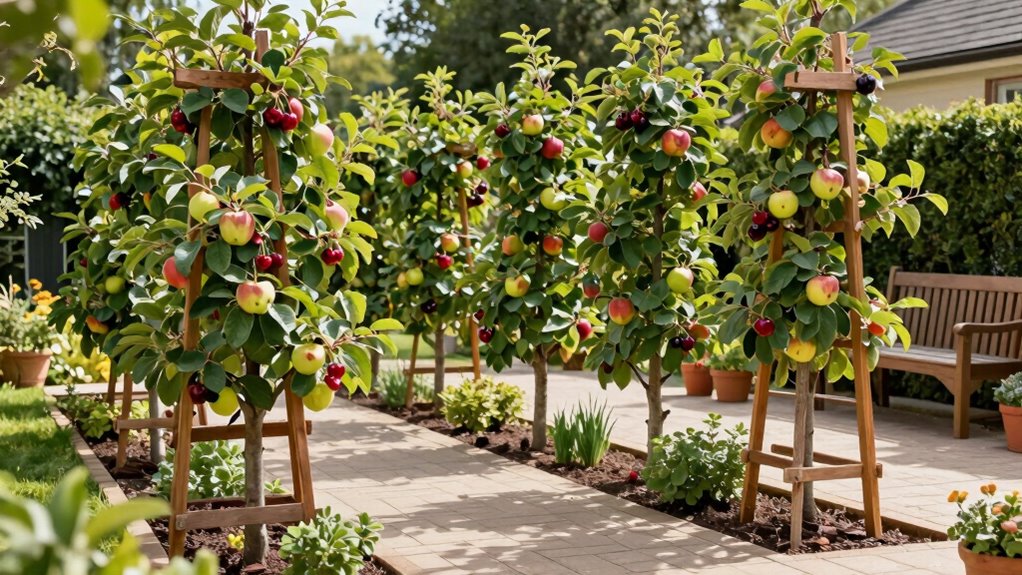
Even if you have limited space, you can still enjoy fresh, homegrown fruit by creating a small-space orchard. The key is to plan carefully, making the most of every inch while guaranteeing access remains simple. Urban planning plays a pivotal role here; you want to organize your plantings so that they’re both productive and accessible. Think vertically by using trellises or wall-mounted planters for climbing fruit plants like grapes or kiwis. This approach maximizes space and keeps pathways clear, making maintenance easier. When designing your orchard, consider placing taller trees at the back or along the edges, creating a layered effect that doesn’t block access to smaller plants. This strategic layout keeps your space organized, reduces clutter, and allows you to reach every tree or bush without unnecessary effort. Incorporating urban planning principles into your layout can help optimize your small-space orchard further. Pest management is another essential aspect. Since your orchard is compact, pests can quickly become a problem if not addressed early. Practice integrated pest management (IPM) by regularly inspecting your plants for signs of pests or disease. Use natural deterrents like neem oil or introduce beneficial insects such as ladybugs to keep pest populations in check. Keeping your orchard clean and removing fallen fruit or diseased leaves reduces breeding grounds for pests, which is especially important in small spaces where infestations can spread rapidly. Additionally, maintaining good air circulation around your plants is crucial for preventing fungal issues and making pest management more effective. Proper plant selection can further enhance your orchard’s resilience by choosing disease-resistant varieties suited to your climate. Selecting plants with compatible growth habits can also improve overall garden health and reduce the need for intensive interventions. To further support your efforts, consider companion planting strategies that naturally deter pests and improve plant health. By maintaining a vigilant, proactive approach, you minimize the need for chemical interventions and keep your fruit healthy. Creating a small-space orchard that’s easy to access isn’t just about the layout; it’s about understanding your environment and working with it. Urban planning principles help you design a system that maximizes yield while minimizing effort. Incorporate raised beds or containers to simplify watering and soil management, and position your tools and supplies nearby for quick access. This organization saves you time and keeps your space tidy. Pest management strategies should be integrated into your routine, not an afterthought, so you catch problems early and keep your fruit safe. By combining thoughtful planning with ongoing pest control, you enjoy fresh, delicious fruit with minimal fuss. Your small space can become a thriving, manageable orchard that provides the satisfaction of homegrown produce while remaining easy to access and maintain.
small space fruit tree planter boxes
As an affiliate, we earn on qualifying purchases.
As an affiliate, we earn on qualifying purchases.
Frequently Asked Questions
What Are the Best Fruit Varieties for Small Orchards?
You should choose compact fruit varieties like dwarf apples, cherries, or citrus for small orchards. These trees fit well within limited space and are easier to manage. To maximize your space, incorporate companion planting to deter pests and improve soil health. Keep in mind proper fruit tree spacing to guarantee healthy growth and fruit development. This approach simplifies access and maintenance, making your small orchard productive and enjoyable.
How Do I Protect My Orchard From Pests Naturally?
You can protect your orchard naturally by encouraging beneficial insects like ladybugs and lacewings, which prey on pests. Apply compost regularly to boost soil health, making your trees more resilient. Avoid chemical pesticides, and instead, plant diverse flowers nearby to attract helpful insects. Keep the orchard clean, removing fallen fruit, and use natural barriers if needed. These methods create a balanced ecosystem that ward off pests without harmful chemicals.
What Soil Amendments Enhance Fruit Tree Growth?
To enhance your fruit tree growth, you should regularly apply compost to enrich the soil with nutrients and improve its structure. Additionally, monitor your soil pH and adjust it as needed to match the specific fruit tree requirements, ensuring the best nutrient uptake. These amendments boost healthy root development and fruit production, making your orchard more productive and resilient. Consistent care with compost and pH adjustments promotes thriving, fruitful trees.
How Often Should I Prune Small Orchard Trees?
You should prune small orchard trees annually or as needed, balancing growth and fruit production. While pruning, consider companion planting to promote health and pest control. Water management is essential; prune to improve airflow and reduce disease risk, especially during dry spells. Juxtapose careful pruning with attentive watering, and you’ll foster resilient trees that flourish in limited space, making maintenance easier and yields more abundant.
Can Small Orchards Be Self-Sustaining?
Yes, small orchards can be self-sustaining if you practice urban planting and incorporate companion planting. By choosing the right fruit trees suited for your space and planting beneficial companions, you encourage natural pest control and soil health. Regularly prune and mulch these trees, and you’ll reduce the need for external inputs. This approach creates a balanced ecosystem, allowing your orchard to thrive with minimal intervention.
vertical gardening trellises for fruit
As an affiliate, we earn on qualifying purchases.
As an affiliate, we earn on qualifying purchases.
Conclusion
By embracing this small-space orchard idea, you’ll transform even the tiniest yard into a lush, fruitful paradise. With clever planning and a little effort, you’ll have a harvest that rivals the bounty of a sprawling farm — all in your cozy corner. Keep it simple, stay consistent, and watch your garden flourish like a miracle. Before long, you’ll be savoring fresh fruits daily, proving that greatness truly comes in small packages!
raised garden beds for small yards
As an affiliate, we earn on qualifying purchases.
As an affiliate, we earn on qualifying purchases.
beneficial insects for pest control
As an affiliate, we earn on qualifying purchases.
As an affiliate, we earn on qualifying purchases.
Fall yard work Picks
leaf blowers
As an affiliate, we earn on qualifying purchases.