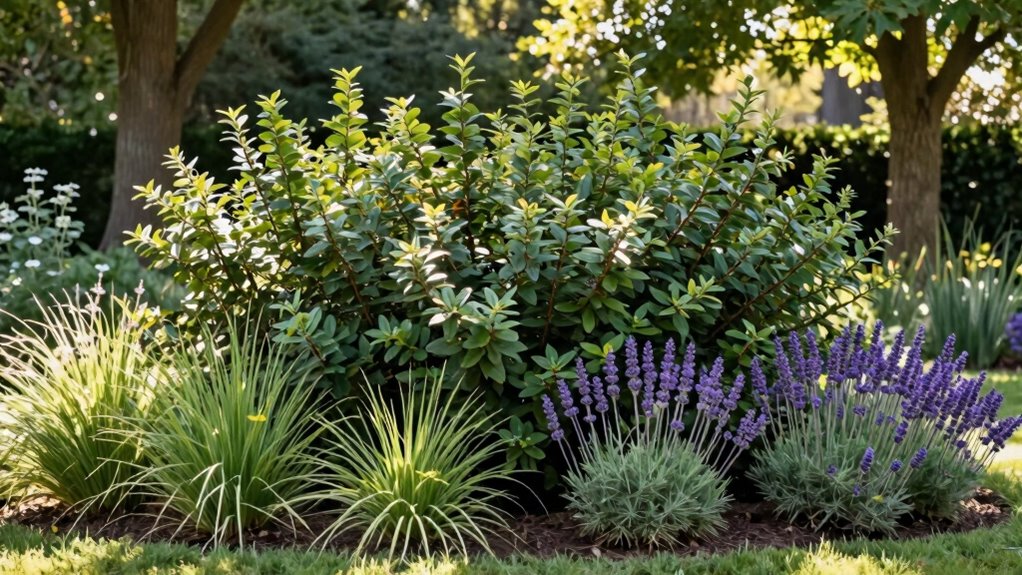
To design deer-resistant edges with style, combine native plants that naturally deter deer, like purple coneflowers or ornamental grasses, with attractive fencing such as bamboo or decorative wire at least 8 feet high. Plant aromatic or prickly species along borders to add visual interest while keeping deer away. Use natural materials and layered planting to create an appealing, layered landscape that’s both functional and beautiful. If you want to discover more ideas, keep exploring how to balance aesthetics and deer resistance effectively.

Get garden gear delivered free — and shop member deals
- Fast, free delivery on millions of items
- Access to Prime Big Deal Days deals on October 6–7
- Prime Video, Amazon Music and more included
Key Takeaways
- Incorporate native, deer-resistant plants like purple coneflowers and black-eyed Susans along garden edges for natural charm.
- Use decorative fencing, such as bamboo or wire, at least 8 feet tall, blending seamlessly with native plantings.
- Place aromatic or prickly plants like lavender or sage near borders to add style and deter deer.
- Create layered defenses by combining dense native plantings with fencing for an aesthetically pleasing, deer-resistant edge.
- Choose native plants that provide visual interest and natural deer resistance, maintaining garden beauty while protecting your space.
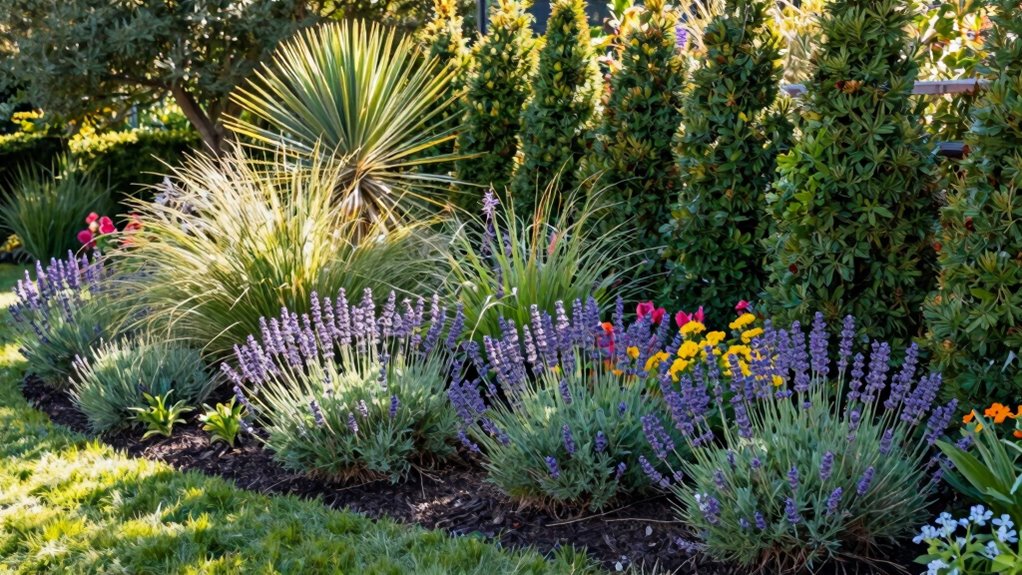
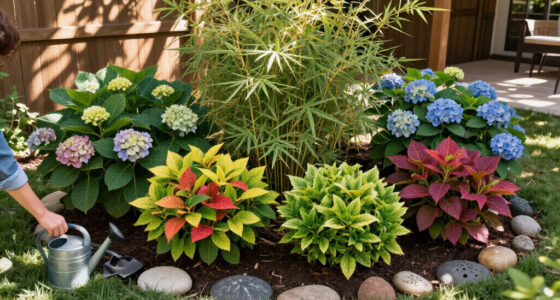
Are deer turning your garden into their personal buffet? If so, you’re probably feeling frustrated and enthusiastic to find a solution that keeps them out without sacrificing your garden’s beauty. Designing deer-resistant edges doesn’t mean you have to settle for plain or uninspired landscapes. Instead, you can create a stylish, welcoming environment that naturally deters deer. The key is to incorporate native plantings and smart fencing solutions that blend seamlessly into your landscape. Native plants are a great starting point because they’re naturally less appealing to deer. These plants are adapted to your region’s climate and soil, making them hardy and low-maintenance. Many native species have evolved defenses against local wildlife, so they tend to be less attractive to deer, especially when used as edging plants along garden borders. Think about using species like purple coneflowers, black-eyed Susans, or ornamental grasses that provide visual interest without inviting unwanted visitors. Pair these with strategic fencing solutions that don’t compromise your garden’s aesthetic. Modern fencing options, such as decorative wire or natural materials like bamboo, can serve as effective barriers without looking utilitarian. You can also opt for fencing that’s hidden behind dense native plantings, creating a layered effect that’s both functional and attractive. When installing fencing, make sure it’s at least 8 feet tall if you’re dealing with particularly persistent deer, and consider burying a few inches underground to prevent them from digging underneath. But don’t forget, fencing alone isn’t always enough. Combining it with native plantings enhances the overall resistance. For example, placing prickly or aromatic plants near the edges can discourage deer from approaching. Incorporate plants with strong scents, such as lavender or sage, which deer tend to avoid. Additionally, understanding the biodiversity of your region can help you select more effective native species suited for deer resistance. Including a diverse array of native plants can create a more robust barrier that deer find less appealing. To maximize your efforts, consider incorporating native plantings that are specifically known for their deer-resistant qualities. When planning your landscape, researching the specific deer-resistant traits of local native plants can greatly improve your success. Keep in mind that a mix of dense native plantings and fencing solutions offers a layered defense, making your garden less inviting and more resistant to deer intrusion. This approach preserves your landscape’s style, blending natural beauty with practical deterrents. Incorporating native plant diversity can further enhance the effectiveness of your deer resistance strategy. The goal is to create a garden that’s both visually appealing and deer-proof, so you can enjoy your outdoor space without constant worry. By thoughtfully choosing native plantings and integrating fencing solutions that complement your design, you turn your garden into a resilient, stylish haven. No longer do you need to compromise aesthetics for protection—your garden can be both beautiful and deer-resistant.
deer resistant native plants for garden edges
As an affiliate, we earn on qualifying purchases.
As an affiliate, we earn on qualifying purchases.
Frequently Asked Questions
Are There Native Plants That Deter Deer Naturally?
Yes, there are native plants that naturally deter deer, fitting well into your deer deterrent strategies. Plants like lavender, sage, and yarrow emit strong scents or textures that deer avoid, offering both functional and aesthetic benefits. Using native plants not only enhances your landscape’s beauty but also supports local ecosystems. Incorporate these into your garden edges to create a stylish, deer-resistant barrier that benefits your yard and the environment.
How Do Deer-Resistant Plants Affect Local Biodiversity?
Deer-resistant plants can positively influence local biodiversity by encouraging diverse plant choices, which in turn supports various wildlife. When you select plants that deer avoid, you help shape deer behavior, reducing overgrazing. This promotes plant diversity, which sustains a wider range of insects, birds, and other creatures. By fostering a balanced ecosystem, you create a resilient landscape that benefits both deer behavior and biodiversity, ensuring your garden thrives naturally and sustainably.
Can Deer Be Trained to Avoid Specific Garden Areas?
You can’t fully train deer to avoid specific garden areas because their behavior is instinctual. However, you can use training methods like placing deterrents or visual barriers to influence their movement. Deer tend to learn from repeated exposure to scare tactics, but their natural curiosity means they might eventually ignore them. To effectively protect your garden, combine these methods with deer-resistant plants and strategic garden design.
What Maintenance Is Required for Deer-Proof Garden Edges?
You need to regularly check and maintain your garden fencing to guarantee it remains effective against deer. Keep the fencing in good repair, clear away any debris, and ensure gates close tightly. Use motion deterrents like sprinklers or noise makers to enhance protection. Periodically adjust or reposition these deterrents to prevent deer from becoming accustomed. Consistent upkeep of your deer-proof edges helps keep your garden safe without compromising style.
Do Deer-Resistant Plants Attract Other Pests or Animals?
Deer-resistant plants generally don’t attract many pests or animals, but you might notice some insects or small critters drawn to certain foliage. As deer behavior varies, they tend to avoid plants with strong scents or bitter tastes, which often repel pests too. However, keep an eye on your garden’s ecosystem—sometimes, pest attraction can unexpectedly follow, especially if the plants create a cozy habitat or if the local environment changes.
decorative fencing for deer prevention
As an affiliate, we earn on qualifying purchases.
As an affiliate, we earn on qualifying purchases.
Conclusion
By choosing deer-resistant plants and thoughtful design, you can create edges that are both stylish and secure. Remember, a well-planned landscape keeps the deer at bay and your garden looking fabulous. Don’t put all your eggs in one basket—mix up your plant choices for a resilient, attractive border. With patience and smart planning, you’ll have a garden that’s a feast for the eyes, not for the deer. Stay the course and enjoy your deer-resistant paradise!
bamboo garden fencing 8 feet high
As an affiliate, we earn on qualifying purchases.
As an affiliate, we earn on qualifying purchases.
aromatic prickly plants for garden border
As an affiliate, we earn on qualifying purchases.
As an affiliate, we earn on qualifying purchases.
Fall yard work Picks
leaf blowers
As an affiliate, we earn on qualifying purchases.