TL;DR
This article identifies seven plant varieties that are highly resistant to fire and heat, making them suitable for fire-smart landscaping. These plants can help reduce fire risk while maintaining aesthetic appeal.
Seven plant varieties known for their high resistance to fire and heat have been identified as effective options for fire-smart landscaping in challenging yards, according to recent expert sources. These plants can help reduce fire spread risk while maintaining garden beauty, making them valuable for homeowners in fire-prone regions.
Experts from Homes & Gardens and fire ecology specialists have highlighted seven plants that are particularly suitable for fire-prone landscapes due to their fire-resistant properties. These include rock soapwort, white sage, and snow-in-summer, among others. Each plant is characterized by features such as high water content, low flammability, or natural fire-retardant properties, which can help slow or prevent fire spread.
Rock soapwort (Saponaria ocymoides) is a low-growing, drought-tolerant groundcover with semi-evergreen leaves and summer blooms, capable of forming a compact mat that resists ignition. White sage (Salvia apiana) is a native, drought-tolerant shrub with silvery-white foliage and high leaf water content, making it less likely to ignite. Snow-in-summer (Cerastium tomentosum) is a drought-tolerant groundcover with silvery-gray foliage and white flowers, thriving in hot, dry conditions and capable of suppressing fire spread.
Why It Matters
Choosing fire-resistant plants is a critical component of fire-smart landscaping, especially in wildfire-prone areas. These plants can act as natural barriers, reduce fuel for fires, and help protect property and lives. Incorporating such species into yard design can significantly mitigate fire risks while supporting local ecosystems and water conservation efforts.

Firescaping: Protecting Your Home with a Fire-Resistant Landscape
As an affiliate, we earn on qualifying purchases.
As an affiliate, we earn on qualifying purchases.
Background
Wildfire risk has increased in recent years due to climate change and expanding urban-wildland interfaces. Experts emphasize that plant selection, proper spacing, and debris management are essential components of defensible landscapes. Native plants, which are adapted to local conditions, often require less water and maintenance, making them ideal choices for fire mitigation.
Previous studies and expert advice have focused on fire-resistant landscaping, but recent emphasis on specific plant varieties highlights the importance of selecting species with inherent fire-retardant properties to improve safety.
“Healthy plants with high water content are less likely to ignite, and native species often require less water, reducing maintenance and fire risk.”
— Adrienne Edwards, plant ecologist and garden designer
“Plants like white sage and snow-in-summer can act as natural fire barriers due to their high water content and low flammability.”
— Rachel Schleiger, restoration ecologist
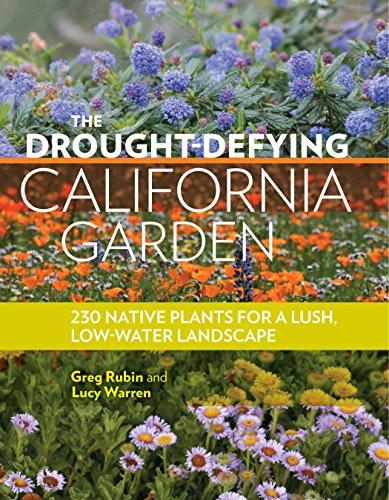
The Drought-Defying California Garden: 230 Native Plants for a Lush, Low-Water Landscape
As an affiliate, we earn on qualifying purchases.
As an affiliate, we earn on qualifying purchases.
What Remains Unclear
While these plants are recognized for their fire-resistant properties, the extent of their effectiveness in preventing fire spread in all conditions remains unconfirmed. Factors such as plant health, maintenance, and local climate influence their performance, and further empirical studies are needed to quantify their protective benefits.

Outsidepride Deltoides Arctic Fire Dianthus Seeds for Planting – 1000 Pcs Easy to Grow Hardy Perennial Flower Seeds with Colorful & Fragrant Blooms for Mixed Plantings, Containers & Pollinator Gardens
VIBRANT FLOWER DISPLAY: Our Deltoides Arctic Fire Dianthus flowers grow up to 6-8 inches, making it a great…
As an affiliate, we earn on qualifying purchases.
As an affiliate, we earn on qualifying purchases.
What’s Next
Researchers and landscape designers are expected to conduct further field studies to evaluate the real-world fire mitigation effectiveness of these plants. Homeowners and landscapers are encouraged to incorporate these species into fire-smart plans and stay updated on new developments in fire-resistant landscaping techniques.
The Drought-Defying California Garden: 230 Native Plants for a Lush, Low-Water Landscape
As an affiliate, we earn on qualifying purchases.
As an affiliate, we earn on qualifying purchases.
Key Questions
Are these plants completely fireproof?
No, no plant is entirely fireproof. These species are considered fire-resistant due to their properties that slow or prevent fire spread, but they can still burn under extreme conditions.
How should I incorporate these plants into my yard?
Plant them in strategic locations, maintain proper spacing, and remove dead debris regularly to maximize their fire-resistant benefits. Consult local fire safety guidelines for specific landscape design advice.
Do these plants require special care?
Most of these plants are drought-tolerant and native, requiring minimal watering once established. Proper maintenance, including pruning and debris removal, enhances their fire-resistant qualities.
Can these plants attract wildlife?
Yes, many, like white sage and snow-in-summer, attract pollinators such as bees and butterflies, providing ecological benefits alongside fire safety.
Source: Homes & Gardens