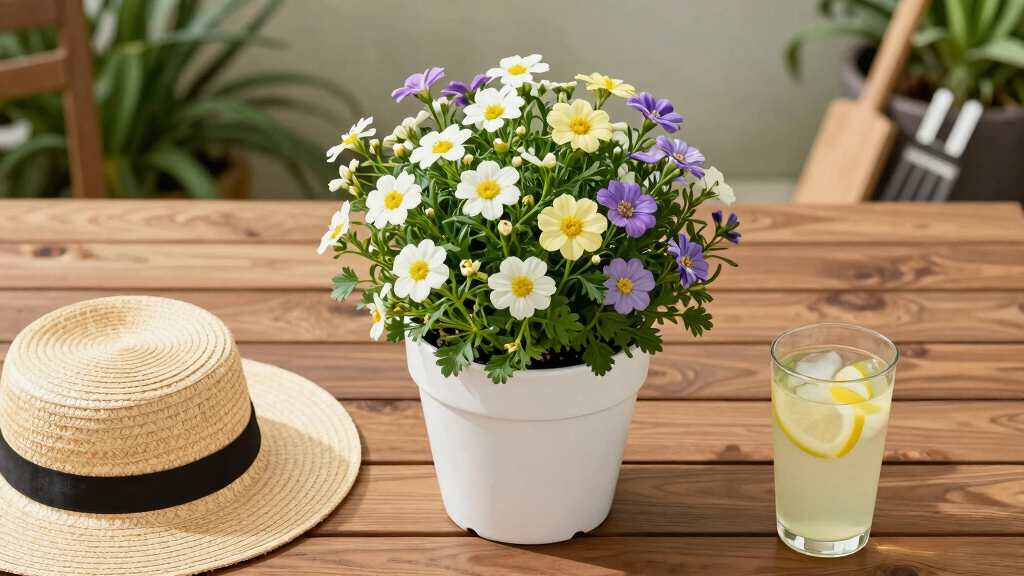
Finding the best summer blooming flowers means balancing vibrant color, bloom longevity, and ease of growth. The Peach Drift Rose stands out as the top overall choice for its stunning appearance and resilience. For those seeking drought-tolerant options, Lantana Camara offers fragrant, colorful blooms with minimal maintenance. Meanwhile, the Wildflower Mixes provide a natural, butterfly-attracting display perfect for wild gardens or meadows. All options involve tradeoffs between size, care needs, and bloom duration. Continue reading for a detailed comparison to help you pick the best flowers for your summer garden.
Complete the kit


Key Takeaways
- The top picks balance vibrant color, bloom duration, and ease of care for diverse garden needs.
- Wildflower mixes excel for natural, butterfly-friendly landscapes, but may require more space and management.
- Perennials like hydrangeas and daylilies provide long-lasting blooms with less replanting effort compared to annuals.
- Drought-tolerant options such as lantana and certain hibiscuses are ideal for water-conscious gardeners.
- Choosing the right flower depends heavily on your climate, soil, and how much maintenance you’re willing to do.


More Details on Our Top Picks
Peach Drift 1 Gallon Rose Plant
The Peach Drift Rose stands out as an ideal choice for those seeking a long-lasting, low-maintenance summer flower. Its impressive bloom span of 8-9 months surpasses many annuals and shrubs, making it perfect for continuous color. Compared with the Mixed Lisianthus Seeds, which offer vibrant blooms but require more care and deadheading, the Peach Drift provides effortless beauty with minimal effort, especially since it is drought-tolerant and winter hardy. Its groundcover form prevents the need for staking or frequent pruning. However, its need for full sun and spacing considerations might be a drawback for shaded or smaller garden spaces. This rose is best suited for homeowners wanting reliable, low-maintenance, vibrant color without frequent replanting.
Pros:- Long blooming period of 8-9 months
- Drought-tolerant and winter hardy
- Easy to maintain year-round
Cons:- Requires planting about 3 feet apart for healthy growth
- Needs full sun for optimal flowering
Best for: Gardeners seeking a hardy, low-maintenance groundcover flower with prolonged blooming in full sun.
Not ideal for: Shade-dwellers or those with limited space who can’t provide the recommended planting distance or full sun exposure.
- Mature Height:1-2 ft
- Mature Width:2-3 ft
- Blooming Months:8-9 months
- Plant Type:Groundcover Rose
- Sunlight:Full sun
- Hardiness:Drought-tolerant and winter hardy
Our verdict“This pick makes the most sense for gardeners who want vibrant, low-effort color that lasts nearly the whole year.”
Paraplu® Violet – Rose of Sharon – Hibiscus – 4″ Pot – Proven Winners
The Paraplu® Violet Hibiscus offers stunning, large purple blossoms that add a splash of color to gardens and patios. Its tall growth height of 6-10 feet makes it stand out among smaller options like the Peach Drift Rose, which is more suited for groundcover effects. While its vibrant blooms in full sun create a dramatic display, the plant’s height requires staking or pruning to manage its form, unlike the compact rose. Its need for full sun and space makes it less ideal for shaded or small garden beds. This hibiscus is best for those wanting bold, summer impact and ample outdoor space, especially for large containers or garden borders.
Pros:- Vibrant violet flowers create striking visual impact
- Suitable for outdoor garden and patio use
- Full sun exposure promotes abundant blooming
Cons:- Grows quite tall, requiring staking or pruning
- Needs full sun for best performance
Best for: Gardeners with large outdoor spaces who want show-stopping summer flowers with height and drama.
Not ideal for: Small garden beds or shaded areas where the tall, sun-loving hibiscus would struggle to thrive or be properly supported.
- Plant Type:Hibiscus
- Color:Violet/Purple
- Blooming Season:Summer
- Mature Height:6-10 feet
- Pot Size:4 inches
Our verdict“Ideal for those seeking tall, bold summer blooms in spacious, sunny gardens or patios.”
Butterfly and Hummingbird Wildflower Mix – 30,000+ Non-GMO Seeds, 1 oz
This wildflower mix is designed to draw butterflies and hummingbirds, making it ideal for wildflower gardens or naturalized landscapes. The large seed count (over 30,000) offers extensive coverage, surpassing small seed packets like the Mixed Lisianthus Seeds. While it’s easy to grow and adaptable, it demands full sun and average soil, and may need re-seeding for continuous blooms, which is a tradeoff for its low-maintenance appeal. Unlike cultivated flowers that bloom for weeks, wildflowers tend to have shorter individual bloom periods, but they guarantee a broad, natural display that attracts pollinators throughout summer to frost. This mix is perfect for gardeners wanting to support local ecosystems or create a natural, colorful meadow.
Pros:- Attracts butterflies and hummingbirds with nectar-rich flowers
- Large seed quantity for wide coverage
- Easy to grow in most climates and conditions
Cons:- Requires full sun and average soil for best results
- May need re-seeding for continuous flowering
Best for: Pollinator lovers and gardeners wanting a natural, wildlife-friendly summer display.
Not ideal for: Those seeking long-lasting, uniform flower beds or low-maintenance, precisely controlled blooms.
- Seeds Count:30,000+
- Weight:1 oz
- GMO Status:Non-GMO
- Bloom Season:Summer to frost
- Packaging:Resealable foil-lined pouch
Our verdict“Best suited for natural gardens or wildlife habitats aiming to support pollinators and create a vibrant summer landscape.”
Hibiscus Seeds Mixed Colors for Planting – Hardy Perennial Flowers
The Hibiscus Seeds Mixed Colors produce large, vividly colored flowers in shades of pink, red, white, and purple, making them a favorite for vibrant summer displays. Compared with the Peach Drift Rose, which offers groundcover style and lower height, these perennials grow 3-6 feet tall and bloom from midsummer through fall, providing a longer season of visual impact. Their tolerance for moist, heavy soils and ability to return annually adds value for gardeners in zones 4-9, though individual flowers last only a day—requiring continuous planting or deadheading to maintain a colorful border. They are perfect for rain gardens or borders but less so for low-maintenance setups expecting long-lasting, individual blooms.
Pros:- Large, colorful, dinner-plate sized flowers
- Attracts pollinators like butterflies and hummingbirds
- Returns year after year with minimal care
Cons:- Flowers last only one day, needing continuous blooms
- Seeds require pre-treatment and patience to germinate
Best for: Gardeners in zones 4-9 seeking perennial, colorful blooms that attract pollinators and thrive in wet soils.
Not ideal for: Gardeners in colder zones needing winter protection or those seeking long-lasting individual flowers without replanting.
- Flower Size:8-10 inches
- Plant Height:3-6 feet
- Zones:4-9
- Soil Preference:Moist, fertile, well-drained
- Light Requirement:Full sun
- Blooming Season:Midsummer through fall
Our verdict“This hardy perennial hibiscus is ideal for adding bold color and pollinator appeal to moist, sunny gardens with seasonal upkeep.”
Mixed Lisianthus Seeds for Planting – 999+ Non-GMO Heirloom Seeds with Double Blooms
The Lisianthus Seeds offer an abundance of over 999 heirloom seeds that produce exquisite, rose-like double blooms in white, pink, purple, and blue. Compared to the Peach Drift Rose, which is more shrub-like and groundcover, Lisianthus provides a compact, bushy plant that blooms from summer through early fall, perfect for cut flower arrangements or container gardens. While requiring deadheading and careful care for continuous flowering, the result is a highly versatile flower resistant to deer and attracting pollinators. The high seed quantity makes it an excellent value, but it demands patience and proper care, especially in less favorable weather. It’s ideal for floral enthusiasts or gardeners with space for containers and floral displays.
Pros:- High seed quantity for great value
- Beautiful, rose-like double blooms in diverse colors
- Resistant to deer and attracts pollinators
Cons:- Requires deadheading and care for continuous flowering
- Dependent on favorable weather for best blooms
Best for: Flower arrangers and gardeners wanting a prolific, elegant, long-lasting cut flower with multiple color options.
Not ideal for: Beginners or those seeking low-maintenance, continuous blooms without deadheading or specific care requirements.
- Quantity:999+ seeds
- Plant Type:Perennial
- Bloom Size:2-3 inches
- Height:12-24 inches
- GMO Status:Non-GMO
- Bloom Season:Summer to early fall
Our verdict“This versatile and abundant perennial is perfect for floral arrangements and adds elegance to garden borders, especially for dedicated flower growers.”
Burpee Fast Blooming Wildflower Seed Mix – 25,000 Non-GMO Seeds for Home Garden, Contains 14 Flower Varieties
This wildflower seed mix stands out for its incredible diversity, offering 14 varieties that bloom from spring to fall, making it ideal for creating a vibrant, pollinator-friendly landscape. Compared with the Burpee Wildflower 25,000 Bulk Seed Mix, this mix covers a larger area—up to 1,000 square feet—and is designed specifically for easy planting and early blooming. The inclusion of native North American species supports local bees and butterflies, adding ecological value. However, the germination rate is 35% higher than industry standards, which can still lead to variability depending on soil and planting conditions. This mix is perfect for gardeners seeking a quick, colorful transformation across a broad space, with the tradeoff being less control over individual flower types.
Pros:- Diverse range of 14 flower varieties
- Covers up to 1,000 sq ft for big projects
- Supports pollinator health with native species
- Easy to grow across most soil types
Cons:- Germination rate, though high, can vary with conditions
- Less control over specific flower types
- Requires time for full bloom from seed
Best for: Gardeners aiming to quickly establish a large, colorful wildflower meadow that attracts pollinators.
Not ideal for: Urban gardeners with limited space or those seeking specific flower varieties for containers, as the mix is best suited for expansive outdoor areas.
- Number of Seeds:25,000
- Coverage Area:up to 1,000 sq ft
- Flower Varieties:14
- Height:2-4 ft
- GMO Status:Non-GMO
Our verdict“This mix is ideal for those wanting a broad, natural wildflower display that supports local pollinators, accepting some variability in germination and growth.”
Frostproof Gardenia 2.5 Qt, White Blooms
This gardenia makes the list for its fragrant white blooms and compact size, perfect for adding a touch of elegance to smaller gardens or patios. Unlike the wildflower mixes, the Frostproof Gardenia is a shrub that blooms reliably in USDA zones 7-9, offering dependable winter protection compared to temperamental plants. Its growth up to 48 inches makes it suitable for containers or tight garden corners. The main tradeoff is its zone-specific requirement; gardeners outside zones 7-9 may need extra protection or should skip it. This pick is best for those who want a fragrant, mature-looking plant without extensive maintenance, but not for those seeking large flower displays or growing in colder regions.
Pros:- Fragrant white blooms
- Compact size fits small spaces
- Reliable in USDA zones 7-9
- Low maintenance for a flowering shrub
Cons:- Limited to specific USDA zones
- May need winter protection outside zones
- Flowering depends on proper sunlight
Best for: Homeowners in USDA zones 7-9 seeking a compact, fragrant shrub for borders or containers.
Not ideal for: Gardeners outside zones 7-9 or those wanting a large flowering plant for landscape focal points, as it requires specific climate conditions.
- Size:2.5 Qt
- Bloom Color:White
- USDA Zones:7-9
- Mature Size:48 inches
- Light Requirements:Sun to part shade
Our verdict“This gardenia is ideal for zone-appropriate gardeners wanting a fragrant, manageable shrub with dependable blooms.”
Proven Winners 2 Gal. Blue Chiffon Rose of Sharon (Hibiscus) Shrub
The Blue Chiffon Rose of Sharon stands out for its large, striking blue flowers that bloom from late summer to fall, providing a dramatic splash of color. Compared with smaller, more delicate flowering shrubs, this hibiscus grows up to 12 feet tall and wide, making it suitable for focal points or screening in large yards. Its vigorous growth and extended blooming season make it a favorite for gardeners seeking long-lasting color, but its size requires ample space and full sun for optimal performance. Deciduous by nature, it loses foliage in winter, which could be a drawback for those wanting year-round greenery. This shrub is best for those with spacious gardens who want a bold, vibrant display, understanding that it demands space and full sun.
Pros:- Vibrant, large blue flowers
- Blooms from late summer to fall
- Suitable for various soil types
- Long-lasting, dramatic color
Cons:- Requires substantial space
- Loses foliage in winter
- Needs full sun to thrive
Best for: Gardeners with large outdoor spaces wanting a heat-tolerant, long-blooming shrub with vibrant blue flowers.
Not ideal for: Small gardens or container plantings, as it requires significant space and full sun for best results.
- Botanical Name:Hibiscus syriacus
- Mature Size:48-72 inches W x 96-144 inches H
- USDA Zones:5-9
- Expected Height:96 inches
- Soil Types:Chalk, Clay, Loam, Peat, Sandy, Silt
Our verdict“This hibiscus is perfect for spacious gardens seeking a bold, colorful focal shrub with extended blooming periods, accepting its size and seasonal leaf loss.”
Home Grown Zinnia Dahlia Seeds Pack for 2026 – 524 Non-GMO Flower Seeds
This seed pack earns a spot for its vibrant, multi-colored blooms that appear quickly and last all summer, making it ideal for both novice gardeners and seasoned flower enthusiasts. Unlike the wildflower mixes, these Zinnia Dahlia seeds are known for their bright, double flowers that bloom within 8-10 weeks and can reach 24-36 inches in height. Their adaptability to containers and borders, plus their pollinator attraction, makes them a versatile choice. A key tradeoff is that they require full sun and well-drained soil, and taller varieties may need staking, which adds some maintenance. Nonetheless, they provide a reliable, colorful splash for summer landscapes and arrangements.
Pros:- Bright, multi-colored flowers
- Fast blooming within 8-10 weeks
- Suitable for borders and containers
- Attracts pollinators
Cons:- Needs full sun and well-drained soil
- May require staking for taller plants
- Limited blooming period in late summer
Best for: Gardeners seeking easy, colorful summer flowers for borders, containers, or cut flower projects, especially beginners.
Not ideal for: Gardens with limited sun exposure or those seeking year-round blooms, since they bloom mainly in summer.
- Number of Seeds:524
- Bloom Color:Red, pink, orange, white, lavender, purple, yellow, cherry red, scarlet, crimson, plum
- Germination Time:5-14 days
- Blooming Time:8-10 weeks
- Plant Height:24-36 inches
Our verdict“This seed pack is perfect for those wanting quick, vibrant summer blooms that are easy to grow and versatile for various garden settings.”
Burpee Wildflower 25,000 Bulk Seed Mix – 18 Varieties of Non-GMO Flower Seeds for Hummingbirds and Butterflies
This wildflower mix excels at attracting hummingbirds and butterflies, offering 18 varieties that bloom across spring, summer, and fall. It is similar to the Burpee Fast Blooming Wildflower Seed Mix but emphasizes attracting specific pollinators with a diverse selection of species that thrive in most soil types. While both mixes cover the same area, this one focuses more on continuous, wildlife-friendly blooms over an extended season, which can include some overlap with other pollinator mixes. The germination rate is 35% higher than industry standards, though results still depend on planting conditions. Ideal for gardeners who want a long-lasting, nectar-rich landscape, but it may require patience for full establishment and some ongoing maintenance.
Pros:- Attracts hummingbirds and butterflies
- Includes 18 diverse flower types
- Easy to sow in most soils
- Supports extended bloom seasons
Cons:- Germination rate can vary despite high standards
- Less control over specific flower types
- Coverage may fluctuate depending on planting conditions
Best for: Wildlife gardeners looking to sustain hummingbirds and butterflies with a diverse, multi-season flower mix.
Not ideal for: Those seeking a single, uniform flower display or a more controlled garden aesthetic, as wildflower mixes tend to be more natural and less curated.
- Seed Count:25,000 seeds
- Varieties:18
- Coverage Area:up to 1,000 sq ft
- GMO Status:Non-GMO
- Bloom Seasons:Spring, Summer, Fall
Our verdict“This wildflower mix is suited for those wanting a natural, wildlife-supporting landscape with continuous blooms, understanding it may require patience to mature.”
Live Daylily – Yellow Blooms, Perennial Flowering Plant, 12″ Tall in 2.5 Qt Pot
This daylily stands out for delivering vibrant yellow blooms that reliably return each season with minimal fuss. Compared with the Endless Summer Hydrangea, it offers simpler care and a more immediate splash of color, though its blooms last only a day, which limits long-lasting visual impact. Its compact size makes it perfect for small gardens or containers, and the multiple buds ensure consistent summer presence. However, its short-lived flowers mean you won’t get prolonged display from each bloom, so it’s best for those seeking quick, bright accents rather than extended flowering. Overall, this pick makes the most sense for gardeners who want dependable, cheerful blooms with minimal effort.
Pros:- Vibrant yellow blooms that return annually
- Easy to care for with minimal maintenance
- Produces multiple buds for continuous color
Cons:- Bloom lasts only one day per flower
- Requires full sun to partial shade
Best for: Gardeners seeking low-maintenance, perennial summer color in small spaces or containers
Not ideal for: Those wanting long-lasting blooms or high-impact display over multiple days from single flowers
- Height:12 inches
- Bloom Color:Yellow
- Pot Size:2.5 Qt
- Plant Type:Perennial
- Sunlight:Full sun to partial shade
Our verdict“Ideal for gardeners wanting quick, bright, and reliable summer accents with minimal upkeep.”
1000+ Zinnia Dahlia Seeds Flower Seeds for 2026 Planting, 0.35 Oz, 5 Varieties (Pink, Yellow, Orange, White, Purple), 10G Mixed Colors and Large Blooms, Open Pollinated – Bulk
This seed packet offers an incredible quantity of over 1,000 seeds in five lively colors, making it perfect for extensive planting. Unlike the Live Daylily, which offers reliable but brief blooms, zinnias provide a burst of color that lasts throughout the summer, attracting pollinators with their vibrant hues. They are especially suited for low-maintenance gardens, as they tolerate drought and heat well, and bloom in 60-75 days, offering quick results for eager gardeners. The main tradeoff is the longer wait time before flowers appear and variability in germination rates, meaning some patience is required for full impact. This makes it ideal for those wanting a large, colorful display without significant ongoing effort.
Pros:- Large quantity of seeds for extensive planting
- Vibrant mixed colors that attract pollinators
- Drought and heat tolerant, low-maintenance
Cons:- Requires 60-75 days to bloom
- Seeds may have variable germination rates
Best for: Beginners or budget-conscious gardeners seeking large, colorful summer displays and pollinator attraction
Not ideal for: Gardeners wanting immediate blooms or those with very limited planting seasons, as seeds take 2+ months to flower
- Quantity:1000+ seeds
- Varieties:5 (Pink, Yellow, Orange, White, Purple)
- Planting Time:Spring/Summer
- Bloom Time:60-75 days
- Pollination:Open pollinated
Our verdict“This bulk seed pack is perfect for creating a vibrant, pollinator-friendly garden on a budget, with patience for blooms.”
Endless Summer Hydrangea Original, 1 Gallon
The Endless Summer Hydrangea offers the appealing benefit of blooming repeatedly from spring through fall, unlike many traditional hydrangeas that bloom once or have limited reblooming. Its ability to flower on both old and new growth makes it a favorite for gardeners wanting continuous color without replanting. Compared to the Live Daylily, which provides quick bursts of color, it offers a more prolonged display, though it requires more careful placement in partial shade and regular watering to thrive. Its moderate size makes it versatile for landscape or container use. The main tradeoff is its need for specific growing conditions, particularly partial shade, which could limit placement options.
Pros:- Reblooming from spring to fall
- Suitable for containers and landscape planting
- Attracts pollinators
Cons:- Requires partial shade for best growth
- Moderate watering needs
Best for: Gardeners desiring a long-lasting, repeat-blooming shrub for partial shade gardens or containers
Not ideal for: Those seeking low-maintenance, sun-loving plants or quick, seasonal color
- Hardiness Zone:4-9
- Sunlight:Partial Shade
- Height:3-5 feet
- Color:Blue
- Expected Blooming Period:Spring to Fall
- Item Weight:5 Pounds
Our verdict“This hydrangea is ideal for those wanting a long, colorful display that blooms repeatedly through the season.”
280+ Lantana Camara Mixed Colors Seeds, Non-GMO, Fragrant Perennial Flower for Indoor and Outdoor Gardens
The Lantana Camara seeds produce vibrant, fragrant blooms that add both color and scent to gardens. Compared with the Live Daylily, which offers simple, reliable flowers, lantanas provide a multicolored display with the added benefit of fragrance, making them especially appealing for sensory gardens. Its drought and heat resistance make it an excellent choice for hot, dry climates, and it can be grown indoors or outdoors. The tradeoff is that the plant takes some time to fully develop and flower, and care is necessary to optimize growth. This variety is perfect for gardeners seeking resilient, colorful, and aromatic plants that thrive with minimal water once established.
Pros:- Vibrant, multicolored blooms
- Fragrant flowers enhance garden scent
- Drought and heat resistant
Cons:- Requires care for optimal growth
- Flowers may take time to fully develop
Best for: Gardeners in hot, dry regions wanting fragrant, colorful flowers with minimal water needs
Not ideal for: Those in cooler, wetter climates or seeking immediate full blooms
- Quantity:280+ seeds
- Plant Type:Perennial Flower
- Colors:Mixed
- Germination:Fast
- Resistance:Drought and Heat
- GMO:Non-GMO
Our verdict“A resilient, fragrant choice for gardeners seeking colorful blooms that withstand heat and drought conditions.”
Groundio Wildflower Seeds Mix – 25,000+ Seeds, 24 Varieties for Hummingbirds & Butterflies, 1 Oz
This wildflower seed mix offers an extensive variety of 24 species, covering a broad height range from 12 to 48 inches, making it ideal for attracting hummingbirds and butterflies. Unlike the Live Daylily or Zinnia Seeds, which focus on individual plant beauty, this mix supports garden ecosystems by encouraging pollinator visits and increasing biodiversity. The quick germination time of 5-10 days and large coverage area (194 sq ft) allow for rapid transformation of outdoor spaces. The main consideration is that it requires outdoor space and proper planting conditions; growth and flowering depend on soil and weather. This seed mix is best suited for those wanting to create a wild, natural-looking garden that benefits local pollinators.
Pros:- High germination rate ensures successful growth
- Attracts pollinators like butterflies and hummingbirds
- Large coverage area with many varieties
Cons:- Depends heavily on proper outdoor planting conditions
- Flowers may take several weeks to appear
Best for: Gardeners wanting to support local pollinators and create a natural wildflower meadow
Not ideal for: Those preferring a controlled garden environment with specific flower types or seeking immediate, uniform blooms
- Seed Count:25,000+ seeds
- Varieties:24
- Package Size:1 Oz
- Coverage:194 sq ft
- Germination Time:5-10 days
- Flowering Time:35-75 days
- Height:12-48 inches
Our verdict“Perfect for creating a biodiverse, pollinator-friendly landscape with vibrant, natural beauty.”
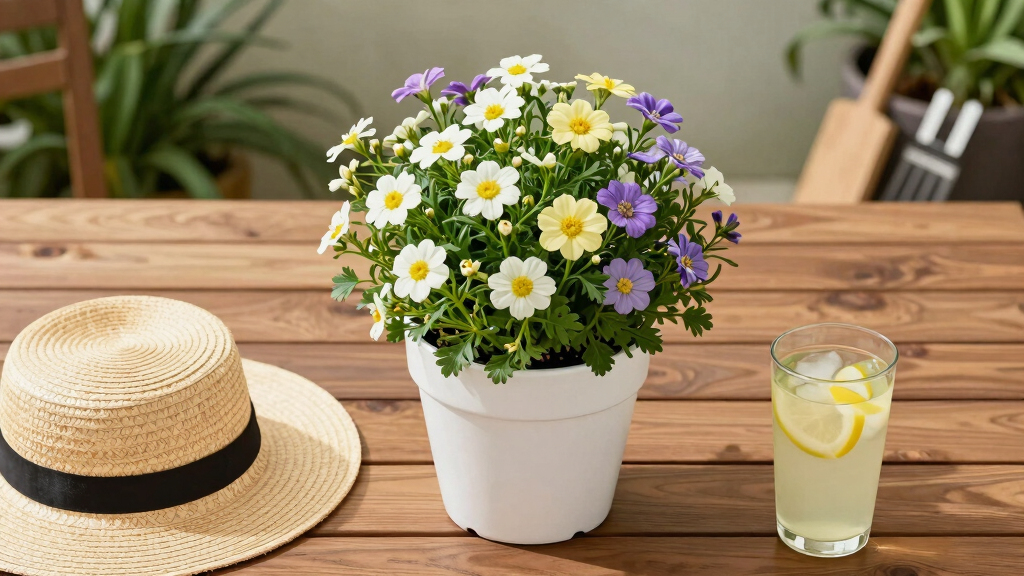
How We Picked
Our selection focused on flowers that bloom reliably through summer, offering vibrant and sustained color. We prioritized ease of growth, including resilience to common pests and diseases, to suit gardeners of all experience levels. We also considered bloom longevity and visual impact, favoring plants that provide striking displays over extended periods. Value was assessed based on cost per flower, seed quality, and growth requirements, ensuring options fit various budgets. Finally, we aimed for diversity in flower types, sizes, and planting methods to accommodate different garden styles and space constraints, resulting in a curated lineup of the best summer blooming flowers in 2026.
Factors to Consider When Choosing Best Summer Blooming Flowers
Choosing the best summer blooming flowers involves understanding your garden’s conditions and your personal goals. Factors like climate, soil type, sunlight, and water availability greatly influence which flowers will thrive. Budget considerations also play a role, as some plants require ongoing care or initial investments. Additionally, deciding between annuals or perennials can impact your planning and garden longevity. By weighing these factors carefully, you can select flowers that not only bloom beautifully but also fit seamlessly into your gardening routine.
Climate and Hardiness Zones
Matching flowers to your local climate is essential for success. Some varieties, like hibiscus or lantana, tolerate heat and drought well, making them ideal for warmer zones. Others, like certain hydrangeas or daylilies, prefer cooler or more moderate climates. Checking your USDA hardiness zone helps narrow down options and avoid plants that may struggle with extreme temperatures. Prioritizing climate-compatible flowers reduces maintenance and increases the chance of a lush, uninterrupted summer display.
Sunlight and Soil Conditions
Most summer flowers need ample sunlight for optimal blooming, typically at least 6 hours of direct sun daily. Shade-tolerant options are limited but include some varieties like certain ferns or shade-loving perennials. Soil quality also matters; well-draining, nutrient-rich soil supports healthier growth and longer-lasting blooms. Amending poor soil or choosing container gardening can expand your options. Understanding your garden’s light and soil conditions helps in selecting flowers that will flourish without requiring extensive modifications.
Maintenance and Care Needs
Some flowers demand regular watering, fertilizing, and deadheading to keep blooming at their peak, while others are more forgiving. For instance, wildflower mixes and drought-tolerant plants like lantana require minimal intervention, making them suitable for busy gardeners. Conversely, species like roses or hydrangeas may need pruning and pest control. Assess your willingness to perform ongoing maintenance, and choose accordingly. Investing in easier-care plants can result in a more enjoyable, less stressful gardening experience.
Bloom Duration and Visual Impact
Bloom longevity varies widely among summer flowers. Some, like zinnias, produce abundant flowers over several months, while others, such as certain roses or hydrangeas, bloom for shorter periods but with more dramatic impact. Mixing plants with staggered bloom times can extend visual interest throughout summer. Consider whether you prefer a continuous display or a few show-stopping blooms. Planning for seasonal succession ensures a vibrant garden from early summer through late August.
Budget and Plant Type
Seed-grown flowers like wildflower mixes or zinnias often provide the most cost-effective way to fill large areas, but they may require more planning and care. Potted plants or established shrubs tend to be pricier but offer instant impact and easier maintenance. Balancing budget with desired impact and effort helps in making the right choice. Remember, investing a bit more upfront in quality plants can pay off with healthier growth and longer-lasting blooms.
Frequently Asked Questions
Are summer blooming flowers suitable for container gardening?
Yes, many summer flowers such as zinnias, petunias, and hibiscus adapt well to containers. Container gardening allows greater control over soil, water, and sunlight, making it easier to create a thriving summer display even in limited space. Ensure containers have proper drainage and use high-quality potting mix to support healthy roots. Regular watering and fertilizing are key to maintaining vibrant blooms throughout the season. This approach is especially beneficial for gardeners with small yards or those wanting seasonal color without extensive planting commitments.
Which flowers are most drought-tolerant for summer gardens?
Flowers like lantana, some hibiscus varieties, and certain wildflower mixes are known for their drought resistance. These plants typically have deep root systems or adaptive features that allow them to withstand dry conditions with minimal watering. Choosing drought-tolerant flowers helps conserve water and reduces maintenance, especially in areas with limited rainfall or during dry spells. However, even drought-tolerant plants benefit from occasional watering during extreme heat to maintain their vibrant appearance.
Can I plant summer flowers in partial shade?
While most summer blooming flowers thrive in full sun, some varieties like certain hydrangeas and shade-loving perennials can perform well in partial shade. Keep in mind that reduced sunlight may lead to fewer or less intense blooms, so selecting plants suited for shaded conditions is essential. If your garden has mixed sun exposure, consider grouping sun-loving and shade-tolerant flowers separately. Proper placement ensures each plant receives the light it needs to produce vibrant, healthy blooms.
What is the best way to extend the blooming season of summer flowers?
To prolong summer blooms, regularly deadhead faded flowers to encourage new ones. Stagger planting times or select varieties with different bloom periods to create a continuous display. Providing consistent watering during dry spells and applying balanced fertilizer can boost flower production. Mulching helps retain moisture and regulate soil temperature, further supporting ongoing blooming. Combining these practices results in a garden that remains colorful and lively throughout the entire summer.
Are seed-grown flowers as reliable as nursery plants?
Seed-grown flowers can be very cost-effective and produce a wide variety of plants, but they often require more time and patience to reach full maturity. Nursery plants or potted specimens offer instant impact and usually have a higher initial success rate, especially for less experienced gardeners. Quality seeds from reputable sources tend to germinate reliably and grow into healthy plants, but factors like soil conditions and care routines influence results. Combining both methods can give you immediate color and a sustainable, long-term garden.
Conclusion
For those seeking instant impact and ease of care, established plants like the Endless Summer Hydrangea or Frostproof Gardenia are ideal. Budget-conscious gardeners will appreciate seed mixes such as Burpee Wildflower Mix for their value and natural appeal. Beginners will find the Peach Drift Rose or Live Daylily straightforward choices that grow reliably with minimal fuss. Gardeners focused on sustainability and low water use should consider drought-tolerant options like Lantana or Hibiscus Seeds. Ultimately, selecting the right flowers depends on your climate, garden style, and how much effort you’re willing to put into maintenance—this list has options to suit every gardener’s needs.