TL;DR

Get garden gear delivered free — and shop member deals
- Fast, free delivery on millions of items
- Access to Prime Big Deal Days deals on October 6–7
- Prime Video, Amazon Music and more included
Thames Water has introduced a hosepipe ban across several areas in southern England as a response to ongoing drought conditions. The measure aims to conserve water amid low reservoir levels and prolonged dry weather. The ban is currently in effect, but the duration and scope may change depending on weather conditions and reservoir recovery.
Thames Water has imposed a hosepipe ban across parts of southern England starting immediately, as a measure to conserve water amid ongoing drought conditions. The restriction affects millions of households and is the company’s response to critically low reservoir levels and prolonged dry weather, which threaten water supply sustainability.
Thames Water announced the hosepipe ban on April 15, 2026, covering areas including London, Surrey, Berkshire, and Hampshire. The ban prohibits activities such as watering gardens, filling pools, and using hoses for cleaning vehicles or outdoor cleaning. The company cited low reservoir levels and unseasonably dry weather as the primary reasons for the restriction, which is expected to last until conditions improve.
According to Thames Water, the reservoirs supplying London and surrounding areas have dropped below 50% capacity, prompting the immediate implementation of measures to reduce water consumption. The company has urged customers to adhere strictly to the ban and to use water sparingly to prevent further shortages.
Officials from Thames Water stated that the ban is a precautionary step and that further restrictions could be introduced if the drought persists or worsens. They also emphasized the importance of water conservation during this period, especially given the forecast for continued dry weather in the coming weeks.
Impacts on Daily Life and Water Resources
The hosepipe ban directly affects millions of residents and businesses in southern England, potentially altering daily routines and outdoor activities. It highlights the ongoing challenges posed by climate change and changing weather patterns, which are leading to more frequent and severe droughts. The measure underscores the importance of sustainable water management and conservation efforts to ensure long-term supply security.
Additionally, the ban serves as a warning sign for other regions facing similar conditions, emphasizing the need for proactive water resource planning and public awareness about conservation practices.
As an affiliate, we earn on qualifying purchases.
Recent Drought Conditions and Water Management Challenges
Over the past few months, southern England has experienced below-average rainfall, resulting in critically low reservoir levels. Thames Water reported that reservoir storage has fallen to levels not seen in over a decade, prompting the need for emergency measures. Historically, hosepipe bans are implemented during periods of drought, but climate models suggest such conditions may become more frequent and severe due to climate change.
Previous restrictions have been enacted in 2012 and 2018, but the current ban is among the most widespread in recent years, affecting urban and rural communities alike. Thames Water has also increased public messaging around water conservation and has urged customers to reduce outdoor water use voluntarily.
“This hosepipe ban is a necessary step to protect our water supplies during this unprecedented dry spell. We ask our customers to cooperate and use water wisely.”
— Sarah Bentley, Thames Water CEO
As an affiliate, we earn on qualifying purchases.
Duration and Future Restrictions Unclear
It is not yet clear how long the hosepipe ban will remain in place. Thames Water has indicated that restrictions will be reviewed regularly and could be lifted if reservoir levels improve or extended if dry conditions persist. The exact timeline depends on weather patterns and reservoir recovery, which remain uncertain.
As an affiliate, we earn on qualifying purchases.
Monitoring Weather and Reservoir Levels for Policy Adjustments
Thames Water will continue to monitor reservoir levels and weather forecasts to assess whether the ban can be eased or needs to be extended. The company has also announced plans to implement additional water-saving campaigns and infrastructure improvements aimed at increasing resilience against future droughts. Customers are advised to stay updated through official channels for any changes to restrictions.
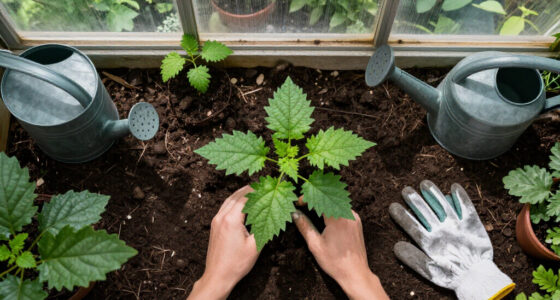
garden watering can with adjustable flow
As an affiliate, we earn on qualifying purchases.
As an affiliate, we earn on qualifying purchases.
Key Questions
Who is affected by the Thames Water hosepipe ban?
The ban affects residents and businesses in London, Surrey, Berkshire, Hampshire, and other parts of southern England served by Thames Water.
What activities are prohibited under the hosepipe ban?
Activities such as watering gardens, filling pools, cleaning vehicles, and outdoor cleaning with a hose are banned during the restriction period.
How long will the hosepipe ban last?
The duration is currently uncertain and will depend on weather conditions and reservoir recovery. Thames Water will review the situation regularly.
Can I still water my plants manually?
Yes, watering plants manually with a watering can or bucket is generally allowed, but restrictions on hose use specifically target outdoor hosepipe activities.
What can I do to help conserve water during this period?
Use water efficiently, avoid unnecessary outdoor water use, fix leaks, and follow official guidance to reduce overall consumption.
Source: google-trends
Fall yard work Picks
leaf blowers
As an affiliate, we earn on qualifying purchases.