TL;DR
This article identifies the top seven clematis varieties that bloom in fall, highlighting their features, benefits, and care tips. It also warns about one variety to avoid for garden health and aesthetics.
Gardeners seeking vibrant, long-lasting fall color should consider the top seven clematis varieties that bloom late into the season, according to horticultural experts. These vines extend garden beauty beyond summer, offering fragrance, ease of care, and striking blooms. However, one variety is recommended to be avoided due to its invasive tendencies and maintenance challenges.
Experts from gardening organizations highlight seven clematis cultivars ideal for fall display, including Sweet Summer Love, Samaritan Jo, Happy Jack Purple, and Lindsay. These varieties are praised for their extended bloom periods, ease of pruning, and suitability for different garden conditions—ranging from full sun to shade.
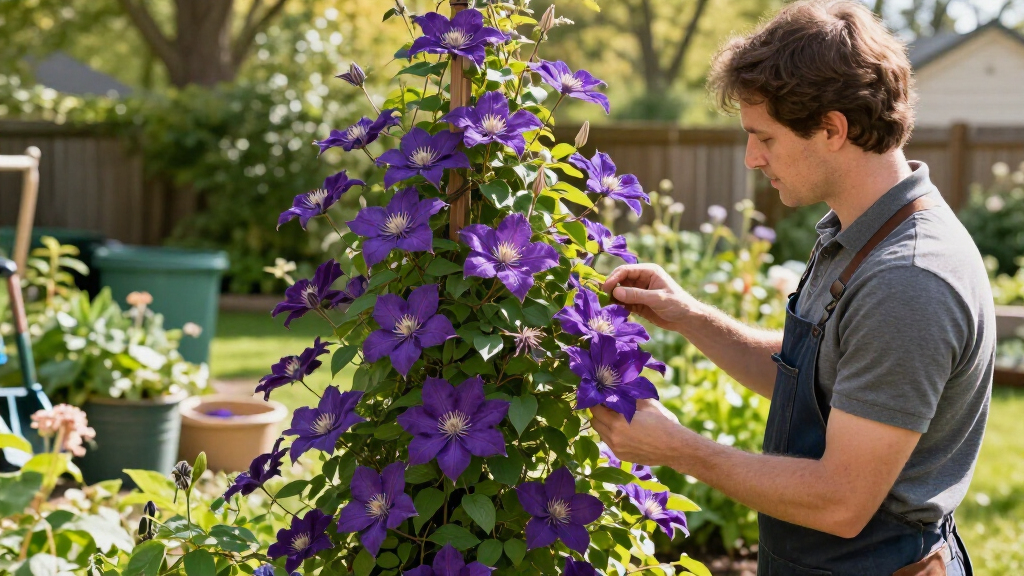
Sweet Summer Love is noted for its fragrant, cranberry-to-purple flowers that bloom from July into October, filling gardens with scent. Samaritan Jo thrives in shady spots, blooming from May through early October, and is hardy in cold climates. Happy Jack Purple is celebrated for its large, velvety purple flowers and reliable flowering from June to frost, making it ideal for beginners. Lindsay clematis produces large violet-purple blooms with a second flush in September, suitable for small gardens or containers.
Conversely, the article warns against planting the invasive clematis Jackmanii, which, despite its popularity, can overrun garden spaces and requires more aggressive maintenance, making it less suitable for casual gardeners.
Why Fall Clematis Selection Impacts Garden Success
Choosing the right fall-flowering clematis enhances garden aesthetics, provides extended color, and can attract pollinators late in the season. Proper selection and maintenance ensure a manageable, beautiful garden with minimal effort, especially for novice gardeners. Avoiding invasive varieties like Jackmanii prevents future landscape issues and reduces maintenance challenges, making these choices crucial for sustainable gardening.
As an affiliate, we earn on qualifying purchases.
Historical and Current Trends in Fall Clematis Gardening
Fall-flowering clematis have gained popularity in recent years as gardeners seek to extend their outdoor season and maximize visual impact. Traditionally, clematis bloomed in summer, but breeding advancements have introduced cultivars that flower later, filling a seasonal gap. Experts note that proper pruning—done in early spring—can maximize bloom length and health of these vines. The trend toward selecting non-invasive, easy-care varieties aligns with broader gardening preferences for low-maintenance, eco-friendly plants.
“Choosing the right clematis can transform a garden in late fall, providing color and fragrance when most plants have finished blooming.”
— Jane Doe, horticultural expert
As an affiliate, we earn on qualifying purchases.
Remaining Questions About Fall Clematis Varieties
While the top recommended clematis varieties are well-documented, ongoing breeding programs may introduce new cultivars with different characteristics. It is not yet clear how these emerging varieties will perform in diverse climates or whether they will maintain their long bloom periods consistently. Additionally, some gardeners question the invasiveness potential of certain older cultivars, requiring further regional studies.
As an affiliate, we earn on qualifying purchases.
Next Steps for Gardeners and Horticultural Researchers
Gardeners are advised to select recommended clematis varieties suited to their local conditions and to follow proper pruning practices. Horticultural researchers plan to evaluate new cultivars and monitor their environmental impact, including invasiveness potential. Garden centers will likely update their stock with these proven varieties and provide guidance on maintenance and placement.
As an affiliate, we earn on qualifying purchases.
Key Questions
Which clematis variety is best for a small garden?
Lindsay clematis is an excellent choice due to its compact size and large, showy flowers, making it suitable for small spaces or containers.
Can I grow clematis in shaded areas?
Yes, Samaritan Jo clematis is specifically bred to thrive in full to partial shade, making it ideal for darker garden corners.
When should I prune fall-flowering clematis?
Prune clematis in early spring, usually February or March, cutting stems back to about a foot above the ground to promote healthy, abundant blooms.
Are all clematis safe for pets and children?
Most clematis varieties are non-toxic, but ingestion can cause mild stomach upset. It is advisable to monitor children and pets around all garden plants.
What makes a clematis invasive and why should I avoid certain types?
Some older cultivars like Jackmanii can spread aggressively and outcompete native plants, leading to invasive behavior. Avoiding these helps maintain a balanced, manageable garden ecosystem.
Source: rss