
TL;DR
Search interest in repurposing old toilet paper rolls for gardening is rising. Experts highlight four practical methods to reuse these rolls, promoting sustainability and cost savings for gardeners.
Growing interest in sustainable gardening has led to a surge in the use of household waste, specifically old toilet paper rolls, for various gardening applications. Experts confirm that these rolls can be repurposed effectively, offering eco-friendly alternatives to commercial products and reducing waste.
Recent online searches and social media posts reveal a rising trend among gardeners and eco-conscious individuals to reuse old toilet paper rolls in their gardening routines. According to gardening enthusiasts, these rolls can serve multiple purposes, from seed starters to natural pest barriers. Although this trend is gaining popularity, it is primarily based on user claims and shared experiences, with no formal scientific studies yet confirming all benefits.
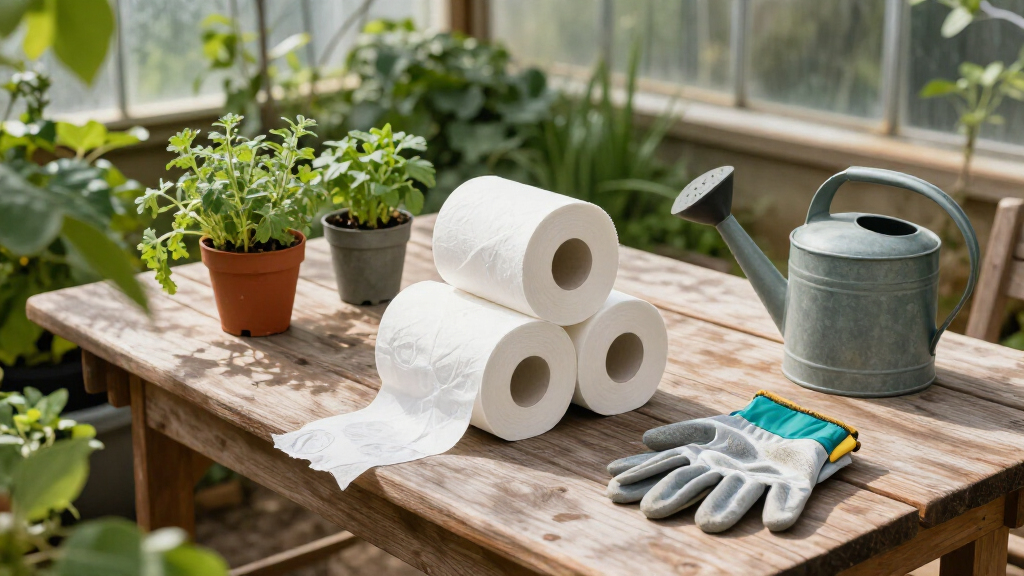
One common method involves cutting the rolls in half and filling them with soil to start seedlings indoors. When plants are ready, the entire roll can be planted directly into the ground, where it decomposes naturally, enriching the soil. Others suggest using the rolls as biodegradable plant supports or as pest deterrents by placing them around vulnerable plants. The practice is praised for its simplicity, cost-effectiveness, and environmentally friendly nature.
Despite the enthusiasm, experts advise caution. They note that while the rolls are made from cardboard and are biodegradable, some contain inks or additives that might not be suitable for edible plants. Therefore, users should verify the rolls are plain, unbleached, and free of inks before use. The trend’s popularity appears driven by a broader movement toward zero-waste gardening and DIY sustainability practices.
Environmental and Cost Benefits of Reusing Toilet Paper Rolls in Gardening
This trend reflects a growing emphasis on sustainable practices in home gardening, offering environmental benefits by reducing household waste. Reusing toilet paper rolls can also lower gardening costs, especially for seed starting, which typically involves purchasing specialized containers. If validated by further research, these methods could influence broader adoption of eco-friendly gardening techniques, contributing to waste reduction and resource conservation.
As an affiliate, we earn on qualifying purchases.
Rise of DIY and Zero-Waste Gardening Trends
The practice of repurposing household items for gardening is part of a larger movement toward sustainable and zero-waste lifestyles. Over recent years, interest in DIY gardening solutions has surged, fueled by environmental concerns and rising costs of gardening supplies. Social media platforms are filled with videos and tutorials demonstrating how to turn everyday household waste into useful gardening tools. The current spike in searches for ways to reuse toilet paper rolls aligns with this trend, although specific claims about their effectiveness remain anecdotal and unverified by scientific studies.
Historically, gardeners have used biodegradable materials like coconut coir, peat pots, and compostable seed trays. The recent focus on toilet paper rolls is a natural extension of this practice, emphasizing affordability and environmental impact. However, the trend’s rapid rise appears to be driven more by online community sharing than by formal research or industry endorsements.
As an affiliate, we earn on qualifying purchases.
Unverified Claims and Potential Limitations of the Trend
While anecdotal reports praise the use of toilet paper rolls in gardening, there is a lack of scientific research confirming their effectiveness or safety, especially for edible plants. It remains unclear whether all types of rolls are suitable, given potential inks or chemicals used in manufacturing. Additionally, the long-term impact of decomposing cardboard on soil health has not been thoroughly studied.
Further investigation is needed to validate these methods, assess potential risks, and establish best practices for safe and effective use.
As an affiliate, we earn on qualifying purchases.
Further Research and Broader Adoption of Reuse Practices
Researchers and gardening experts may conduct studies to evaluate the safety and efficacy of using toilet paper rolls in various gardening contexts. Meanwhile, social media and gardening communities are likely to continue sharing tips and experiences, potentially leading to more refined techniques. Industry stakeholders might also explore producing specialized biodegradable seed starters based on this concept. As awareness grows, more gardeners could adopt these methods, especially if supported by scientific validation.
As an affiliate, we earn on qualifying purchases.
Key Questions
Are toilet paper rolls safe to use for starting edible plants?
Generally, plain, unbleached, and ink-free rolls are considered safe for starting edible plants, but caution is advised. Verify the rolls are free of inks or chemicals before use.
How long does it take for a toilet paper roll to decompose in the soil?
Decomposition time varies depending on soil conditions, but typically, cardboard rolls break down within 2 to 6 months, enriching the soil as they decompose.
Can all types of toilet paper rolls be reused in gardening?
No, not all rolls are suitable. Users should check that the rolls are plain, unbleached, and free of inks or dyes to avoid introducing harmful chemicals into the garden.
Does reusing toilet paper rolls in gardening have proven environmental benefits?
While anecdotal evidence suggests benefits, scientific studies are lacking. The practice has potential to reduce household waste and costs, aligning with sustainability goals.
What are other eco-friendly alternatives for seed starting containers?
Options include biodegradable pots made from coconut coir, peat, or compostable materials, which also decompose naturally and support sustainable gardening.
Source: rss