
The best native shrubs for gardens depend on your region, available space, and whether you want a living plant or guidance before planting. My best overall pick is Native Trees, Shrubs, & Vines, a broad reference for choosing and growing woody plants; for a direct edible harvest, Saskatoon serviceberry plants stand out, while Ceanothus americanus suits gardeners seeking a compact native flowering shrub. The main tradeoff is between region-specific guidance and a ready-to-plant shrub, with climate fit and mature size shaping success either way. Read on for how the 11 options compare and which one fits your garden.

Get garden gear delivered free with Prime
- Fast, free delivery on millions of items
- Prime Video, Amazon Music and more included
- Member-only deals all year
Complete the kit


Key Takeaways
- The lineup splits into two kinds of purchase: nine books offer regional or species-selection guidance, while two listings provide live serviceberry plants and one offers a live New Jersey tea shrub.
- Native Trees, Shrubs, & Vines earns the broadest-use role because it covers growing and propagation, while regional primers make more sense when local plant suitability is the main question.
- Serviceberry is the only plant type represented by two live-plant options: one listing offers five Saskatoon shrubs, while the other combines Saskatoon and downy serviceberries.
- Regional fit matters more than a book’s species count: a Southeast or Northeast guide may be more useful than a broader reference when climate and local growing conditions are the priority.
- The comparison favors planning before purchasing: the books can help narrow species choices, but live shrubs still need a separate check for hardiness, mature size, and site conditions.
| The Southeast Native Plant Primer: 225 Plants for an Earth-Friendly Garden |  | Best Regional Plant-Selection Primer | Plant count: 225 | Plant focus: Native plants | Regional focus: Southeastern United States | VIEW LATEST PRICE | See Our Full Breakdown |
| Native Trees, Shrubs, & Vines: A Guide to Using, Growing, and Propagating North American Woody Plants | 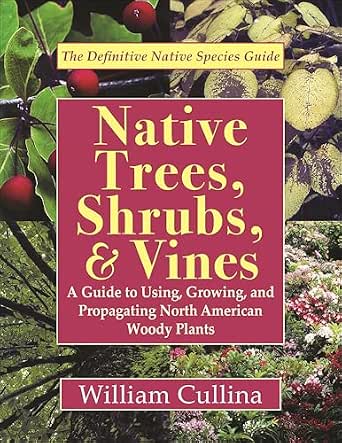 | Best for Growing and Propagation Guidance | Plant groups: Trees, shrubs, and vines | Plant origin: Native North American | Topics: Using, growing, and propagating | VIEW LATEST PRICE | See Our Full Breakdown |
| Gardening with Native Plants of the South |  | Best for Southern Native-Garden Inspiration | Plant focus: Native plants | Regional focus: Southern United States | Gardening focus: Gardening with native plants | VIEW LATEST PRICE | See Our Full Breakdown |
| Midwestern Native Shrubs and Trees: Gardening Alternatives to Nonnative Species: An Illustrated Guide |  | Best for Midwestern Shrub Replacement Planning | Plant groups: Shrubs and trees | Regional focus: Midwestern United States | Purpose: Gardening alternatives to nonnative species | VIEW LATEST PRICE | See Our Full Breakdown |
| Saskatoon Serviceberry Bush Plants (Amelanchier alnifolia) – 5 Hardy Edible Berry Shrubs, Pollinator-Friendly with White Flowers |  | Best Live Shrub for Edible Four-Season Interest | Plant count: 5 | Common name: Saskatoon serviceberry | Botanical name: Amelanchier alnifolia | VIEW LATEST PRICE | See Our Full Breakdown |
| Ceanothus americanus (New Jersey Tea) Live Plant – 1-Gallon Container, White Flowers |  | Best Live Shrub for Pollinators | Scientific name: Ceanothus americanus | Common name: New Jersey Tea | Plant type: Shrub | VIEW LATEST PRICE | See Our Full Breakdown |
| The Northeast Native Plant Primer: 235 Plants for an Earth-Friendly Garden |  | Best for Northeast Garden Planning | Format: Book | Plant coverage: 235 native plants | Region: Northeastern United States | VIEW LATEST PRICE | See Our Full Breakdown |
| Essential Native Trees and Shrubs for the Eastern United States: The Guide to Creating a Sustainable Landscape |  | Best for Eastern Woody-Plant Landscaping | Format: Book | Plant coverage: Native trees and shrubs | Region: Eastern United States | VIEW LATEST PRICE | See Our Full Breakdown |
| Native Plants of the Southeast: A Comprehensive Guide to the Best 460 Species for the Garden |  | Best for Broad Southeast Plant Selection | Format: Book | Species covered: 460 | Region: Southeastern United States | VIEW LATEST PRICE | See Our Full Breakdown |
| Best Native Plants for Southern Gardens: A Handbook for Gardeners, Homeowners, and Professionals |  | Best for Practical Southern Garden Guidance | Format: Handbook | Region: Southern United States | Intended readers: Gardeners, homeowners, and professionals | VIEW LATEST PRICE | See Our Full Breakdown |
| 4 Serviceberry Live Plants: 2 Saskatoon and 2 Downy Shrubs |  | Best for a Mixed Serviceberry Planting | Quantity: 4 live plants | Varieties: 2 Saskatoon and 2 Downy Serviceberry | Saskatoon scientific name: Amelanchier alnifolia | VIEW LATEST PRICE | See Our Full Breakdown |
More Details on Our Top Picks
The Southeast Native Plant Primer: 225 Plants for an Earth-Friendly Garden
For gardeners in the Southeast who want choices before committing to individual shrubs, 225 native plants makes this primer a broad starting point. Its regional focus helps keep plant research connected to local growing conditions, while the earth-friendly approach suits readers who want a garden grounded in native choices. Compared with Gardening with Native Plants of the South, the stated plant count gives this guide a clear breadth advantage; compared with Midwestern Native Shrubs and Trees, it is less narrowly centered on woody plants and one region’s shrub-and-tree alternatives. That breadth is also the tradeoff: the provided information does not identify how many entries are shrubs or how much cultivation detail each receives. I’d choose it for building a regional shortlist, not as a shrub-only planting manual.
Pros:- Covers 225 native plants, offering a broad selection for early garden planning
- Focuses on the southeastern United States rather than treating all regions alike
- Frames plant selection around earth-friendly gardening
- Can help gardeners compare native options beyond shrubs alone
Cons:- The supplied details do not state how many of the 225 plants are shrubs
- No specific cultivation or propagation features are provided
- Its broad plant scope may be less direct for readers seeking only woody plants
Best for: Southeastern gardeners who want a wide regional plant shortlist before choosing shrubs and other garden plants
Not ideal for: Readers seeking a shrub-only reference with specified propagation instructions or detailed plant-by-plant growing guidance
- Plant count:225
- Plant focus:Native plants
- Regional focus:Southeastern United States
- Gardening approach:Earth-friendly gardening
- Format:Book
- ASIN:1604699914
Our verdict“Choose this primer if you garden in the Southeast and want broad native-plant options, but pick a woody-plant guide for shrub-specific depth.”
Native Trees, Shrubs, & Vines: A Guide to Using, Growing, and Propagating North American Woody Plants
This guide is the clearest fit for gardeners who want to do more than identify native shrubs: its scope explicitly includes using, growing, and propagating North American woody plants. The inclusion of trees and vines gives readers a broader woody-plant toolkit than Midwestern Native Shrubs and Trees, which is region-specific and framed around alternatives to nonnative species. That wider geography may suit readers planning across different parts of North America, but it can be less tailored to a particular local climate than The Southeast Native Plant Primer. The supplied description gives no plant count, regional subcoverage, or level of detail, so I would not assume every shrub receives a full growing profile. Its strength is the practical subject matter; its tradeoff is less explicit regional focus and unknown depth per plant.
Pros:- Explicitly covers growing and propagating woody plants
- Includes shrubs alongside trees and vines
- Covers North American native woody plants
- Addresses plant use as well as cultivation
Cons:- No plant count or specific regional breakdown is provided
- Tree and vine coverage means it is not shrub-exclusive
- The supplied details do not specify how thoroughly individual plants are profiled
Best for: Gardeners and propagators seeking a reference on cultivating native woody plants, including shrubs, trees, and vines
Not ideal for: Buyers who need a clearly defined regional shortlist, a stated plant count, or a guide focused exclusively on shrubs
- Plant groups:Trees, shrubs, and vines
- Plant origin:Native North American
- Topics:Using, growing, and propagating
- Format:Guide
- Plant count:Not specified
- ASIN:B0F81CJ4DK
Our verdict“Pick this guide if practical growing and propagation topics matter more than a narrow regional or shrub-only scope.”
Gardening with Native Plants of the South
With its focus on native plants of the South, this book is a regionally oriented choice for gardeners who want their planting decisions tied to southern gardens rather than a continent-wide woody-plant reference. Compared with The Southeast Native Plant Primer, its title signals a similarly southern lens, but the available product details do not provide a plant count to match that primer’s 225 entries. It also differs from Native Trees, Shrubs, & Vines, whose description specifically promises cultivation and propagation topics across woody plants. Here, no specific shrub list, growing instructions, illustrations, or other features are supplied, so the appeal rests on its regional subject rather than confirmed depth. I’d treat it as a general southern native-gardening resource, not a verified shrub-care manual.
Pros:- Centers on native plants of the southern United States
- Provides a regional alternative to broad North American woody-plant coverage
- Can suit readers whose priority is native gardening rather than a single shrub species
- Its subject complements more narrowly woody-plant references
Cons:- No plant count is provided in the available product details
- The supplied description does not confirm shrub-specific coverage or care instructions
- No illustrations or propagation information are specified
Best for: Gardeners in the southern United States looking for a book centered on native planting in their region
Not ideal for: Readers who need confirmed shrub-by-shrub details, a known plant count, or explicitly described propagation guidance
- Plant focus:Native plants
- Regional focus:Southern United States
- Gardening focus:Gardening with native plants
- Format:Book
- Plant count:Not specified
- ASIN:149303880X
Our verdict“Choose this for a southern native-gardening focus, but select a guide with stated woody-plant details if shrub care is your main goal.”
Midwestern Native Shrubs and Trees: Gardening Alternatives to Nonnative Species: An Illustrated Guide
This is the most directly shrub-centered book in the group: it pairs Midwestern native shrubs and trees with the practical idea of replacing nonnative garden choices. That makes it a more focused match for regional redesign than The Southeast Native Plant Primer, which covers a wider range of plants in another region. It also differs from Native Trees, Shrubs, & Vines: the latter addresses growing and propagation across North American woody plants, while this guide emphasizes regional alternatives and includes illustrations. The limitation is geography—its Midwest focus makes it a poor match for gardeners elsewhere—and the supplied details do not give a plant count or specific care topics. I’d favor it when local replacement choices matter more than broad cultivation instruction.
Pros:- Focuses on native shrubs and trees of the Midwest
- Frames native plants as alternatives to nonnative species
- Includes illustrations to support plant selection
- Its regional woody-plant focus is more targeted than broad native-plant primers
Cons:- The regional focus limits its relevance for gardens outside the Midwest
- No plant count is provided in the available details
- Specific cultivation and propagation coverage is not stated
Best for: Midwestern gardeners replacing nonnative landscape shrubs or trees with regional native alternatives
Not ideal for: Gardeners outside the Midwest or readers seeking detailed propagation guidance and a stated list size
- Plant groups:Shrubs and trees
- Regional focus:Midwestern United States
- Purpose:Gardening alternatives to nonnative species
- Illustrations:Illustrated guide
- Plant count:Not specified
- ASIN:0821421646
Our verdict“Choose this illustrated guide if you garden in the Midwest and want native shrub and tree substitutes for nonnative plants.”
Saskatoon Serviceberry Bush Plants (Amelanchier alnifolia) – 5 Hardy Edible Berry Shrubs, Pollinator-Friendly with White Flowers
Unlike the books in this roundup, this listing offers five live Saskatoon serviceberry shrubs, so it suits buyers ready to plant rather than research a wider selection. Its combination of spring flowers, edible summer berries, fall color, and winter branching gives one planting several garden roles, while pollinator and bird appeal adds wildlife value. Compared with the listed 4 Serviceberry Live Plants, this is a larger plant count, though the available details do not clarify differences in plant size or variety. Compared with the native-plant guides, it provides a specific species rather than options for matching a whole garden to local conditions. Full sun to partial shade broadens placement choices, but good fruiting still calls for sunlight and well-drained soil; spreading growth may also need pruning.
Pros:- Includes five shrubs of the named species, Amelanchier alnifolia
- Offers flowers, edible berries, fall foliage, and winter branching
- Flowers and fruit attract pollinators and birds
- Listed for full sun to partial shade and low maintenance once established
Cons:- Best fruit production depends on adequate sunlight and well-drained soil
- Plants may spread over time and require pruning to maintain shape
- A single species gives less planting flexibility than the native-plant guidebooks
Best for: Gardeners who want several Saskatoon serviceberries for edible fruit, seasonal color, and pollinator-friendly planting
Not ideal for: Buyers who need a regionally tailored shrub recommendation, have poorly drained shade, or want a plant that will not spread
- Plant count:5
- Common name:Saskatoon serviceberry
- Botanical name:Amelanchier alnifolia
- Sunlight exposure:Full sun to partial shade
- Brand:CZ Grain
- Manufacturer:CZ Grain
- Fruit:Edible berries
- Flower color:White
- ASIN:B0GV4SR7RB
Our verdict“Choose these five serviceberries if you want a ready-to-plant edible shrub group with seasonal interest and can provide sun and drainage.”
Ceanothus americanus (New Jersey Tea) Live Plant – 1-Gallon Container, White Flowers
New Jersey Tea is the only live shrub in this group, so it suits gardeners ready to plant rather than research from a book. Its white, fragrant late-spring flowers attract butterflies and hummingbirds, while a mature size of 3–4 feet gives it a useful place in smaller beds or mixed borders. Compared with the region-focused advice in The Northeast Native Plant Primer, this plant is a direct choice for a sunny, well-drained site in USDA zones 4–8. The tradeoff is seasonal appearance: it may drop its leaves in late fall and winter, and it is not a good fit for shade or poorly drained ground. It arrives dormant in a one-gallon container and can be planted upon arrival.
Pros:- Fragrant white flowers attract butterflies and hummingbirds.
- Compact 3–4-foot mature size fits smaller gardens and mixed borders.
- Drought-resistant once established, according to the product description.
- Dormant one-gallon plant can be planted upon arrival.
Cons:- Needs full sun and well-drained soil for best growth.
- May lose its leaves in late fall and winter, reducing cold-season screening.
Best for: Gardeners in USDA zones 4–8 seeking a compact, flowering native shrub for a sunny, well-drained spot that can support pollinators.
Not ideal for: Gardeners with shaded or waterlogged planting areas, or those who want a shrub that stays leafy through winter.
- Scientific name:Ceanothus americanus
- Common name:New Jersey Tea
- Plant type:Shrub
- Container size:1 gallon (Size #1)
- Mature height:3–4 ft
- Mature width:3–4 ft
- USDA hardiness zones:4–8
- Flower color:White
- Leaf description:Four-inch, deep green leaves with hairy gray undersides
Our verdict“Choose New Jersey Tea for a compact, pollinator-attracting native shrub if your garden has sun and well-drained soil.”
The Northeast Native Plant Primer: 235 Plants for an Earth-Friendly Garden
The Northeast Native Plant Primer is a planning resource for gardeners who want options before settling on a particular shrub. Its stated coverage of 235 plants for northeastern gardens, paired with plant profiles and sustainable-landscaping tips, gives it a wider decision-making role than the live New Jersey Tea plant, which addresses one sunny-site planting. It can help readers think beyond a single species and build a more regionally appropriate garden, though the listing does not specify which shrubs are included or how detailed each profile is. Its main limitation is geography: gardeners outside the Northeast may find its regional focus less useful than Native Plants of the Southeast, which covers a much larger stated selection for a different region. This is a guide, not a source of plants.
Pros:- Covers 235 plants suited to northeastern gardens.
- Includes plant profiles to support selection across multiple species.
- Addresses sustainable landscaping rather than only individual plant traits.
Cons:- Regional focus limits its usefulness for gardens elsewhere.
- Provided listing does not identify which shrubs are covered or specify profile details.
- Offers guidance rather than a plant ready to put in the ground.
Best for: Northeast homeowners and gardeners who want a region-focused reference for choosing native plants and planning an earth-friendly landscape.
Not ideal for: Gardeners outside the Northeast or buyers looking for a live shrub, detailed specifications for a particular plant, or a confirmed list of shrub profiles.
- Format:Book
- Plant coverage:235 native plants
- Region:Northeastern United States
- Focus:Earth-friendly gardening
- Included content:Plant profiles
- Additional guidance:Sustainable landscaping tips
Our verdict“Pick this primer if you garden in the Northeast and want a regional planning reference rather than a particular shrub.”
Essential Native Trees and Shrubs for the Eastern United States: The Guide to Creating a Sustainable Landscape
Essential Native Trees and Shrubs for the Eastern United States is the most directly woody-plant-focused reference in this batch: its stated subject is native trees and shrubs, framed around creating a sustainable landscape. That makes it a closer match for someone planning a shrub border or a larger woody planting than The Northeast Native Plant Primer, whose scope spans 235 native plants rather than only trees and shrubs. The regional remit is also broader than a Southeast-only guide such as Native Plants of the Southeast. The drawback is that the available listing gives no species count, sample profiles, or planting instructions, so I can’t judge how specific its recommendations are or whether it covers a particular site condition. It is a reference to investigate, not a substitute for a plant list tailored to your location.
Pros:- Focuses specifically on native trees and shrubs.
- Connects plant selection with sustainable landscape creation.
- Eastern U.S. scope is broader than a guide limited to the Southeast.
Cons:- Provided description gives no species count or named plant examples.
- No specific planting, maintenance, or propagation details are supplied.
- The broad eastern region may offer less local specificity than region-focused guides.
Best for: Eastern U.S. gardeners planning a sustainable landscape centered on native trees and shrubs rather than a broad mix of garden plants.
Not ideal for: Readers who need a confirmed species list, detailed growing instructions, or advice tailored specifically to southeastern or northeastern conditions.
- Format:Book
- Plant coverage:Native trees and shrubs
- Region:Eastern United States
- Stated focus:Creating a sustainable landscape
- Subject emphasis:Woody plants
- Specific species count:Not provided in product description
Our verdict“Choose this guide if your main goal is planning an Eastern U.S. landscape with native woody plants, and verify its level of detail before relying on it for specific species.”
Native Plants of the Southeast: A Comprehensive Guide to the Best 460 Species for the Garden
Native Plants of the Southeast offers the broadest stated plant selection among these books, with 460 species suited to southeastern gardens. That breadth makes it a stronger starting point for comparing possible garden plants than the live New Jersey Tea shrub, which is a single option for a sunny, well-drained site. It also gives Southeast gardeners a broader plant-selection scope than Best Native Plants for Southern Gardens, whose description emphasizes practical planting and maintenance guidance. The limitation is the sparse listing: beyond the species count and regional focus, it does not explain how entries are organized, how many are shrubs, or what growing details are included. Readers who want a focused woody-plant reference may prefer Essential Native Trees and Shrubs for the Eastern United States, though its listing also leaves detail unspecified.
Pros:- Covers 460 native species for garden use.
- Regional focus is tailored to southeastern gardens.
- Broad selection supports comparison across many potential planting choices.
Cons:- Provided description gives no detail on profile format or growing guidance.
- The number of shrub species within the total selection is not specified.
- Regional scope may not suit gardeners outside the Southeast.
Best for: Southeastern gardeners who want a wide-ranging reference for choosing among native species for garden planting.
Not ideal for: Buyers seeking a live shrub, confirmed shrub-by-shrub care instructions, or a guide for gardens outside the Southeast.
- Format:Book
- Species covered:460
- Region:Southeastern United States
- Intended use:Garden plant selection
- Plant focus:Native plants
- Specific shrub count:Not provided in product description
Our verdict“Choose this guide for breadth when selecting native plants for a Southeast garden, but look elsewhere if you need confirmed shrub-specific care detail.”
Best Native Plants for Southern Gardens: A Handbook for Gardeners, Homeowners, and Professionals
Best Native Plants for Southern Gardens is positioned as a practical handbook, with advice on plant selection, planting, and maintenance for southern gardens. That emphasis gives it a different job from Native Plants of the Southeast: the latter states a selection of 460 species, while this book’s description foregrounds how to plant and care for native choices. It also names a wide intended audience, from homeowners to professionals, which may suit readers managing more than a single bed. The tradeoff is limited evidence about its contents: no specific species list or planting schedules are supplied, so buyers cannot tell from the listing how deeply it treats shrubs or local conditions. Compared with the single-species New Jersey Tea plant, this is a planning resource, not an immediate planting solution.
Pros:- Aims to cover plant selection, planting, and maintenance.
- Designed for gardeners, homeowners, and professionals.
- Southern focus helps distinguish it from broader eastern-region references.
Cons:- Provided description does not name particular plant recommendations.
- No detailed planting schedules are identified.
- The listing does not specify how much coverage is devoted to shrubs.
Best for: Southern gardeners, homeowners, and landscaping professionals who want general guidance on choosing, planting, and maintaining native plants.
Not ideal for: Readers who need a verified list of shrub species, detailed seasonal planting schedules, or a live plant for an immediate garden project.
- Format:Handbook
- Region:Southern United States
- Intended readers:Gardeners, homeowners, and professionals
- Stated subject:Native plants for southern gardens
- Guidance described:Plant selection
- Additional guidance described:Planting and maintenance
Our verdict“Choose this handbook for general practical guidance in a Southern garden, but not when you need a named shrub list or a ready-to-plant option.”
4 Serviceberry Live Plants: 2 Saskatoon and 2 Downy Shrubs
This bundle suits gardeners who want edible harvests and wildlife value from a native shrub planting, with four plants split between Saskatoon and Downy serviceberry. Both offer white spring flowers, purple berries, and seasonal interest, so the planting can contribute to more than one part of the garden year. Compared with the separate Saskatoon Serviceberry Bush Plants listing, this set gives you two named species rather than five plants of one species; that variety may appeal if you want to try different serviceberries, but the listing does not provide details about their mature sizes or spacing. The fruit can be eaten fresh or used in baking and preserves, while birds and pollinators add wildlife value. A key tradeoff is that these are outdoor live plants, and without size information it is harder to plan placement or anticipate how much room they will need.
Pros:- Includes two Saskatoon and two Downy serviceberry plants for a mixed planting.
- Produces edible purple berries suitable for fresh eating and a range of kitchen uses.
- White spring blossoms support pollinators, while berries can provide food for birds and other wildlife.
- Offers seasonal interest through spring flowers, summer fruit, and fall foliage color.
Cons:- Requires outdoor planting rather than offering a stated indoor or container-growing option.
- Plant size and mature dimensions are not provided, making spacing decisions less certain.
- A mixed set may not suit gardeners who specifically want several plants of one variety.
Best for: Gardeners with outdoor planting space who want a small, mixed serviceberry planting for edible berries, spring flowers, and wildlife habitat.
Not ideal for: People who need container-ready plants, want one clearly specified serviceberry variety throughout, or need mature dimensions to plan a tight garden bed.
- Quantity:4 live plants
- Varieties:2 Saskatoon and 2 Downy Serviceberry
- Saskatoon scientific name:Amelanchier alnifolia
- Downy Serviceberry scientific name:Amelanchier arborea
- Flower color:White
- Berry use:Edible; suitable for fresh eating, pies, jams, smoothies, syrups, and baking
- Planting setting:Outdoor planting
- Seasonal features:Spring blossoms, summer berries, and fall foliage color
Our verdict“Choose this four-plant bundle if you have room outdoors and want both Saskatoon and Downy serviceberries for fruit, seasonal interest, and wildlife value.”
How We Picked
I compared the 11 listings by asking how directly each helps a gardener choose, grow, or plant native shrubs. For books, I weighed regional relevance, focus on woody plants, and practical coverage such as cultivation, propagation, and alternatives to nonnative species. For live plants, I looked at the stated species, quantity, and the garden goals the listing can serve, such as edible fruit or pollinator support. I treated regional fit and clear use as stronger buying signals than broad species counts alone.
The ranking reflects different jobs rather than pretending books and plants are interchangeable. The broad woody-plant reference leads for versatility; regional guides follow according to how specifically they support a gardener’s area and decisions. The live shrubs rank as direct planting choices, but their usefulness depends more heavily on local climate, site, and the buyer’s interest in serviceberry or New Jersey tea. Product listings do not establish that a species is native to every reader’s location, so I recommend checking local guidance before ordering.
Factors to Consider When Choosing Best Native Shrubs For Gardens
Choosing a native shrub starts with your garden conditions, not a plant’s general reputation. Use these checks to distinguish a useful local match from a shrub that may need more space, different soil, or a different climate than you can provide.
Match the plant to your ecoregion, not just your state
Native range can vary across a large state, and a species native somewhere nearby may not suit your local conditions. Check regional extension resources, native plant societies, or local conservation lists for your county or ecoregion. Compare winter lows, summer heat, rainfall, and elevation with the plant’s documented range. A regional book can help build a shortlist, but a broad North American reference may not settle local suitability on its own. When a listing names a species without a precise provenance, ask the seller where the stock was grown and sourced. This extra check can matter for ecological fit as well as garden performance.
Plan for mature width and the shrub’s role
Buy for the shrub’s mature dimensions, not the size of the container or starter plant. A serviceberry that fits a sunny corner as a young plant may eventually shade nearby perennials or crowd a path. Decide whether the shrub should serve as a screen, specimen, hedge, wildlife plant, or edible crop before picking a species. Check whether pruning can maintain the shape you want without removing flowers or fruit you value. Planting too many shrubs too close together is a common way to turn a low-maintenance plan into regular corrective work. If space is limited, prioritize naturally compact growth over a plant that needs repeated size control.
Read the site conditions before choosing a species
Sun exposure, drainage, and soil moisture can rule out a plant that otherwise seems like a strong native choice. Observe the planting area after rain and during dry spells rather than relying on a single soil description. Check whether the site is exposed to wind, salt, reflected heat, or competition from tree roots. A species suited to dry, open ground may struggle in a shaded, poorly drained bed, even within its native region. Avoid changing a site extensively to suit a shrub unless that work is part of your plan. Choosing a plant for the conditions you already have usually reduces watering and replacement needs.
Choose between buying a guide and buying a plant
A reference book is the better first purchase when you have not settled on a species or need to compare several candidates. A live shrub makes more sense when you have confirmed the plant’s local suitability and know where it will go. Books focused on woody plants can support decisions about cultivation and propagation, while regional primers can help orient a broader planting plan. Do not treat a book’s regional focus as proof that every species it covers suits every yard in that region. If you are still unsure about exposure, soil, or mature size, spend time on site research before ordering live plants. This avoids paying for a shrub that solves the wrong garden problem.
Compare plant quantity, species mix, and establishment needs
Live-plant listings differ in whether they offer one species in a larger group or a mix of species. A group of Saskatoon serviceberries may suit a plan built around one edible shrub type, while a mixed serviceberry set can introduce different forms and growth habits. Confirm the botanical names, number of plants, container size, and whether the plants are shipped dormant or actively growing. Ask about planting season and acclimation steps, especially if your climate differs from the seller’s. Newly planted shrubs need consistent establishment care even when mature plants are adapted to local conditions. Buying more plants does not remove the need to check spacing and site fit.
Set expectations for flowers, fruit, and wildlife
A shrub selected for one benefit may not deliver it on the schedule or in the quantity you expect. Fruit production can depend on sunlight, plant maturity, weather, and pollination, while flowers may last for a limited part of the season. Wildlife value also depends on the broader garden, including shelter, water, and a range of plants that provide food at different times. If edible harvest is the main goal, check the species’ fruiting habits and whether more than one compatible plant is useful. If pollinators are the priority, compare bloom timing and local ecological guidance rather than choosing by flower color alone. A mixed planting often supports more garden functions than relying on one shrub to do everything.
Frequently Asked Questions
Should I buy a native-plant book before ordering live shrubs?
Buy a guide first if you have not confirmed which species suit your climate and site, or if you want to compare several shrubs before committing. A regional book can help you identify candidates, while a woody-plant reference can support cultivation and propagation decisions. If you already know the species is appropriate for your area and have a suitable planting spot, a live shrub may be the more direct choice. Either way, check current local guidance because a book’s regional scope may not resolve county-level differences. Avoid treating a plant’s label as a substitute for checking its mature size and growing conditions.
Are the serviceberry plants a good choice if I want edible fruit?
Serviceberries are the clearest edible-fruit option among these live-plant listings, but the listing alone cannot promise a particular harvest. Check the exact species, expected mature size, local hardiness, and the seller’s guidance on fruiting and pollination. Sunlight, plant maturity, weather, and care after planting all affect how much fruit a shrub produces. The five-plant Saskatoon listing is geared toward planting several of one named type, while the four-plant option mixes Saskatoon and downy serviceberries. Choose based on your space and desired planting mix, not plant count alone.
Can I plant New Jersey tea if I live outside the Northeast?
Do not assume the name alone defines where New Jersey tea will grow well or count as locally native. Check its documented range and suitability for your ecoregion, then compare those findings with your climate and site conditions. The listing identifies it as a live plant with white flowers, but that does not establish that it suits every garden or every region. Local extension services and native plant organizations can help confirm whether it is a good ecological match. If local fit is uncertain, a regional guide from this roundup may help you identify better-matched alternatives.
How do I decide between a regional guide and a broad native-plant reference?
Choose a regional guide when your main challenge is finding plants that fit a particular part of the country, such as the Southeast, Northeast, South, or Midwest. A broad reference to North American woody plants is more useful when you want coverage of trees, shrubs, vines, and growing or propagation methods across a wider range. Species counts can indicate breadth, but they do not by themselves tell you how useful a book will be for your yard. Check whether the guide addresses your actual decisions, such as site fit, cultivation, or alternatives to nonnative plants. If you are planning a garden in one region, start with the closest regional scope and use broader references for added context.
What should I check before ordering shrubs for a small garden?
Check the species’ mature height and width, then compare those measurements with the space available around paths, buildings, and neighboring plants. Ask whether the shrub tolerates pruning, but do not assume regular trimming can make an oversized plant a low-effort choice. Confirm its sun and moisture needs against the actual planting site, including seasonal shade and drainage. For a small garden, one well-placed shrub may serve a clearer purpose than a multi-plant bundle. If you want fruit or pollinator value, make sure the shrub can provide that benefit without overcrowding the rest of the planting.
Conclusion
For one starting point that can inform several planting decisions, I recommend Native Trees, Shrubs, & Vines as the best overall choice for its broad woody-plant focus and cultivation guidance. The best value depends on your goal: choose a relevant regional guide if you need help selecting suitable species, or the five Saskatoon shrubs if you have room and have confirmed they fit your site. For a premium reference, I would favor the book whose regional scope and practical detail most closely match your garden rather than choosing by species count alone. Beginners should start with a regional primer or a focused guide before ordering live plants. For edible fruit, compare the two serviceberry listings; for a flowering New Jersey tea, first confirm local suitability. The right pick is the one that matches your region, available space, and intended garden benefit.
Fall Picks
fall essentials
As an affiliate, we earn on qualifying purchases.