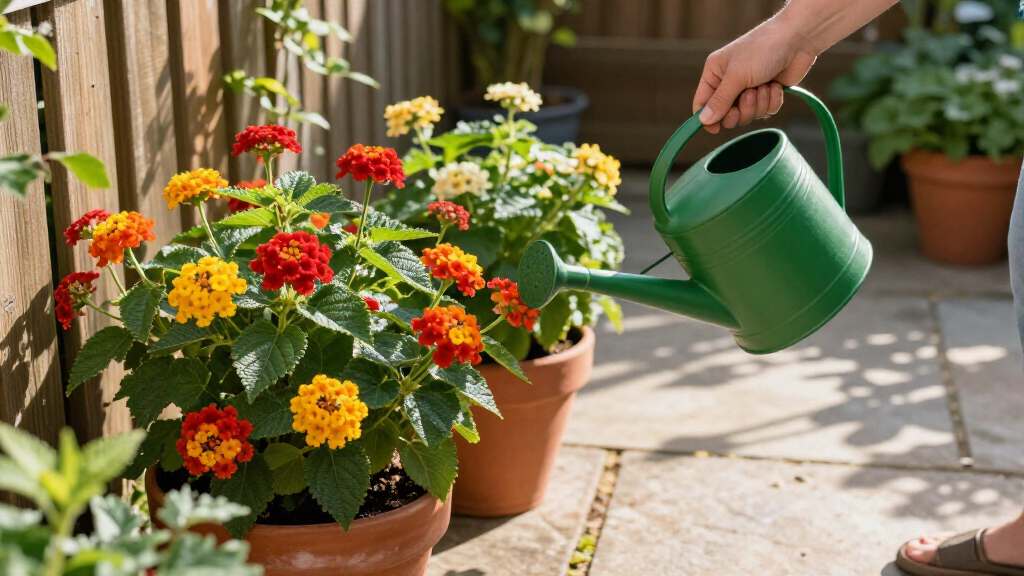

For most gardeners, the Set of 4 Mixed Lantana Live Plants is the best overall pick: it offers several plants and color variety without committing to a single cultivar. The Set of 4 Miss Huff Lantana Starters stands out for buyers prioritizing a named type, while 3 Purple Trailing Lantana Live Plants suit containers and cascading displays. The main tradeoffs are live plants versus seeds, upright versus spreading growth, and variety versus a consistent flower color. Plant size, pot inclusion, and pack count also affect how much establishment work a purchase may involve. Read on for the full breakdown and guidance on choosing lantana for your space.

Get garden gear delivered free — and shop member deals
- Fast, free delivery on millions of items
- Access to Prime Big Deal Days deals on October 6–7
- Prime Video, Amazon Music and more included
Complete the kit


Key Takeaways
- Mixed live-plant packs lead for flexibility: the four-plant mixed set offers more color variety than the two-plant mixed set, though the listed colors may not be specified.
- Named cultivars suit color-specific plans: options such as Dallas Red and Athens Rose make more sense when a particular look matters more than mixed colors.
- Trailing lantana has a distinct job: the purple trailing plants are aimed at cascading containers or groundcover-style planting, unlike upright starter options.
- Seeds trade convenience for quantity: the 600-seed and 300-plus-seed listings offer many potential starts, but require germination and more early care than live plants.
- Packaging changes the setup: the listings range from plants in four-inch pots to starters without pots, so buyers should check container details and plant counts before planning a planting area.
| Set of 4 Mixed Lantana Live Plants, 4–6 Inches Tall |  | Best Value for Planting Several Spots | Plant type: Lantana | Quantity: 4 plants | Plant height: 4–6 inches | VIEW LATEST PRICE | See Our Full Breakdown |
| American Plant Exchange Lantana ‘Lavender’ Live Plant, 6-Inch Pot |  | Best for a Defined Lavender Color | Plant type: Live flowering shrub | Pot size: 6 inches | Bloom color: Lavender and purple | VIEW LATEST PRICE | See Our Full Breakdown |
| Pink Lantana Live Plant, 4–6 Inches Tall |  | Best for a Pink, Long-Season Display | Plant height: 4–6 inches | USDA hardiness zones: 8–11 | Blooming season: Spring to fall | VIEW LATEST PRICE | See Our Full Breakdown |
| Lantana Dallas Red Live Plants, 3 Count |  | Best for Bold Red Blooms | Plant type: Flowering perennial shrub | Quantity: 3 plants | Sunlight: Full sun | VIEW LATEST PRICE | See Our Full Breakdown |
| Lantana ‘Athens Rose’ Live Plants, Pack of 3, 4–6 Inches Tall |  | Best for Two-Tone Flower Clusters | Quantity: 3 plants | Plant height: 4–6 inches | Expected plant height: 2 feet | VIEW LATEST PRICE | See Our Full Breakdown |
| 3 Purple Trailing Lantana Live Plants |  | Best for Trailing Displays | Plant type: Shrub and hedge | Flower color: Purple | Quantity: 3 plants | VIEW LATEST PRICE | See Our Full Breakdown |
| 600 Lantana Flower Seeds for Colorful, Long-Blooming Gardens |  | Best for Starting a Large Planting from Seed | Seed quantity: 600 | Brand: EquSym | Usage: Indoor | VIEW LATEST PRICE | See Our Full Breakdown |
| White Lantana Live Perennial Plant, 4–6 Inches Tall |  | Best for White Blooms in Warm-Climate Gardens | Plant type: Perennial | Flower color: White | Plant height: 4–6 inches | VIEW LATEST PRICE | See Our Full Breakdown |
| Lantana Rose Live Plant – Perennial Fragrant Flower for Outdoor Garden, 4‑6 in Tall |  | Best Single Plant for Fragrant Rose Blooms | Brand: Urban Meadow Nursery | Sunlight exposure: Full sun | USDA zones: 8–11 | VIEW LATEST PRICE | See Our Full Breakdown |
| Set of 4 Miss Huff Lantana Live Starter Plants, 4–8 in, No Pots |  | Best Multi-Plant Starter Set for Sunny Beds | Plant type: Miss Huff lantana (Lantana camara) | Quantity: 4 plants | Plant height: Approximately 4–8 inches | VIEW LATEST PRICE | See Our Full Breakdown |
| Carpet Creeping Lantana Camara Seeds, 300+ Count |  | Best for Ground Cover from Seed | Seed count: 300+ | Plant type: Evergreen perennial shrub | Mature height: 12–24 inches | VIEW LATEST PRICE | See Our Full Breakdown |
| Two Live Lantana Plants, 5–12 Inches Tall |  | Best for Beginner-Friendly Planting | Plant count: 2 | Height: 5–12 inches | Flower color: Random blooming colors | VIEW LATEST PRICE | See Our Full Breakdown |
| Live Lantana Plants, Mixed Colors, 4–6 Inches Tall, Set of 2 |  | Best for Mixed-Color Containers | Quantity: 2 plants | Plant height at delivery: 4–6 inches | Expected plant height: 3 feet | VIEW LATEST PRICE | See Our Full Breakdown |
| Lantana ‘Dallas Red’ Live Starter Plants, Pack of 3 |  | Best for Defined Red-and-Orange Color | Plant variety: Lantana ‘Dallas Red’ | Quantity: 3 plants | Starter plant height: 4–6 inches | VIEW LATEST PRICE | See Our Full Breakdown |
| Lantana Camara Mixed Live Starter Plants, 2 Plants in 4-Inch Pots |  | Best for Potted Starters | Quantity: 2 plants | Pot size: 4 inches | Plant type: Flowering plant | VIEW LATEST PRICE | See Our Full Breakdown |
| lantana plant | Plant type | Quantity |
|---|---|---|
| Set of 4 Mixed Lantana Live Pl | Lantana | 4 plants |
| American Plant Exchange Lantan | Live flowering shrub | — |
| Pink Lantana Live Plant | — | — |
| Lantana Dallas Red Live Plants | Flowering perennial shrub | 3 plants |
| Lantana ‘Athens Rose’ Live Pla | — | 3 plants |
| 3 Purple Trailing Lantana Live | Shrub and hedge | 3 plants |
| 600 Lantana Flower Seeds for C | — | — |
| White Lantana Live Perennial P | Perennial | — |
| Lantana Rose Live Plant | — | — |
| Set of 4 Miss Huff Lantana Liv | Miss Huff lantana (Lantana camara) | 4 plants |
| Carpet Creeping Lantana Camara | Evergreen perennial shrub | — |
| Two Live Lantana Plants | Perennial | — |
| Live Lantana Plants | — | 2 plants |
| Lantana ‘Dallas Red’ Live Star | — | 3 plants |
| Lantana Camara Mixed Live Star | Flowering plant | 2 plants |
More Details on Our Top Picks
Set of 4 Mixed Lantana Live Plants, 4–6 Inches Tall
For gardeners who want to fill more than one container or border section, this four-plant mixed set offers more starters than the three-plant Dallas Red and Athens Rose packs. The 4–6-inch plants arrive as young starts, so expect to give them room and time to establish before they make a larger display. Mixed blooms suit buyers who prefer variety over a single coordinated color scheme, while full sun and well-drained soil match lantana’s usual warm-season needs. Once established, the plants are described as low maintenance, though they still need moderate watering. Compared with the lavender American Plant Exchange plant, this set gives you more planting coverage but less color specificity. It is a poor match for cool, shady sites.
Pros:- Four plants provide more coverage than the three-plant Dallas Red and Athens Rose packs.
- Mixed blooms add color variety without requiring separate single-color purchases.
- Suitable for beds, borders, containers, and hanging baskets.
- Described as low maintenance once established.
Cons:- Small 4–6-inch starters need time to establish and fill their planting spaces.
- Requires warm conditions and full sun.
- Moderate watering is still needed, so it is not a no-care planting.
Best for: Gardeners filling several sunny containers, hanging baskets, or border gaps who want a mix of lantana colors from one set.
Not ideal for: Buyers seeking one precisely defined bloom color or gardeners without a warm, full-sun outdoor location.
- Plant type:Lantana
- Quantity:4 plants
- Plant height:4–6 inches
- Color:Mixed
- Use:Outdoor
- Sunlight:Full sun
- Soil:Well-drained
- Watering:Moderate
Our verdict“Choose this set if you want four young lantanas for multiple sunny spots and are happy to trade a fixed color scheme for variety.”
American Plant Exchange Lantana ‘Lavender’ Live Plant, 6-Inch Pot
This is the most color-specific pick in this group: lavender-purple blooms offer a more deliberate palette than the mixed four-plant set or the red Dallas Red pack. Bloom color may shift as flowers age, adding variation without changing the plant’s basic lavender-purple character. The 6-inch pot also gives buyers a potted plant rather than a bare-root or small starter, although shipping acclimation may still take time. Its stated drought tolerance and low watering needs can suit a sunny spot that dries between waterings. The tradeoff is a narrower growing fit: it prefers full sun, is listed for Zones 9–11, and is toxic to people and pets if ingested. I would skip it where curious children or animals can reach it.
Pros:- Lavender-purple flowers provide a more defined color choice than the mixed set.
- Bloom color can change as flowers age, adding variation to the display.
- Drought-tolerant and described as needing little to no watering.
- Listed for indoor or outdoor settings.
Cons:- Toxic to people and pets if ingested, so placement needs care.
- Full sun is required for its preferred growing conditions.
- May need time to acclimate after shipping.
Best for: Gardeners in Zones 9–11 who want a potted lantana with lavender-purple flowers for a sunny, controlled-access spot.
Not ideal for: Households with pets or young children who may chew plants, and gardeners in cooler zones or shaded locations.
- Plant type:Live flowering shrub
- Pot size:6 inches
- Bloom color:Lavender and purple
- Maximum height:18 inches
- Sunlight:Full sun
- USDA hardiness zones:9–11
- Water needs:Little to no watering
- Toxicity:Toxic to humans and pets if ingested
Our verdict“Pick this potted lavender lantana for a sunny, pet- and child-inaccessible spot in Zones 9–11, not for an unrestricted family garden.”
Pink Lantana Live Plant, 4–6 Inches Tall
For a garden plan built around pink flowers, this 4–6-inch pink lantana starter is more direct than the mixed-color set, where the bloom palette is unspecified. Its stated spring-to-fall bloom season gives it a longer display window than a pick described mainly as a summer bloomer, such as Dallas Red. Care details are unusually specific: plant in full sun and well-draining soil, then water when the top 1–2 inches of soil feel dry. That guidance helps gardeners avoid keeping the roots too wet, but the plant still depends on warm conditions and is limited to Zones 8–11. Since it is a small starter, it suits patient gardeners more than anyone seeking an immediate, filled-out container.
Pros:- Pink flowers give a clearer color choice than the mixed lantana set.
- Listed to bloom from spring through fall.
- Watering guidance is specific: wait until the top 1–2 inches of soil dry.
- Suitable for outdoor gardens in Zones 8–11.
Cons:- Requires full sun and well-draining soil.
- Zone range limits its fit in colder climates.
- The 4–6-inch starter needs time to grow into a substantial display.
Best for: Gardeners in USDA Zones 8–11 who want a specifically pink lantana and can plant a small starter in a warm, sunny site.
Not ideal for: Gardeners in cooler zones, shaded yards, or buyers who need a mature-looking plant right away.
- Plant height:4–6 inches
- USDA hardiness zones:8–11
- Blooming season:Spring to fall
- Light:Full sun
- Soil:Well-draining
- Watering:Water when the top 1–2 inches of soil are dry
- Ideal temperature:65°F–95°F
Our verdict“Choose this pink starter for a long-season color plan in Zones 8–11 if you can provide full sun and allow it time to grow.”
Lantana Dallas Red Live Plants, 3 Count
Dallas Red is the clearest choice here for gardeners who want a vivid, consistent red display rather than the pink, lavender, or mixed colors offered by other picks. The set includes three outdoor plants, and its blooms are described as lasting through summer until the first frost, giving it a stronger late-season emphasis than the pink lantana’s spring-to-fall description. It can grow in either garden beds or containers, so the three plants can be grouped for impact or split between sunny spots. Pollinator appeal is another plus. The main constraint is simple but firm: it needs full sun and well-drained soil. Unlike the potted lavender option, no pot size or plant height is given, so buyers have less information about the plants’ starting scale.
Pros:- Vivid red blooms stand apart from the pink, lavender, and mixed-color options.
- Flowers are described as lasting through summer until the first frost.
- Three plants can be used in containers or planted in the ground.
- Attracts bees, butterflies, and other pollinators.
Cons:- Requires full sun and well-drained soil.
- Plant height and pot size are not specified in the supplied product details.
- Listed for outdoor use, so it is not the flexible indoor/outdoor choice in this lineup.
Best for: Gardeners who want three red-flowering lantanas for sunny beds or containers and value summer color that can last until first frost.
Not ideal for: Buyers who need a stated starter height before ordering, or gardeners without full sun and well-drained soil.
- Plant type:Flowering perennial shrub
- Quantity:3 plants
- Sunlight:Full sun
- Expected bloom season:Summer through first frost
- Use:Outdoor
- Planting period:Year-round
- Flower color:Red
- Item weight:5 pounds
Our verdict“Choose Dallas Red for a defined red display in sunny beds or containers, provided the missing starter-size details are not a deciding factor.”
Lantana ‘Athens Rose’ Live Plants, Pack of 3, 4–6 Inches Tall
Athens Rose pairs rose-pink and yellow flower clusters, making it a more distinctive color choice than the single-color pink lantana or Dallas Red. The pack gives you three bare-root starters, each 4–6 inches tall, and the plants are expected to reach about two feet. That eventual size makes them useful for building a more noticeable bed or container planting, but bare-root stock requires planting and establishment rather than offering the ready-potted presentation of the American Plant Exchange lavender plant. Its spring-through-fall bloom season and appeal to butterflies, bees, and hummingbirds add reasons to choose it for a pollinator-friendly sunny garden. The tradeoff is its Zone 8–11 range and full-sun requirement; it is not a fit for cold or shaded sites.
Pros:- Rose-pink and yellow clusters create a two-tone look unlike the single-color pink or red picks.
- Three plants provide a small grouped planting.
- Expected height of about two feet supports a more substantial display as plants mature.
- Blooms from spring through fall and attracts pollinators.
Cons:- Bare-root plants need prompt planting and time to establish.
- Requires full sun and well-drained soil.
- Hardiness is limited to USDA Zones 8–11.
Best for: Gardeners in Zones 8–11 who want three compact bare-root starters with rose-pink and yellow flowers for sunny beds or containers.
Not ideal for: Buyers who prefer a potted plant ready to display, or gardeners outside Zones 8–11 and without a full-sun site.
- Quantity:3 plants
- Plant height:4–6 inches
- Expected plant height:2 feet
- Flower color:Rose-pink and yellow
- Bloom season:Spring through fall
- USDA hardiness zones:8–11
- Planting format:Bare root
- Watering:Moderate
Our verdict“Choose Athens Rose if you want a two-tone, pollinator-friendly lantana planting and are comfortable establishing bare-root starters in a warm, sunny garden.”
3 Purple Trailing Lantana Live Plants
I’d pick this set when the goal is purple color spilling over a basket edge or filling a sunny patch as ground cover. Three established plants offer a quicker start than the 600 Lantana Flower Seeds, which need sowing and steady moisture before they become plants. These lantanas are described as blooming from spring to frost and tolerating heat and drought, so they suit gardeners who want a long display without frequent watering once established. The tradeoff is their 2.5-inch nursery cubes: you’ll need to transplant them, and the small starts may look sparse at first. Their trailing habit also makes them a more specific choice than the upright, multi-plant Miss Huff starter set.
Pros:- Three live plants provide a head start over sowing seeds
- Trailing growth suits hanging baskets and ground cover
- Listed to bloom from spring to frost
- Heat and drought tolerance can reduce watering needs after establishment
Cons:- Small 2.5-inch nursery cubes require transplanting
- Young plants may take time to fill a basket or bed
- The purple trailing form is less suited to buyers seeking an upright lantana
Best for: Gardeners who want purple lantana for hanging baskets or a spreading ground-cover planting and are comfortable transplanting small starts
Not ideal for: Buyers who want a full-looking display immediately or prefer plants supplied in larger pots
- Plant type:Shrub and hedge
- Flower color:Purple
- Quantity:3 plants
- Nursery cube size:2.5 inches
- Bloom season:Spring to frost
- Usage:Indoor and outdoor
- Material feature:GMO free
Our verdict“Choose this set for a purple, trailing lantana display if you’re willing to transplant small plants and give them time to spread.”
600 Lantana Flower Seeds for Colorful, Long-Blooming Gardens
This pack is the seed-first choice for gardeners who want to try lantana across beds, containers, or balconies rather than buy a few live starts. Its 600-seed count gives you room to sow broadly, but it does not mean 600 established plants; germination and early care determine the final display. Unlike the 3 Purple Trailing Lantana Live Plants, these seeds require planting about a quarter-inch deep and keeping the mix consistently moist while seedlings develop. The listing gives a 60–90 day expected blooming period, though growing from seed takes more time and attention than planting nursery starts. Full sun to partial shade and a stated 12-inch height offer a general plan, but this is a less direct route to a specific color or mature look.
Pros:- Large seed quantity supports broad sowing across beds and containers
- Can be grown in containers or on balconies
- Planting directions specify depth and moisture needs
- Described as heat- and drought-tolerant once established
Cons:- Requires consistent moisture during germination and early growth
- Takes more time to reach a flowering display than live starter plants
- The listing does not specify a particular flower color
Best for: Patient gardeners who want to sow lantana across several containers or garden areas and can monitor moisture during germination
Not ideal for: Buyers seeking an immediate flowering display or a named color and growth habit from live plants
- Seed quantity:600
- Brand:EquSym
- Usage:Indoor
- Expected blooming period:60–90 days
- Sunlight exposure:Full sun to partial shade
- Expected planting period:Spring to early summer
- USDA hardiness zone:4–8
- Expected plant height:12 inches
- Soil type:Well-draining potting mix
Our verdict“Pick these seeds if you want to start many lantanas yourself and accept the extra time and moisture management involved.”
White Lantana Live Perennial Plant, 4–6 Inches Tall
I’d choose this single white lantana when flower color and a simple planting plan matter more than buying a group of starts. It arrives at 4–6 inches and is listed for USDA zones 8–11, with full sun, well-draining soil, and watering when the top inch or two dries out. Its spring-to-fall bloom window suits warm-climate beds, but its zone range is narrower than the seed listing’s stated 4–8 range, and the live seedling needs time to establish. Compared with the Lantana Rose Live Plant, this option offers white flowers rather than rose-colored blooms while sharing a similar size and care profile. The main compromise is climate fit: gardeners outside zones 8–11 may need to treat it as seasonal rather than rely on it as a perennial.
Pros:- White flowers offer a distinct color choice in the lineup
- Listed to bloom from spring through fall
- Fragrant flowers add a feature beyond color
- Watering guidance is based on soil dryness rather than a fixed schedule
Cons:- Recommended hardiness is limited to USDA zones 8–11
- Sold as one small 4–6-inch plant
- Requires full sun and well-draining soil
Best for: Gardeners in USDA zones 8–11 who want one small white lantana for a sunny, well-drained outdoor spot
Not ideal for: Gardeners outside zones 8–11 or anyone seeking a multi-plant pack to fill a large bed
- Plant type:Perennial
- Flower color:White
- Plant height:4–6 inches
- USDA hardiness zones:8–11
- Blooming season:Spring to fall
- Sunlight exposure:Full sun
- Soil:Well-draining
- Watering:When the top 1–2 inches of soil are dry
- Unit count:1
Our verdict“Choose this single white lantana for a sunny outdoor garden in zones 8–11, but skip it if you need broader cold tolerance or several plants.”
Lantana Rose Live Plant – Perennial Fragrant Flower for Outdoor Garden, 4‑6 in Tall
This is a focused pick for a gardener who wants one fragrant, rose-colored lantana rather than a mixed pack or a seed-starting project. At 4–6 inches tall, it matches the small scale of the White Lantana Live Perennial Plant, with the key difference being flower color: this listing specifies rose. Both are intended for full sun and well-draining soil in zones 8–11, so choosing between them comes down largely to color preference and planting plan. The spring-to-fall bloom season and watering guidance—wait until the top 1–2 inches of soil are dry—make its care needs fairly clear. Its drawback is scale: one small plant won’t quickly fill a large bed, and its stated hardiness range limits its use as a perennial in colder areas.
Pros:- Rose-colored flowers provide a specific color choice
- Fragrant blooms are described as attracting pollinators
- Listed to bloom from spring through fall
- Watering guidance helps avoid keeping soil constantly wet
Cons:- One 4–6-inch plant is a small start for a large bed
- Listed for USDA zones 8–11 only
- Needs full sun and well-draining soil
Best for: Warm-climate gardeners in USDA zones 8–11 who want a single fragrant rose-flowering lantana for a container or small garden space
Not ideal for: Buyers filling a large border, seeking a multi-plant set, or gardening outside the listed hardiness zones
- Brand:Urban Meadow Nursery
- Sunlight exposure:Full sun
- USDA zones:8–11
- Blooming season:Spring to fall
- Height:4–6 inches
- Soil preference:Well-draining
- Water needs:When the top 1–2 inches of soil are dry
- Ideal temperature:65°F–95°F
Our verdict“Choose this rose lantana for a fragrant, single-plant accent in a warm, sunny garden rather than for fast coverage.”
Set of 4 Miss Huff Lantana Live Starter Plants, 4–8 in, No Pots
This set stands out for buyers who want four live starts at once and prefer Miss Huff’s orange-and-yellow flowers over the single-color white or rose options. At 4–8 inches, the plants are young but give a bed, border, or container group a head start that the 600 Lantana Flower Seeds cannot match without germination and seedling care. They need at least six hours of direct sun and regular watering while establishing; after that, the directions call for allowing the soil to dry slightly between waterings. The tradeoff is presentation and placement: no pots are included, and the plants are not ready-made mature specimens. Pet owners also need to account for the stated toxicity to dogs, cats, and horses if ingested.
Pros:- Four live starter plants can establish a group planting faster than seeds
- Orange and yellow flowers add a defined color combination
- Suitable for beds, borders, containers, and sunny landscapes
- Watering instructions distinguish establishment from later care
Cons:- Plants ship without pots and are only about 4–8 inches tall
- Require regular watering while establishing
- Toxic to dogs, cats, and horses if ingested
Best for: Gardeners planting a sunny bed, border, or several containers who want four live orange-and-yellow lantana starts
Not ideal for: Pet owners whose dogs, cats, or horses may eat garden plants, or buyers who need potted, mature plants ready to display
- Plant type:Miss Huff lantana (Lantana camara)
- Quantity:4 plants
- Plant height:Approximately 4–8 inches
- Flower colors:Orange and yellow
- Sunlight exposure:Full sun; at least 6 hours of direct sunlight
- Pot included:No
- Watering:Water regularly while establishing; allow soil to dry slightly between waterings
- Soil:Well-drained
- Pet safety:Toxic to dogs, cats, and horses if ingested
Our verdict“Choose this set for a sunny planting that needs four colorful live starts, provided you can transplant them and keep pets from eating them.”
Carpet Creeping Lantana Camara Seeds, 300+ Count
For gardeners willing to grow from seed, this mixed-color lantana offers a large quantity for filling sunny borders, containers, or ground-cover areas. Its 12–24-inch spreading habit and blooms from late spring until frost make it more suited to covering space over time than the small live starter plants in this group. It also tolerates heat and drought once established and can draw butterflies and hummingbirds to the garden.
The tradeoff is the wait and uncertainty involved in starting seeds: unlike Two Live Lantana Plants, 5–12 Inches Tall, this pack does not provide rooted plants ready to establish. It also needs full sun, and its listed perennial range is limited to zones 8–11. I’d choose it for quantity and flexibility, not for an immediate display or a defined flower color.
Pros:- 300+ seeds give gardeners scope to plant across several areas
- Mixed colors add variety to borders and containers
- Listed to bloom from late spring until frost
- Drought-tolerant once established and attractive to pollinators
Cons:- Seeds require more time and growing effort than live starter plants
- Needs full sun
- Listed perennial hardiness is limited to USDA zones 8–11
Best for: Gardeners in zones 8–11 who want to start many lantana plants for sunny borders, containers, or ground cover.
Not ideal for: Buyers seeking an established plant quickly, a guaranteed flower color, or a lantana suited to shade or colder zones.
- Seed count:300+
- Plant type:Evergreen perennial shrub
- Mature height:12–24 inches
- Bloom period:Late spring until frost
- Sun exposure:Full sun
- USDA hardiness zones:8–11
- Soil types:Well-drained loam, sand, and chalk
- Flower color:Mixed
Our verdict“Choose this seed pack if you want to grow lantana in quantity and can wait for seedlings to fill in.”
Two Live Lantana Plants, 5–12 Inches Tall
This two-plant set is the straightforward choice for gardeners who want rooted lantana rather than seeds. At 5–12 inches tall, the plants offer a head start over the Carpet Creeping Lantana Camara Seeds, though they still need time to fill out after planting. Their spring-through-fall flowering window and suitability for beds or containers make them flexible for a sunny patio or a small garden border.
Low-maintenance care makes this a sensible option for a first lantana planting, but the flower colors are random, so it is a poor fit for a carefully coordinated scheme. Full sun is required, and the supplied details do not specify hardiness zones, which leaves less guidance for gardeners deciding whether to overwinter them outdoors. Compared with the more specific Lantana ‘Dallas Red’ Live Starter Plants, this set offers less certainty about color and plant identity.
Pros:- Two rooted plants skip the seed-starting stage
- Spring-through-fall flowering provides a long seasonal display
- Can be planted in containers or garden beds
- Described as low-maintenance and suitable for beginners
Cons:- Bloom colors are random
- Requires full sun
- Hardiness zones are not specified in the supplied product details
Best for: New gardeners who want two live lantana plants for a sunny container or garden bed and are comfortable with unspecified flower colors.
Not ideal for: Gardeners planning a precise color palette or needing clear hardiness-zone guidance before planting outdoors.
- Plant count:2
- Height:5–12 inches
- Flower color:Random blooming colors
- Sunlight:Full sun
- Blooming season:Spring through fall
- Plant type:Perennial
- Brand:ELLA’S HOMES
Our verdict“Pick this set for an easy start with live lantana if exact flower colors and zone details are not priorities.”
Live Lantana Plants, Mixed Colors, 4–6 Inches Tall, Set of 2
Two mixed-color plants make this set a compact way to add lantana to a sunny container, border, or garden bed. The plants arrive 4–6 inches tall and are expected to reach about 3 feet, so buyers should allow room for growth rather than treat them as permanently small specimens. Spring-to-fall blooms give them a long season of color, while well-drained soil and moderate watering provide a clear care starting point.
Compared with Two Live Lantana Plants, 5–12 Inches Tall, these arrive smaller and without pots, but this listing gives a stated expected height and zones 9–11. That zone range is a real limitation for outdoor perennial planting, and the bare-root presentation means you need a planting spot or suitable containers ready. I’d favor this pair for gardeners who value mixed color and can handle immediate planting over a ready-potted arrival.
Pros:- Mixed flower colors bring variety to a small planting
- Listed to bloom from spring through fall
- Suitable for beds, borders, and containers
- Expected to reach about 3 feet
Cons:- Ships without pots, so planting materials or a prepared bed are needed
- Plants arrive just 4–6 inches tall
- Listed hardiness is limited to USDA zones 9–11
Best for: Gardeners in zones 9–11 who want two mixed-color lantanas for a bed, border, or container and can plant them promptly.
Not ideal for: Buyers who need potted plants on arrival, want larger starters, or garden outside the stated hardiness zones.
- Quantity:2 plants
- Plant height at delivery:4–6 inches
- Expected plant height:3 feet
- Flower color:Mixed
- Sunlight exposure:Full sun
- Soil type:Well-drained
- Watering needs:Moderate
- Blooming period:Spring to fall
- USDA hardiness zones:9–11
Our verdict“Choose this pair for mixed-color lantana in a warm-climate garden if you are ready to plant smaller, unpotted starters.”
Lantana ‘Dallas Red’ Live Starter Plants, Pack of 3
Where the mixed-color lantana sets leave the bloom palette to chance, ‘Dallas Red’ specifies red and orange flowers. This pack supplies three 4–6-inch bare-root starters, making it a better fit for repeating one color combination along a sunny bed or grouping plants in containers. It is expected to reach about 2 feet and is listed for zones 8–11, a broader range than the Live Lantana Plants, Mixed Colors, 4–6 Inches Tall, Set of 2.
The plants are described as heat-tolerant and drought-resistant, with spring-to-fall blooms that can attract pollinators. The tradeoff is that they arrive bare root and need prompt planting, and the full-sun requirement rules out shadier spots. I’d choose this over a mixed set when color consistency and a three-plant grouping matter more than getting potted, ready-to-place plants.
Pros:- Named variety offers a defined red-and-orange bloom color
- Three starters make it easier to create a repeated planting
- Listed for zones 8–11
- Heat-tolerant and drought-resistant, with blooms from spring through fall
Cons:- Ships bare root and requires planting
- Needs full sun
- Starter plants are only 4–6 inches tall at shipment
Best for: Gardeners in zones 8–11 who want three lantana starters with a consistent red-and-orange flower palette for sunny beds or containers.
Not ideal for: Buyers who want potted plants on arrival, need shade-tolerant flowers, or prefer mixed bloom colors.
- Plant variety:Lantana ‘Dallas Red’
- Quantity:3 plants
- Starter plant height:4–6 inches
- Expected plant height:2 feet
- Bloom color:Red and orange
- USDA hardiness zones:8–11
- Sunlight exposure:Full sun
- Soil type:Well drained
- Moisture needs:Moderate watering
Our verdict“Pick ‘Dallas Red’ if a consistent warm-colored display and three matching starters matter more than potted delivery.”
Lantana Camara Mixed Live Starter Plants, 2 Plants in 4-Inch Pots
Two plants in 4-inch pots give this listing an advantage for buyers who prefer a potted start over the bare-root ‘Dallas Red’ pack or unpotted mixed pair. The plants are described as reaching up to 6 feet, so they suit gardeners with room for substantial growth rather than those seeking a compact lantana. The mixed flowers and pollinator appeal offer a flexible garden planting, though the listing specifies partial sun rather than the full-sun exposure called for by several alternatives.
That difference may help gardeners with a brighter part-shade location, but the supplied hardiness information is unusual: it lists zone 4, while also warning that planting eligibility depends on the recommended growing zone. I would check local suitability before ordering, especially because the seller says extreme shipping temperatures can damage plants. A five-day guarantee is listed, but it does not cover planting outside the recommended zone.
Pros:- Two live plants arrive in 4-inch pots
- Partial-sun exposure differs from the full-sun requirement of several other options
- Mixed flowers are described as attracting hummingbirds and butterflies
- Five-day guarantee is listed
Cons:- Expected height of up to 6 feet calls for substantial growing space
- Hardiness listing gives zone 4, while planting guidance cautions against use outside the recommended zone
- Extreme shipping temperatures may damage the plants
Best for: Gardeners who want two potted lantana starters and have space for plants listed to grow up to 6 feet, with a suitable planting zone confirmed.
Not ideal for: Buyers seeking compact plants, clear and consistent hardiness guidance, or dependable delivery during extreme temperatures.
- Quantity:2 plants
- Pot size:4 inches
- Plant type:Flowering plant
- Sunlight exposure:Partial sun
- USDA hardiness zone listed:4
- Expected plant height:Up to 6 feet
- Moisture needs:Moderate watering
- Brand:Daylily Nursery
- Warranty:Five-day guarantee
Our verdict“Consider this potted pair only if you have room for tall lantana and have confirmed the seller’s zone guidance for your garden.”
How We Picked
I compared these 15 listings by how clearly they match common lantana planting goals: getting established plants, choosing a specific flower color, filling a container, covering ground, or starting many plants from seed. I gave more weight to clearly stated formats, counts, and plant types because those details shape the buyer’s workload and planting plan. A live plant generally ranks ahead of seed when the goal is a more direct start; seed listings remain useful for gardeners willing to handle germination and early growth.
The order also reflects how broadly useful each option appears from its listing details. Mixed live packs rank well for flexible color and multiple planting spots, while named cultivars and specialist trailing forms rank higher for particular needs than for general use. I treated pot inclusion, size ranges, and count as practical factors, not guarantees of establishment or eventual performance. Since listings do not provide consistent growing-zone, mature-size, or care information, buyers should verify those details with the seller and match the plant to local conditions.
Factors to Consider When Choosing Best Lantana Plants
Before choosing among these lantana plants, decide what you want the purchase to accomplish: provide a quick start, create a single-color display, spill over a pot, or produce a larger number of plants over time. The best fit depends as much on your space and willingness to tend young plants as on flower color.
Choose Live Plants or Seeds Based on Your Time
Live plants are the more direct route if you want to move from purchase to planting without managing germination. Seed packs can supply many starts, but the seed count does not tell you how many plants will germinate or reach planting size. That makes seeds a better match for gardeners who have room for propagation and patience for uneven results. A common mistake is comparing seed count with the number of established plants in a live pack as if they offer the same convenience. If you need a few plants for a container or border, a live pack is often simpler; if you want to experiment across a larger area, seeds may suit the project. Check seed instructions and expected timing before relying on them for a particular season.
Match Growth Habit to the Space
Trailing lantana is intended to spread or spill, while other lantana listings may be better suited to upright displays or mixed planting. A hanging basket, wall edge, and compact bed place different demands on the plant’s shape. Do not assume every lantana will remain small just because it arrives as a short starter. Check mature spread and height, then leave room for growth rather than packing young plants tightly. For a container, think about where the stems will go as they lengthen; for groundcover, check how quickly the variety spreads and whether it suits your planting area. A trailing type can be awkward in a narrow border, while an upright type may not give a cascading effect.
Decide Whether Color Variety or Consistency Matters More
Mixed-color sets can make a planting look varied without buying several separate cultivars, but the listing may not identify the exact colors included. Named options such as Dallas Red, Athens Rose, or Lavender give a clearer starting point for planning a coordinated display. Even with a named plant, check the listing for the expected flower color and any details about how the color may vary. If matching an existing garden palette matters, a clearly described single-color option is a safer planning choice than an unspecified mix. Mixed packs work well when variety is the point, especially across several pots or planting spots. Avoid buying a mixed set when every plant needs to match a precise color scheme.
Use Pack Size and Pot Details to Plan the Work
A higher plant count can help fill multiple containers or spread a planting across a bed, but it also means more watering, spacing, and transplanting work. Check whether the listing says the plants arrive in pots or as bare or unpotted starters; a four-inch pot and a starter without a pot call for different preparation. Stated plant height is a snapshot of the shipment, not a prediction of mature size. Make a simple planting plan before ordering so each plant has room and a destination on arrival. Buyers often focus on count and overlook the time needed to unpack and establish several small plants. If you have limited space or want an easier first planting, a smaller pack can be more manageable.
Check Local Climate and Growing Conditions
Lantana performance depends on local growing conditions, and a product title alone cannot confirm whether a plant will return year after year in your garden. Before ordering, check the cultivar’s hardiness information against your location and decide whether you will treat it as an annual, bring it indoors, or plant it where it can overwinter. Sun exposure, drainage, and container size also affect how well lantana settles in. A plant described as perennial may still behave as an annual in colder areas. Review care guidance for the exact variety rather than assuming all lantanas share identical needs. This check matters especially when choosing a larger set, since local mismatch can affect every plant in the pack.
Frequently Asked Questions
Should I buy a mixed live-plant pack or a named lantana cultivar?
Choose a mixed pack if you want several plants and enjoy variation, especially when exact flower colors are not central to your plan. A named cultivar is a better starting point when you want a coordinated bed or are selecting a particular color such as red, rose, lavender, or white. Compare the listing details carefully: a mixed label may not identify the colors or varieties included. Also check the number of plants and their packaging, since those affect planting logistics. If a precise look matters, favor the clearest cultivar and color information available.
Are lantana seeds a good choice if I want flowers this season?
Seeds can be a useful way to start many plants, but they involve germination and early care before seedlings are ready for the garden. The count on a packet is not a promise that every seed will sprout or produce a mature plant. If your priority is getting established plants into a display sooner, a live starter pack is the more direct option. For seeds, check the packet’s sowing directions and timing, then allow for the possibility of uneven germination. Choose seeds when you have time and space for the extra stages, not just because the count looks large.
Which lantana type should I choose for a hanging basket or container edge?
A trailing lantana listing is the clearest match when you want stems to spill over a container edge. Upright or unspecified lantana may still grow well in a pot, but the listing alone does not establish that it will cascade in the same way. Check the plant’s mature habit and expected spread before buying, and make sure the container can support its growth. For a mixed display, consider whether you want one trailing plant to shape the pot or several colors sharing the space. Leave enough room for airflow and growth rather than crowding the young plants.
What should I check before buying lantana labeled as a perennial?
Check the cultivar’s hardiness range against your local winter conditions; the word “perennial” does not mean it will survive outdoors in every climate. Also confirm whether the listing describes the plant’s mature form and care needs, since a product title may offer little detail. In colder areas, you may need to grow lantana as an annual or protect it through winter. If you plan to keep it in a pot, look into whether indoor overwintering is practical for your space. Choose based on your local conditions rather than the label alone.
Is a larger plant pack always the better choice for filling a garden bed?
Not automatically: a larger count can cover more ground, but small starters still need space and time to grow. First check mature spread, then work out how many plants fit without crowding. Compare whether the pack includes pots and whether the plants arrive at similar stated sizes, since those details affect setup. A larger pack also means more plants to unpack, water, and monitor as they establish. If you are unsure about spacing or lantana’s fit in your garden, beginning with a smaller set can reduce waste and make care easier.
Conclusion
For the best overall balance of plant count and variety, I’d start with the Set of 4 Mixed Lantana Live Plants. The Set of 4 Miss Huff Starters is a stronger match for buyers who want a named cultivar, while the 600-seed pack is the value-oriented choice for gardeners ready to manage germination rather than receive established plants. For beginners, I’d favor a live-plant pack with clear count and pot details over either seed option. Choose 3 Purple Trailing Lantana for a cascading container or spreading display, and select a named color such as Dallas Red or Athens Rose when a coordinated look matters more than variety. Before ordering, check local hardiness, mature growth habit, and packaging so the plants fit your climate and planting plan.
Fall Picks
fall essentials
As an affiliate, we earn on qualifying purchases.