The best compact trees for attracting birds offer food, cover, or nesting structure without taking over a small yard. My best overall pick is the American Beautyberry, whose berries give birds a clear seasonal food source in a shrub-sized footprint. For year-round shelter, Bird’s Nest Spruce stands out for dense evergreen growth, while White Dogwood offers a balance of flowers, fruit, and manageable scale. The main tradeoff is whether to prioritize berries, lasting cover, or ornamental appeal—and climate and mature size can narrow the field quickly. Read on for the full breakdown, selection criteria, and advice for matching a plant to your space.

Get garden gear delivered free with Prime
- Fast, free delivery on millions of items
- Prime Video, Amazon Music and more included
- Member-only deals all year
Complete the kit


Key Takeaways
- American Beautyberry is the clearest food-first pick: its appeal to birds centers on seasonal berries, while it does not provide the evergreen cover of Bird’s Nest Spruce.
- Bird’s Nest Spruce fills a different need from fruiting plants: its compact, dense evergreen form offers lasting shelter rather than a berry crop.
- White Dogwood is the most balanced choice among the flowering options: it combines ornamental flowers with fruit, while Mimosa and magnolia are less directly focused on bird food.
- Several listings are shrubs or small starter plants, not ready-made trees: Soft Touch Holly, Beautyberry, Little John Bottlebrush, and the Japanese Blueberry cubes may need time to establish their intended role.
- Climate fit matters as much as compact size: Bottlebrushes, Strawberry Tree, Wax Myrtle, and Japanese Blueberry suit different growing conditions, so a plant that attracts birds in one region may struggle in another.
| 77+ Pink Mimosa Tree Seeds for Planting |  | Best for Warm, Sunny Gardens | Plant: Pink mimosa (Albizia julibrissin) | Seed quantity: 77+ | Flower color: Pink | VIEW LATEST PRICE | See Our Full Breakdown |
| Bird’s Nest Spruce (Picea abies ‘Nidiformis’), 3-Gallon Container |  | Best for Compact, Year-Round Shelter | Plant: Bird’s Nest Spruce (Picea abies ‘Nidiformis’) | Plant type: Evergreen shrub | Container: 3-gallon trade pot | VIEW LATEST PRICE | See Our Full Breakdown |
| Dwarf Weeping Bottlebrush Tree (Callistemon viminalis ‘Boyette’) |  | Best for Hummingbird-Friendly Blooms | Scientific name: Callistemon viminalis ‘Boyette’ | Mature height: 10–12 ft | Starting size: 8–12 inches tall | VIEW LATEST PRICE | See Our Full Breakdown |
| White Dogwood Tree, 1 Gallon Nursery Pot |  | Best for Bird Food and Seasonal Interest | Plant type: White Dogwood tree | Container: 1-gallon nursery pot | Hardiness zones: USDA 5–9 | VIEW LATEST PRICE | See Our Full Breakdown |
| Perfect Plants Little Gem Magnolia Live Tree, 1–2 ft |  | Best Narrow Evergreen for Larger Small Yards | Plant type: Live evergreen tree | Starting height: 1–2 ft | Mature height: 20–25 ft | VIEW LATEST PRICE | See Our Full Breakdown |
| Arbutus Unedo Live Strawberry Tree Plants, 2-Pack |  | Best for Edible Berries | Plant: Arbutus unedo (strawberry tree) | Quantity: 2 plants | Nursery cube size: 2.5 inches | VIEW LATEST PRICE | See Our Full Breakdown |
| Soft Touch Holly (2.5-Gallon) Compact Evergreen Shrub, Ilex crenata |  | Best for the Smallest Spaces | Plant type: Evergreen shrub | Scientific name: Ilex crenata | Container size: 2.5 gallons | VIEW LATEST PRICE | See Our Full Breakdown |
| American Beautyberry Shrub, Quart Pot, 6–12 Inches Tall |  | Best for Fall and Winter Bird Food | Plant type: Shrub | Quantity: 1 | Pot size: Quart | VIEW LATEST PRICE | See Our Full Breakdown |
| Don’s Dwarf Wax Myrtle, 3 Gallon, with Planting Kit | 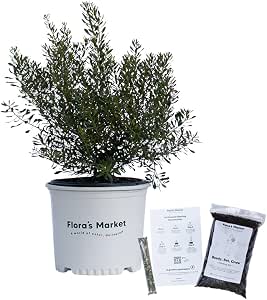 | Best Evergreen Bird Shelter | Plant name: Don’s Dwarf Wax Myrtle (Morella cerifera ‘Don’s Dwarf’) | Container size: 3 gallons | Mature size: 3–4 feet tall and wide | VIEW LATEST PRICE | See Our Full Breakdown |
| 6 Live Japanese Blueberry Plants (Elaeocarpus decipiens) in 2.5-Inch Nursery Cubes |  | Best for a Bird-Friendly Privacy Screen | Plant type: Tree | Scientific name: Elaeocarpus decipiens | Quantity: 6 plants | VIEW LATEST PRICE | See Our Full Breakdown |
| Washington Hawthorn Live Trees (Crataegus phaenopyrum), 2 Trees |  | Best for Seasonal Bird Food | Species: Crataegus phaenopyrum | Quantity: Title says 2 trees; description says 3 trees | Sunlight exposure: Partial shade | VIEW LATEST PRICE | See Our Full Breakdown |
| Little John Dwarf Bottlebrush Live Plants, 10-Pack |  | Best Compact Pick for Hummingbirds | Plant name: Little John dwarf bottlebrush | Scientific name: Callistemon | Quantity: 10 live plants | VIEW LATEST PRICE | See Our Full Breakdown |
| compact trees for attracting bird | Hardiness zones | Sunlight | Plant type | Mature height |
|---|---|---|---|---|
| 77+ Pink Mimosa Tree Seeds for | USDA 6–9 | Full sun | — | — |
| Bird’s Nest Spruce | USDA 3–8 | — | Evergreen shrub | 2–3 ft |
| Dwarf Weeping Bottlebrush Tree | USDA 8B–11 | Full sun; 6–8 hours daily | — | 10–12 ft |
| White Dogwood Tree | USDA 5–9 | Partial shade | White Dogwood tree | 15–25 ft |
| Perfect Plants Little Gem Magn | — | Full sun | Live evergreen tree | 20–25 ft |
| Arbutus Unedo Live Strawberry | 7–10 | Full sun to partial shade | — | 10–15 feet |
| Soft Touch Holly | 6a–8b | — | Evergreen shrub | — |
| American Beautyberry Shrub | 5–10 | Full sun | Shrub | — |
| Don’s Dwarf Wax Myrtle | 7–10 | — | — | — |
| 6 Live Japanese Blueberry Plan | 8–11 | — | Tree | 15–20 feet |
| Washington Hawthorn Live Trees | — | — | — | — |
| Little John Dwarf Bottlebrush | — | — | — | — |
More Details on Our Top Picks
77+ Pink Mimosa Tree Seeds for Planting
Pink mimosa is the bird-attracting choice for gardeners who want quick-growing summer cover and can grow a tree from seed. Its fragrant pink flowers bring pollinators, while the developing canopy can offer birds places to perch and shelter. Compared with the White Dogwood, which has a listed red-berry food source for birds, this packet’s bird appeal is less direct: the product data highlights flowers and pollinators, not berries or bird-specific features.
The 77+ seeds allow for multiple planting attempts, but they also make this a longer-term, less predictable option than buying a rooted tree such as the Bird’s Nest Spruce. Mimosa needs full sun and regular watering while it establishes, even though it tolerates drought later. Choose it for a warm, sunny site in zones 6–9; skip it if you need an immediately established compact tree or dependable berry forage.
Pros:- 77+ seeds provide multiple chances to grow plants or try more than one planting location.
- Fragrant pink summer flowers add seasonal garden interest and attract pollinators.
- Drought tolerant once established.
- Suitable for outdoor planting in USDA zones 6–9.
Cons:- Requires full sun, limiting placement in shaded gardens.
- Needs regular watering while establishing.
- Seed-grown results take more time and are less immediate than the rooted Bird’s Nest Spruce.
Best for: Gardeners in USDA zones 6–9 with a sunny planting site who are comfortable starting several trees from seed for summer flowers and eventual bird cover.
Not ideal for: Buyers seeking an established tree, a shade-tolerant option, or a clearly specified berry food source for birds.
- Plant:Pink mimosa (Albizia julibrissin)
- Seed quantity:77+
- Flower color:Pink
- Blooming period:Spring to summer
- Sunlight:Full sun
- Hardiness zones:USDA 6–9
- Soil:Sandy
- Watering:Regular while establishing
Our verdict“Choose these seeds if you have a sunny zone 6–9 site and want to grow a flowering tree over time, not if you need immediate bird food or established cover.”
Bird’s Nest Spruce (Picea abies ‘Nidiformis’), 3-Gallon Container
Bird’s Nest Spruce earns its place through dense evergreen structure, rather than flowers or fruit. Its slow-growing, spreading form reaches just 2–3 feet tall, giving smaller gardens a low, persistent place for birds to shelter and perch. Compared with the White Dogwood, it does not offer the listed red berries, but its evergreen foliage provides cover beyond the dogwood’s seasonal fruit and foliage.
The rooted 3-gallon plant is a more immediate choice than growing the Pink Mimosa from seed, and it tolerates full sun or partial shade across zones 3–8. The tradeoff is width: a 4–5-foot spread needs room even though the plant stays low. Slow growth also means it is not a quick screen. I would choose it for a cold-hardy garden where shelter matters more than a concentrated food source, and skip it where a compact footprint is the priority.
Pros:- Evergreen, spreading form offers persistent garden structure and potential bird cover.
- Mature height of 2–3 feet suits low plantings and smaller gardens.
- Tolerates full sun or partial shade and cold conditions in zones 3–8.
- Arrives rooted in a 3-gallon trade pot with planting instructions.
Cons:- The 4–5-foot mature spread takes substantial ground space for a low plant.
- Slow growth makes it a poor fit for buyers wanting quick screening.
- Does not provide the listed red berries of the White Dogwood.
Best for: Gardeners in USDA zones 3–8 who want a low evergreen planting for bird shelter and have room for a 4–5-foot spread.
Not ideal for: Those seeking berries, showy bird-attracting flowers, rapid screening, or a plant that stays within a very narrow footprint.
- Plant:Bird’s Nest Spruce (Picea abies ‘Nidiformis’)
- Plant type:Evergreen shrub
- Container:3-gallon trade pot
- Mature height:2–3 ft
- Mature spread:4–5 ft
- Hardiness zones:USDA 3–8
- Sun exposure:Full sun or partial shade
- Growth habit:Slow-growing and spreading
Our verdict“Pick this spruce for dependable low evergreen cover in a cold-climate garden, provided you can accommodate its broad spread.”
Dwarf Weeping Bottlebrush Tree (Callistemon viminalis ‘Boyette’)
Scarlet spring and fall flowers give this bottlebrush the clearest hummingbird draw among these five picks. It grows about 10–12 feet tall, making it more of a small ornamental tree than a truly miniature choice. Compared with the Bird’s Nest Spruce, which emphasizes low evergreen shelter, this plant offers a stronger seasonal nectar feature but needs a warmer climate and more sun.
The weeping habit and suitability for bonsai offer some flexibility, yet the listed height still calls for room outdoors. Its zones 8B–11 range is much narrower than the White Dogwood’s zones 5–9, and cold protection may be needed in cooler conditions. Moderate watering and fertile, well-draining soil also matter. Choose it for a warm, bright garden where hummingbirds are the priority; skip it if you need a cold-hardy, low-growing tree or a reliable winter shelter plant.
Pros:- Scarlet flowers in spring and fall attract hummingbirds, butterflies, and other pollinators.
- Weeping growth habit gives the tree a distinct ornamental form.
- Can be grown outdoors or used for bonsai.
- Moderate watering needs once growing conditions are suitable.
Cons:- Hardiness range is limited to USDA zones 8B–11, with cold protection needed in cooler conditions.
- Needs full sun and fertile, well-draining soil.
- At 10–12 feet, it is taller than low-growing options such as the Bird’s Nest Spruce.
Best for: Gardeners in USDA zones 8B–11 with a sunny outdoor site who want scarlet flowers that attract hummingbirds and can allow for a 10–12-foot tree.
Not ideal for: Gardeners in cold climates, shaded yards, or very small spaces that cannot accommodate its listed mature height.
- Scientific name:Callistemon viminalis ‘Boyette’
- Mature height:10–12 ft
- Starting size:8–12 inches tall
- Pot size:4 inches
- Flower color:Scarlet red
- Bloom period:Spring and fall
- Sunlight:Full sun; 6–8 hours daily
- Hardiness zones:USDA 8B–11
Our verdict“Choose this bottlebrush for a warm, sunny garden where hummingbird-attracting blooms matter more than cold tolerance or a very small mature size.”
White Dogwood Tree, 1 Gallon Nursery Pot
The White Dogwood makes the strongest food-focused case for birds among these options: its bright red berries are listed as attracting birds and wildlife. Spring blooms, red-purple fall foliage, and charcoal bark also give it interest across the year. Compared with the Dwarf Weeping Bottlebrush, which is better suited to attracting hummingbirds with scarlet flowers, the dogwood offers a berry crop rather than a nectar-centered appeal.
That broader seasonal value comes with a size tradeoff. At 15–25 feet tall and up to 25 feet wide, it is not a compact choice for a tight yard, even though it arrives in a 1-gallon pot. It suits zones 5–9 and partial shade, but its preference for well-drained, slightly acidic soil narrows the best planting sites. I would select it where berry-bearing bird appeal outweighs a small mature footprint; the Bird’s Nest Spruce is a better fit for low evergreen cover.
Pros:- Bright red berries provide a listed food source that attracts birds and wildlife.
- Offers spring blooms, fall foliage color, and distinctive charcoal-colored bark.
- Partial-shade suitability gives it more placement flexibility than the full-sun bottlebrush.
- Hardy across USDA zones 5–9.
Cons:- Mature height of 15–25 feet and spread of up to 25 feet exceed a compact garden footprint.
- Does best in well-drained, slightly acidic soil.
- Cannot ship to California, Arizona, Alaska, or Hawaii.
Best for: Bird-minded gardeners in USDA zones 5–9 with space for a broad tree and well-drained, slightly acidic soil who want seasonal berries and landscape interest.
Not ideal for: People with small yards, alkaline or poorly drained soil, or a need for a genuinely compact mature tree.
- Plant type:White Dogwood tree
- Container:1-gallon nursery pot
- Hardiness zones:USDA 5–9
- Mature height:15–25 ft
- Mature spread:Up to 25 ft
- Sunlight:Partial shade
- Soil:Well-drained, slightly acidic
- Berry color:Bright red
Our verdict“Choose the dogwood if bird-attracting berries and year-round seasonal interest matter more than keeping the mature tree small.”
Perfect Plants Little Gem Magnolia Live Tree, 1–2 ft
Little Gem Magnolia brings evergreen foliage and fragrant flowers in a narrower form than the White Dogwood, which can spread up to 25 feet. That makes it a better option where a defined, upright shape suits the space. Its creamy white flowers add seasonal interest, but the product details do not list berries or a specific bird-attracting feature, so its contribution to birds is more likely through garden structure than a documented food source.
Despite its compact name, this is not a small mature tree: it can reach 20–25 feet tall and 10–15 feet wide. The Bird’s Nest Spruce is far more compact in height, while Little Gem suits buyers who can give a tree vertical room and want evergreen foliage without regular pruning. It needs full sun and moderate watering, and shipping excludes Arizona and California. I would pass if a small mature footprint or direct berry forage is the priority.
Pros:- Evergreen foliage provides year-round structure.
- Fragrant, creamy white flowers measure 4–6 inches.
- Narrow growth habit is less spreading than the White Dogwood.
- Regular pruning is not needed to maintain its shape, and plant food is included.
Cons:- Mature height of 20–25 feet is too large for many compact yards.
- Requires full sun and moderate watering.
- Does not ship to Arizona or California, and bird food is not listed as a feature.
Best for: Gardeners with a sunny site and room for a narrow 20–25-foot evergreen who want year-round foliage and fragrant flowers without routine shaping.
Not ideal for: Small-space gardeners seeking a genuinely dwarf tree, a shade-tolerant plant, or a listed berry source for birds.
- Plant type:Live evergreen tree
- Starting height:1–2 ft
- Mature height:20–25 ft
- Mature width:10–15 ft
- Flower color:Creamy white
- Flower size:4–6 inches
- Sunlight:Full sun
- Included:Plant food
Our verdict“Choose Little Gem if you have vertical space for a narrow evergreen and value flowers and foliage over a compact mature height or berry-based bird appeal.”
Arbutus Unedo Live Strawberry Tree Plants, 2-Pack
I’d choose this pair for a warm-climate garden where bird-attracting fruit and edible harvests matter as much as compact form. Strawberry trees produce red-orange berries, and their 10–15-foot mature height can be managed with pruning, though they need more room than Soft Touch Holly. Two plants also give you a starting pair rather than a single specimen, while the 2.5-inch nursery cubes mean they arrive small and will need time and care to establish. The tree suits full sun or partial shade and is listed for zones 7–10; drought tolerance helps once established, but the stated moderate watering needs still call for attention. Compared with the low-growing holly, this is a better pick for fruit and vertical presence, not for an immediately tidy border.
Pros:- Red-orange edible berries offer food for birds and a harvest for the gardener.
- Two plants provide more than one planting site or a starting pair.
- Can be pruned to fit a smaller garden than its 10–15-foot mature height suggests.
- Drought-tolerant once established and grows in full sun or partial shade.
Cons:- The 2.5-inch nursery cubes arrive small and need time to develop into bird-supporting trees.
- Its 10–15-foot potential makes it less naturally compact than Soft Touch Holly.
- Outdoor suitability is limited to USDA zones 7–10 and moderate watering is specified.
Best for: Gardeners in USDA zones 7–10 who want bird-attracting berries they can also eat and have room to prune a small tree.
Not ideal for: Buyers who need a ready-made compact shrub, live outside zones 7–10, or cannot provide moderate watering while the young plants establish.
- Plant:Arbutus unedo (strawberry tree)
- Quantity:2 plants
- Nursery cube size:2.5 inches
- Mature height:10–15 feet
- Sunlight:Full sun to partial shade
- Moisture:Moderate watering
- Hardiness zones:7–10
- Use:Outdoor
Our verdict“Choose this pair if you want edible, bird-attracting fruit and can manage a prunable small tree in zones 7–10.”
Soft Touch Holly (2.5-Gallon) Compact Evergreen Shrub, Ilex crenata
For a garden with little room to spare, this is the most restrained option in this group: 2–3 feet tall and 3–4 feet wide, with evergreen foliage that keeps shelter available beyond the berry season. Flowers and berries can attract birds and butterflies, though the product data does not describe the fruit as the main draw in the way the strawberry tree does. Its 2.5-gallon container also gives buyers a larger starting plant than the 2.5-inch cubes holding the Arbutus unedo pair. That convenience comes with a first-season chore: watering is recommended two to three times weekly. Compared with Don’s Dwarf Wax Myrtle, Soft Touch Holly takes less space and has a more formal rounded shape, but its listed hardiness range ends at zone 8b.
Pros:- Compact 2–3-foot height suits tight beds and low hedges.
- Evergreen foliage provides year-round structure and potential cover.
- Rounded form tolerates pruning and works in mass plantings.
- Flowers and berries can attract birds and butterflies.
Cons:- Needs watering two to three times per week during its first growing season.
- Its 3–4-foot width still needs room when planted in multiples.
- Hardiness is limited to zones 6a–8b, and arrival in bloom is not guaranteed.
Best for: Gardeners in zones 6a–8b who want a small evergreen shrub for a compact border, low hedge, or bird-friendly planting.
Not ideal for: Buyers seeking a fruit-focused bird tree, a plant for zones outside 6a–8b, or one that needs little watering during its first growing season.
- Plant type:Evergreen shrub
- Scientific name:Ilex crenata
- Container size:2.5 gallons
- Mature size:2–3 feet tall and 3–4 feet wide
- Sun exposure:Full sun to partial shade
- Hardiness zones:6a–8b
- Soil:Loam; prefers slightly acidic, well-draining soil
- First-season watering:2–3 times per week
Our verdict“Pick Soft Touch Holly for a small, evergreen bird-friendly planting when compact dimensions matter more than a large berry crop.”
American Beautyberry Shrub, Quart Pot, 6–12 Inches Tall
American beautyberry earns its place through a seasonal payoff: purple berries in fall and winter, when the garden’s color and food sources can be less abundant. It can attract birds, and its June-to-August flowers add a pollinator benefit before the fruit appears. This is not the smallest mature choice: at 6–10 feet tall and wide, it needs more space than Soft Touch Holly or Don’s Dwarf Wax Myrtle. It arrives just 6–12 inches tall in a quart pot, so buyers should expect a young plant rather than quick screening. Planting several shrubs is recommended for better berry production, which increases the space commitment but may make this a stronger fruit-focused planting than a single specimen. Check the listed shipping restrictions before ordering.
Pros:- Purple berries provide a distinctive fall and winter food source for birds.
- Summer flowers can support pollinators before the berry season.
- Hardy across zones 5–10, a broader range than several other picks here.
- Described as low maintenance with a medium-to-fast growth rate.
Cons:- Mature size of 6–10 feet tall and wide is not suited to the tightest spaces.
- Better berry production calls for planting multiple shrubs.
- Orders to Arizona, California, Colorado, Idaho, Montana, Oregon, or Washington are listed as restricted.
Best for: Gardeners with room for a group planting who want vivid fall and winter berries to support birds and seasonal garden color.
Not ideal for: Small-yard buyers seeking a compact mature shrub, anyone wanting a single plant to maximize berry production, or customers in the listed restricted states.
- Plant type:Shrub
- Quantity:1
- Pot size:Quart
- Height at shipment:6–12 inches
- Mature size:6–10 feet tall and wide
- Hardiness zones:5–10
- Sunlight:Full sun
- Flowering period:June to August
- Berry color:Purple
Our verdict“Choose beautyberry if you have room for multiple shrubs and want fall-to-winter berries to draw birds.”
Don’s Dwarf Wax Myrtle, 3 Gallon, with Planting Kit
Don’s Dwarf Wax Myrtle is a practical choice when year-round cover matters more than showy flowers. Its dense, aromatic evergreen foliage stays present through the seasons, while berries provide the direct bird-attracting feature. At 3–4 feet tall and wide, it is larger than Soft Touch Holly but still far more manageable than the 10–15-foot strawberry tree. The 3-gallon container and included fertilizer, planting mix, and guide give buyers more setup support than the quart-pot beautyberry, though a kit cannot overcome the limited hardiness range. This shrub suits full sun to partial shade and tolerates drought and salt, making it a useful fit for some exposed sites. Skip it if you garden outside zones 7–10 or want conspicuous blooms.
Pros:- Dense evergreen foliage offers year-round structure and cover.
- Berries attract birds while aromatic foliage adds another garden feature.
- Drought and salt tolerance suit some challenging outdoor sites.
- Includes fertilizer, planting mix, and a planting guide.
Cons:- Hardiness is limited to USDA zones 7–10.
- Small, inconspicuous flowers provide little ornamental display.
- Its 3–4-foot spread is wider than Soft Touch Holly’s stated mature height.
Best for: Gardeners in zones 7–10 who want a compact evergreen with bird-attracting berries and added planting materials.
Not ideal for: Buyers outside zones 7–10, those seeking showy flowers, or gardeners who need a shrub smaller than 3 feet in either direction.
- Plant name:Don’s Dwarf Wax Myrtle (Morella cerifera ‘Don’s Dwarf’)
- Container size:3 gallons
- Mature size:3–4 feet tall and wide
- Hardiness zones:7–10
- Light:Full sun to partial shade
- Foliage:Evergreen and aromatic
- Included:Fertilizer, planting mix, and planting guide
- Guarantee:30-day grower guarantee
Our verdict“Choose Don’s Dwarf Wax Myrtle for evergreen bird cover and berries if your garden falls within zones 7–10.”
6 Live Japanese Blueberry Plants (Elaeocarpus decipiens) in 2.5-Inch Nursery Cubes
This six-plant set is for buyers planning a screen or hedge, not for anyone seeking a truly small tree. Japanese blueberry trees can reach 15–20 feet, and their evergreen foliage, blooms, and berries give the planting several ways to support birds and pollinators. Six plants make a grouped screen more feasible than buying a single strawberry tree, but each arrives in a 2.5-inch nursery cube, so the finished barrier will take time to develop. Pruning can shape the hedge, yet controlling height adds ongoing work. Compared with Don’s Dwarf Wax Myrtle, this option offers much greater screening potential and a broader stated zone range of 8–11, but it demands substantially more vertical space. I’d choose it only where that future scale fits.
Pros:- Six plants can be arranged as a hedge or privacy screen.
- Evergreen leaves with red accents provide year-round visual interest.
- Blooms and berries can attract birds and pollinators.
- Listed for zones 8–11 and described as tolerant of heat and cold.
Cons:- Mature height of 15–20 feet makes this the least compact choice in this batch.
- Small 2.5-inch nursery cubes need time to grow into an effective screen.
- Pruning is needed to maintain a chosen height, and the zone range is limited.
Best for: Homeowners in zones 8–11 who want multiple young evergreens for a bird-friendly hedge or privacy screen and can allow them to mature.
Not ideal for: Small-yard gardeners who need a naturally compact tree, buyers unwilling to prune, or anyone outside zones 8–11.
- Plant type:Tree
- Scientific name:Elaeocarpus decipiens
- Quantity:6 plants
- Nursery cube size:2.5 inches
- Mature height:15–20 feet
- Hardiness zones:8–11
- Use:Outdoor
- Listed feature:GMO-free
Our verdict“Choose this set for a long-term evergreen screen that can attract birds, not for a compact standalone tree.”
Washington Hawthorn Live Trees (Crataegus phaenopyrum), 2 Trees
Washington hawthorn earns its place through berries: its red fruit can persist into fall and winter, when birds may have fewer food sources. White spring flowers and summer foliage add seasonal interest, while the compact, rounded canopy suits a smaller yard better than a spreading shade tree. Compared with the Little John Dwarf Bottlebrush, this is the stronger pick for berry-feeding birds; the bottlebrush instead offers evergreen cover and flowers that can draw hummingbirds. The hawthorn’s appeal depends on growing conditions and berry production, and its listing has a practical uncertainty: the title says two trees, but the description says three. I’d confirm the quantity before ordering, and skip it if year-round evergreen foliage is your main goal.
Pros:- Red berries can attract birds and remain into fall and winter
- Compact, rounded canopy fits smaller yards and borders
- White spring flowers and green summer foliage provide seasonal interest
- Described as adaptable to varied growing conditions
Cons:- Listing quantity conflicts: title says two trees, description says three
- Not evergreen, so it does not provide year-round foliage cover
- Berry availability and bird use depend on growing conditions
Best for: Small-yard gardeners seeking a compact tree with persistent red berries that can feed birds into fall and winter
Not ideal for: Buyers who need evergreen screening, primarily want hummingbird-attracting flowers, or require a confirmed plant quantity without checking the listing
- Species:Crataegus phaenopyrum
- Quantity:Title says 2 trees; description says 3 trees
- Sunlight exposure:Partial shade
- Flower color:White
- Berry color:Red
- Canopy:Compact and rounded
- Brand:CZ Grain
Our verdict“Choose this hawthorn for compact structure and seasonal berries for birds, but confirm whether the order contains two trees or three.”
Little John Dwarf Bottlebrush Live Plants, 10-Pack
Little John is the more space-efficient choice for gardeners hoping to draw hummingbirds with flowers rather than provide winter berries. At about 3 feet tall and 5 feet wide, this evergreen shrub keeps a low profile while its deep red blooms appear from spring into summer, sometimes returning in warm climates. The 10-plant pack suits a border or grouped planting better than the Washington hawthorn, which offers a tree-like rounded canopy and bird-attracting fruit. Bottlebrush does ask more of the site: it prefers full sun and well-drained, lightly acidic soil, and needs regular watering through its first growing season. Its drought tolerance applies once established in suitable climates, not automatically in hot, arid conditions. I’d pass if the planting area is shaded or the soil is alkaline.
Pros:- Compact mature size suits smaller gardens and borders
- Red spring-to-summer flowers can attract hummingbirds
- Evergreen blue-green foliage adds cover and visual interest
- Can tolerate drought once established in suitable climates
Cons:- Needs regular watering during its first growing season
- Prefers well-drained, lightly acidic soil and may struggle in alkaline soil
- Drought tolerance is limited in hot, arid conditions
Best for: Gardeners in suitable climates who want a low, evergreen planting with red flowers that can attract hummingbirds
Not ideal for: Buyers with shaded or alkaline-soil sites, or those seeking a berry-producing tree for fall and winter bird food
- Plant name:Little John dwarf bottlebrush
- Scientific name:Callistemon
- Quantity:10 live plants
- Mature size:About 3 feet tall by 5 feet wide
- Foliage:Evergreen, blue-green, citrus-scented when crushed
- Flower color and season:Deep red; spring into summer, with intermittent blooms in warm climates
- Light:Full sun
- Soil:Well-drained, lightly acidic soil
- Watering:Regularly during the first growing season; reduce once established
Our verdict“Choose this 10-pack for a sunny, well-drained garden where compact evergreen foliage and hummingbird-attracting blooms matter more than berries.”
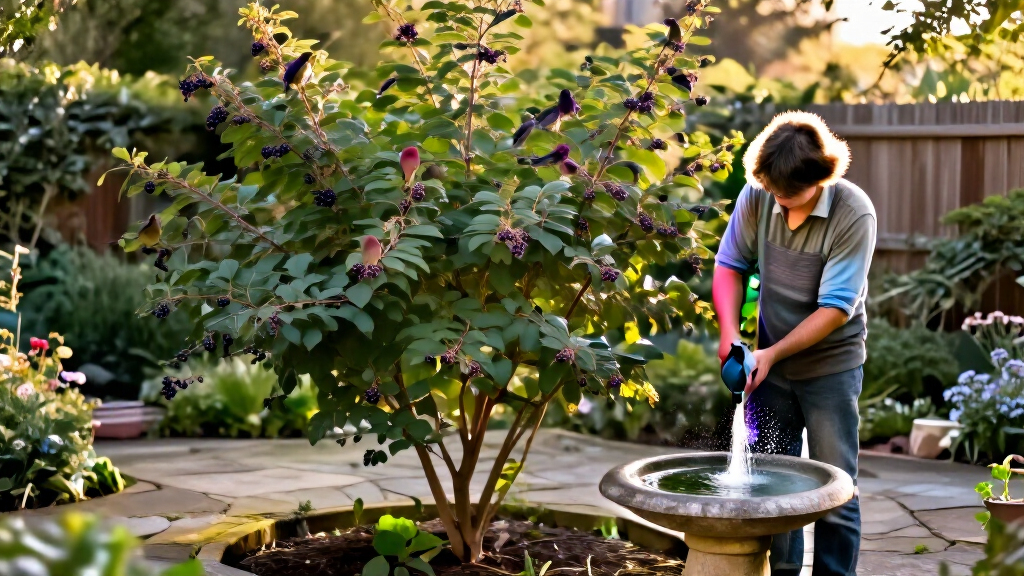
How We Picked
I ranked these options by how directly their listed traits support birds: fruit or berries as food, dense branches as shelter, and flowers or structure that add habitat value. I also weighed compactness, whether the listing is a tree, shrub, seed, or small starter plant, and how much patience and upkeep a buyer may need before it becomes useful. A plant’s bird appeal depends on local species, climate, and growing conditions, so I favored options with a clear habitat role rather than treating ornamental appeal alone as proof of bird value.
The order reflects usefulness for a small bird-friendly garden, not a claim that one species suits every region. Beautyberry ranks first for its direct seasonal food benefit; Bird’s Nest Spruce follows for persistent cover; and Dogwood earns a high place for its mix of flowers and fruit. Options with less direct food value, uncertain mature scale, or a longer path from seed or small starter plant rank lower. I also distinguish shrubs and multi-plant packs from established trees so buyers can judge the actual space and wait involved.
| compact trees for attracting bird | Sunlight | Plant type |
|---|---|---|
| 77+ Pink Mimosa Tree Seeds for | Full sun | — |
| Bird’s Nest Spruce | — | Evergreen shrub |
| Dwarf Weeping Bottlebrush Tree | Full sun; 6–8 hours daily | — |
| White Dogwood Tree | Partial shade | White Dogwood tree |
| Perfect Plants Little Gem Magn | Full sun | Live evergreen tree |
| Arbutus Unedo Live Strawberry | Full sun to partial shade | — |
| Soft Touch Holly | — | Evergreen shrub |
| American Beautyberry Shrub | Full sun | Shrub |
| Don’s Dwarf Wax Myrtle | — | — |
| 6 Live Japanese Blueberry Plan | — | Tree |
| Washington Hawthorn Live Trees | — | — |
| Little John Dwarf Bottlebrush | — | — |
Factors to Consider When Choosing Best Compact Trees For Attracting Birds
Choosing a compact tree for birds starts with the habitat role you lack, not with the plant label. A small garden often benefits more from a dependable food source or dense shelter than from adding another ornamental with limited wildlife value.
Choose the Bird Benefit You Need
Fruit and berries can feed birds at particular points in the year, while dense evergreen branches offer cover across seasons. Flowering trees may attract insects, which can matter to birds that feed on them, but flowers alone do not promise a lasting food supply. Decide whether your yard is short on food, shelter, or both before choosing a plant. A mix of species with different roles can serve more birds than several plants that all provide the same seasonal benefit. Avoid assuming that an attractive bloom automatically makes a plant the strongest bird option.
Check Mature Width, Not Just the Listing Height
A young plant’s current size can make it appear suitable for a narrow bed even when its mature spread is much larger. Look up expected mature height and width for your growing region, then leave room for branches, access, and nearby structures. Compact growth habits can still spread sideways, and shrubs may fill a space more quickly than tree-form plants. Planting too close to a fence or building can force repeated pruning that reduces cover and fruiting wood. If the space is tight, prioritize a naturally compact variety rather than planning to control a large plant through constant cutting.
Match the Plant to Your Climate and Site
Cold tolerance, heat, humidity, drainage, and sunlight all affect whether a plant can establish and produce the features birds use. Some options in this roundup, including Bottlebrush and Strawberry Tree, are better suited to particular climates than a broadly adaptable native plant may be. Check local hardiness guidance and confirm that your soil and light match the plant’s needs before ordering. A stressed tree may flower or fruit poorly even if it survives. Regional native-plant resources can also help identify which species local birds already use.
Factor in Time to Establish and Product Form
Seeds, nursery cubes, small plugs, and larger potted plants do not provide the same immediate garden impact. A seed-grown Mimosa or a set of small Japanese Blueberry plants may take longer to form useful cover than a more established container plant. Multi-plant packs can fill a wider area, but they also require suitable spacing and care for each plant. Read the listed form and size carefully instead of treating every listing as a mature tree. If birds need cover soon, a larger plant or a combination of established shrubs and trees may make more sense.
Plan for Maintenance Without Removing Bird Habitat
Pruning, watering, and cleanup needs vary, and some routine garden habits can remove the very features birds use. Heavy trimming may cut away flowers or fruiting branches, while frequent shaping can leave a dense plant less useful as cover. Ask whether you can let berries remain on the plant and tolerate a more natural shape. Newly planted trees need attention while roots establish, even if the mature plant is relatively low-maintenance. Choose a care level you can sustain rather than relying on a low-maintenance claim without checking the plant’s needs.
Think Beyond a Single Plant
A compact tree works best as part of a layered habitat, with plants of different heights and seasonal benefits. One fruiting shrub cannot provide the same combination of nesting cover, perches, and food that a small group of varied plants can offer. If space permits, pair a food-bearing option with an evergreen or dense shrub, while keeping sight lines and access in mind. Avoid planting multiple species with the same fruiting season if your goal is a longer food window. A varied planting also spreads risk if one plant struggles in a difficult season.
Frequently Asked Questions
Which pick makes the most sense if I have room for only one plant?
For a food-first choice, American Beautyberry has the clearest role in this lineup because its seasonal berries can feed birds. If your main gap is shelter through the year, Bird’s Nest Spruce may be a better single plant because its dense evergreen form serves a different purpose. White Dogwood is a reasonable middle ground if you want ornamental flowers as well as fruit. Before choosing, check the mature spread and local climate fit, since a compact label does not guarantee that a plant suits every small yard. The best one-plant choice depends on which habitat resource your garden lacks.
Are the seed and small-plant listings a good choice if I want birds soon?
They are generally better for buyers willing to wait for plants to establish and grow. Seeds and nursery cubes do not offer immediate shelter, and a young plant may need time before it produces meaningful flowers or fruit. A larger container plant, such as the Bird’s Nest Spruce or the potted Dogwood, may give a garden a more substantial structure sooner, though establishment still takes time. Check the listed plant form and size rather than comparing names alone. If near-term bird cover is your priority, consider combining a ready-to-plant shrub with a slower-growing option.
Should I choose an evergreen or a berry-producing plant?
Choose based on the resource your yard lacks most: evergreen branches can offer persistent cover, while fruiting plants supply food when their berries are available. Bird’s Nest Spruce represents the cover-first approach, while American Beautyberry represents a more direct seasonal food option. Neither role replaces the other, and local bird species may use the plants differently. If you have space, combining an evergreen with a fruit-bearing shrub can create more varied habitat than choosing between them. If you can plant only one, prioritize the benefit your existing garden does not already provide.
How can I tell whether a compact tree will stay small enough?
Look for mature height and width for your region, not only the size shown for the plant at shipping. Compare those dimensions with the available planting area and allow room for natural growth rather than relying on frequent pruning. Some entries here are shrubs or multi-plant packs, which can spread across a bed even when each plant starts small. Ask a local nursery or extension service about expected size under your conditions if published ranges vary. A plant that fits only with continual cutting may not be the right compact choice.
Do I need to plant native species to attract birds?
Native plants are often a strong starting point because local birds may already use them for food or cover, but a nonnative plant can still offer habitat value where it grows well and is not invasive. Check regional guidance before buying, especially for species that may spread beyond a garden. The listings in this roundup span different climates and plant types, so suitability varies by location. Also consider what the plant provides: fruit, flowers, insects, or shelter. Local native-plant and wildlife organizations can help match choices to the birds you hope to support.
Conclusion
Choose American Beautyberry as my best overall if seasonal berries are your priority, and pick Bird’s Nest Spruce for lasting evergreen cover. For a balanced ornamental with flowers and fruit, White Dogwood is my strongest fit; for a more established-looking container option, consider the potted Dogwood or Little Gem Magnolia, while checking that its habitat role matches your needs. I would treat the seed, cube, and small-pack listings as value-oriented choices for patient gardeners, not instant bird cover. Beginners should favor a plant suited to their local climate and a manageable container size, then follow local planting guidance. Buyers with specific needs can choose Beautyberry for berries, Spruce for shelter, or a climate-matched Bottlebrush or Wax Myrtle for their regional garden. Before ordering, confirm mature dimensions and local suitability—the right compact plant is the one that fits both your space and the birds you want to support.
Fall yard work Picks
leaf blowers
As an affiliate, we earn on qualifying purchases.