TL;DR

Get garden gear delivered free with Prime
- Fast, free delivery on millions of items
- Prime Video, Amazon Music and more included
- Member-only deals all year
An Ideal Home gardening report outlines five ways to reuse autumn plant clippings: make leaf mould, chop and drop suitable stems, create wildlife shelter, compost appropriate material and apply clippings as mulch. The experts quoted advise keeping diseased plants, perennial weeds and seed-bearing material out of compost, and using fresh grass clippings only in a thin layer.
An Ideal Home report has outlined five ways to reuse autumn garden clippings, including turning leaves into leaf mould, composting suitable material and leaving chopped stems on borders. The advice, attributed to gardening specialists, offers readers ways to make use of pruning leftovers while avoiding practices that could spread weeds or disease or damage plants.
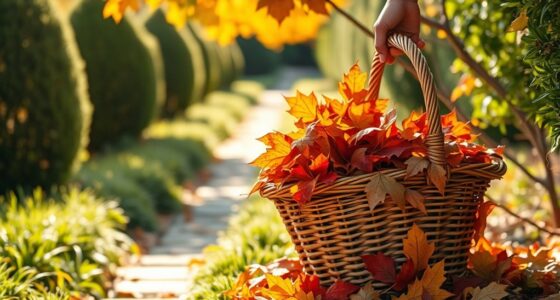
For leaf mould, horticultural expert Richard Barker recommends gathering leaves from deciduous plants, placing them in a black bag with air and drainage holes, and leaving them to break down for about a year. The finished material should be dark and crumbly, and can be used as mulch or mixed with compost when planting, according to the report.
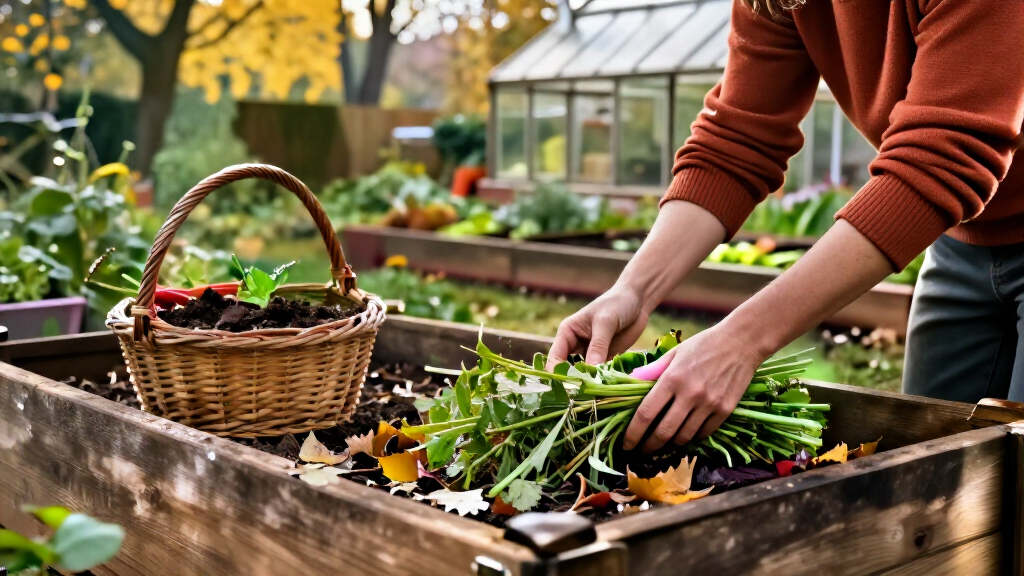
Gardening expert Melissa Quinney recommends chop and drop for suitable herbaceous border material: cut spent stems and foliage into smaller pieces and leave them on the soil surface. She says they can decompose over winter, returning material to the soil and providing habitat for beneficial insects. Clippings can also be put in a compost heap, but the report advises excluding perennial weeds, diseased plants and material that has gone to seed.
The other options are to retain some clippings as wildlife shelter and use suitable material as mulch around plants. Barker says piles of grass and hollow trimmed stems can shelter insects, while decomposing material can attract fungi and earthworms. For mulch, he cautions against placing thick, wet grass over plant crowns because it can become slimy, restrict air and contribute to stem rot.
How Clippings Can Support Garden Soil
These methods give gardeners alternatives to removing every pruning leftover, with potential benefits for soil condition, compost supplies and wildlife habitat. Leaf mould takes around a year to prepare, while material left to break down on borders or in a compost heap may contribute to soil as it decomposes. The report presents these as practical options, not guaranteed outcomes for every garden or every type of clipping.
Choosing the right method matters. Diseased or seed-bearing material may cause problems if composted, and a thick layer of wet grass can harm plants. Sorting clippings before reuse helps reduce those risks while allowing suitable leaves and stems to remain in the garden.
Products Worth Considering

14 Pcs Polycarbonate Greenhouse Panels, 6' x 2' x 0.24'' Twin-Wall Panels, Polycarbonate Sheet for All Weather Outdoor Garden and Greenhouse

EGO POWER+ Cordless Leaf Blower, 615 CFM, with 2.5 Ah Battery (LB6151)

EGO Power+ LB8803-2 Cordless Leaf Blower, 880 CFM, with Two 4.0Ah Batteries
As an affiliate, we earn on qualifying purchases.
October Pruning Leaves Useful Material
The report focuses on October pruning of shrubs, trees, hedges and perennials, when gardeners may collect leaves and stems alongside cuttings. Rather than assuming all of this material is waste, it describes five routes for reuse: leaf mould, chop and drop, wildlife shelter, composting and mulching.
The recommendations are attributed to Barker of LBS Horticulture and Quinney of Cabin Master. The source frames the practices as ways to prepare for the coming seasons, including making leaf mould over roughly a year and using compost that may be ready the following spring. It does not provide comparative trials or quantify how much these methods improve soil or support wildlife.
“You can use fallen or clipped leaves in your garden to make leaf mould.”
— Richard Barker, horticultural expert and commercial director of LBS Horticulture, as quoted by Ideal Home
Which Clippings Need Special Care
The guidance does not identify every plant species suitable for each method or specify how to handle all types of diseased material. Gardeners should distinguish healthy leaves and stems from diseased plants, perennial weeds and seed-bearing material, which the report says should not go into compost. It also gives no detailed safety advice for handling thorny or irritating cuttings.
The report describes likely uses and benefits but supplies no measurements of decomposition rates beyond the approximate year for leaf mould, and no study data comparing outcomes. The amount of shelter, soil improvement or compost produced will depend on the material and local conditions; the source does not quantify those results.
Sort and Prepare Autumn Cuttings
Gardeners following the advice can first separate leaves, healthy soft stems and other suitable material from diseased plants, perennial weeds and cuttings that have gone to seed. Deciduous leaves can be bagged with ventilation and drainage holes for leaf mould; suitable perennial stems can be chopped before being left on borders; and compostable material can go into a heap kept moist and turned occasionally, as the experts advise.
For mulch, apply clippings in a thin layer and keep wet grass away from plant crowns. The source gives no fixed schedule for checking a compost heap or a date when all material will be ready. Leaf mould is expected to take about a year, while the report says compost may be ready for use the following spring.
Key Questions
What are the five ways to reuse autumn garden clippings?
The report recommends making leaf mould, chopping and dropping suitable stems on borders, retaining some material as wildlife shelter, composting suitable clippings and using clippings as mulch.
How do you make leaf mould from clipped leaves?
Put leaves from deciduous plants into a black bag with air and drainage holes, loosely tie the top and leave it for about a year. Barker says finished leaf mould should be dark, soft and crumbly.
Which garden clippings should not go in compost?
The report advises keeping perennial weeds, diseased material and anything that has gone to seed out of the compost heap, because they can cause problems later.
Can fresh grass clippings be used as mulch?
Yes, but Barker advises using them as a thin layer. Thick, wet grass over plant crowns can become slimy, block air and contribute to stem rot.
How can clippings help garden wildlife?
Barker says grass piles and hollow trimmed stems can provide places for insects to overwinter. As clippings break down, they can attract fungi and earthworms, which may serve as food for other animals.
Source: rss