
TL;DR
A garden feature showcases 16 ferns for bringing feathery texture and varied color to beds, borders, containers and shaded spaces. It highlights autumn-colored and silver-toned varieties, while noting that hardiness and winter protection needs differ by fern.
A Homes & Gardens garden feature spotlights 16 ferns for adding fine-textured foliage and rich color to borders, beds, containers and shaded corners. The feature points to varieties with copper, silver and pale fronds, while noting that gardeners need to match each fern to local conditions and provide winter protection where needed.

Get garden gear delivered free with Prime
- Fast, free delivery on millions of items
- Prime Video, Amazon Music and more included
- Member-only deals all year
According to the Homes & Gardens feature, ferns are flexible planting choices for shade gardens and tropical-style schemes, as well as for borders, beds and pots. The article says their finely divided fronds can fill spaces between perennials, soften hard landscaping and brighten areas that receive less sun. It offers a garden in Tunbridge Wells, England, as an example of ferns used to fill gaps and soften the setting, though it gives no specific planting plan or growing measurements.
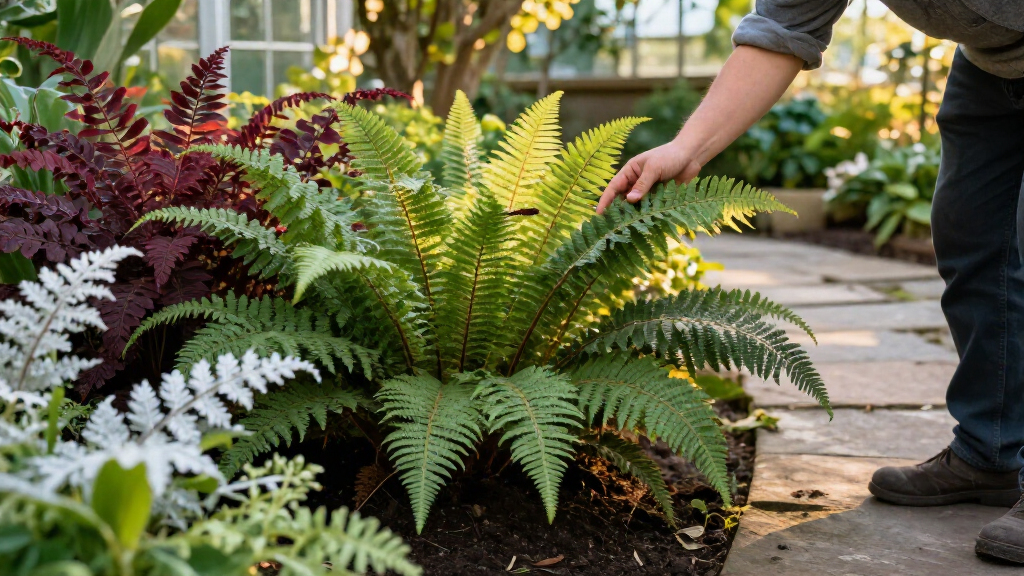
The feature highlights several varieties for their appearance. It says Brilliance Autumn Fern develops coppery-orange tones that deepen as autumn progresses, while the Japanese Painted Fern is described as silvery-red and the Ghost Fern as having pale, shimmering fronds. The article notes that the Australian Tree Fern has a woody, trunk-like stem and can reach up to 13 feet in gardens; it does not specify the conditions or time required to reach that size.
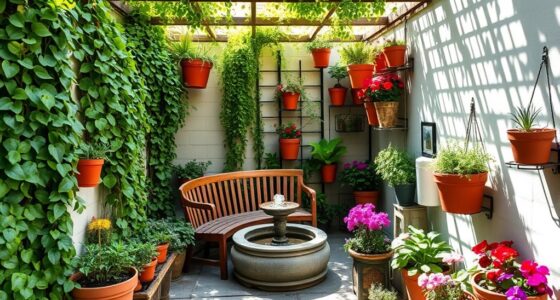
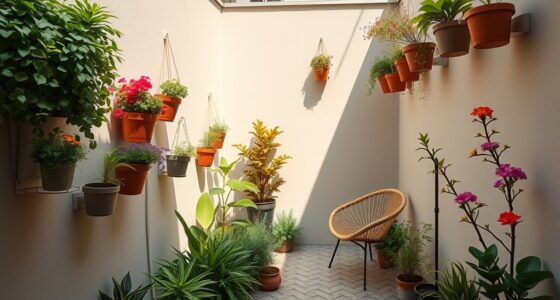
The article also discusses placement and seasonal care. It says ferns can be grown in containers, including near a front door, and suggests terracotta pots as one pairing. The feature notes that some varieties remain evergreen but advises protecting tender plants from winter damage: potted ferns can be moved to a frost-free location, while plants that cannot be moved may need frost cover. It does not provide a complete care schedule for each of the 16 varieties.
Ferns bring texture and color to shaded gardens
Sixteen ferns are featured for beds, borders, containers and shaded spaces. Choose each variety for both its foliage and its local growing conditions.
Color comes in many forms
Contrasting fronds add visual interest among perennials and in shady corners.
Brilliance Autumn Fern
Coppery-orange tones deepen as autumn progresses.
Japanese Painted Fern
Silvery-red fronds bring a cool contrast.
Ghost Fern
Pale, shimmering fronds brighten the planting.
Where ferns can work
Their finely divided fronds can fill gaps and soften hard edges.
- Fill spaces between perennials
- Soften borders and hard landscaping
- Add foliage to shaded corners
- Bring greenery near a front door
- Pair with terracotta pots
- Move tender pots to shelter in cold weather
Match the fern to the site
Hardiness differs, and the feature does not provide complete care profiles for all 16 varieties.
Compare light, exposure and growing requirements with the intended spot.
Check the plant label and local guidance before buying.
Move tender pots to a frost-free place or cover fixed plants when needed.
Ferns Fit More Than Shady Beds
The Homes & Gardens feature presents ferns as useful for more than filling a traditional shady border. It says their frond shape and contrasting foliage colors can add visual variety among perennials, bring greenery to containers and help soften hard edges. The feature describes autumn-tinted varieties as a seasonal color option and says evergreen types may retain foliage through more of the year, subject to growing conditions.
For gardeners, the article’s practical point is that “fern” does not describe a single set of requirements. The feature says varieties differ in hardiness, from ferns that can remain outdoors with little winter protection to types suited to outdoor growing only in the warmest climates. It advises considering local climate, exposure and winter care alongside appearance when choosing plants.
Products Worth Considering

Traeger Woodridge Pro Wood Pellet Grill and Smoker, 970 sq. in., WiFIRE

Garvee 6 × 8 ft Walk-In Greenhouse with Polycarbonate Panels and Aluminum Frame

Garvee 8 × 10 ft Walk-In Polycarbonate Greenhouse
As an affiliate, we earn on qualifying purchases.
Choosing Ferns for Site and Season
The Homes & Gardens feature frames fern selection around two common garden needs: adding foliage to shaded areas and creating a lush, tropical look. It says ferns can be planted in open garden beds or containers, but the supplied details do not list all 16 selections or give their individual soil, moisture and light requirements. The named examples should therefore be treated as a sampling rather than a complete planting guide.
Seasonality is another part of the feature’s advice. It presents the Brilliance Autumn Fern for its changing copper and orange color and describes evergreen ferns as an option for year-round foliage. The article recommends moving containers to a frost-free position or covering fixed plants during cold weather. These are general protective measures, not a guarantee that every fern will tolerate the same winter conditions.
Variety-Specific Care Still Matters
The supplied Homes & Gardens feature details do not identify all 16 ferns, provide a publication date, or give a full care profile for each plant. They also do not make clear which climate or hardiness zone the individual recommendations target, beyond noting that fern hardiness varies. The Australian Tree Fern’s stated potential height of 13 feet is not accompanied by a timeline or growing conditions.
The feature includes no named gardener or horticultural expert quotes and reports no original trials or comparative performance data. Gardeners should check a plant’s label and local guidance before buying, especially for cold tolerance and mature size. The Tunbridge Wells garden is presented as a design example, but does not establish that the same plants will perform similarly elsewhere.
Check Local Growing Requirements
Before planting, gardeners can compare each fern’s light, moisture, mature size and hardiness needs with the conditions at the intended site. The Homes & Gardens feature advises moving frost-sensitive container plants to a sheltered, frost-free place when cold weather approaches; fixed plants may need suitable frost cover.
The feature points readers to additional guidance on ferns in containers and on overwintering. Those resources may offer more detail, but the information presented here does not set out a complete follow-up schedule or announce any further development. The practical next step is to confirm care instructions for each chosen variety before planting.
Source: Homes & Gardens
Key Questions
Where can ferns be planted?
The Homes & Gardens feature says ferns can grow in borders, beds and pots, where they can fill gaps between perennials, soften hard landscaping or add foliage to shadier corners. The right location depends on the variety’s growing requirements.
Which ferns are highlighted for colorful foliage?
The Homes & Gardens feature describes Brilliance Autumn Fern as turning coppery orange in fall. It says the Japanese Painted Fern has silvery-red coloring, while the Ghost Fern has pale, shimmering fronds.
Can ferns grow in containers?
Yes. The Homes & Gardens feature recommends containers as one option, including placement near a front door. It suggests terracotta as a planter style, but does not provide specific container sizes or a complete list of suitable varieties.
How should ferns be protected in winter?
The Homes & Gardens feature says tender ferns in pots can be moved to a frost-free location. For plants in permanent positions, it suggests using frost cover. The protection needed depends on the plant and local climate.
How tall can an Australian Tree Fern grow?
The Homes & Gardens feature says an Australian Tree Fern can reach up to 13 feet in gardens. It does not give a growth timeline or specify the conditions needed to reach that height.
Source: homesandgardens.com