TL;DR
A gardening feature recommends braided Sansevieria cylindrica as a low-maintenance indoor plant for autumn, when daylight is shorter. Experts cited in the article say it tolerates lower-light conditions, but its air-purifying benefits are not quantified, and care advice is to avoid overwatering and cold draughts.
A home and garden article is recommending braided Sansevieria cylindrica as a sculptural houseplant for autumn, citing its tolerance for lower-light rooms and relatively simple care. The plant’s braided stems give it a distinctive shape, but claims that snake plants improve indoor air should not be read as a measured guarantee of cleaner air in a home.

Get garden gear delivered free with Prime
- Fast, free delivery on millions of items
- Prime Video, Amazon Music and more included
- Member-only deals all year
The plant highlighted is Sansevieria cylindrica, also known as a snake plant; the article says its upright leaves are braided to create a more decorative form than the plant’s usual sword-like foliage. It describes the species as suitable for autumn because it can tolerate lower light than many houseplants, while noting that a bright room with indirect light is still a good placement.
Morag Hill, co-founder of The Little Botanical, recommended snake plants and described the braided form as an autumn favourite for its architectural shape. Andy Little, a houseplant buyer at British Garden Centres, said the plants do not require the humidity, bright light or frequent attention that some other houseplants need. Those comments are expert recommendations, not a guarantee that every plant will thrive in every indoor setting.
For care, the advice is to use well-draining soil, avoid overwatering, and keep the plant away from cold draughts and hot radiators. The article says feeding can wait until spring and suggests wiping dust from the leaves occasionally. It also proposes offices, hallways and living rooms as possible placements, depending on the available space and light.
A braided plant for autumn with simple care
Braided Sansevieria cylindrica brings an architectural shape to indoor spaces and can tolerate lower light. Its air-cleaning benefits are not measured in the article.
Why this plant
Its upright braided leaves suit smaller spaces, while bright, indirect light is recommended when available.
Sculptural shape
The braided leaves give this snake plant a distinctive decorative form.
Flexible rooms
Offices, hallways and living rooms may work, depending on space and light.
Care through autumn
The advice focuses on drainage, careful watering and protection from temperature extremes.
Use bright, indirect light where possible; the plant can tolerate lower-light conditions.
Use well-draining soil and avoid overwatering. No fixed watering schedule is given.
Keep it away from cold draughts and hot radiators. Wait until spring to feed and wipe dusty leaves occasionally.
Air quality claims
The article gives no measurements or study details showing an effect in a typical home.
- Snake plants are associated with indoor air purification.
- Large leaves are said to collect dust.
- No measured benefit is provided.
- Do not treat the plant as a substitute for ventilation.
A Sculptural Plant for Dimmer Rooms
The recommendation is timely for households looking for greenery as autumn brings shorter days and less consistent natural light. A plant that tolerates some lower-light conditions may give people more options for hallways, offices or corners that are not suitable for sun-loving varieties. Its narrow, upright form may also suit small spaces where a spreading plant would be harder to place.
The air-quality claims need a distinction between a plant’s general reputation and a demonstrated result in a lived-in room. Hill said snake plants are known to help purify indoor air, and the article also associates their large leaves with collecting dust. It provides no measurements, study details or estimate of how much air a braided snake plant might affect. Readers should treat those points as claims in the article, not as proof that one plant can replace ventilation or other measures to manage indoor air.
Products Worth Considering

Greenworks 48V 21-Inch Self-Propelled Mower, Trimmer, and Blower Combo Kit
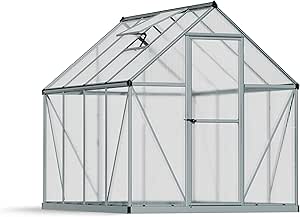
Palram Canopia Mythos 6' x 8' Polycarbonate Greenhouse, Silver

Husqvarna 120 Mark III 16-Inch Gas Chainsaw, 38 cc
As an affiliate, we earn on qualifying purchases.
What the Autumn Care Advice Says
Snake plants are often presented as forgiving houseplants because they need less frequent watering than plants that prefer consistently moist soil. The article describes them as semi-succulents, linking their firm, rigid leaves with their ability to cope with periods between watering. That does not mean they are indestructible: overwatering is specifically identified as something to avoid.
The seasonal guidance is straightforward: provide bright, indirect light where possible, accept that a somewhat darker position may work, and protect the plant from cold draughts and direct heat from radiators. No feeding is recommended until spring. The article also suggests a potting mix with good drainage and occasional leaf cleaning. It names several shopping options, including planters and a cacti-and-succulent mix, but does not provide comparative testing or independent assessments of those products.
“Our favourite for autumn is the braided Sansevieria, as it’s architectural like other snake plants but its braided effect makes it look completely unique.”
— Morag Hill, co-founder of The Little Botanical
Air-Cleaning Claims Lack Measurements
The article does not supply research, testing or measurements showing how much a braided snake plant changes indoor air quality or reduces dust. It also does not specify how many plants, what room size or what conditions would be needed for any measurable effect. The air-purifying language is attributed to Hill’s recommendation and presented as a general claim, rather than a quantified result.
It is also unclear how well a particular plant will manage in a specific home: light levels, watering habits and room temperature differ. The article gives broad care guidance but no detailed troubleshooting advice or guarantees about growth. Its product suggestions are shopping recommendations, not evidence that those items are necessary.
Care Through the Darker Months
For readers choosing a braided Sansevieria, the practical next step is to place it where it can receive indirect light, keep it away from cold draughts and radiators, and let the soil dry rather than watering frequently. A draining pot and suitable soil can help reduce the risk of waterlogged roots. The article advises holding off on feeding until spring and wiping dust from the leaves when needed.
There is no reported follow-up study, product launch or scheduled development tied to the recommendation. The main question for readers considering the plant for air quality is whether future, clearly described testing would establish a measurable benefit under ordinary home conditions. Until then, it is best understood as a decorative, low-maintenance plant—not a substitute for ventilation or other indoor-air measures.
Source: rss
Key Questions
What is a braided snake plant?
It is a Sansevieria cylindrica with its upright leaves arranged in a braid, giving the plant a more sculptural appearance.
Can it grow in a darker room?
The article says snake plants tolerate lower light, though bright, indirect light is recommended when available. Results can depend on the conditions in the individual room.
How should a braided snake plant be watered?
Avoid overwatering and use soil that drains well. The article does not give a fixed watering schedule, so check the soil and adjust to the plant’s conditions.
Does a snake plant purify the air?
Hill says snake plants are known to help purify indoor air, but the article provides no measurements of the effect in a typical home. It should not be treated as a proven replacement for ventilation.
Source: idealhome.co.uk