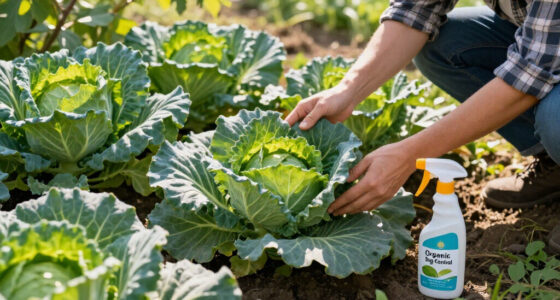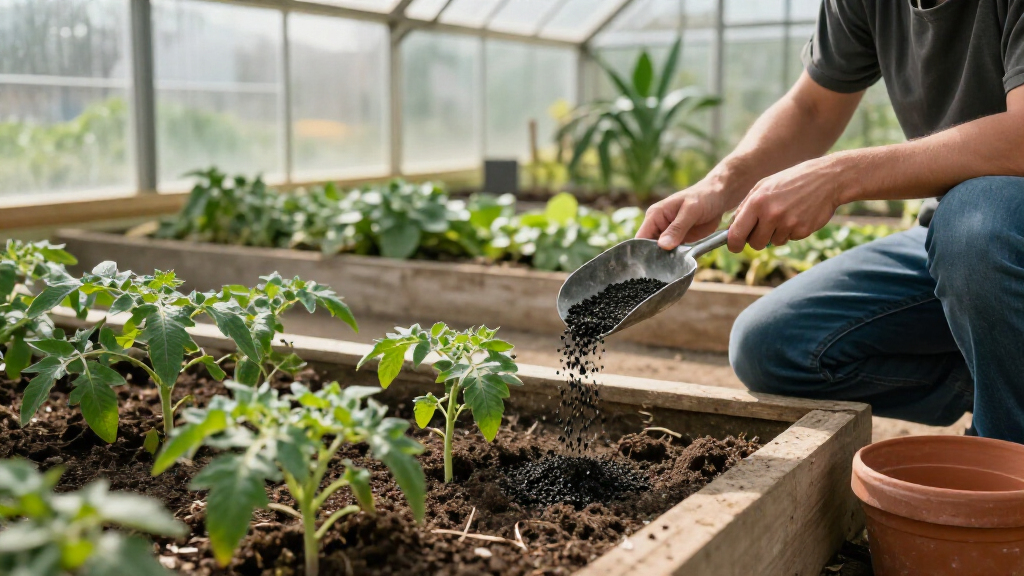

For most gardeners, I’d start with Down to Earth Organic Kelp Meal Fertilizer as the best overall pick: it offers a recognizable 1-0.1-2 analysis and several package sizes across this lineup. Espoma Organic Kelp Meal is a straightforward alternative for gardeners who want a 1-0-2 meal and soil conditioner, while Neptune’s Harvest suits buyers seeking a larger resealable bag. The main tradeoffs are package size, product sourcing and labeling, and whether you want a modest nutrient contribution or a soil amendment to use alongside a broader fertilizer program. Kelp meal is not a complete fertilizer, so the best choice depends on your soil and what else you feed your plants. Read on for the full comparison and guidance on choosing the right format and amount.

Get garden gear delivered free with Prime
- Fast, free delivery on millions of items
- Prime Video, Amazon Music and more included
- Member-only deals all year
Complete the kit


Key Takeaways
- Down to Earth earns the strongest all-around position because its 1-0.1-2 analysis appears across multiple sizes, making it easier to match a package to garden scale.
- Espoma and NatureGrow share a 1-0-2 analysis; the label alone does not make one a complete feed, so buyers should compare package format and intended use.
- Package size changes the best fit: the 0.5-pound options make small trials possible, while Thorvin’s 40-pound bag is better suited to large gardens or buyers with animal-feed uses.
- Several entries are near-duplicates by brand and size. Down to Earth and Kelp Bliss each appear in more than one package, so shoppers can focus on quantity rather than assume each listing represents a different formula.
- Source and label details distinguish the specialty picks: Gulf of Maine identifies Ascophyllum nodosum and a wild-harvest source, while Thorvin specifies Icelandic kelp and animal-and-plant use.


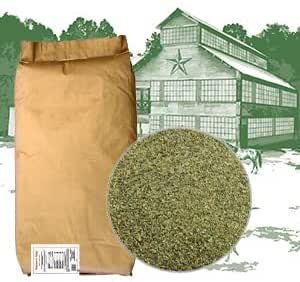


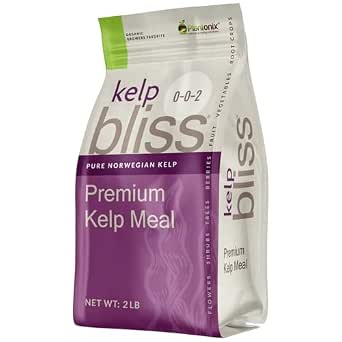
| kelp meal fertilizer | Brand | Weight | Form | NPK ratio |
|---|---|---|---|---|
| Down to Earth Organic Kelp Mea | Down to Earth | 4 lb | Powder | 1-0.1-2 |
| Kelp Bliss Organic Kelp Meal F | Plantonix | 5 lb | — | — |
| Natural Garden Kelp Meal Ferti | Family Farm and Feed | 2 lb | Granules | — |
| Thorvin Organic Icelandic Kelp | — | 40 lb | Flake | — |
| NatureGrow Kelp Meal | NatureGrow | 6 lb | Powder | 1-0-2 |
| Espoma Organic Kelp Meal 1-0-2 | Espoma | 4 lb | Powder | 1-0-2 |
| Gulf of Maine Wild-Harvest Kel | Gulf of Maine, Inc. | 0.5 lb (8 oz) | Coarse-cut / granulated | 1-0.1-2 |
| Down To Earth Organic Kelp Mea | Down To Earth All Natural Fertilizers | — | Granules | 1-0.1-2 |
| Espoma Organic Kelp Meal Plant | Espoma | 4 lb | Dried meal | 1-0-2 |
| Down to Earth Kelp Meal 5 lb | Down To Earth | 5 lb | Powder | 1-0.1-2 |
| Neptune’s Harvest Organic Kelp | Neptune’s Harvest | 12 lb | — | 1-0-2 |
| Whitney Farms Organic Kelp Mea | Whitney Farms | 2 lb | Granules | 0.7-0.1-2 |
| Kelp Bliss Organic Kelp Meal F | Plantonix | 2 lb | — | — |
More Details on Our Top Picks
Down to Earth Organic Kelp Meal Fertilizer (4 lb)
I’d put Down to Earth Organic Kelp Meal first for gardeners who want kelp meal with clear organic credentials and a defined application rate. Its OMRI listing, finely milled powder, and 1-0.1-2 analysis make it a practical choice for blending into potting mixes or seed-starting mixes, where fine texture helps distribute it. The North Atlantic Ascophyllum nodosum supplies potash and trace minerals, while the product is described as supporting root development and reducing transplant stress.
Compared with NatureGrow Kelp Meal, this bag provides a stated coverage rate, which makes planning easier; NatureGrow’s directions do not specify amounts or frequency. The tradeoff is modest nitrogen and coverage of only 50–100 square feet per bag, so heavy feeders may need another nitrogen source and larger gardens may prefer a bigger format.
Pros:- OMRI-listed for use in organic production
- Fine powder mixes readily into potting and seeding mixes
- Contains North Atlantic Ascophyllum nodosum, potash, trace minerals, and amino acids
- Provides a stated application rate of 1–2 lb per 100 sq ft
Cons:- Low 1% nitrogen content may not meet the needs of heavy feeders
- Four pounds covers only about 50–100 square feet at the stated rate
Best for: Organic-minded vegetable and flower gardeners who want a finely milled kelp meal for potting mixes, transplanting, or small-to-medium beds.
Not ideal for: Gardeners feeding nitrogen-hungry crops with one amendment or covering a large plot without frequent bag replenishment.
- Brand:Down to Earth
- Weight:4 lb
- NPK ratio:1-0.1-2
- Main ingredient:Ascophyllum nodosum kelp
- Form:Powder
- Organic listing:OMRI Listed
- Application rate:1–2 lb per 100 sq ft
Our verdict“Choose this for organic gardening and easy mixing in smaller growing areas, but pair it with a nitrogen source for demanding crops.”
Kelp Bliss Organic Kelp Meal Fertilizer, 5 lb
Kelp Bliss is the pick I’d favor when the goal is to work kelp meal into garden soil rather than simply dust it around established plants. Its directions specify mixing it into the top 3 inches of soil, and the product is described as adding organic matter and supporting water retention as well as supplying minerals, vitamins, and trace elements. That makes it a useful fit for bed preparation and soil amendment across gardens, lawns, and flowers.
Compared with Down to Earth Organic Kelp Meal, Kelp Bliss emphasizes soil structure and moisture retention, while Down to Earth offers a finer powder and OMRI listing. Kelp Bliss’s 5-pound bag is a modest step up in quantity, but its stated rate still covers just 250–500 square feet, and incorporation takes more effort than sprinkling. I’d skip it if you need a surface-applied product or application directions for individual containers.
Pros:- Made from sustainably harvested natural sea kelp
- Described as adding organic matter and supporting soil water retention
- Suitable for indoor and outdoor plants, lawns, flowers, and gardens
- Five-pound package offers more material than the 2-pound Natural Garden option
Cons:- Must be mixed into the top 3 inches of soil
- Coverage remains limited to about 250–500 square feet at the stated rate
- No NPK analysis is provided in the supplied product data
Best for: Gardeners preparing beds or amending soil who want kelp meal that contributes organic matter and can be mixed through the surface layer.
Not ideal for: Container growers seeking a simple top-dress or gardeners who do not want to cultivate amendments into the soil.
- Brand:Plantonix
- Weight:5 lb
- Item form:Kelp meal
- Ingredients:100% natural sea kelp; no synthetic ingredients or additives
- Application method:Mix into the top 3 inches of soil
- Application rate:1–2 lb per 100 sq ft
- Target plants:Vegetables, flowers, and lawn grasses
Our verdict“Pick Kelp Bliss for soil preparation and amendment, not for a low-effort surface application.”
Natural Garden Kelp Meal Fertilizer – Granular Mix, 2 Pounds
Natural Garden Kelp Meal earns its place for gardeners who want a small, manageable quantity rather than a bulk bag. Its 2-pound granular format suits a limited number of beds or a first trial of kelp meal, and the product is described as a renewable natural resource containing growth hormones that may support yields and help reduce plant stress. The clear package also makes it easy to see how much product remains.
Compared with Kelp Bliss Organic Kelp Meal, this is much less material and is better suited to compact projects than broad soil conditioning. Its granules may take longer to break down than liquid fertilizer, and the supplied data gives no NPK ratio, coverage rate, or detailed application directions. I’d choose it for small-scale gardening when a granular product is wanted, but not for growers who need predictable bed coverage or a defined feeding schedule.
Pros:- Compact 2-pound quantity suits small gardening projects
- Granular form can be applied without handling a fine powder
- Made from a renewable natural resource
- Described as helping minimize plant stress
Cons:- Small quantity may be insufficient for larger gardens
- Granules may take longer to break down than liquid fertilizers
- Product data does not provide an NPK ratio or application rate
Best for: Balcony gardeners, hobby growers, and first-time kelp-meal users who need a small quantity for a few plants or a limited garden bed.
Not ideal for: Large-plot gardeners or buyers who need a stated NPK analysis, coverage estimate, and precise application instructions.
- Brand:Family Farm and Feed
- Weight:2 lb
- Form:Granules
- Unit count:32 oz
- Specific use:Gardening
- Ingredient description:Natural kelp meal
- UPC:850026124286
Our verdict“Choose this compact granular option for a small garden, but choose Kelp Bliss or Down to Earth if you need clearer coverage guidance.”
Thorvin Organic Icelandic Kelp Meal for Animals and Plants, 40 lb
Thorvin Organic Icelandic Kelp Meal stands apart on scale and intended use: its 40-pound flake format is aimed at buyers who need a bulk supply that can serve as both plant fertilizer and an animal feed supplement. The kelp comes from protected Icelandic fjord waters and supplies naturally occurring minerals, vitamins, amino acids, iodine, and phytonutrients. Its stated compliance with USDA NOP organic feed requirements is especially relevant for buyers sourcing kelp for feed use.
Compared with the garden-focused Down to Earth Organic Kelp Meal, Thorvin offers far more material and a broader use case, but lacks Down to Earth’s stated NPK ratio and garden application rate. The product description also omits feeding and fertilizer instructions, so I would not choose it for someone who needs a ready-to-follow application plan. Its bulk size makes the most sense where ongoing use justifies storage and careful measuring.
Pros:- Large 40-pound supply suits recurring or multi-use needs
- Organic Icelandic kelp sourced from protected fjord waters
- Contains naturally occurring minerals, vitamins, amino acids, iodine, and phytonutrients
- Complies with USDA NOP organic feed requirements
Cons:- No fertilizer application or animal feeding instructions are supplied
- Bulk size may be excessive for typical home gardens
- No NPK ratio or garden coverage rate is provided
Best for: Small farms and homesteads that need a bulk kelp product for both plant use and animal-feed supplementation and can supply their own application guidance.
Not ideal for: Home gardeners with a few containers or buyers who need clear fertilizer rates, feeding directions, or a compact package.
- Ingredient:Organic Icelandic kelp
- Form:Flake
- Weight:40 lb
- Uses:Animal feed supplement and fertilizer
- Source:Protected Icelandic fjord
- Certification information:Complies with USDA NOP organic feed requirements
- Naturally occurring components:Minerals, vitamins, amino acids, iodine, and phytonutrients
Our verdict“Choose Thorvin for bulk, dual-purpose farm use if you already have reliable application guidance; home gardeners should favor a smaller, more clearly specified product.”
NatureGrow Kelp Meal, 6 lb, 1-0-2 Natural Plant Food
NatureGrow Kelp Meal is a flexible choice for gardeners who want one powder for vegetables, fruits, flowers, and ornamental plants both indoors and outside. Its 1-0-2 NPK ratio gives buyers a basic nutrient profile, while sustainably harvested kelp and the absence of synthetic chemicals or additives suit those seeking a natural plant food. The 6-pound package also supplies more product than the 4-pound Down to Earth option.
The main difference from Down to Earth Organic Kelp Meal is guidance: NatureGrow lists sprinkling as the application method but gives no amount or frequency, whereas Down to Earth states a rate and carries an OMRI listing. That leaves NatureGrow less predictable for new users, especially when measuring for containers or beds. I’d choose it for broad plant compatibility and a larger powder supply, but skip it if you need a clear schedule or formal organic listing.
Pros:- 1-0-2 NPK ratio is stated
- Made from sustainably harvested kelp without synthetic chemicals or additives
- Suitable for vegetables, fruits, flowers, and ornamental plants
- Can be used indoors and outdoors
Cons:- Powder must be applied by sprinkling
- No application amount or frequency is specified
- No OMRI listing is included in the supplied product data
Best for: Indoor and outdoor gardeners who want a natural kelp powder for a mix of vegetables, fruits, flowers, and ornamental plants.
Not ideal for: Beginners who need a specified application rate and frequency, or organic growers who require an OMRI listing.
- Brand:NatureGrow
- Weight:6 lb
- NPK ratio:1-0-2
- Form:Powder
- Application method:Sprinkle
- Target plants:Various plants, including vegetables, fruits, flowers, and ornamentals
- Use:Plant food and development
- Indoor/outdoor use:Both
Our verdict“Pick NatureGrow for broad indoor and outdoor use with a stated 1-0-2 analysis, but choose Down to Earth if you need a defined rate or OMRI listing.”
Espoma Organic Kelp Meal 1-0-2 Plant Food and Soil Conditioner, 4 lb Bag
I’d pick this Espoma bag for gardeners who want one kelp meal to use across mixed plantings. Its 1-0-2 analysis supplies modest nitrogen and potassium, while the ground Atlantic brown seaweed adds kelp-derived nutrients without fillers or additives. Low-temperature processing is a selling point for buyers seeking a minimally processed meal, and its stated suitability for flowers, vegetables, trees, and shrubs makes it more flexible than the small Down To Earth 0.5 lb package. The tradeoff is the application: this is a powder to sprinkle over soil, not a liquid feed, and its nitrogen level is too low to replace a dedicated nitrogen fertilizer where strong leafy growth is the goal. At four pounds, it also offers less coverage than larger bags in the roundup.
Pros:- Made from Atlantic brown seaweed with no fillers or additives
- Low-temperature processing and powder form suit soil incorporation
- Suitable for flowers, vegetables, trees, and shrubs
- Approved for organic gardening
Cons:- Must be sprinkled onto soil rather than applied as a liquid
- The 1-0-2 analysis provides little nitrogen
- Four pounds may be limiting for large gardens
Best for: Organic gardeners with a mix of flowers, vegetables, trees, and shrubs who prefer one soil-applied kelp meal.
Not ideal for: Large-property gardeners seeking a bulk supply, or growers who want a liquid feed or a fertilizer centered on nitrogen.
- Brand:Espoma
- Model number:ESKM03
- NPK ratio:1-0-2
- Form:Powder
- Weight:4 lb
- Source:Atlantic Ocean brown seaweed
- Origin:USA
- Organic status:OMRI Listed / approved for organic gardening
Our verdict“Choose this Espoma meal for versatile organic feeding across several garden types, but not as a high-nitrogen fertilizer or bulk supply.”
Gulf of Maine Wild-Harvest Kelp Meal (Ascophyllum nodosum) – Natural Plant Food & Feed Supplement, 0.5 lb
This Gulf of Maine option has a distinct appeal: it is wild-harvested and hand-collected in Maine, then sun-dried and milled into coarse granules. Its 1-0.1-2 analysis is close to Down To Earth’s 0.5 lb kelp meal, so the choice is less about major nutrient differences and more about sourcing and texture. The manufacturer also describes it as a feed supplement for livestock, poultry, and pets, giving it a broader stated purpose than the garden-only Espoma products. That versatility comes with a small-bag limitation: half a pound is better suited to trial use or a few plants than routine treatment across a large garden. Natural harvests can also vary in appearance and texture, so this is not the pick for buyers who want uniform granules batch to batch.
Pros:- Wild-harvested and hand-collected in Maine
- Sun-dried, coarse granules retain a distinct texture
- Contains Ascophyllum nodosum with a 1-0.1-2 analysis
- Described for garden use and as an animal feed supplement
Cons:- The 0.5 lb package is too small for broad, repeated garden use
- Natural harvesting may cause variation in appearance and texture
- Coarse granules may be less convenient than the powder in the 5 lb Down to Earth product
Best for: Gardeners who want a small amount of Maine-harvested kelp meal and value a product also described for animal feed supplementation.
Not ideal for: People treating large beds regularly or those who need consistent-looking granules and a larger package.
- Brand:Gulf of Maine, Inc.
- Ingredient:Ascophyllum nodosum
- NPK ratio:1-0.1-2
- Form:Coarse-cut / granulated
- Weight:0.5 lb (8 oz)
- Origin:Maine, USA
- Harvest and processing:Wild-harvested, hand-collected, sun-dried, and milled
- Additional stated use:Feed supplement for livestock, poultry, and pets
Our verdict“Pick this for small-scale use and Maine wild-harvest sourcing, but choose a larger bag for routine feeding across substantial beds.”
Down To Earth Organic Kelp Meal Fertilizer, 1-0.1-2, 0.5 lb
For a container gardener who wants to try kelp meal before committing to a larger bag, this OMRI Listed, 8.6-ounce package is a practical entry point. The granules provide slow-release nitrogen and potassium along with kelp-derived trace minerals, and the listed uses extend from containers and garden beds to lawns and compost piles. Compared with the Gulf of Maine 0.5 lb product, this one has clearer organic certification information and a broader stated set of garden applications; it does not claim the same wild-harvest provenance or animal-feed use. Its small quantity is the main constraint, and the product details give inconsistent package information, listing both 8.6 ounces and an 8-ounce unit count. The low nitrogen analysis also means I’d treat it as a supplement, not a stand-alone solution for hungry plants.
Pros:- OMRI Listed for organic use
- Granular form offers slow-release nutrients
- Listed for containers, compost, lawns, and garden beds
- Provides potassium and kelp-derived trace minerals
Cons:- Small package is limiting for repeated or large-scale use
- Product details conflict on whether the package is 8 or 8.6 ounces
- Low nitrogen content is not suited to replacing a nitrogen-focused fertilizer
Best for: Container gardeners and home growers who want a small, OMRI Listed quantity to test across a few plants or compost.
Not ideal for: Gardeners planning regular applications over large beds, or buyers who need unambiguous package-size details.
- Brand:Down To Earth All Natural Fertilizers
- NPK ratio:1-0.1-2
- Form:Granules
- Ingredient:Ascophyllum nodosum (kelp)
- Listed weight:8.6 oz
- Unit count:8 oz
- Pack count:1
- Organic certification:OMRI Listed
Our verdict“Choose this as a small certified trial for containers or compost, while checking the package details and planning on another nitrogen source if needed.”
Espoma Organic Kelp Meal Plant Food and Soil Conditioner, 1-0-2, 4 lb
This Espoma listing suits gardeners who want a familiar, simple format: dried Atlantic brown seaweed in a four-pound meal, applied by sprinkling it over the soil during the growing season. Its 1-0-2 analysis and stated use across flowers, vegetables, trees, and shrubs put it close to the other four-pound Espoma product in this roundup. Compared with the 5 lb Down to Earth meal, it offers a slightly smaller package and a different nutrient balance, while the Down to Earth option is described as finely milled for soil integration. The main drawback here is practical rather than botanical: no application quantity is provided, leaving buyers without a supplied dose to guide spreading. It is also a soil-applied meal, so gardeners seeking a ready-to-mix liquid should look elsewhere.
Pros:- Made from cold-Atlantic brown seaweed
- Suitable for flowers, vegetables, trees, and shrubs
- Can be applied during the growing season
- Four-pound package offers more material than the small trial-size options
Cons:- Provided information does not specify an application amount
- Requires sprinkling over soil rather than mixing as a liquid
- The 1-0-2 analysis offers limited nitrogen
Best for: Gardeners seeking a four-pound seaweed meal for seasonal soil application across ornamental and edible plants.
Not ideal for: New kelp-meal users who need clear dosage directions, or gardeners who prefer liquid feeding.
- Brand:Espoma
- Weight:4 lb
- NPK ratio:1-0-2
- Ingredients:Brown seaweed harvested from the cold Atlantic Ocean
- Form:Dried meal
- Application method:Sprinkle on the soil surface
- Suitable plants:Flowers, vegetables, trees, and shrubs
- Number of packs:1
Our verdict“Choose this Espoma meal for straightforward seasonal use across mixed plantings if you can determine an appropriate application amount.”
Down to Earth Kelp Meal 5 lb (1-0.1-2)
Among the five products here, this is the clearest choice for gardeners who want a larger supply: its 5 lb bag exceeds the two four-pound Espoma options and is far more practical for repeat use than either half-pound product. Down to Earth lists it as OMRI Listed, hand-harvested from the North Atlantic, and finely milled, so the powder can be worked into soil in in-ground beds or containers. The 1-0.1-2 analysis makes it a potassium-oriented supplement rather than a complete feed, and the supplied guidance calls for monthly applications on established containers. That routine can be a drawback for low-maintenance growers; dosage directions also need to be followed to avoid over-fertilizing. I’d choose it for coverage and organic use, not for buyers seeking a single application or a liquid product.
Pros:- Five-pound bag provides more material than the other reviewed sizes
- OMRI Listed for organic gardening
- Finely milled powder can be integrated into soil
- Listed for in-ground gardens and containers
Cons:- Established containers require monthly applications according to the supplied guidance
- Dosage directions must be followed to avoid over-fertilization
- The 1-0.1-2 analysis is a supplement, not a high-nitrogen complete fertilizer
Best for: Organic vegetable, herb, flower, and perennial growers who need a larger kelp-meal supply for beds and containers.
Not ideal for: Gardeners who want low-maintenance feeding, a liquid application, or a fertilizer with substantial nitrogen.
- Brand:Down To Earth
- Weight:5 lb
- NPK ratio:1-0.1-2
- Form:Powder
- Certification:OMRI Listed
- Model number:7813
- UPC:714360078134
- Source:Hand-harvested from the North Atlantic Ocean
Our verdict“Choose this Down to Earth bag for a larger organic garden that can follow regular application guidance, rather than for occasional or liquid feeding.”
Neptune’s Harvest Organic Kelp Meal Plant Food (1-0-2) – 12 lb Resealable Bag
For gardeners who need kelp meal across a broad planting area, Neptune’s Harvest stands out for its 12-pound bag and stated coverage of 1,000 square feet at the recommended 10 pounds per 1,000 square feet. Its 1-0-2 formula supplies little nitrogen, so I’d treat it as a soil amendment and trace-mineral source rather than a complete feed for hungry vegetables. Compared with the 2-pound Whitney Farms and Kelp Bliss options, this larger bag suits repeated garden-bed or lawn applications better, though it takes more storage space and more effort to handle. The resealable bag helps keep the remaining meal stored between uses. OMRI Listed and described as safe for children and pets, it fits organic home gardens, but application still requires working it into the soil or top-dressing.
Pros:- 12-pound bag and stated coverage of 1,000 square feet suit larger planting areas
- OMRI Listed for organic use
- Resealable bag supports storage between applications
- Kelp meal can support soil structure and moisture retention
Cons:- Low nitrogen content means heavy feeders may need a separate fertilizer
- Must be tilled into soil or applied as a top-dressing
- Larger bag is less convenient to store and handle than 2-pound options
Best for: Organic gardeners treating multiple beds or a lawn who want a larger supply of Norwegian kelp meal and can pair it with a nitrogen source when needed
Not ideal for: Container gardeners or people with limited storage who only need a small amount, and growers seeking a standalone fertilizer for nitrogen-hungry plants
- Brand:Neptune’s Harvest
- Model number:KM612
- Weight:12 lb
- NPK ratio:1-0-2
- Kelp source:Ascophyllum nodosum (Norwegian kelp)
- Coverage:10 lb covers 1,000 sq. ft.
- Certification:OMRI Listed for organic use
- Pack size:1 bag
Our verdict“Choose Neptune’s Harvest for broad-area organic soil amendment, not as your only fertilizer for nitrogen-demanding crops.”
Whitney Farms Organic Kelp Meal, 2 lb
Whitney Farms is the most manageable choice here for smaller-scale planting: its 2-pound granules are suited to raised beds, containers, and mixed garden beds without requiring a bulk bag. The listed 0.7-0.1-2 NPK gives it low nitrogen and phosphorus, while the description calls out calcium, magnesium, and sulfur alongside potassium. That makes it a soil-supporting supplement, not a complete feeding plan. Compared with Neptune’s Harvest, Whitney Farms is easier to fit into a compact garden routine, but it does not offer the same large-bag coverage information or OMRI listing in the provided product details. Like Neptune’s Harvest and Kelp Bliss, it must be worked into the soil; this hands-on step helps place the granules where roots can access them but makes it less convenient for gardeners who want a simple surface application.
Pros:- Compact 2-pound pack is practical for small gardens and containers
- Granular form can be mixed into raised beds, garden beds, and containers
- Provides potassium along with listed calcium, magnesium, and sulfur
- Described for use with vegetables, flowers, roses, and shrubs
Cons:- Low nitrogen and phosphorus levels call for other fertilizers to complete plant nutrition
- Must be manually worked into soil
- No coverage figure or organic certification is provided in the supplied product details
Best for: Container and raised-bed gardeners who want a small amount of granular kelp meal for vegetables, flowers, roses, or shrubs
Not ideal for: Gardeners treating large lawns or relying on one product for complete plant nutrition, since the bag is small and its nitrogen and phosphorus levels are low
- Brand:Whitney Farms
- Weight:2 lb
- NPK ratio:0.7-0.1-2
- Form:Granules
- Manufacturer:The Scotts Company
- Model number:4050906
- UPC:889288405093
- Suitable planting areas:Containers, garden beds, and raised beds
Our verdict“Pick Whitney Farms for small beds and containers where a modest kelp supplement is more useful than a bulk supply.”
Kelp Bliss Organic Kelp Meal Fertilizer, 2 lb
Kelp Bliss is a straightforward pick for gardeners prioritizing a simple ingredient profile: the product data specifies Norwegian kelp meal with no synthetic ingredients or additives. It is intended as both fertilizer and soil amendment, with minerals and trace elements for indoor and outdoor plants. Its application directions call for mixing it into the top 3 inches of soil, a useful fit for potting mixes and bed preparation but a chore for established areas where soil disturbance is undesirable. The stated coverage of 1–2 pounds per 100 square feet also means this 2-pound bag covers a relatively modest area. Compared with Whitney Farms, which lists an NPK ratio and secondary nutrients, Kelp Bliss emphasizes its ingredients and soil effects but provides no exact NPK ratio in the supplied data. Choose it for that formulation focus, not for quantified nutrient planning.
Pros:- Made from Norwegian kelp meal with no synthetic ingredients or additives
- Suitable for indoor and outdoor plants, containers, vegetables, lawns, and turf
- Can contribute minerals and trace elements while serving as a soil amendment
- Directions specify mixing into the top 3 inches of soil
Cons:- Must be mixed into soil, which can disturb established plantings
- A 2-pound bag covers only 100–200 square feet at the stated rate
- No exact NPK ratio is supplied, unlike Whitney Farms
Best for: Gardeners who want kelp meal with no synthetic ingredients or additives for indoor plants, containers, vegetables, or small outdoor beds
Not ideal for: People who need an exact NPK analysis for nutrient planning or want to cover a large lawn without mixing meal into the soil
- Brand:Plantonix
- Weight:2 lb
- Item form:Kelp meal
- Ingredients:Norwegian kelp meal
- Composition:No synthetic ingredients or additives
- Application method:Mix into the top 3 inches of soil
- Coverage:1–2 lb per 100 sq. ft.
- Use:Fertilizer and soil amendment
Our verdict“Choose Kelp Bliss if a no-additive Norwegian kelp meal matters more to you than a precise NPK figure or broad coverage.”
How We Picked
I ranked these products by how well their stated details help a gardener make a practical choice: nutrient analysis where provided, stated source or intended use, available package size, and usefulness for different garden scales. I gave more weight to clear, relevant labeling and a flexible fit than to size alone. A larger bag can suit a broad planting area, but it is not automatically better for a first-time buyer or a small container garden.
The ranking also reflects how kelp meal fits into a fertilizer plan. Products with comparable 1-0-2 or 1-0.1-2 analyses are not treated as complete replacements for a soil test or balanced fertilizer. I distinguish close variants by their stated sourcing, package size, and use case; where the supplied product details do not establish a meaningful formula difference, I avoid claiming one. The listed products do not provide enough information to compare independent testing, exact application rates, or sourcing practices beyond what their names state.
| kelp meal fertilizer | Form |
|---|---|
| Down to Earth Organic Kelp Mea | Powder |
| Kelp Bliss Organic Kelp Meal F | — |
| Natural Garden Kelp Meal Ferti | Granules |
| Thorvin Organic Icelandic Kelp | Flake |
| NatureGrow Kelp Meal | Powder |
| Espoma Organic Kelp Meal 1-0-2 | Powder |
| Gulf of Maine Wild-Harvest Kel | Coarse-cut / granulated |
| Down To Earth Organic Kelp Mea | Granules |
| Espoma Organic Kelp Meal Plant | Dried meal |
| Down to Earth Kelp Meal 5 lb | Powder |
| Neptune’s Harvest Organic Kelp | — |
| Whitney Farms Organic Kelp Mea | Granules |
| Kelp Bliss Organic Kelp Meal F | — |
Factors to Consider When Choosing Best Kelp Meal Fertilizers
Choosing kelp meal is less about finding the biggest nutrient number and more about fitting the amendment to your soil, garden scale, and existing feeding routine. I’d check these factors before buying, especially when two products appear similar on the label.
Match the Nutrient Analysis to Your Fertilizer Plan
The listed analyses cluster around 1-0-2 and 1-0.1-2, which makes these products relatively easy to compare but does not make them interchangeable with a complete fertilizer. Check what the three numbers represent and whether your soil or primary fertilizer plan needs more nitrogen or phosphorus. A small difference in the middle number should not drive a decision without a reason from a soil test or crop plan. One common mistake is applying kelp meal to correct a nutrient deficiency it is not labeled to address. Treat it as one part of soil care, not a stand-alone answer to every plant problem. Follow the product label for application amounts and timing.
Choose a Package Size You Can Use Responsibly
Package size should reflect the area you plan to treat and how often you expect to use the amendment. Small bags such as the 0.5-pound options can help a gardener test a product or cover a limited planting area without storing a large supply. A 40-pound bag makes more sense for extensive beds, repeated applications, or a buyer who also has a suitable animal-feed use. Larger quantities can be inconvenient if you lack dry, secure storage or are unsure how much your garden needs. Compare the label’s application rate before deciding that a bigger bag is the better value. Buying too much can leave you with an amendment that is difficult to store or use up.
Read the Source and Intended-Use Details
Some labels give a named source or species, while others emphasize general garden use. That information can help buyers who prefer a clearly identified origin, but it does not by itself prove a product will perform better in a particular garden. Gulf of Maine names wild-harvest Ascophyllum nodosum, and Thorvin identifies Icelandic kelp; those details set them apart from entries without a source specified in the product name. Thorvin also names animal and plant use, so buyers should check the product label closely if they plan to use it for both. Do not assume every garden-labeled meal is suitable as feed, or vice versa. Match intended use to the actual label.
Decide Whether You Need Meal, Conditioner, or Both
Product names in this lineup describe kelp meal as plant food, soil conditioner, or both. These labels can signal how a seller frames the product, but they do not replace directions for incorporation, dosage, or crop suitability. If your main goal is a measured nutrient input, prioritize a clearly stated analysis and application instructions. If you want to add an organic amendment to a broader soil-building routine, check how the label directs you to apply it and what other inputs you use. A frequent mistake is expecting soil conditioner language to mean the product will fix poor drainage, compaction, or low organic matter on its own. Address those issues with practices suited to the actual soil problem.
Compare Similar Listings by Practical Differences
This roundup includes multiple sizes from Down to Earth and Kelp Bliss, plus two Espoma entries with closely matching names and stated analysis. When listings look alike, compare net weight, full ingredient and analysis statements, intended use, and application directions rather than relying on a short product title. A package-size change may be the only clear difference provided, which matters for storage and garden scale but does not establish a different formula. Check the current label before ordering, since product details can vary by listing or change over time. This approach keeps you from paying attention to branding alone when the useful buying distinction is quantity or labeling clarity.
Set Expectations for What Kelp Meal Can Do
Kelp meal should be selected as an amendment within a larger garden plan, not as a guaranteed remedy for weak growth or poor harvests. Plant health also depends on light, water, soil conditions, and the balance of nutrients already available. If you are unsure what your garden lacks, a soil test can help prevent unnecessary additions. Be cautious about increasing application rates just because a product is described as natural or organic. Follow label directions and observe plant response alongside your regular care routine. Buyers who need a complete feeding program should choose one separately rather than asking kelp meal to cover every nutrient need.
Frequently Asked Questions
Can kelp meal replace my regular fertilizer?
Usually, it should not be treated as a complete replacement. The products listed here show modest analyses such as 1-0-2 or 1-0.1-2, so their stated nutrient profile may not meet every crop’s needs. Check your soil and the label for the plants you grow, then use kelp meal only as part of a suitable feeding plan. If you need a broader nutrient supply, choose a separate fertilizer designed for that purpose. Avoid increasing kelp meal rates to compensate for nutrients its analysis does not provide.
Which package size makes sense if I have only a few containers or a small bed?
A small package is usually the simpler choice when you are treating limited space or trying kelp meal for the first time. This roundup includes 0.5-pound options and 2-pound bags, which may be easier to store than a large-format sack. Use the product’s application directions to estimate how much your area needs before choosing. A larger bag can be awkward if you cannot keep it dry or will use only a small portion. If you garden on a larger scale, compare the stated application rate before ruling out a bigger package.
Does a 1-0-2 analysis make one kelp meal better than another?
Not on its own. Espoma and NatureGrow both list a 1-0-2 analysis, while Down to Earth lists 1-0.1-2 on several entries, but a matching analysis does not tell you everything about sourcing, application directions, or package suitability. It also does not establish that one product will produce better results in your soil. Compare full labels and choose according to your garden’s needs and the amount you can use. A soil test can help determine whether the small differences in stated nutrients matter for your situation.
Is the large Thorvin bag a good choice for a home garden?
It can fit a home gardener with extensive beds, regular amendment needs, or a relevant animal-feed use, but its 40-pound size is more than many small gardens require. Check the label to confirm the intended applications and storage instructions before buying. For a few beds or containers, a smaller package is easier to manage and reduces the chance of holding more product than you can use. Do not infer that a larger bag has a different garden benefit simply because it contains more material. Match the quantity to your actual area and application rate.
Should I choose wild-harvested or Icelandic kelp based on origin alone?
Origin can be a useful preference, but the product name alone does not show that one source is a better fit for your plants. Gulf of Maine identifies wild-harvest Ascophyllum nodosum, while Thorvin identifies Icelandic kelp and names both plant and animal use. Compare the full label, nutrient analysis, directions, and intended application before deciding. If source transparency matters to you, favor the listing that provides the details you want and check for supporting information on the package. Keep your garden’s nutrient needs and practical package size at the center of the choice.
Conclusion
Down to Earth Organic Kelp Meal is my best overall pick for its stated 1-0.1-2 analysis and multiple package sizes. For a smaller purchase, the 0.5-pound Gulf of Maine or Down to Earth options suit gardeners who want to start with a limited quantity; check their labels to choose based on source detail and stated use. Espoma is a straightforward choice for beginners who want a 1-0-2 meal labeled as plant food and soil conditioner, while Neptune’s Harvest is the better fit for buyers seeking a 12-pound resealable bag. For a larger operation or dual-use needs, Thorvin’s 40-pound Icelandic kelp meal is the specialty pick, provided its label matches your use and storage capacity. If sourcing detail is your priority, consider Gulf of Maine’s stated wild-harvest species; if you need a complete nutrient program, select a separate fertilizer rather than relying on kelp meal alone.