
TL;DR
GreenPal CEO Bryan Clayton recommends push mowers over residential riding mowers for many sloped yards, citing the risk of a ride-on machine tipping on steep or uneven ground. Homeowners should check the mower’s stated incline limits; large properties may call for a professional walk-behind mower or a landscaping alternative.
GreenPal CEO Bryan Clayton recommends that homeowners use a push mower rather than a residential riding mower on many sloped lawns, warning that ride-on machines can lose traction or tip on steep, rough ground. The advice matters because a rollover can seriously injure an operator, though the right mower depends on the slope, terrain and the limits stated by its manufacturer.

Get garden gear delivered free with Prime
- Fast, free delivery on millions of items
- Prime Video, Amazon Music and more included
- Member-only deals all year
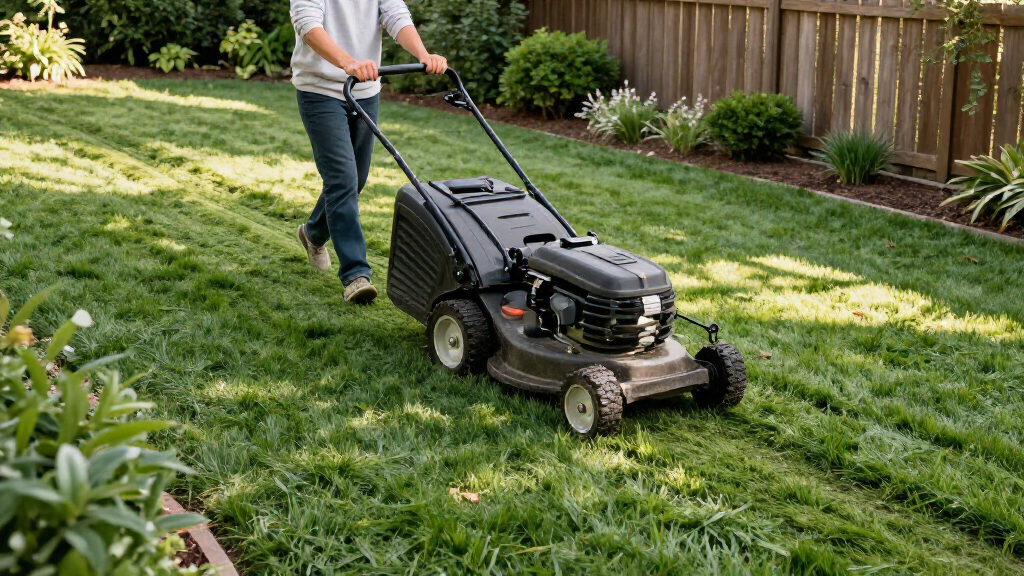
Clayton gave the recommendation in an interview with Hunker, saying that a homeowner mowing a hill should prioritize control. With a push mower, the operator walks behind and guides the machine, rather than sitting on a vehicle that may become unstable on a grade. A self-propelled walk-behind model can reduce the effort needed without changing that basic setup.
The report advises measuring the slope before choosing equipment. One suggested method is to use a smartphone inclinometer app; another is to measure the rise across a 10-foot span and divide the rise by that distance. The report cites 20 degrees as a point at which homeowners should move away from riding equipment, but that is a general recommendation, not a universal safety rating. The mower’s manual or label should be checked for its specific permitted incline.
For a walk-behind mower, Clayton suggests a mid-grade Toro or, for buyers able to spend more, a Honda. He also recommends a 22-inch, self-propelled model, with or without a bagger, as an option for hills. These are his recommendations, not an independent comparison of mower performance or a guarantee that a particular machine is safe on every slope.
Choosing a mower for slopes Control matters on hills
GreenPal CEO Bryan Clayton recommends walk-behind mowers for many sloped yards. The right choice depends on the terrain and the mower’s stated incline limits.
Choose control for the terrain
Mower type affects both rollover exposure and the effort required.
- Push or self-propelled models let the operator guide the mower on foot.
- They still require care and can be strenuous, especially on large properties.
- Steep or rough ground can compromise traction and stability.
- Holes or debris may catch a wheel and destabilize the machine.
Measure, then check the manual
A slope estimate helps inform the choice, but it does not replace equipment instructions.
Use a smartphone inclinometer app or measure the rise across a 10-foot span and divide by that distance.
Account for roughness, holes, debris, and other conditions that a measurement alone cannot capture.
Check the specific mower’s label or manual for its permitted incline and operating instructions.
Options for larger sloped yards
A small push mower may take too much labor across extensive ground.
Self-propelled model
Clayton suggests a 22-inch model, with or without a bagger; he names mid-grade Toro and higher-priced Honda options.
Used commercial mower
For bigger areas, Clayton suggests considering a used professional walk-behind and checking its condition and service history.
Groundcovers
For steep areas that are difficult to mow safely, consider groundcovers that require no mowing.
Choosing Safer Equipment for Hills
The choice of mower affects both rollover exposure and the physical demands of yard work. Riding mowers can save time on level ground, but Clayton cautions that steepness and rough terrain can compromise traction. Holes or debris may also catch a wheel and destabilize a machine. A walk-behind mower gives the operator a different position and more direct control, though it still requires care and may be strenuous.
That trade-off is especially relevant to homeowners comparing convenience with safety. A push mower may cost less than a riding mower, according to the report, but it takes more labor and may not be practical for a large property. For bigger areas with hills, a professional walk-behind mower can cover ground faster, but its purchase price and condition matter. The safest choice cannot be determined from mower type alone: the slope, surface, machine specifications and operator’s ability all matter.
Products Worth Considering

Rachio 3 Smart Sprinkler Controller, 16-Zone

EGO POWER+ 21-Inch Self-Propelled Cordless Lawn Mower Kit (LM2135SP)

Husqvarna Automower 435X AWD Robotic Lawn Mower
As an affiliate, we earn on qualifying purchases.
Slope Limits and Mowing Direction
The report distinguishes how riding and walk-behind mowers are used on slopes. It says riding mowers are driven up and down the grade, while push and walk-behind mowers are moved across or perpendicular to the slope to reduce the risk of slipping underneath the machine. This is general guidance from the report; operators should follow the instructions for their specific equipment and avoid using a mower beyond its stated limits.
Clayton says typical residential riding mowers may be unsuitable on slopes above about 20 degrees. The report also refers to OSHA guidance for professional work, saying that push mowers or specialized tools are preferable on hills at 22 degrees or steeper. That reference is not presented with a specific OSHA document or full details about the rule’s scope, so it should not be treated as a substitute for checking applicable workplace requirements or the mower’s manual.
For a large property, Clayton suggests a used professional walk-behind mower as an alternative to both a residential riding mower and pushing a small mower over extensive ground. He names commercial brands XMark, Skag and Hustler, and says new professional models can cost more than $10,000. He estimates a used mower with about 1,000 hours may cost roughly half as much. Those prices are estimates in the interview, not a current market survey.
“As a homeowner mowing your yard yourself, your safest bet is just going with a push mower.”
— Bryan Clayton, GreenPal CEO, in an interview with Hunker
Limits of the Slope Advice
The report does not identify the exact model or conditions behind the 20-degree recommendation, and it does not establish that every riding mower has the same safe operating limit. Manufacturer guidance varies, so the permitted incline for the mower in question remains the most relevant specification to check. The article also does not provide a testing method or independent safety data comparing specific models.
It is also unclear how the suggested mowing direction applies to every combination of slope, grass, soil, obstacles and mower design. A measurement alone cannot account for loose or wet ground, hidden holes, debris or an operator’s experience. The interview’s used-mower prices and hour-meter example may also vary by location, condition and time. No product inspection, price survey or independent expert review is described.
Check the Manual Before Mowing
Before mowing, homeowners should measure the grade, inspect the ground and consult the manufacturer’s incline limits and operating instructions. If the slope exceeds the mower’s stated limit, the report’s recommendations point toward a walk-behind or other specialized equipment rather than using a residential riding mower beyond its rated conditions. For a large property, buyers considering used professional equipment should verify its condition and service history rather than relying on hours or price alone.
The report does not announce a new regulation, product launch or formal safety study. Its practical next step for homeowners is an equipment decision based on their actual terrain and mower specifications. For steep areas that are difficult to mow safely, the article also suggests considering groundcovers that require no mowing.
Source: rss
Key Questions
Are push mowers safer than riding mowers on slopes?
Bryan Clayton of GreenPal recommends push mowers for homeowners mowing hills because they allow the operator to guide the machine on foot. That is a general recommendation, not a guarantee of safety; terrain, operating technique and manufacturer limits still matter.
What slope is too steep for a residential riding mower?
The Hunker report cites Clayton’s approximate threshold of 20 degrees for avoiding residential riding mowers. It also advises checking the specific mower’s label or manual, since allowable inclines can differ.
How can I measure my lawn’s slope?
The report suggests using a smartphone inclinometer app or measuring the rise across a 10-foot distance and dividing the rise by that distance. A measurement is only one part of the decision; ground conditions and the mower’s instructions also need to be considered.
What can I use for a large sloped yard?
Clayton suggests a used professional walk-behind mower when a standard push mower would be impractical for a large property. The report says new professional models can exceed $10,000 and gives an approximate used-price example, but actual costs depend on the machine’s condition and local market.
Is a self-propelled mower suitable for hills?
Clayton recommends considering a self-propelled walk-behind mower to reduce physical effort while retaining the walk-behind format. Suitability depends on the specific model and slope, so check the manufacturer’s guidance before use.
Source: hunker.com