
TL;DR

Get garden gear delivered free — and shop member deals
- Fast, free delivery on millions of items
- Access to Prime Big Deal Days deals on October 6–7
- Prime Video, Amazon Music and more included
Gardening experts highlight five native plants that can be seeded in September for easy growth and ecological benefits. This trend reflects growing interest in sustainable gardening and native plant cultivation.
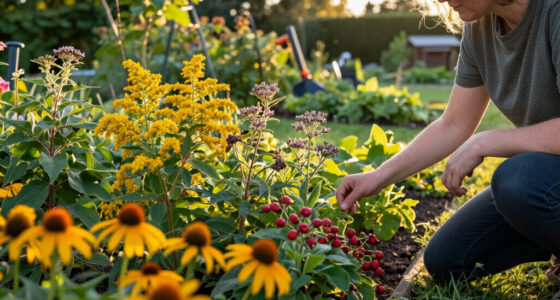
Experts are recommending five native plants that gardeners can sow from seed in September to easily expand their gardens and bolster local wildlife habitats. This trend is gaining attention as more people seek sustainable gardening options that require minimal maintenance and support biodiversity.
The five native plants identified as ideal for September sowing include purple coneflower (Echinacea purpurea), black-eyed Susan (Rudbeckia hirta), wild columbine (Aquilegia canadensis), butterfly milkweed (Asclepias tuberosa), and prairie dropseed (Sporobolus heterolepis). According to horticultural sources, these species are adaptable to a variety of soil types and climates, making them accessible choices for most gardeners.
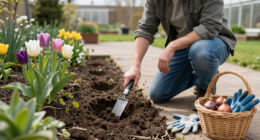
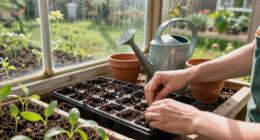
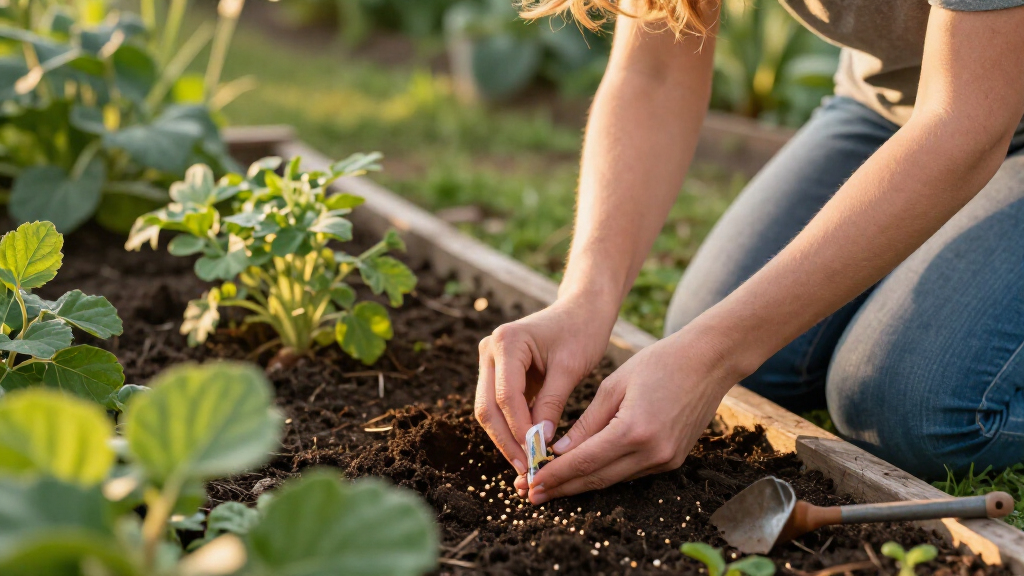
Gardeners can start planting these seeds directly into prepared beds or containers, following specific instructions for each species regarding soil contact and watering. Experts emphasize that sowing in September allows the plants to establish roots before winter, leading to vigorous growth in spring. The process is described as straightforward, with many of these native species requiring only basic soil preparation and consistent moisture.
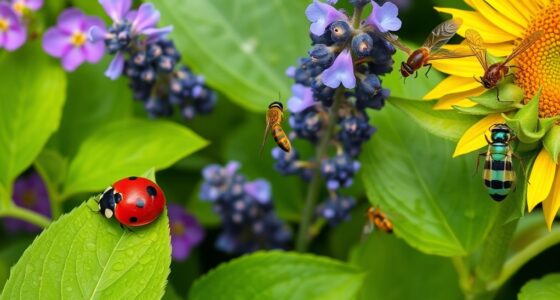
Environmental advocates note that planting native species from seed not only enhances garden aesthetics but also provides critical food and habitat for native pollinators, birds, and insects. This aligns with broader ecological efforts to restore natural plant communities and reduce reliance on non-native ornamentals.
Native Plants Support Biodiversity and Sustainability
Growing native plants from seed in September offers a cost-effective and eco-friendly way to expand gardens while supporting local ecosystems. These plants attract pollinators such as bees and butterflies, which are vital for crop production and natural plant reproduction. Additionally, native species tend to require less water, fertilizer, and chemical treatments, making them a sustainable choice for environmentally conscious gardeners.
This trend reflects a growing awareness of the importance of native flora in combating habitat loss and declining pollinator populations. By planting these species, gardeners contribute to ecological resilience and promote biodiversity in urban and suburban areas.
native plant seeds for planting in September
As an affiliate, we earn on qualifying purchases.
As an affiliate, we earn on qualifying purchases.
Rising Interest in Native Gardening and Ecological Restoration
Over recent years, there has been a notable increase in interest among gardeners and environmental groups in cultivating native plants. This shift is driven by concerns over climate change, habitat destruction, and the decline of pollinator species. September planting aligns with natural seed dispersal cycles and allows plants to establish roots before winter dormancy.
While the specific recommendation for these five species is based on expert consensus and growing popularity, there is no single authoritative source confirming this list. The trend appears to be a response to widespread calls for more sustainable, wildlife-friendly gardening practices.
wildflower seed packets for pollinators
As an affiliate, we earn on qualifying purchases.
As an affiliate, we earn on qualifying purchases.
Unconfirmed List of Top Native Species for September Sowing
It is not yet confirmed whether these five species are the definitive best for September planting, as the list is based on expert opinion and emerging trends rather than official guidelines. Further research and regional testing are needed to validate this selection.As an affiliate, we earn on qualifying purchases.
Next Steps for Gardeners and Ecologists
Gardening experts and environmental groups are expected to monitor the outcomes of planting these native species from seed in September across different regions. Future studies may refine the list of recommended plants and establish best practices for seed sowing and plant care. Gardeners interested in supporting local ecosystems are encouraged to follow regional planting guides and participate in citizen science projects to track plant establishment and wildlife benefits.
seed starting kits for native plants
As an affiliate, we earn on qualifying purchases.
As an affiliate, we earn on qualifying purchases.
Key Questions
Can I plant these native seeds in any soil type?
Most of these native species are adaptable and can be grown in a variety of soil types. It’s recommended to prepare the soil by removing weeds and adding compost if needed, then follow specific sowing instructions for each plant.
Do I need to water these native seeds regularly?
Yes, consistent moisture is important during germination and early growth. Once established, many native plants require less watering, especially if they are well-adapted to your local climate.
Are these plants suitable for small gardens or containers?
Some species, such as wild columbine and butterfly milkweed, can be grown in containers or small garden beds. Check each plant’s mature size and growing requirements to ensure they fit your space.
Will planting native seeds in September prevent winter damage?
Planting in September allows seedlings to establish roots before winter, but additional mulching or protection may be needed in colder regions to prevent frost damage. Consult local gardening guides for specific advice.
Is it too late to plant native seeds in September?
In many regions, September is an ideal time for sowing native seeds, as it aligns with natural seed dispersal cycles. However, local climate conditions should be considered, and planting schedules may vary.
Source: rss
Fall Picks
fall essentials
As an affiliate, we earn on qualifying purchases.