Birds can be valuable pest managers by naturally controlling insects, rodents, and other unwanted creatures, reducing the need for chemicals and supporting healthier environments. However, they can sometimes damage crops or become nuisances, and large populations may spread diseases or create sanitation issues. By encouraging beneficial bird species through habitat management, you can maximize advantages while minimizing drawbacks. If you want to discover how to get the most out of birds for pest control, keep exploring further.
Key Takeaways
- Birds naturally control pests like insects and rodents, reducing reliance on chemical pesticides in urban and agricultural settings.
- Installing nest boxes and maintaining habitats attract beneficial birds, enhancing pest management efforts sustainably.
- Birds may cause crop damage or become pests themselves, posing economic and ecological challenges.
- Large bird populations can spread diseases, create noise, and cause sanitation issues in urban environments.
- Proper habitat management balances pest control benefits with potential drawbacks, supporting ecosystem health.
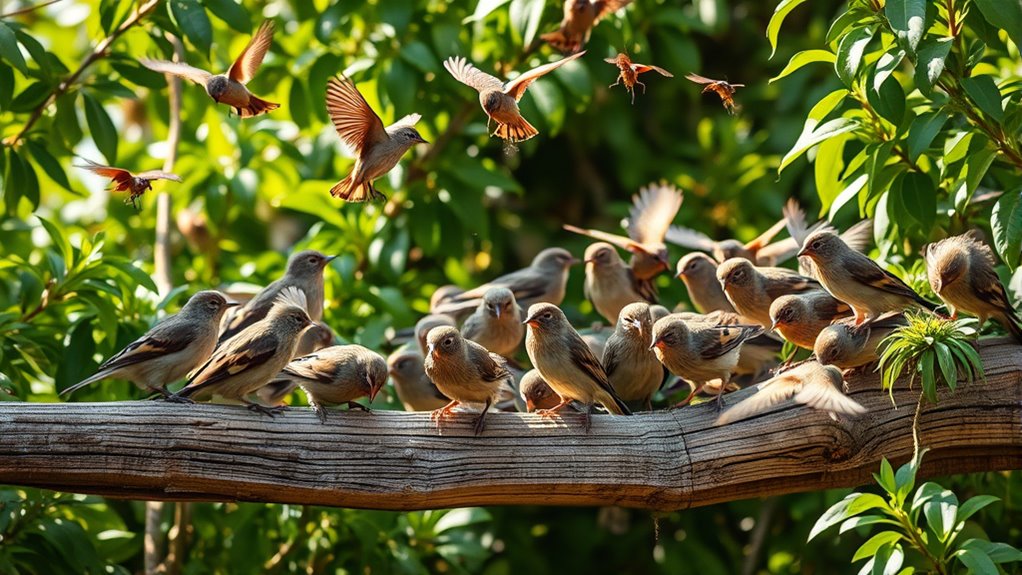
Birds have long played a pivotal role in controlling pests, offering a natural and eco-friendly alternative to chemical methods. As you observe urban habitats, you’ll notice that many bird species thrive amid buildings, parks, and green spaces. These birds help manage pest populations by feeding on insects, rodents, and other unwanted critters. Their presence in cities can reduce the need for chemical pest control, improving air and water quality and creating healthier environments. Urban habitats, with their diverse bird populations, serve as essential pest managers, especially as cities grow and the demand for sustainable solutions increases. Birds in these settings can help control mosquitoes, flies, and other insects that thrive in urban environments, making neighborhoods more comfortable and reducing the spread of insect-borne diseases.
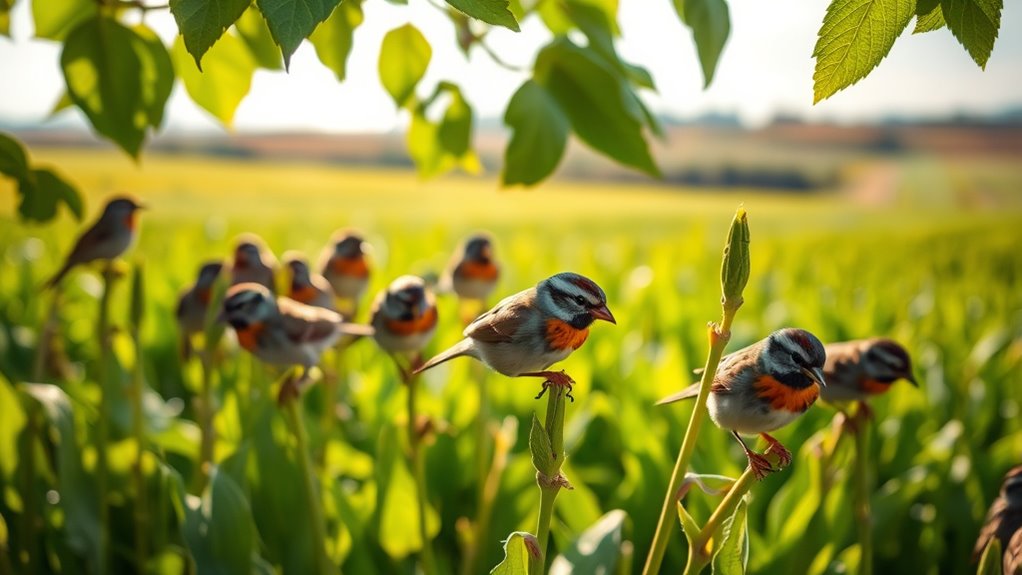
In agricultural settings, birds also provide significant benefits. Farmers often rely on natural predators to keep pests in check, and birds are some of the most effective allies. By encouraging bird populations on farms, you can reduce the use of pesticides, which not only saves money but also minimizes environmental harm. Birds such as swallows, purple martins, and kestrels hunt insects that damage crops, protecting yields and quality. This natural pest control is especially valuable in organic and sustainable farming systems, where chemical inputs are limited or avoided altogether. When you foster habitats that attract these birds—like installing nest boxes or maintaining hedgerows—you enhance the overall health of your agricultural land. The presence of birds can lead to fewer pest outbreaks, lower pesticide residues on crops, and increased biodiversity, all contributing to a more resilient farming ecosystem. Additionally, understanding projector technology can help in creating effective environments that support diverse wildlife, including beneficial birds.
However, while the benefits are clear, it’s essential to recognize the potential challenges. Birds may sometimes target crops directly, pecking at fruits or grains, which can cause economic losses. Additionally, not all bird species are beneficial; some might compete with native wildlife or become pests themselves. In urban environments, birds can sometimes spread diseases or cause noise and sanitation issues. Balancing their positive impacts with potential drawbacks requires thoughtful planning and habitat management.
Frequently Asked Questions
How Do Birds Select Pest Targets in Agricultural Areas?
You can observe that birds select pest targets during foraging based on pest availability and ease of access. They often choose areas where pests like insects or small rodents are abundant, which influences their foraging behavior. Additionally, their nest site selection can be affected by proximity to these pest-rich zones, ensuring they stay close to food sources. This targeted approach helps birds efficiently control pests in agricultural environments.
Are Certain Bird Species More Effective Than Others in Pest Control?
Birds are like skilled sharpshooters in pest control, with some species more effective than others. You’ll find that bird variety greatly influences species effectiveness; for example, insectivorous birds like swallows and purple martins excel at targeting flying pests. While not all species perform equally, choosing the right bird variety can substantially boost pest management efforts, making your approach more efficient and environmentally friendly.
What Environmental Impacts Do Bird-Based Pest Management Methods Have?
Bird-based pest management can impact the environment by causing habitat disturbance, especially if large flocks gather or nest near sensitive areas. While birds help control pests, they might also introduce invasive species, disrupting local ecosystems. Your efforts could unintentionally harm native plants or animals, so it’s essential to monitor bird populations carefully. This approach offers benefits but requires thoughtful management to minimize negative environmental impacts.
How Does Climate Change Influence Birds’ Pest Control Capabilities?
Imagine birds as skilled sailors steering changing seas; climate change impacts their pest control abilities by altering their migratory patterns and climate adaptability. As temperatures shift, birds may arrive too early, too late, or not at all, reducing their effectiveness. This disruption hampers their natural pest management role, making it harder for them to keep pest populations in check and potentially leading to increased pest issues in affected areas.
Can Using Birds as Pest Managers Reduce Pesticide Use Effectively?
Using birds as pest managers can effectively reduce pesticide use, especially when you consider their natural behaviors like migration and nesting. Migratory birds can control pests over large areas seasonally, while nesting behaviors keep populations steady. By encouraging habitat for these birds, you can decrease your reliance on chemicals, promoting eco-friendly pest control. This approach benefits the environment and can be a sustainable, cost-effective pest management strategy.
Conclusion
Imagine birds as vigilant guardians patrolling your fields like tiny knights, wielding their beaks to keep pests at bay. While they offer natural, eco-friendly pest control, they’re not foolproof—sometimes their sharp eyes miss a sneaky bug or they cause unintended chaos. Embracing birds as allies means trusting their wings to help you manage pests, but remember, even the bravest knights need a little help. Together, you create a balanced, thriving ecosystem in harmony.