
TL;DR

Get garden gear delivered free with Prime
- Fast, free delivery on millions of items
- Prime Video, Amazon Music and more included
- Member-only deals all year
An Ideal Home gardening report recommends deadheading five plants in October—cosmos, zinnias, dahlias, repeat-flowering roses and calendula—to encourage further blooms while they are still actively flowering. The results depend on weather and plant condition; deadheading will not revive tender annuals after frost.
An Ideal Home gardening report names cosmos, zinnias, dahlias, repeat-flowering roses and calendula as plants to deadhead in October, saying removal of fading flowers may encourage further blooms while conditions remain mild. The advice applies only while plants are still actively flowering; frost can end the flowering season, particularly for tender annuals.
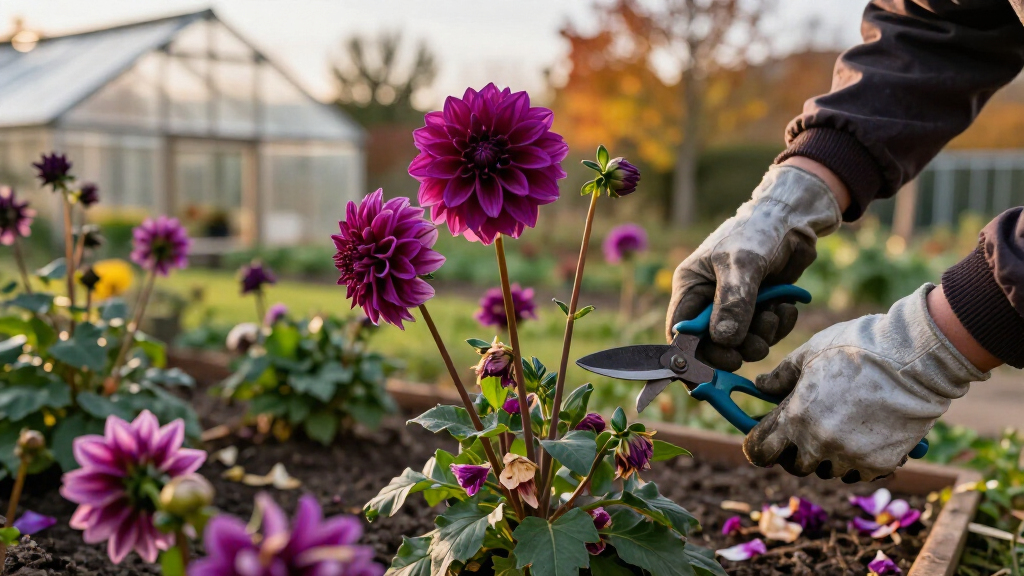
Deadheading means removing spent or fading flowers from a plant. The report says this can redirect a plant’s energy away from seed production and toward further flowering. It recommends removing blooms when their petals fade, rather than waiting until the plant has stopped flowering for the season.
Cosmos and zinnias are described in the report as cut-and-come-again flowers. Jane Westoby, creative director at The Hampshire Seed Company, says picking or removing fading cosmos blooms can encourage continued flowering if the weather stays mild. She says leaving spent zinnia flowers on the plant directs energy toward making seed.
The other plants on the list are dahlias, repeat-flowering roses and calendula. Consultant horticulturist Ross Dyke says deadheading dahlias can be worthwhile while they are still actively blooming. Westoby says removing faded flowers from repeat-flowering roses can support another flush, and that calendula can also be deadheaded as its petals begin to fade and curl.
Keeping October Flowers in Bloom
For gardeners with plants still flowering, deadheading is a practical way to maintain displays late in the season and may encourage another round of blooms before colder conditions arrive. The report’s advice is especially relevant to plants that are still actively flowering, rather than those that have already finished for the year.
Deadheading calendula also has a trade-off: the report says the plant self-seeds, so removing flowers can reduce the chance of it spreading by seed. Gardeners who want seedlings may prefer to leave some blooms in place. More flowers are not guaranteed; the guidance links continued flowering to mild weather and the plant’s remaining growing season.
As an affiliate, we earn on qualifying purchases.
Why October Deadheading Can Help
Many summer and autumn flowers can continue blooming into October, but the remaining display is constrained by falling temperatures and frost. Removing spent blooms is a routine gardening practice intended to prevent some plants from putting energy into seed formation and, where the plant is capable of another flush, encourage additional flowers.
The Ideal Home report’s recommendations are seasonal guidance, not a guarantee of a particular bloom count or duration. It cites advice from Jane Westoby and Ross Dyke and suggests using suitable, clean cutting tools where needed. Small-stemmed flowers can be pinched or snipped; the report also refers to sharp bypass secateurs for plants such as dahlias and roses.
“They’re cut-and-come-again flowers: the more you pick for the vase or remove fading blooms, the more they’ll keep flowering, provided the weather stays mild.”
— Jane Westoby, creative director at The Hampshire Seed Company
As an affiliate, we earn on qualifying purchases.
Frost Sets the Seasonal Limit
The report does not specify a regional frost date or a single timetable that applies to every garden. Local temperatures, the condition of each plant and how much of its flowering season remains will affect whether deadheading produces additional blooms. The advice says displays may continue until frost, but does not quantify how many extra flowers gardeners should expect.
It is also not a claim that all five plants will flower again after every deadheading. Westoby’s guidance ties cosmos to mild weather, while Dyke specifies that dahlias should still be actively blooming. After frost has finished tender annuals, Westoby says removing flowers will not bring them back into bloom.
As an affiliate, we earn on qualifying purchases.
Check Plants as Temperatures Fall
Gardeners following the guidance can inspect the five plants through October and remove faded blooms while fresh growth or flowers remain. The report advises using clean, sharp tools where snipping is needed, and cleaning tools between plants. Gardeners who want calendula to self-seed can leave some flowers rather than deadheading every bloom.
The next milestone is the arrival of colder weather and frost. Whether any further flowers appear will depend on local conditions and the plants’ activity; the report offers no later update or specific forecast for when the flowering period will end.
repeat-flowering roses pruning tools
As an affiliate, we earn on qualifying purchases.
As an affiliate, we earn on qualifying purchases.
Key Questions
Which five plants does the report recommend deadheading in October?
The list is cosmos, zinnias, dahlias, repeat-flowering roses and calendula. The advice is for plants that are still flowering.
Does deadheading guarantee more flowers?
No. The report says removing spent blooms may encourage further flowering, but results depend on mild weather and whether the plant is still actively blooming.
When should calendula be deadheaded?
The report recommends removing calendula flowers once their petals begin to fade and curl. Leaving some blooms may allow the plant to self-seed.
Can deadheading bring annuals back after frost?
No. Westoby says that once frost finishes tender annuals, deadheading will not bring them back into flower.
Source: rss
Fall yard work Picks
leaf blowers
As an affiliate, we earn on qualifying purchases.