Choosing between cold and thermal foggers depends on your needs. Cold foggers produce fine mist ideal for indoor spaces, offering safety, precision, and eco-friendly coverage. Thermal foggers generate dense fog, perfect for outdoor or large area applications but with higher safety risks. Understanding how each works, their benefits, and limitations helps you pick the right one. Keep exploring to discover which fogger suits your specific situation best.
Key Takeaways
- Cold foggers are ideal for indoor, delicate environments due to their low heat and precise, eco-friendly coverage.
- Thermal foggers are better suited for outdoor or large-area applications requiring deep penetration and quick coverage.
- Cold foggers offer lower initial costs, simpler maintenance, and safer operation around sensitive equipment.
- Thermal foggers produce denser fog with higher chemical emissions, requiring safety precautions and more maintenance.
- Selecting the right fogger depends on area size, chemical formulation, safety considerations, and environmental impact.

The Original Disinfectant Fogger Machine – Professional Sanitizer Sprayer – ULV Atomizer & Nano Steam Gun – Rechargeable Barber Spray Gun with Blue Light V2
Powerful & Efficient: Clean small to standard-sized rooms in under 5 minutes. The high-volume cold mist sprays 12-20…
As an affiliate, we earn on qualifying purchases.
As an affiliate, we earn on qualifying purchases.
What Are Cold Foggers and How Do They Work?

Cold foggers are devices that generate fine mist or aerosolized particles without applying heat. As you operate a cold fogger, you’ll notice it disperses liquids like disinfectants, pesticides, or deodorants into tiny droplets, covering large areas efficiently. Because they don’t use heat, they’re safer for handling and reduce the risk of ignition hazards. When it comes to chemical safety, cold foggers help you control the amount and placement of chemicals, minimizing overuse and exposure. They also have a lower environmental impact since the fine mist ensures even coverage and less waste. This precision means you can effectively treat spaces without excess runoff or chemical runoff, making cold foggers an eco-friendly choice for sanitation and pest control. Additionally, cold fogger technology aligns with energy-efficient practices, supporting sustainable solutions in various applications. The ability to target specific areas precisely contributes to reducing chemical waste and promoting a safer environment overall. Proper maintenance and calibration of cold foggers can further enhance their performance and ensure consistent results. Using cold foggers also minimizes potential health risks associated with heat-based systems, making them a preferred choice for sensitive environments.

Vectorfog H100SF Mid-Size Thermal Fogger – Battery-Powered Portable Atomizer for Outdoor, Pest Control – Professional Grade
PROFESSIONAL MID-SIZE PORTABILITY: The H100SF is engineered for mobility, allowing for easy transport and maneuverability across diverse environments…
As an affiliate, we earn on qualifying purchases.
As an affiliate, we earn on qualifying purchases.
How Do Cold and Thermal Foggers Compare in Performance and Use?
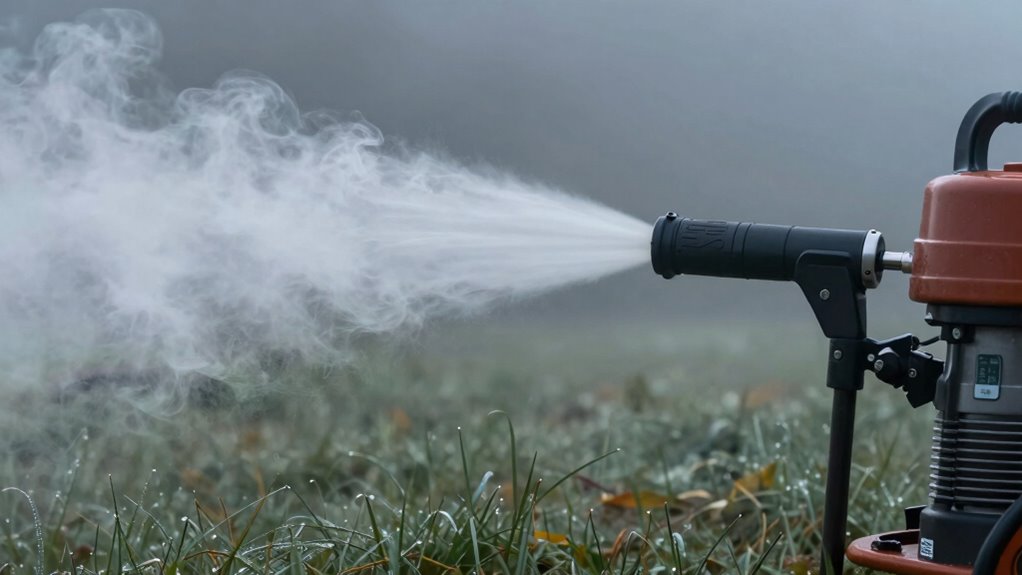
When comparing cold and thermal foggers, you’ll notice differences in how they apply treatments and their overall effectiveness. Operating costs and maintenance needs also vary, affecting your long-term expenses. Additionally, each type suits different environments better, depending on your specific application requirements. Proper fogger selection can significantly improve safety and efficiency in your projects. A thorough understanding of product performance can help guide your decision-making process. For example, choosing the appropriate fogger depends on factors like the type of paint or disinfectant used, which impacts the fogging method and results. Recognizing fogging techniques can further optimize treatment coverage and effectiveness.
Application Techniques and Effectiveness
While both cold and thermal foggers are effective tools for pest control and disinfection, they differ considerably in their application techniques and overall performance. Cold foggers disperse chemicals as a fine mist at ambient temperature, allowing precise control over chemical dispersal and targeting specific areas. They are ideal for small to medium spaces and produce less environmental impact due to reduced chemical drift. Thermal foggers, on the other hand, heat the solution to generate a dense, penetrating fog that covers larger areas quickly. This method is more effective for outdoor or open-space applications but can lead to higher chemical emission, increasing environmental impact. Your choice depends on the environment, the scope of treatment, and the desired accuracy, making understanding these differences essential for maximizing results.
Operating Costs and Maintenance
Understanding the operating costs and maintenance requirements of foggers is essential for choosing the right equipment. When comparing cold and thermal foggers, a detailed cost analysis helps determine long-term expenses, including fuel, electricity, and parts replacement. Cold foggers typically have lower initial costs and simpler maintenance routines, but may require more frequent refilling. Thermal foggers, on the other hand, often have higher upfront prices but can be more efficient over time. Consider these factors:
- Fuel consumption and efficiency
- Frequency and complexity of maintenance routines
- Durability and lifespan of parts
- Cost of repairs and replacements
- Reliable power supply is crucial for continuous operation and minimizing downtime during fogging tasks. Additionally, choosing equipment with low maintenance requirements can significantly reduce overall operational costs and extend the lifespan of your foggers.
Suitability for Different Environments
Choosing between cold and thermal foggers depends heavily on the environment in which you’ll use them. Cold foggers are ideal for delicate settings like indoor spaces or areas requiring minimal environmental impact, as they produce less heat and reduce the risk of fire or damage. They are safer and easier to operate around sensitive equipment. Thermal foggers, on the other hand, work better outdoors or in large open areas, as their heat-based fog can cover wider spaces efficiently. However, they generate more environmental impact due to higher emissions and require strict safety precautions to prevent accidents. Consider your environment’s size, safety needs, and impact on surrounding areas to select the right fogger. Proper use guarantees effectiveness without compromising safety or the environment.

LONYEON 8L Electric ULV Cold Fogger Machine with Backpack Mist Atomizer, Adjustable Flow Rate, Large Area Spraying for Home Indoor Outdoor
【Comfortable Flexible】8L, large spray range, corrosion-resistant spray head, spray distance 8 to 10 meters.it helps you to reach…
As an affiliate, we earn on qualifying purchases.
As an affiliate, we earn on qualifying purchases.
What Are the Main Benefits of Cold Foggers for Pest Control and Disinfection?

Cold foggers offer several key advantages for pest control and disinfection, making them a popular choice among professionals. They produce smaller droplets at lower temperatures, which helps you achieve thorough coverage without damaging surfaces. This also enhances chemical safety, as you can use less aggressive solutions while still effective. Additionally, cold foggers minimize environmental impact by reducing chemical runoff and waste. Their ease of use allows for quick setup and efficient operation in various settings. Plus, the fine mist can reach hard-to-access areas, ensuring exhaustive treatment. Overall, cold foggers are versatile tools that improve safety, effectiveness, and sustainability in pest control and disinfection tasks. Cold fogger technology enables precise delivery, maximizing coverage and minimizing waste.

XXJF Pulse Jet Thermal Fogger, Sprayer Agricultural Portable 360 ° Spray in All Directions 700㎡ in 7-8 Minutes for Weeds Plants
As an affiliate, we earn on qualifying purchases.
As an affiliate, we earn on qualifying purchases.
When Is a Thermal Fogger the Better Choice?
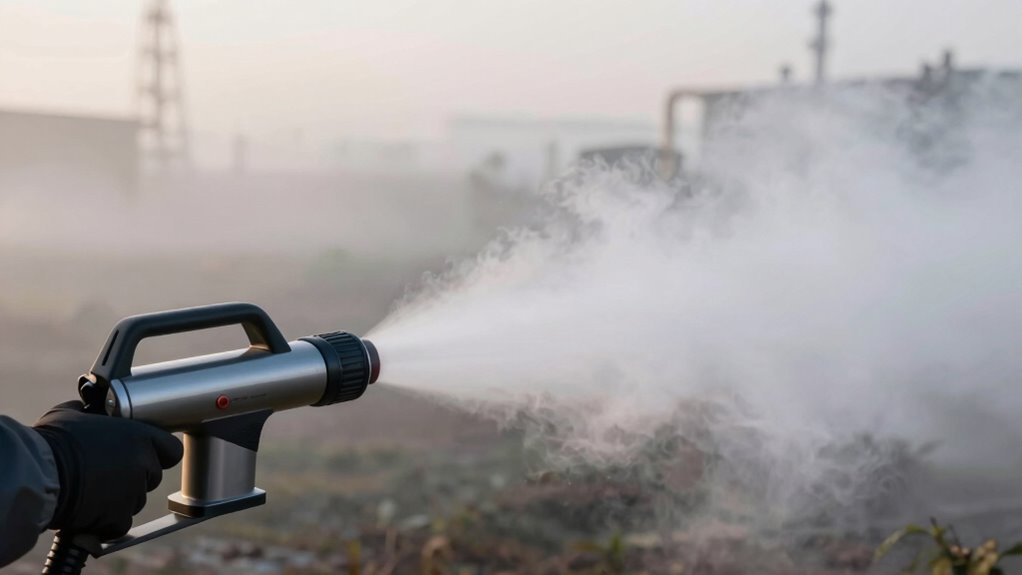
Thermal foggers are the better choice when you need deeper penetration and longer-lasting fog in large or outdoor areas. Their heat generates a dense, persistent fog that can effectively cover extensive spaces. If UV sterilization is a priority, thermal foggers can deliver a more thorough application, ensuring better pathogen or pest control. They also improve fogging safety by reducing the risk of aerosol dispersion and minimizing exposure risks for operators and nearby people. This makes them ideal for outdoor disinfection, pest control, or sterilization where deep penetration is essential. Additionally, thermal foggers are more effective for thick or complex environments, ensuring the fog reaches hidden or hard-to-access spots. When your project demands powerful coverage and lasting results, a thermal fogger is the superior option.
What Are the Limitations and Considerations for Cold and Thermal Foggers?

Both cold and thermal foggers have limitations you should consider before choosing one. Cold foggers may struggle with deep penetration or heavier formulations, while thermal foggers can be bulky and require more maintenance. Understanding these factors helps you select the best option for your specific needs. Additionally, the horsepower of electric dirt bikes can influence the efficiency and performance of equipment used in fogging or pest control tasks. Recognizing the role of AI ethicists in technology development can also guide the adoption of safer and more ethical pest control methods. Proper piercing care and hygiene practices are essential to prevent infections and ensure safety when using equipment that involves skin contact or invasive procedures. Incorporating professional services with expertise in equipment maintenance can further optimize your fogging operations. Moreover, considering the plant properties involved can help determine which fogging method will deliver more effective results.
Limitations of Cold Foggers
While cold foggers are effective for many applications, they have notable limitations that you should consider before choosing them for disinfection or pest control. One major issue is humidity control; because cold foggers produce a lower temperature mist, environmental humidity can affect droplet dispersion and coverage. Additionally, they may struggle with chemical compatibility, as some solutions can corrode components or clog nozzles. Cold foggers often lack the power needed for large or heavily contaminated spaces, requiring multiple refills or passes. Their droplet size and penetration may also be insufficient for thorough pest or pathogen eradication. Finally, cold foggers typically have less control over droplet size variation, which impacts effectiveness in different environments.
Thermal Foggers: Key Considerations
Understanding the limitations and considerations of thermal foggers is essential before choosing the right fogging system for your needs. Thermal foggers generate heat, which can pose chemical safety risks if not handled properly. They often require careful management to prevent fires or damage to sensitive equipment. Additionally, thermal foggers tend to produce larger particles that settle quickly, potentially reducing coverage efficiency. Environmental impact is another concern, as the heat can alter the chemical’s effectiveness or create fumes that affect air quality. You should consider these factors when evaluating thermal foggers, especially if safety, environmental sustainability, or coverage precision are priorities. Proper training and adherence to safety protocols are vital to maximize benefits while minimizing risks associated with thermal fogging.
How Much Do Fogging Machines Cost and Which Is More Cost-Effective?

Fogging machines vary widely in price, making it important to contemplate your specific needs and budget. When doing a cost comparison, consider both initial investment and ongoing expenses. Cold foggers tend to be more affordable upfront, often costing less than thermal foggers, but may require more frequent maintenance. Thermal foggers usually have higher initial costs but can be more efficient for large areas, saving money in the long run. To determine which is more cost-effective, factor in durability, fuel or power consumption, and maintenance costs. Here are key points to help with budget planning:
- Cold foggers generally have a lower initial price.
- Thermal foggers often offer faster coverage.
- Maintenance costs vary between models.
- Long-term savings depend on usage frequency.
- Operational efficiency can significantly impact overall expenses.
How to Use and Maintain Your Fogging Equipment Properly?
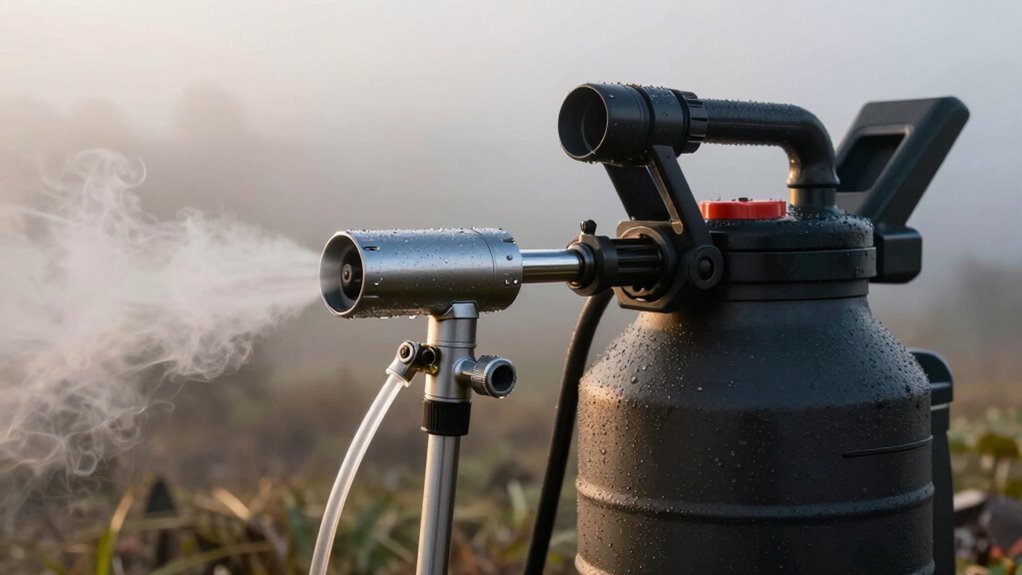
To guarantee your fogging equipment works effectively and lasts longer, it’s essential to use and maintain it properly. Start by following manufacturer instructions for operation and cleaning routines. Always prioritize fogging safety by wearing protective gear and ensuring proper ventilation during use. Regularly inspect parts like nozzles, filters, and fuel lines for wear or clogs, and replace them as needed. Proper maintenance prevents buildup and corrosion, which can impair performance. Store your fogger in a cool, dry place to avoid damage. Use the correct solutions and avoid overfilling tanks to prevent leaks. Additionally, filter maintenance is crucial for ensuring consistent fogging efficiency. Ensuring your equipment is properly cleaned and stored can significantly extend its lifespan. By taking these steps, you protect your investment, ensure consistent results, and extend your equipment’s longevity. Good maintenance is key to safe, efficient, and effective fogging.
Which Fogger Should You Choose for Your Specific Needs?

Choosing the right fogger depends on your specific needs and the environment in which you’ll be working. Consider factors like the size of the area, type of chemicals used, and safety protocols. Cold foggers are ideal for large, open spaces and minimize chemical safety risks since they produce less heat. Thermal foggers generate finer droplets, making them effective for penetrating cracks but may have a higher environmental impact due to heat and chemical dispersion. To make an informed decision:
- Assess the size and complexity of your treatment area
- Prioritize chemical safety and proper handling
- Consider environmental impact and residue concerns
- Match fogger type to chemical viscosity and target pests or pathogens
Choosing carefully ensures effective coverage while safeguarding health and the environment.
Frequently Asked Questions
Can Cold Foggers Be Used for Indoor Disinfection Safely?
Yes, you can use cold foggers for indoor disinfection safely if you follow proper indoor safety precautions and disinfection protocols. Make sure the disinfectant is suitable for indoor use and ventilate the area well after fogging. Always wear protective gear during application to prevent inhalation or contact. By adhering to these guidelines, you guarantee effective disinfection while keeping everyone safe indoors.
How Long Does a Typical Fogging Session Last?
A typical fogging session lasts about 10 to 30 minutes, depending on the area size and equipment used. Did you know that proper fog duration guarantees effective coverage without overuse? Your fogging equipment’s lifespan depends on maintaining ideal fog duration and regular maintenance. Keep sessions efficient by adjusting fogging times to match room size, which helps prolong your equipment’s lifespan and guarantees thorough disinfection or pest control.
Are There Environmental Impacts From Using Thermal Foggers?
Using thermal foggers can raise environmental concerns, especially related to chemical runoff. You might worry about harmful chemicals seeping into soil or water sources, affecting wildlife and ecosystems. To minimize impact, make sure proper application, follow safety guidelines, and choose eco-friendly solutions when possible. Being mindful of your spraying techniques helps protect the environment while effectively controlling pests or pathogens.
What Maintenance Is Required for Cold Fogger Equipment?
You need to regularly inspect your cold fogger to guarantee equipment durability. Follow proper cleaning protocols after each use, including flushing the system and cleaning nozzles to prevent clogging. Check seals and gaskets for wear, and lubricate moving parts as needed. Keeping up with these maintenance steps helps prolong your cold fogger’s lifespan, maintains peak performance, and prevents costly repairs down the line.
Which Fogger Type Is Better for Large-Area Coverage?
Imagine it’s 1920, and you’re trying to cover a vast battlefield—your fogger choice matters. For large-area coverage, thermal foggers excel with superior fogging efficiency, dispersing fog deeper and wider. Cold foggers are better for smaller, targeted spaces. So, if efficiency over large areas is your goal, go thermal; it’s the battle-tested option for extensive fogging needs.
Conclusion
Choosing between cold and thermal foggers is like selecting the right tool for a delicate craft—you need precision and purpose. I once saw a pest control expert struggle with the wrong machine, only to realize the right fogger guarantees all the difference. Remember, understanding each fogger’s strengths assures you’re not just spraying blindly but targeting effectively. Invest time in your choice, and you’ll master your pest or disinfection needs with confidence and efficiency.