Dehydrating herbs slowly at low temperatures is key to preserving their flavor, aroma, and essential oils. Rushing the process with high heat can cause uneven drying and flavor loss. By taking your time, you prevent surface burning and retain the vibrant qualities that make herbs special. Patience guarantees your herbs stay potent and fresh long-term. Keep going, as you’ll discover even more tips for perfect dehydration and flavor preservation in the details.

Get garden gear delivered free with Prime
- Fast, free delivery on millions of items
- Prime Video, Amazon Music and more included
- Member-only deals all year
Key Takeaways
- Slow dehydration preserves essential oils and aromatic compounds, maintaining flavor and potency.
- Low temperatures prevent surface burning and uneven drying, ensuring herbs retain their vibrant qualities.
- Rushing the process can cause flavor loss, aroma degradation, and mold growth due to uneven moisture removal.
- Gentle heat and extended drying times protect delicate herbal oils and prevent flavor or scent loss.
- Consistent, low-temperature drying enhances long-term storage quality and herbal freshness.
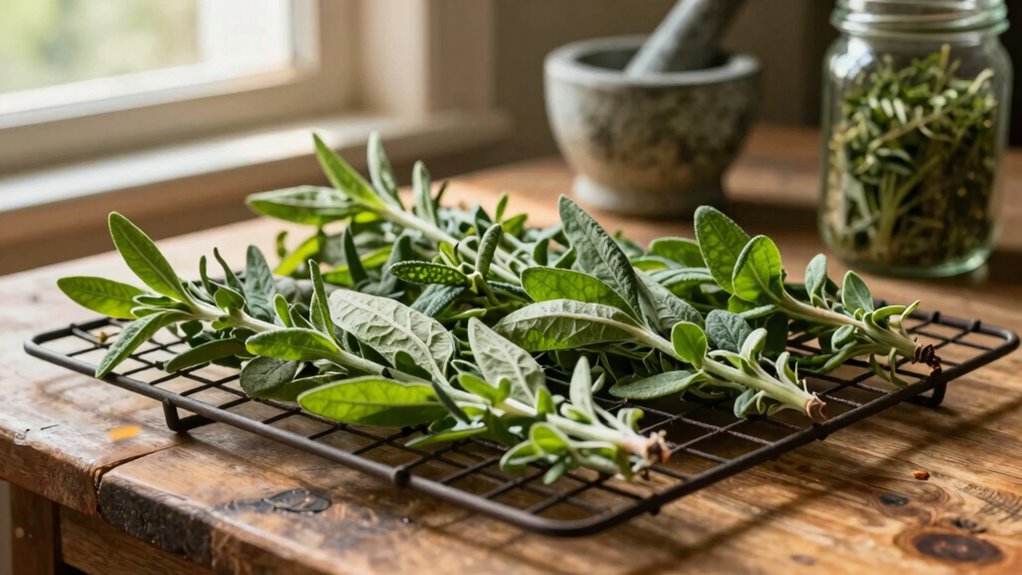
Dehydrating herbs is a simple and effective way to preserve their flavor and aroma for long-term use. When you dry herbs properly, you lock in their essential oils and vibrant tastes, making them last much longer than fresh varieties. The key to successful dehydration lies in understanding herb flavor preservation, which depends heavily on the drying process itself. You want to avoid rushing through it, as high heat or quick drying methods can cause herbs to lose their delicate flavors and aromatic compounds. Instead, taking your time ensures that you retain the full depth of their herbal essence.
Dehydrate herbs slowly to preserve their essential oils, flavor, and aroma for long-lasting freshness.
The best way to achieve this is by creating ideal drying environments. Low and slow is the mantra here—using gentle heat and extended drying times to gradually remove moisture without damaging the herbs. If you attempt to speed up the process with high temperatures, you risk cooking the herbs unevenly or burning their surface, which diminishes flavor and aroma. Instead, you should aim for a temperature around 95°F to 115°F (35°C to 46°C), which is warm enough to encourage drying but not so hot that it destroys the herbs’ essential oils. This approach protects the herbal compounds that give your dried herbs their characteristic fragrance and flavor.
Proper airflow is just as important as temperature control. You want a well-ventilated space where moisture can escape without trapping humidity around the herbs. This prevents mold and ensures even drying. If you’re using a dehydrator, set it to a low setting, and check the herbs regularly to avoid overdrying. When drying herbs in the oven, keep the door slightly open to allow moisture to escape, and monitor closely. If you prefer air drying, hang herbs in a warm, dry, and shaded area, making sure they are not exposed to direct sunlight, which can degrade their color and potency. Maintaining consistent temperature helps ensure herbs dry evenly and retain their quality. Additionally, understanding herb moisture content can guide you in knowing when herbs are properly dried and ready for storage.
Patience is your best ally when dehydrating herbs. Rushing the process might seem tempting, but it compromises flavor preservation. Low and slow drying methods preserve the herbs’ essential oils, ensuring your dried herbs retain their aroma and taste. Once dried, store them in airtight containers away from light and heat to maintain their flavor for months. This careful approach guarantees that every pinch of your dried herbs will deliver maximum flavor, aroma, and culinary delight. In the end, taking your time with herb dehydration will reward you with herbs that are as vibrant and flavorful as when fresh, making your cooking all the more aromatic and delicious.
As an affiliate, we earn on qualifying purchases.
Frequently Asked Questions
Can I Dehydrate Herbs in a Microwave?
You can dehydrate herbs in a microwave, but it requires caution. Make certain microwave safety by using a microwave-safe plate and monitoring the herbs closely. Microwave drying can be quick, but it risks losing herb flavor retention if done improperly. To avoid this, use short bursts on low power and check often. This method is convenient but less consistent than traditional low-and-slow dehydration methods.
How Do I Store Dried Herbs for Long-Term Use?
You should store dried herbs in airtight storage containers to keep their flavor and potency. Use herb packaging that’s opaque or dark-colored to protect from light, which can degrade herbs over time. Keep the containers in a cool, dark, and dry place, like a pantry or cupboard. Proper storage prevents moisture and air from spoiling your herbs, ensuring they stay fresh and flavorful for long-term use.
Is It Necessary to Wash Herbs Before Dehydrating?
Imagine preparing for a safe journey—you’d want a clean vehicle. Similarly, herb cleanliness is essential before dehydrating. Washing herbs removes dirt and bacteria, ensuring dehydration safety and preserving flavor. Skipping this step risks mold or spoilage. So, yes, gently rinse herbs with cool water, then pat dry thoroughly before drying. This simple step keeps your herbs safe, fresh, and ready to use in your favorite recipes.
What Are the Signs of Over-Dried Herbs?
You’ll notice over-dried herbs feel brittle and crumbly, with a rough herb texture that makes them difficult to crush. Their flavor retention diminishes, leaving a dull, muted taste instead of the vibrant flavor you expect. Over-drying can also cause herbs to lose their aroma. To avoid this, keep a close eye on the herbs during dehydration, and remove them as soon as they’re crisp but not overly brittle.
Can Dried Herbs Lose Flavor Over Time?
Yes, dried herbs can lose flavor over time, affecting herb potency and flavor retention. As herbs sit, their essential oils gradually diminish, making them less aromatic and flavorful. To maximize freshness, store your dried herbs in airtight containers away from light and heat. Using herbs within a year helps preserve their potency and vibrant flavor, ensuring your dishes benefit from the full spectrum of their aromatic qualities.
As an affiliate, we earn on qualifying purchases.
Conclusion
So, there you have it—dehydrating herbs isn’t exactly rocket science, but if you want flavor that actually lasts longer than a New Year’s resolution, low and slow is your best bet. Skip the microwave madness and let patience be your secret ingredient. Remember, good things come to those who wait—and in this case, those good things are beautifully preserved herbs that won’t turn to dust the moment you sprinkle them. Happy drying!
As an affiliate, we earn on qualifying purchases.
As an affiliate, we earn on qualifying purchases.
Halloween Picks
halloween
As an affiliate, we earn on qualifying purchases.