Creating defined beds with proper edging not only keeps your garden looking neat but also makes maintenance easier by preventing grass and weeds from encroaching. Use materials like bricks, stones, or mulch to create clear boundaries, and maintain them regularly to preserve their shape. Preparing your soil properly before planting ensures healthy growth, while a clean edge helps keep plants organized. Keep these tips in mind for a tidy, low-maintenance garden—sit tight, and you’ll discover more insights ahead.
Key Takeaways
- Proper edging creates clear boundaries, preventing grass and weeds from encroaching into garden beds, reducing maintenance.
- Using durable materials like bricks or stones ensures long-lasting bed edges that require minimal upkeep.
- Regularly maintaining and trimming edges keeps boundaries neat and prevents overgrowth, simplifying lawn and bed care.
- Well-defined beds facilitate easier weed control and reduce the need for frequent weeding and re-edging.
- Proper soil preparation and plant spacing promote healthy growth, decreasing the need for ongoing corrective maintenance.
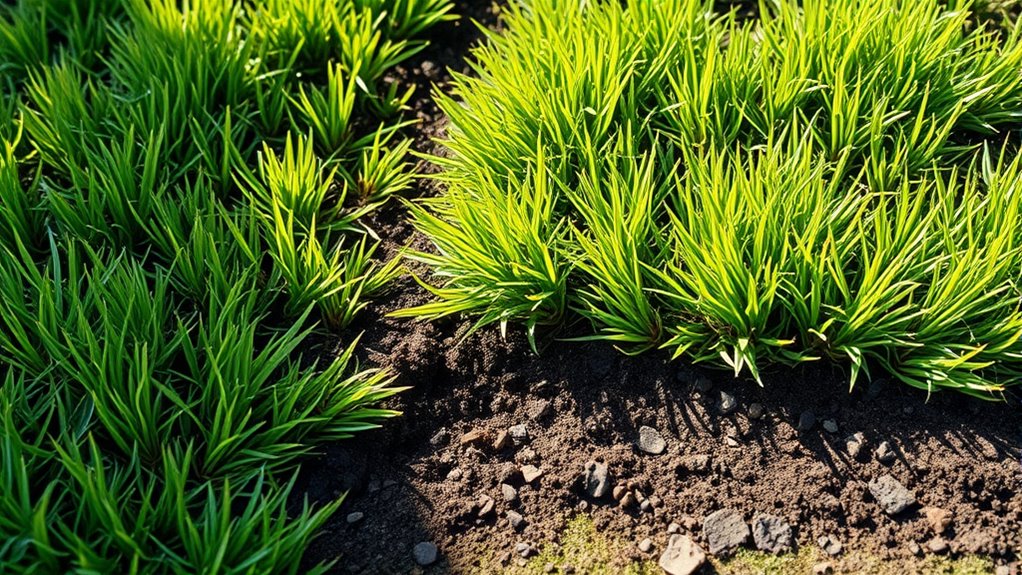
Edging and bed definition are vital techniques in garden design that help create a polished and organized appearance. When you’re working on defining your garden beds, understanding how to use proper planting techniques and soil preparation is essential. These steps set the foundation for healthy plants and a neat look that lasts over time. First, focus on your planting techniques, which involve selecting the right plants for your space and understanding how to place them for maximum growth. Consider the mature size of each plant, their sunlight needs, and water requirements to guarantee they thrive together. Proper planting techniques also include spacing plants appropriately so they have room to grow without overcrowding, which can lead to disease or poor growth. When you’re planting, it’s best to loosen the soil well beforehand and gently position each plant at the correct depth, firming the soil around the roots to eliminate air pockets. This helps plants establish quickly and reduces transplant shock. Additionally, choosing plants that complement each other can enhance the overall health and appearance of your garden.
Soil preparation is equally important and directly impacts how well your planting techniques work. Before you start planting, you need to prepare the soil to guarantee it provides the right nutrients, drainage, and structure. Start by removing any weeds, grass, or debris from the bed area. Loosen the soil with a garden fork or tiller to a depth of at least 12 inches, breaking up compacted areas and allowing roots to penetrate easily. Incorporate organic matter such as compost or aged manure to improve soil fertility and water retention. If your soil tends to drain poorly, mix in coarse sand or fine gravel to enhance drainage. Conversely, if your soil drains too quickly, adding organic matter will help retain moisture. Testing your soil’s pH level can also guide you in making amendments; most plants prefer a slightly acidic to neutral pH of 6.0 to 7.0. Adjusting soil pH with amendments like lime or sulfur ensures your plants will absorb nutrients effectively. Proper soil preparation enhances the effectiveness of your planting techniques and contributes to a thriving garden.
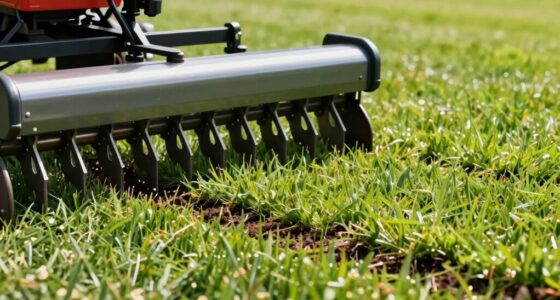
Once your soil is well-prepared, you can shape your garden beds with clean, defined edges. Edging creates a clear boundary between your lawn and planting beds, preventing grass from encroaching and making maintenance easier. Whether you choose physical barriers like bricks, stones, or metal strips, or opt for natural plantings or mulch, a defined edge provides a tidy, professional look. With proper planting techniques and meticulous soil preparation, your garden beds will not only look attractive but will also support healthy, vigorous plants. Taking the time to get these basics right pays off in the long run, reducing maintenance and encouraging a lush, well-organized garden space.

EasyFlex No-Dig Landscape Edging with Anchoring Spikes, 2.7 in Tall Decorative Stone-Look Garden Border, 15 Foot Kit, Brown
EASYFLEX DECORATIVE NO-DIG LANDSCAPE EDGING: Get a beautifully landscaped yard without all the work of a dig-in lawn…
As an affiliate, we earn on qualifying purchases.
As an affiliate, we earn on qualifying purchases.
Frequently Asked Questions
How Often Should Edging Be Replaced or Repaired?
You should replace or repair edging whenever you notice a decline in edge durability or if it starts to crack, shift, or break. Typically, repair frequency depends on material quality and weather conditions, but it’s wise to inspect your edging at least once a year. Prompt repairs ensure your landscape stays neat and prevents further damage, maintaining the overall appearance and function of your bed. Stay vigilant and address issues early.
What Tools Are Best for Creating Clean Bed Edges?
Think of your garden border as a delicate ribbon that frames your masterpiece. Use sharp edging tools like a half-moon edger or a edging spade to slice through soil with precision, creating clean, crisp lines. These tools help you sculpt your bed’s edge seamlessly, giving your garden a polished look. With the right edging tools, you transform a simple boundary into a beautiful, well-defined frame that highlights your garden’s beauty.
Can Edging Help Prevent Weed Growth Effectively?
Yes, edging can help prevent weed growth effectively by creating a physical barrier that limits weed resistance and intrusion. When combined with mulch, edging enhances weed suppression because mulch retains moisture and discourages weeds, especially when compatible with your edging materials. Properly installed edging keeps mulch in place and reduces gaps where weeds can emerge, making your garden easier to maintain and more resistant to unwanted plants.
Are There Eco-Friendly Edging Options Available?
Imagine a garden where the border seamlessly blends with nature — eco-friendly edging options do exist. You can choose sustainable materials like bamboo, recycled plastic, or stone that naturally break down over time. Biodegradable options, such as coconut husks or cornstarch-based plastics, add charm without harming the environment. These choices help you create a beautiful, sustainable landscape that supports your eco-conscious values and keeps your garden thriving.
How Does Bed Definition Impact Overall Garden Health?
Your bed definition plays a vital role in garden health by preventing soil erosion and keeping plants contained. When edges are well-defined, soil stays in place during heavy rain, reducing erosion risks. Properly maintained borders also help organize your garden, making it easier to care for plants and prevent weeds. This stability promotes better root growth and soil quality, leading to a healthier, more vibrant garden overall.

EasyFlex No-Dig Landscape Edging with Anchoring Spikes, 2.7 in Tall Decorative Stone-Look Garden Border, 15 Foot Kit, Slate Gray
EASYFLEX DECORATIVE NO-DIG LANDSCAPE EDGING: Get a beautifully landscaped yard without all the work of a dig-in lawn…
As an affiliate, we earn on qualifying purchases.
As an affiliate, we earn on qualifying purchases.
Conclusion
Mastering edging and bed definition transforms your garden into a breathtaking masterpiece that could outshine even the most famous parks. With just a little effort, you’ll create a stunning, jaw-dropping landscape so perfect it might make the Queen jealous! Don’t settle for dull, shapeless beds—unleash your inner landscape artist and turn your yard into a show-stopping wonder that leaves everyone in awe. Get ready to impress, because your garden’s about to become legendary!

HealthiStraw GardenStraw, 3 cu ft (20 lbs) All-Natural Mulch for Gardens, Vegetables & Lawn Seeding – Water-Conserving Wheat Straw – Thoroughly Cleaned, Sustainable
All-Natural & Clean Mulch —Sustainably sourced 100% non-GMO wheat straw is naturally filtered to remove dust, dirt, and…
As an affiliate, we earn on qualifying purchases.
As an affiliate, we earn on qualifying purchases.
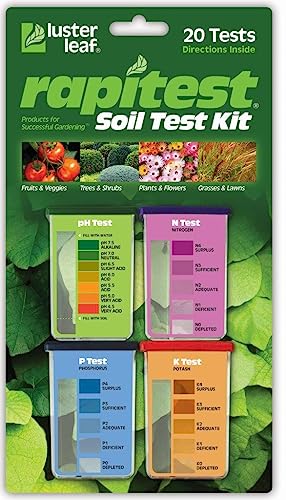
Rapitest Soil Test Kit for Gardens, Vegetables, Flowers and Lawns. USA designed and assembled soil tester completely, quickly and accurately measures/analyzes soil pH acidity and garden nutrients.
Quick, at home results for Soil pH, Nitrogen, Phosphorous and Potash Innovative and inexpensive soil test kit features…
As an affiliate, we earn on qualifying purchases.
As an affiliate, we earn on qualifying purchases.