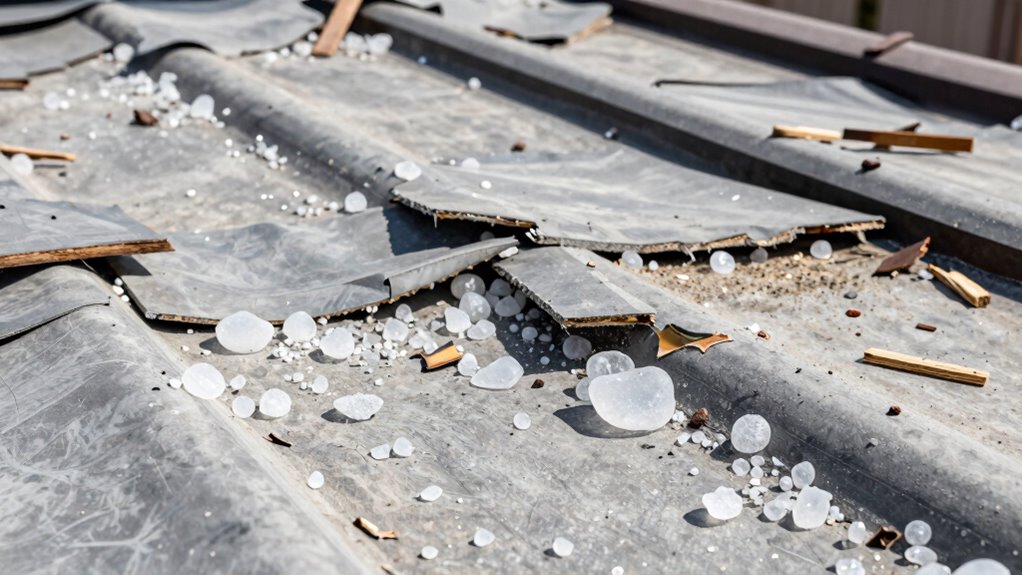

One of the biggest mistakes you can make when cleaning up hail damage is neglecting to document the damage early on. Taking clear photos of dents, broken windows, and roof damage before repairs start is essential for your insurance claim. Without proper documentation, your recovery process can become complicated and slow down, leading to potential claim denials. Staying organized and thorough helps guarantee smoother progress—keep going to find out how avoiding this mistake can save your recovery efforts.

Get garden gear delivered free with Prime
- Fast, free delivery on millions of items
- Prime Video, Amazon Music and more included
- Member-only deals all year
Key Takeaways
- Delaying damage documentation hampers insurance claims and prolongs recovery.
- Rushing repairs without proper assessment can worsen damage and lead to costly mistakes.
- Handling repairs without professional guidance increases the risk of subpar work and future issues.
- Ignoring safety precautions during cleanup can cause injuries and further property damage.
- Failing to organize and submit detailed evidence delays claims and complicates the recovery process.
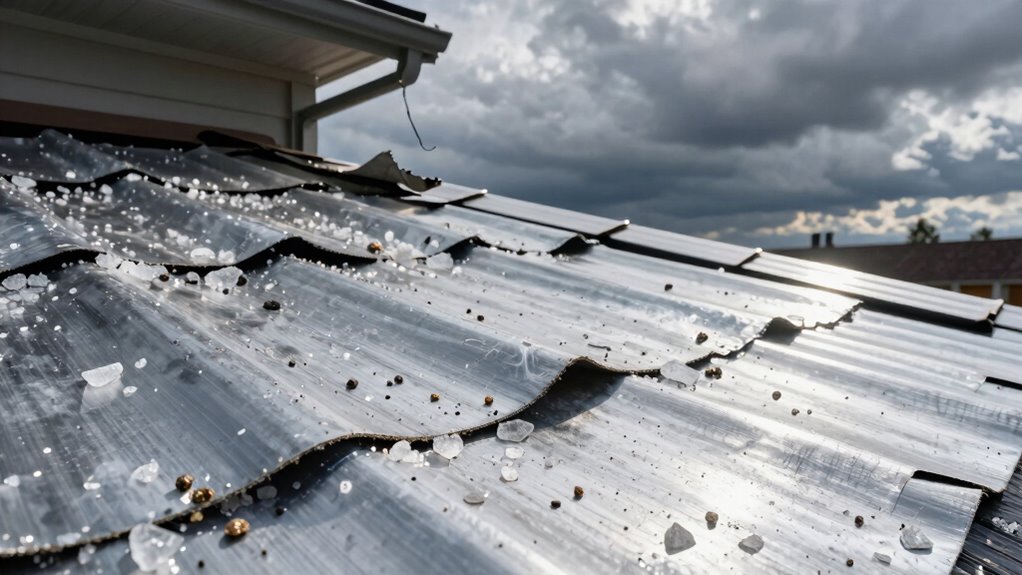
After a hailstorm, it’s tempting to start cleaning up right away, but rushing the process can lead to costly mistakes. If you jump into damage cleanup without proper planning, you risk damaging your property further or missing out on essential insurance claims. One of the biggest errors you can make is neglecting to document the damage thoroughly. Take clear photos of dents, broken windows, or damaged roofing before you begin any repairs. This documentation is critical when filing for hail damage insurance, as insurance companies often require detailed evidence to process claims smoothly. Without it, you might face delays or even denials, prolonging your recovery process.
Document hail damage thoroughly with clear photos to ensure smooth insurance claims and avoid delays.
Emergency preparedness plays a key role here. Having an emergency kit ready with basic tools and protective gear allows you to assess the damage safely. Avoid climbing onto a damaged roof or handling broken glass without the right equipment. Your safety should always come first. Once you’ve secured your safety, consider reaching out to professionals who specialize in hail damage cleanup. They have the experience and equipment to evaluate the true extent of the damage and conduct repairs properly. This prevents you from making amateur repairs that could cause further issues down the line, such as leaks or structural weaknesses.
Another mistake is delaying communication with your insurance provider. Many people assume they can handle the cleanup first and deal with insurance afterward. That’s not a good idea. Contact your insurer promptly—most policies have time limits for claims—and ask about their process for hail damage insurance claims. Some insurers may require specific documentation or inspections, so being proactive helps you avoid unnecessary complications. Additionally, understand your coverage. Knowing what’s included under your policy helps set realistic expectations and ensures you don’t overlook potential compensation for damages that could be costly to repair out of pocket. Recognizing the importance of damage documentation can significantly ease the recovery process. Incorporating proper insurance procedures into your recovery plan can also streamline the claims process. Furthermore, utilizing the right cloud-based data management tools can help you keep all relevant information organized and accessible.
Finally, rushing through repairs without proper planning can make recovery harder. It’s tempting to want to fix everything quickly, but hasty repairs often lead to more damage or subpar results. Take the time to evaluate what needs immediate attention versus what can wait. Prioritize safety and structural integrity, and consult professionals when needed. This strategic approach not only accelerates your recovery but also ensures that you’re making the most of your hail damage insurance benefits. In the end, a careful, well-prepared response is the best way to prevent minor issues from turning into major setbacks, making your recovery smoother and more effective. Recognizing the importance of damage documentation and proper safety measures can significantly ease the recovery process. Remember that understanding insurance claims processes and maintaining detailed records are essential components of an effective recovery plan.
As an affiliate, we earn on qualifying purchases.
Frequently Asked Questions
How Soon Should I Start Hail Damage Repairs?
You should start hail damage repairs as soon as possible, ideally within a week. A prompt hail repair timeline guarantees your damage assessment is accurate and prevents further issues like rust or structural problems. Waiting too long can make repairs more complicated and costly. Contact a professional quickly to evaluate the damage and begin repairs promptly, minimizing your chances of facing bigger issues down the line.
Can I Fix Hail Dents Myself?
Yes, you can attempt DIY repair for small hail dents if you’re comfortable with dent removal techniques. Start by cleaning the area thoroughly, then use a hairdryer to warm the dent, making it easier to pop out. Be cautious, as improper DIY repair can sometimes cause more damage. For larger or stubborn dents, it’s best to consult a professional to guarantee proper hail damage cleanup and avoid costly mistakes.
What Insurance Coverage Is Typical for Hail Damage?
Your insurance typically covers hail damage through insurance claims, but coverage limits vary depending on your policy. You’ll want to review your policy details to understand what’s included, like roof repairs or vehicle damage. Make sure to document the damage thoroughly and file your claim promptly. Keep in mind that some policies have caps, so knowing your coverage limits helps you prepare for any out-of-pocket costs during the recovery process.
Are There Specific Tools for Hail Damage Cleanup?
You’ll want specialized cleanup tools to effectively handle hail damage. These tools include hail rakes for assessment, power washers to remove debris, and tarping supplies to protect damaged areas. Using these tools helps you quickly evaluate the scope of hail damage, clear away shattered materials, and safeguard your property. With the right equipment, you streamline your cleanup process, preventing further damage and making recovery smoother and more efficient.
How Do I Prevent Future Hail Damage?
To prevent future hail damage, you should consider installing hail-resistant materials like impact-resistant roofing and protective coverings for vulnerable areas. Keep an eye on weather forecasts to stay ahead of incoming storms, and take preventive measures when hail is predicted. Regularly inspecting your property for weaknesses and reinforcing those spots can also reduce damage. Being proactive with these strategies helps protect your home and minimizes costly repairs.
As an affiliate, we earn on qualifying purchases.
Conclusion
Don’t let a simple mistake turn your hail damage recovery into a quixotic quest. Acting too quickly or neglecting proper cleanup can make things worse, much like trying to catch a falling star—futile and frustrating. Take your time, consult experts, and avoid rushing into decisions. Remember, patience and proper care now will save you headaches later. As the old adage goes, “Haste makes waste,” so approach your cleanup with wisdom and a steady hand.
As an affiliate, we earn on qualifying purchases.
emergency damage assessment tools
As an affiliate, we earn on qualifying purchases.
As an affiliate, we earn on qualifying purchases.
Fall yard work Picks
leaf blowers
As an affiliate, we earn on qualifying purchases.