
TL;DR
Poinsettias can last into January when selected in good condition and cared for properly, according to Costa Farms horticulturist Justin Hancock. Look for tightly closed green or yellow-green flower buds, healthy leaves and slightly moist soil; protect the plant from cold during the trip home and keep it in bright light.
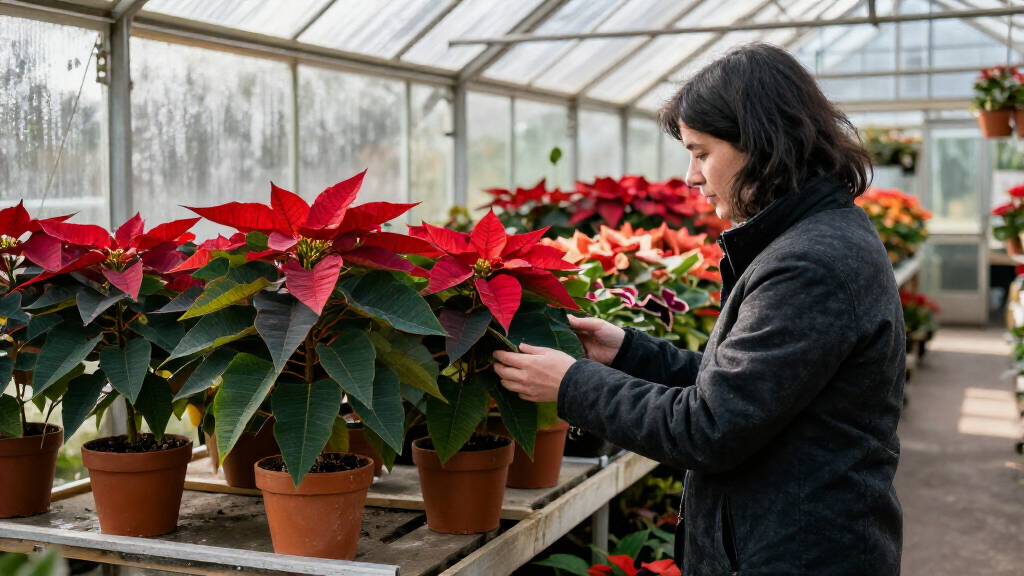
Holiday shoppers can improve the chances of keeping a poinsettia in good condition into January by checking its tiny central flowers, leaves and potting mix before buying, according to Justin Hancock, a horticulturist with Costa Farms. The plant-care guidance also recommends protecting poinsettias from cold on the way home and giving them bright light indoors.

Get garden gear delivered free with Prime
- Fast, free delivery on millions of items
- Prime Video, Amazon Music and more included
- Member-only deals all year
Hancock says poinsettias can last a month or two into mid- or late January in ideal conditions, but their remaining display time depends in part on how fresh they are at purchase. The colorful parts commonly mistaken for petals are modified leaves called bracts. The actual flowers are the small clustered structures at the center of the bracts.
For the best chance of a longer display, inspect those central flowers first. Their capsules, called cyathia, should be green or yellow-green and tightly closed. Open flowers showing bright yellow or powdery yellow pollen suggest the display is already around its midpoint, Hancock says. Dried or falling flowers are a sign to choose another plant.
Check that the bracts and leaves look vibrant rather than wilted, and that leaves are dark green and not dropping. Look beneath the plant’s protective sleeve, too: if lower leaves have fallen, they will not grow back in time for the holidays. Avoid a pot with bone-dry mix, since poinsettias prefer soil that stays slightly moist. The plant should appear healthy overall and have no visible bugs on its stems, leaves or bracts.
After choosing a plant, cover it for the trip from the store and avoid exposing it to an icy car or a sudden drop in temperature. At home, provide bright light and water when the top inch or so of mix feels dry, keeping the soil moist but not saturated. Hancock says poinsettias do not tolerate temperatures below 50 degrees, so outdoor display is not suitable unless the climate stays warm. He also recommends keeping a newly purchased plant separate from other houseplants for a time, since it may carry pests.
Choose a fresher poinsettia for a longer display
Check the flowers, foliage and soil before buying. Protect the plant from cold and give it bright light at home.
Check before you buy
The flower capsules at the center offer the clearest freshness clue.
Choose tightly closed green or yellow-green capsules. Open flowers with visible yellow pollen suggest the display is already around its midpoint.
Look for vibrant bracts, dark-green leaves and slightly moist mix. Pass on plants with fallen leaves, dried flowers or bone-dry soil.
Check stems, leaves and bracts for visible insects, and look beneath the protective sleeve for lost lower leaves.
Keep it comfortable
Cold exposure and unsuitable watering can stress a poinsettia.
- Cover the plant for transport.
- Keep it out of an icy car and away from sudden temperature drops.
- Place it in bright light.
- Water when the top inch of mix feels dry; keep soil moist, not saturated.
- Keep it above 50°F and separate it from other houseplants for a time.
Read the plant’s signs
Color alone does not show freshness: red, pink, salmon, white and yellow poinsettias can all be assessed by their condition.
Closed is fresher
The colorful bracts are modified leaves; inspect the tiny true flowers clustered at their center.
Look for healthy leaves
Yellowing, wilting or fallen leaves can signal stress. Lost lower leaves will not grow back in time for the holidays.
Not a pest sign alone
White milky drips can come from a broken stem or leaf; look for actual insects such as whiteflies, mealybugs or spider mites.
How a Better Pick Extends the Display
A poinsettia’s appearance at the store offers clues to how much of its seasonal display may remain. Choosing a plant with closed flower capsules and intact foliage can help shoppers avoid bringing home one already showing signs of age or stress. That matters for people buying plants well ahead of a holiday gathering: a plant that is already shedding leaves or has open, pollen-bearing flowers may not stay attractive as long.
Care after purchase also affects how the plant fares. Poinsettias are subtropical, and cold exposure can shorten their lifespan. Keeping the plant warm on the journey home, placing it in bright light and avoiding both dry soil and waterlogged conditions are practical steps that support a longer indoor display. Quarantining it also reduces the chance that pests could reach other houseplants.
The advice does not promise a fixed display period for every plant. Hancock’s estimate of a month or two into January applies to ideal conditions, and the guidance makes clear that a stressed plant may not recover simply because it receives water later.
Products Worth Considering

Blackstone 2363 20 x 14-Inch Camping Griddle

EGO POWER+ LB7654 Cordless Leaf Blower with 5.0Ah Battery

Orbit B-hyve XR 16-Zone Indoor/Outdoor Smart Sprinkler Controller
As an affiliate, we earn on qualifying purchases.
Reading a Poinsettia’s Signs
Poinsettias are native to Mexico and have long been used as holiday décor. They are sold in familiar red as well as pink, salmon, white and yellow, with some varieties marked by cream-colored speckles or splashes. Color alone, however, does not show how fresh a plant is; the condition of its central flowers and foliage is more useful when making a selection.
The distinction between the plant’s showy bracts and its actual flowers explains what shoppers should inspect. Bracts are modified leaves, while the true flowers are the tiny structures clustered in the center. Hancock identifies their stage of development as the most important freshness check: tightly closed, green or yellow-green capsules indicate a plant earlier in its display than one with open flowers and visible pollen.
Other visible signs help complete the assessment. Yellowing or fallen leaves, especially at the base, can indicate stress, while dry potting mix is another reason to pass. White milky drips on a plant are different: the guidance says this is sap from a broken stem or leaf, not evidence by itself of mealybugs. Shoppers should look for actual insects, including whiteflies, mealybugs or spider mites.
“In ideal conditions, your poinsettia can last a month or two into mid- or late January.”
— Justin Hancock, horticulturist with Costa Farms
What Affects a Plant’s Lifespan
The estimate that a poinsettia may last into January is conditional on ideal conditions; no exact lifespan can be predicted from the buying checks alone. The guidance does not specify how long a newly purchased plant should be kept apart from other houseplants, or whether any particular store or variety is more likely to have pests or remain in good condition.
Individual results will also depend on the plant’s condition before purchase and its care afterward. The advice gives a watering cue—the top inch of potting mix feeling dry—but does not set a fixed watering schedule, since conditions can vary. It also does not identify a single indoor temperature or light measurement beyond recommending bright light and avoiding temperatures below 50 degrees.
Checks to Make Before Buying
Before purchasing, inspect the central flower capsules, bracts, leaves and potting mix, then look beneath the sleeve for leaf loss and check the plant for insects. If any of those signs point to age or stress, choose another poinsettia rather than expecting the plant to recover after arriving home.
Once purchased, shield it from cold during transport. At home, place it in bright light, water when the top inch of soil feels dry and keep it away from temperatures below 50 degrees. Keep the new plant separate from other houseplants for a period as a precaution against possible hitchhiking pests. How long the display lasts will depend on the plant’s starting condition and the care it receives.
Source: rss
Key Questions
How can I tell if a poinsettia is fresh?
Look for tightly closed green or yellow-green flower capsules at the center of the bracts, along with vibrant bracts and dark-green leaves. Avoid plants with dried or falling flowers, yellowing or dropped leaves, or very dry potting mix.
How long can a poinsettia last?
Justin Hancock of Costa Farms says a poinsettia can last a month or two into mid- or late January in ideal conditions. That is an estimate, not a guarantee; the plant’s condition and care affect its display.
How often should I water a poinsettia?
Keep the mix slightly moist, not sopping wet. Water when the top inch or so feels dry rather than following a fixed calendar schedule.
Can I put a poinsettia outdoors?
Only if the climate stays warm. The guidance says poinsettias will not tolerate temperatures below 50 degrees, so protect them from cold and sudden temperature drops.
Should I keep a new poinsettia away from my other plants?
Yes. Hancock recommends keeping it separate from other houseplants for a time because a new plant may carry pests such as whiteflies, mealybugs or spider mites.
Source: countryliving.com