TL;DR
Gardeners can boost their daylilies to produce a second flush of flowers through specific pruning techniques. Experts confirm that timely deadheading and a simple trimming trick can encourage reblooming, extending the flowering season.
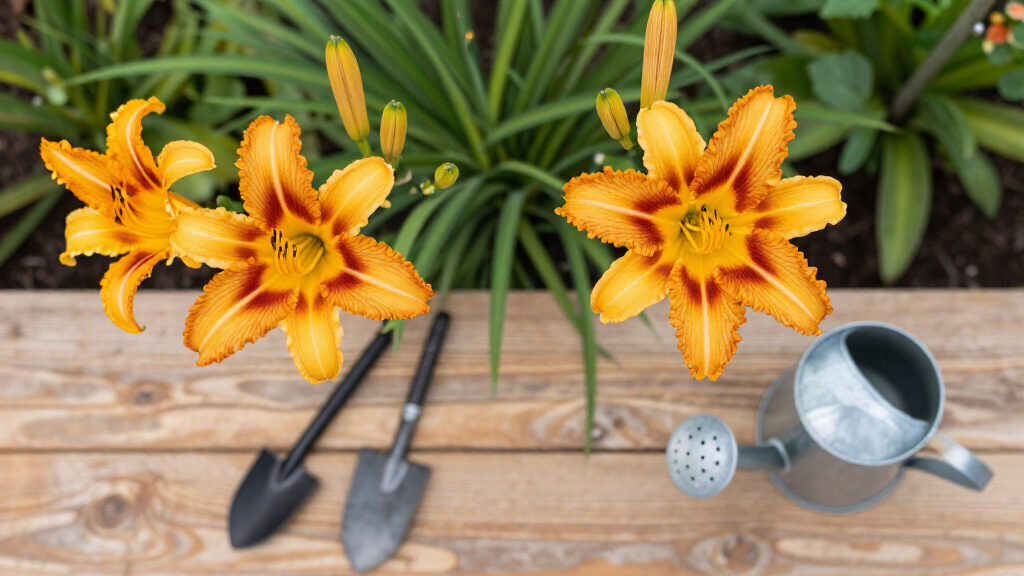
Gardeners seeking to extend the flowering period of their daylilies can now use a proven pruning technique to encourage a second bloom, according to horticultural experts. You might also consider making these flowers bloom again with simple pruning tricks. This simple method involves deadheading spent flowers and trimming certain stems at specific times, which can significantly boost reblooming and keep plants looking fresh throughout the season.

Get garden gear delivered free with Prime
- Fast, free delivery on millions of items
- Prime Video, Amazon Music and more included
- Member-only deals all year
Experts from the American Horticultural Society confirm that deadheading—removing spent flower stalks—can stimulate daylilies to produce a second set of flowers. Additionally, a popular trick involves trimming the flower stalks back to just above the basal foliage after the first bloom cycle. This encourages the plant to redirect energy into producing new flower buds.
Gardening specialists note that timing is critical: deadheading should be done shortly after the initial flowering, typically in mid to late summer, depending on local climate conditions. The trimming trick, often called ‘cutting back,’ involves snipping the stalks down to about 6 inches above the base, which can trigger a secondary flowering wave within a few weeks.
While some gardeners claim this method is highly effective, experts caution that results may vary based on plant health, variety, and growing conditions. For more tips on encouraging reblooming, visit our care and maintenance guide. It is also recommended to ensure the plants are well-watered and fertilized to support reblooming.
Why Extending Your Daylilies’ Bloom Period Matters for Gardeners
Extending the flowering season of daylilies enhances garden aesthetics and maximizes the visual impact of these popular perennials. This technique allows gardeners to enjoy vibrant blooms for a longer period without additional planting or expense. Additionally, understanding how to promote reblooming can help improve overall plant health and vitality, making daylilies a more sustainable and rewarding choice for landscape design.
Products Worth Considering

VEVOR Walk-in Tunnel Greenhouse, 15 x 7 x 7 ft Hoop House with Watering System

EGO Power+ 12-Inch Cordless Electric Snow Shovel with 56V 2.5Ah Battery and Charger

Orbit B-hyve 12-Zone Indoor/Outdoor Wi-Fi Sprinkler Controller
As an affiliate, we earn on qualifying purchases.
Background on Daylily Reblooming Techniques
Daylilies are known for their prolific and long-lasting blooms during early summer. While most varieties bloom once per season, some rebloom varieties can produce multiple flushes if properly cared for. Horticulturists have long recommended deadheading to prevent seed formation and encourage further flowering. Recent advice from gardening experts emphasizes that specific pruning methods, including cutting back flower stalks, can significantly increase the likelihood of a second bloom, especially in regions with warm growing seasons.
What Factors Influence the Success of a Second Bloom
While the described pruning techniques are widely recommended, the actual success rate can vary based on factors such as plant variety, climate conditions, and overall plant health. Some gardeners report excellent results, while others see limited or no reblooming, suggesting that individual circumstances play a significant role. It is not yet clear how these methods perform across all daylily cultivars or in different environmental settings.
Next Steps for Gardeners Seeking Longer Flowering Seasons
Gardeners interested in extending their daylilies’ bloom period should try the deadheading and pruning methods during the peak flowering season. Monitoring results over the coming weeks will help determine the effectiveness of these techniques in their specific gardens. Experts recommend combining these practices with proper fertilization and watering to maximize reblooming potential. Further research and anecdotal reports may clarify which varieties respond best to these methods.
Key Questions
When is the best time to deadhead daylilies for a second bloom?
The optimal time is shortly after the initial flowering, typically in mid to late summer, depending on your local climate and the specific variety.
How do I prune daylilies to encourage reblooming?
Trim the flower stalks back to about 6 inches above the base after the first bloom cycle. Be sure to use clean, sharp tools to make clean cuts.
Will all daylily varieties rebloom if I follow these techniques?
No, reblooming ability varies among varieties. Some are naturally reblooming, while others may not respond as well. It’s best to check your specific cultivar’s characteristics.
Does fertilizing help promote a second bloom?
Yes, applying a balanced fertilizer during the growing season can support overall plant health and increase the likelihood of reblooming.
Are there any risks to trimming daylilies back this way?
If done properly and at the right time, there are minimal risks. Avoid cutting into healthy foliage, and ensure the plant is healthy before pruning.
Source: rss