
Lawn dethatching and aeration are key to improving your yard’s health by reducing soil compaction and thick thatch buildup. These practices help your grass breathe better, absorb water, and access essential nutrients more efficiently. Aeration involves perforating the soil to loosen it, while dethatching removes dead organic layers. Doing these during peak growth times boosts lawn resilience and beauty. Discover more tips to keep your lawn vibrant and strong.
Key Takeaways
- Dethatching removes excess organic buildup, while aeration loosens compacted soil to improve root growth and nutrient absorption.
- Both practices are best performed during spring or early fall for optimal lawn recovery.
- Regular dethatching and aeration prevent soil compaction and excessive thatch buildup, promoting healthier lawns.
- Combining aeration with overseeding and fertilizing enhances lawn density and vitality.
- Signs like spongy feel, quick drying after watering, and difficulty penetrating soil indicate the need for dethatching and aeration.

If your lawn looks dull or isn’t growing as lushly as you’d like, it might be time to contemplate dethatching and aeration. Over time, your soil can become compacted, and a thick layer of thatch can develop on the surface. Soil compaction occurs when the soil particles are pressed together, reducing pore space and limiting the movement of air, water, and nutrients. Thatch buildup, on the other hand, is a layer of dead grass, roots, and other organic matter that accumulates between the grass blades and the soil. Both issues hinder healthy root growth and can cause your lawn to look unhealthy or patchy.
Compacted soil and thick thatch layers hinder healthy lawn growth and appearance.
When soil becomes compacted, the roots struggle to access the essential air and moisture they need. This leads to weak, shallow roots and makes your grass more susceptible to drought and disease. Thatch buildup acts like a barrier, preventing water and nutrients from reaching the soil and the roots beneath. It also creates a breeding ground for pests and diseases, further compromising your lawn’s health. If you notice your grass feels spongy, that it dries out quickly after watering, or if it’s difficult to penetrate with a garden fork, these are signs that you’re dealing with soil compaction and excessive thatch.
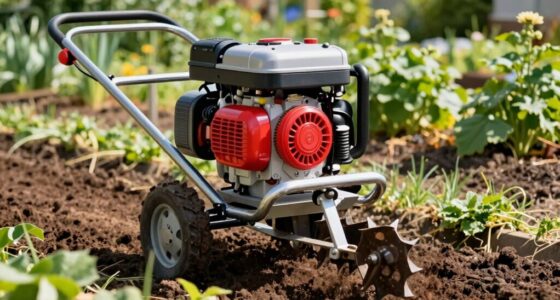
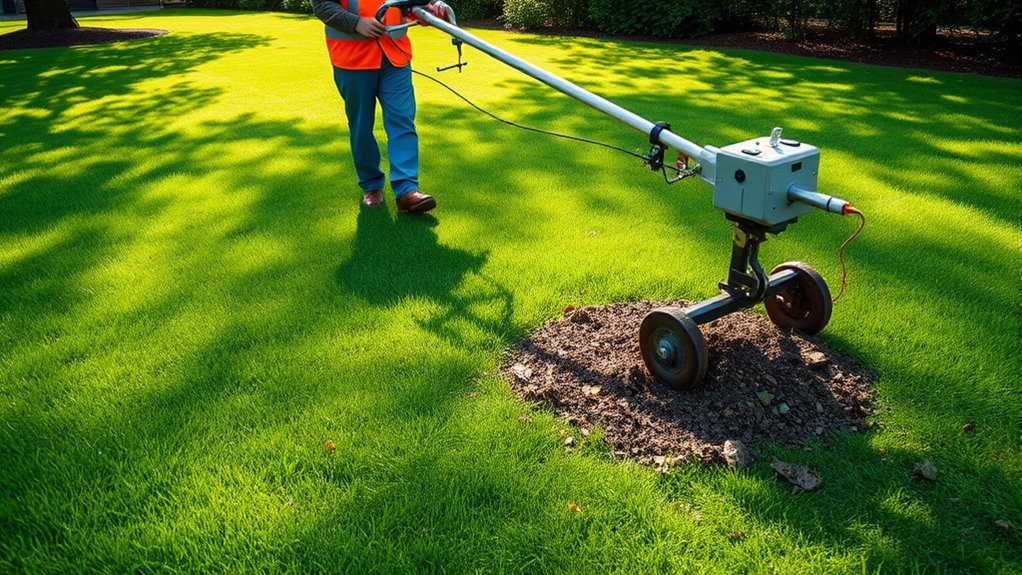
Dethatching and aeration are effective solutions to these problems. Dethatching involves removing the thick layer of thatch, allowing your grass to breathe and absorb moisture more efficiently. Aeration, on the other hand, involves perforating the soil with small holes that loosen compacted areas and improve airflow. This process not only helps reduce soil compaction but also enhances water and nutrient penetration. You can use a dethatching rake or a power dethatcher for heavier thatch buildup, while aeration is typically done with a spike or plug aerator.
Timing is essential for these processes. The best time to dethatch and aerate is during the peak growing season—spring or early fall—when your grass can recover quickly. After aeration or dethatching, it’s beneficial to overseed and fertilize so your lawn can bounce back more robustly. Regularly performing these practices, especially if your soil tends to become compacted or if you notice a thick thatch layer, ensures your lawn remains healthy, vibrant, and resilient. Addressing soil compaction and thatch buildup isn’t just about aesthetics; it’s about creating a foundation for a strong, lush lawn that can withstand the seasons.
Properly managing soil health through soil aeration and dethatching improves not only the appearance but also the overall resilience of your lawn.

Walensee Thatch Rake, 15-Inch Lawn Thatching Rake, Robust Dethatcher Rake, Efficient Steel Metal Rake with Handle, Versatile Grass Grooming Rake for Cleaning Dead Grass, Yard Garden Durable Soil Rake
Maintaining Lawn Health and Aesthetics: The Walensee Thatch Rake is designed to effectively remove thatch layers, and it…
As an affiliate, we earn on qualifying purchases.
As an affiliate, we earn on qualifying purchases.
Frequently Asked Questions
How Often Should Dethatching and Aeration Be Performed Annually?
You should dethatch and aerate your lawn once or twice a year, depending on its condition. Using proper lawn equipment guarantees these processes improve soil health and promote healthy grass growth. If your soil is compacted or thatch buildup is thick, more frequent treatments might be necessary. Regularly aerating allows nutrients and water to reach roots better, maintaining a vibrant, healthy lawn. Keep an eye on soil quality to determine the best schedule.
Can I Dethatch and Aerate at the Same Time?
Yes, you can dethatch and aerate at the same time to save time and boost lawn maintenance. Doing both simultaneously helps improve soil aeration and thatch removal, promoting healthier grass growth. Just make certain your equipment is appropriate for both tasks and your lawn isn’t too wet or dry. This combined approach enhances soil improvement and ensures your lawn stays lush and vibrant.
What Signs Indicate the Need for Lawn Dethatching?
Think of your lawn as a sponge; when it’s soaked with thatch buildup and lawn compaction, water and nutrients can’t reach the roots. You’ll notice your grass turning yellow, feeling spongy, or struggling to grow despite regular care. If patches remain soggy or don’t drain properly, it’s a clear sign you need to dethatch. Addressing these issues helps your lawn breathe and thrive again.
Are There Risks of Over-Aerating My Lawn?
Yes, over-aerating your lawn can pose risks. Excessive aeration may lead to soil compaction, which hampers root growth and water absorption. It can also disturb the thatch buildup too much, making your lawn vulnerable to pests and disease. To avoid these issues, aerate only when necessary and follow recommended guidelines. Proper timing and frequency help guarantee your lawn stays healthy without suffering from over-aeration.
How Do Weather Conditions Affect the Dethatching and Aeration Process?
Imagine a homeowner in spring, not considering weather. You should know that moisture levels and temperature fluctuations considerably influence dethatching and aeration. If the soil is too wet, you risk compacting it further or damaging your equipment; if too dry, the process becomes ineffective. Ideal conditions occur when the soil is moist but not saturated, and temperatures are moderate, ensuring your efforts improve your lawn’s health without causing damage.
power lawn dethatcher
As an affiliate, we earn on qualifying purchases.
As an affiliate, we earn on qualifying purchases.
Conclusion
Now that you know how dethatching and aeration boost your lawn, you’re ready to give your grass the care it needs. Think of these practices as a gust of fresh air, waking up tired roots and making way for healthy growth. With regular attention, your lawn will flourish like a vibrant garden in full bloom. Keep up the effort, and you’ll enjoy a lush, green space that’s the envy of your neighborhood.
garden core aerator
As an affiliate, we earn on qualifying purchases.
As an affiliate, we earn on qualifying purchases.
lawn overseeding and fertilizing kit
As an affiliate, we earn on qualifying purchases.
As an affiliate, we earn on qualifying purchases.