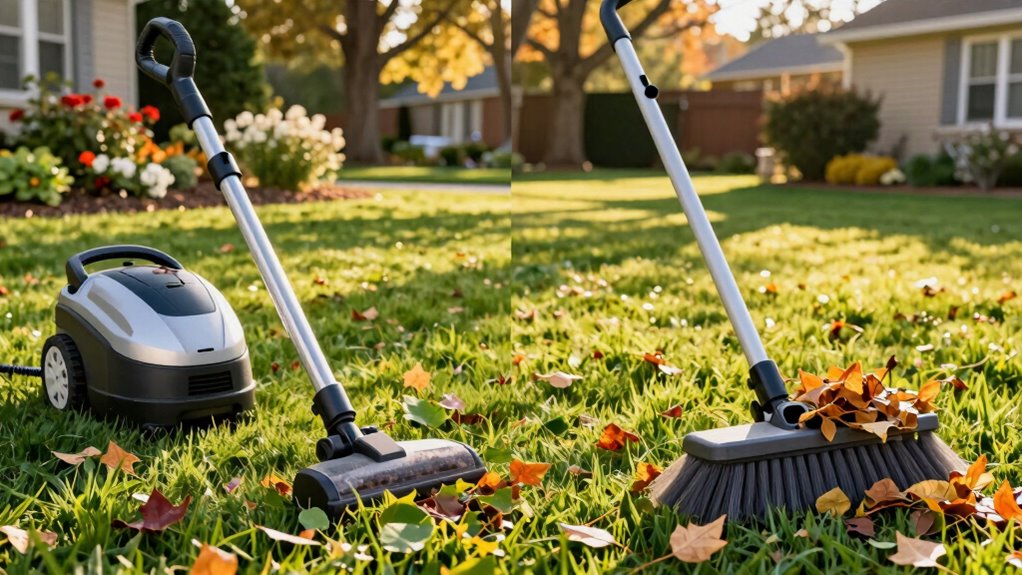
Choosing between a leaf vacuum and a sweeper depends on your lawn’s needs. Sweepers gently pick up debris, reducing risk of soil compaction and turf damage, making them ideal for larger or more delicate areas. Vacuums handle fine debris and wet leaves but can cause more soil disturbance if used aggressively. To truly minimize lawn stress, understanding how each tool works will help you select the best option for your yard’s health and maintenance.
Key Takeaways
- Leaf vacuums with adjustable suction and mulching minimize grass and soil disturbance, reducing lawn stress during debris removal.
- Lawn sweepers gently gather debris with less suction, lowering the risk of soil compaction and turf damage.
- Vacuums perform better in moist conditions and on delicate lawns, helping prevent further lawn stress.
- Proper equipment maintenance and technique are crucial for both tools to avoid turf tearing and root pulling.
- Selecting the right tool based on yard size and lawn sensitivity ensures efficient cleanup while minimizing lawn stress.
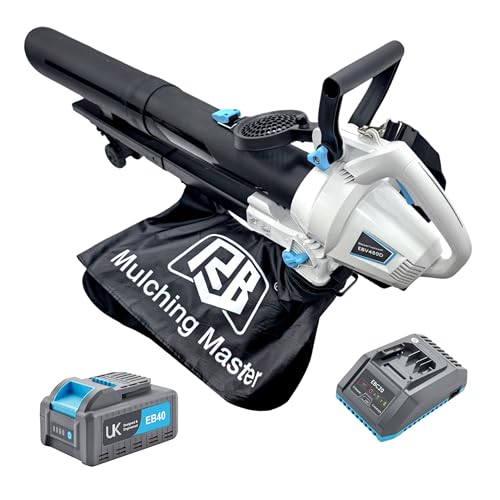
RB 40V Leaf Blower and Vacuum Combo – Powerful Cordless Leaf Vacuum Mulcher with 4.0Ah Battery, 30:1 Mulching, 12L Bag, Adjustable Handle
【3-in-1 Leaf Blower Vacuum Combo】- This cordless leaf vacuum seamlessly transforms between powerful blower, efficient vacuum, and high-performance…
As an affiliate, we earn on qualifying purchases.
As an affiliate, we earn on qualifying purchases.
What Causes Lawn Stress and How Debris Affects Your Grass
Debris like leaves, sticks, and grass clippings can put significant stress on your lawn if not removed regularly. When debris accumulates, it traps moisture and creates a thick layer that limits airflow and light, leading to soil compaction. Compacted soil makes it harder for roots to access nutrients and water, weakening your grass. Additionally, debris provides an ideal environment for pests like insects and disease-causing organisms to thrive, further damaging your lawn. Pests are attracted to the organic material, which offers shelter and breeding grounds. Over time, this cycle deteriorates your grass’s health and soil quality. Regularly clearing debris helps prevent soil compaction and pest attraction, ensuring your lawn remains healthy, resilient, and better able to withstand environmental stresses. Incorporating natural methods can also support a healthier lawn ecosystem and reduce reliance on chemical treatments. Using composting techniques can transform yard waste into nutrients that nourish your soil and promote vigorous grass growth. Proper debris management is an essential part of lawn stress reduction and maintaining a lush, healthy yard.

VEVOR Push Lawn Sweeper, 21inch Leaf & Grass Collector, Heavy Duty Thickened Steel Durable to Use with Large Capacity 3.5 cu. ft. Mesh Collection Hopper Bag, 2 Spinning Brushes
Keep Your Lawn Spotless: Unlike most lawn sweepers, our lawn sweeper has thickened and densified brushes to increase…
As an affiliate, we earn on qualifying purchases.
As an affiliate, we earn on qualifying purchases.
Which Yard Cleanup Tool Is Safer for Your Lawn: Vacuum or Sweeper?
Choosing the right yard cleanup tool can make a big difference in maintaining a healthy lawn. A leaf sweeper gently gathers debris without disturbing the soil, helping prevent damage to the grass and soil structure. This reduces the risk of compacting the soil, which can hinder root growth and soil aeration. Additionally, sweepers are less likely to disturb garden pests hiding in leaf litter, minimizing unnecessary pest exposure. On the other hand, leaf vacuums can sometimes pull up smaller plants or disturb soil if used aggressively, potentially harming beneficial soil organisms. Overall, a sweeper is generally safer for your lawn, preserving soil health and reducing stress. It’s a more gentle option that supports soil aeration and keeps garden pests at bay. Incorporating proper visual and auditory cues during yard work can also help reduce inadvertent lawn stress and improve overall garden health. Using the right tool also helps maintain soil structure, which is essential for a thriving, resilient lawn. Employing appropriate yard tools can further lessen soil compaction and promote healthier root systems.

Stanley – SL18116P Wet/Dry Vacuum, 6 Gallon, 4 Horsepower Black
❤【LARGER CAPACITY】Stanley SL18116P Wet / Dry Vacuum has a larger capacity over 22 L, makes small clean-up jobs…
As an affiliate, we earn on qualifying purchases.
As an affiliate, we earn on qualifying purchases.
How Leaf Vacuums Work and Their Impact on Grass Health
Leaf vacuums operate by sucking up leaves and small debris into a collection bag or chamber, often using a powerful motor and a wide intake. This design allows for quick cleanup but can generate significant vacuum noise, which might disturb nearby plants or wildlife. When used properly, leaf vacuums can offer mulching benefits if they have a mulching feature, shredding leaves into fine particles that decompose quickly and enrich your soil. However, aggressive suction may damage tender grass blades or compact the soil if overused. To minimize lawn stress, choose models with adjustable suction power and consider using a mulching attachment. Always monitor vacuum noise levels and avoid prolonged use to protect your grass and maintain a healthy yard environment. Additionally, selecting models with wave and wind technology can help reduce noise and impact on the environment. Using the right technique, such as proper timing and placement, can further lessen stress on your lawn while maintaining an efficient cleanup. Incorporating proper lawn maintenance techniques can also help keep your yard healthy and resilient against stressors. Moreover, employing sound-dampening features in your equipment may further reduce noise pollution and protect your lawn’s health. Being mindful of equipment maintenance ensures optimal performance and prolongs the lifespan of your tools, reducing the need for frequent replacements.
VEVOR Push Lawn Sweeper, 21inch Leaf & Grass Collector, Heavy Duty Thickened Steel Durable to Use with Large Capacity 3.5 cu. ft. Mesh Collection Hopper Bag, 2 Spinning Brushes
Keep Your Lawn Spotless: Unlike most lawn sweepers, our lawn sweeper has thickened and densified brushes to increase…
As an affiliate, we earn on qualifying purchases.
As an affiliate, we earn on qualifying purchases.
How Lawn Sweepers Operate and Why They’re Gentle on Your Grass

Lawn sweepers use gentle suction power to pick up leaves without damaging your grass. Their design guarantees even collection across your yard, preventing missed spots. This careful approach keeps your lawn healthy while making cleanup quick and easy. Additionally, many models feature automatic navigation, ensuring comprehensive coverage and reducing the need for manual effort. Some advanced models also incorporate nail styles to improve efficiency and adapt to different lawn conditions. Moreover, understanding lawn stress factors helps in selecting the right tool to minimize damage and promote a thriving, lush lawn. Recognizing lawn health considerations can further optimize your lawn care routine and reduce overall stress on your grass.
Gentle Suction Power
Because they rely on gentle suction, lawn sweepers remove debris without damaging your grass. The key is in airflow control, which manages how much air passes through the device, preventing excessive force. Suction strength is adjustable, allowing you to pick up leaves without harming delicate grass blades. This controlled airflow ensures debris is collected effectively while keeping your lawn healthy. Additionally, the design minimizes the risk of pulling up roots or tearing turf. Proper airflow control helps maintain a balance between cleaning efficiency and lawn safety. By fine-tuning suction strength, you can handle wet or dry leaves with ease. Adjusting airflow is essential to prevent unnecessary stress on your lawn. As the demand for power tool safety grows, understanding how to protect your digital assets becomes increasingly important for maintaining overall lawn and garden safety.
Even Leaf Collection
Lawn sweepers operate by gently pulling debris across the grass surface, creating an even layer of collected leaves without disturbing the underlying turf. This method guarantees a consistent, tidy appearance while minimizing stress on your lawn. Unlike manual removal, which can be labor-intensive and potentially damaging if done incorrectly, sweepers efficiently gather leaves without tearing or compacting the grass. Additionally, many sweepers incorporate mulching techniques, shredding collected leaves into fine particles that can decompose naturally, enriching your soil. This even leaf collection prevents patchy areas and reduces the risk of mold or fungal growth. Proper equipment maintenance further ensures that your sweeper functions effectively and continues to protect your lawn’s health. Regular cleaning and inspection of the equipment also prolongs its lifespan and maintains optimal performance. Using a sweeper can also help in reducing yard waste, making your gardening practices more sustainable. Moreover, sustainable practices like mulching help in reducing yard waste and supporting eco-friendly gardening. Implementing leaf management techniques with sweepers can further enhance your lawn’s overall health and appearance. Overall, using a sweeper promotes a healthier, more uniform lawn, making leaf cleanup less disruptive and more environmentally friendly.
Which Cleans Better: Leaf Vacuums or Lawn Sweepers?

When it comes to cleaning up leaves, choosing the right tool can make a big difference in how effectively your yard gets cleaned. Leaf vacuums excel at thoroughly removing debris, especially in tight spots, helping maintain your garden aesthetics. They tend to be quieter than sweepers, reducing noise levels and keeping your yard peaceful. Lawn sweepers, on the other hand, are great for quick, large-area cleanups and can gather leaves without much effort. However, they may leave behind smaller debris or finer leaves. To decide which cleans better:
- Leaf vacuums handle detailed cleaning and fine debris
- Sweepers cover larger areas faster
- Vacuums are generally quieter
- Sweepers require less storage space
Choose based on your yard size, desired cleanliness, and noise preferences.
Key Factors to Consider When Choosing a Yard Debris Removal Tool
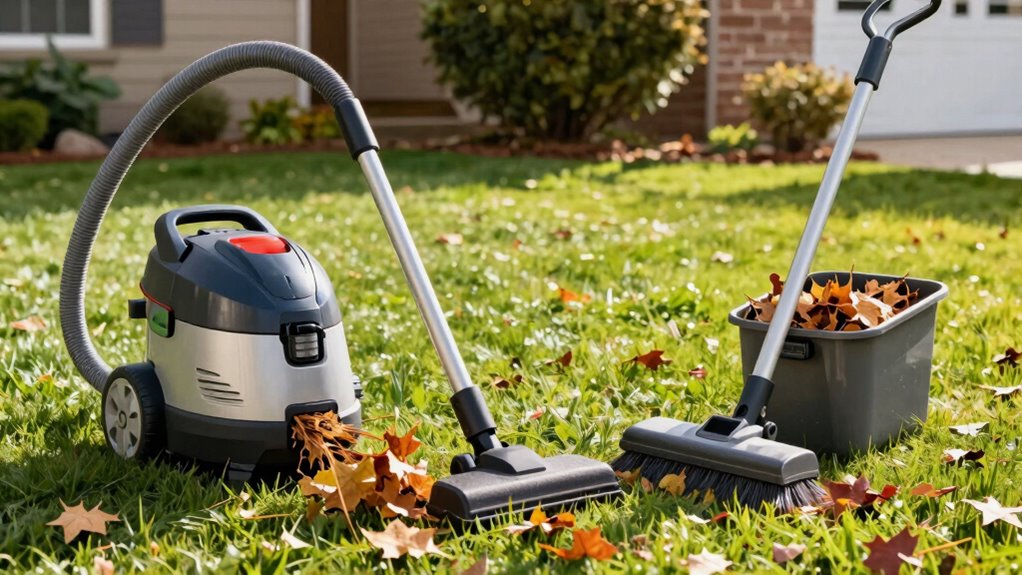
Choosing the right yard debris removal tool depends on several key factors that influence your cleaning effectiveness and convenience. Consider how mulch benefits your lawn by protecting soil, conserving moisture, and reducing weeds—tools that mulch well can enhance these benefits. If you want to improve lawn aeration, look for equipment that can remove debris without compacting the soil. Power and size matter: a larger, more powerful tool can cover bigger areas faster, but might be harder to maneuver. Noise levels and ease of use also impact your experience. Think about your yard’s specific needs, such as leaf volume or terrain, to select a tool that’s efficient and minimizes lawn stress. This way, you get a cleaner yard without compromising your lawn’s health.
Real-Life Examples: When to Use a Leaf Vacuum vs. a Sweeper

If you’re dealing with wet leaves, a leaf vacuum can make cleanup easier by sucking up moisture and debris quickly. For large yards, sweepers are often more efficient, covering ground faster with less effort. When working around delicate lawn areas, a sweeper is gentler and less likely to cause damage.
Wet Leaf Cleanup
Ever find yourself facing a yard covered in wet leaves that seem stubborn to move? When leaves are soaked, a leaf vacuum often works better, pulling moisture out and preventing clumping. Use a vacuum if you want to minimize lawn stress, especially on damp days, and promote drought resilience by removing excess debris that can trap moisture. It’s also ideal for pest prevention, as removing wet leaves reduces habitats for pests and mold.
Consider these factors:
- Wet leaves tend to clog sweepers, making vacuums more efficient
- Vacuums can handle moisture without damaging the lawn
- Sweeps may spread wet leaves, causing compaction
- Vacuums help maintain a healthier, pest-free yard, especially after rain
Choose your tool based on leaf moisture level for best lawn health.
Large Yard Efficiency
When managing a large yard, selecting the right tool can considerably streamline your cleanup process. A leaf sweeper is often more efficient for covering vast areas quickly, helping reduce soil compaction by preventing debris buildup that traps moisture. This minimizes the risk of pests that thrive in damp, cluttered environments. Sweeper brushes dislodge leaves and debris without damaging the soil, promoting healthy grass growth and better air circulation. Conversely, a leaf vacuum can be advantageous when dealing with thick layers of leaves or uneven terrain, where precision matters. Using the appropriate tool for your yard size and conditions enhances overall efficiency, reduces lawn stress, and supports pest prevention efforts. Choosing wisely ensures your large yard stays healthy and well-maintained with less effort.
Delicate Lawn Areas
Delicate lawn areas require careful attention to avoid damage during debris removal. Using the wrong equipment can harm drought-tolerant grass and increase soil compaction, which stresses the lawn. When deciding between a leaf vacuum and a sweeper, consider the lawn’s sensitivity. Leaf vacuums are gentle and ideal for small, fragile patches, preventing unnecessary disturbance. Sweepers, especially manual ones, are better for larger, delicate zones where you want to minimize soil impact.
- Use a vacuum for fragile, drought-tolerant turf to prevent soil disruption
- Opt for a sweeper in areas prone to soil compaction to maintain healthy root systems
- Avoid heavy machinery where soil moisture is low to prevent damage
- Consider the lawn’s overall health and resilience before choosing a debris removal method
Tips to Minimize Lawn Stress During Yard Cleanup
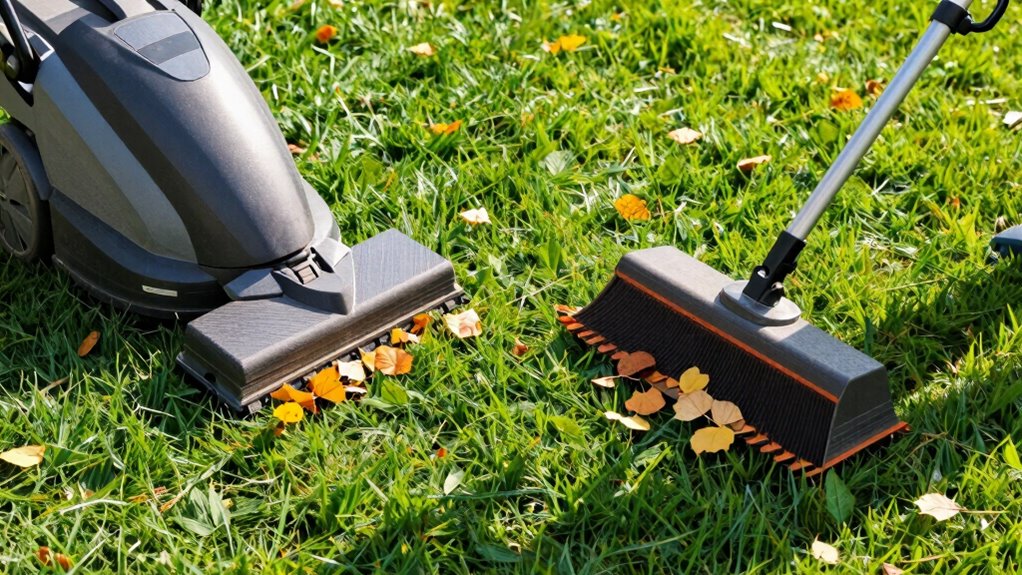
To prevent unnecessary damage to your lawn during yard cleanup, it’s essential to choose the right equipment and techniques. Use tools like leaf vacuums or sweepers gently, avoiding excessive pressure that can cause soil compaction. Incorporate soil aeration regularly to relieve compaction and promote healthy root growth. When working, vary your pattern to avoid repeatedly stressing the same area. Additionally, keep equipment at a moderate speed to prevent tearing or compacting the soil. Here’s a quick guide:
| Tip | Why it Matters | How to Implement |
|---|---|---|
| Compaction prevention | Protects soil structure | Use light pressure, avoid over-sweeping |
| Soil aeration | Enhances soil health | Aerate biannually |
| Equipment handling | Reduces lawn stress | Use proper techniques, avoid sharp turns |
Cost and Maintenance Tips for Leaf Vacuums and Lawn Sweepers

Choosing the right equipment isn’t just about performance; it also affects your budget and upkeep. When comparing leaf vacuums and lawn sweepers, consider the cost comparison and maintenance routines. Leaf vacuums tend to have higher initial costs but often require less frequent maintenance. Lawn sweepers are usually more affordable upfront but may need regular blade checks and belt replacements. To keep your tools in top shape, follow these tips:
- Regularly inspect and clean filters and brushes
- Lubricate moving parts as recommended by the manufacturer
- Store equipment properly to prevent rust and damage
- Replace worn parts promptly to avoid costly repairs
Choosing the Right Tool to Keep Your Lawn Healthy and Stress-Free

Selecting the right tool for your lawn can make a significant difference in maintaining its health and reducing your stress. Consider your garden aesthetics—choose equipment that complements your yard’s appearance and doesn’t clutter your space. If you prefer a tidy look with minimal effort, a leaf vacuum might be ideal, especially if you want to avoid scattered debris. On the other hand, a lawn sweeper can be more efficient for larger areas and easier to store, thanks to its compact design. Think about your tool storage options, ensuring you have enough space to keep your equipment organized and accessible. The right choice depends on your yard size, leaf volume, and personal preference, helping you keep your lawn healthy and stress-free all season long.
Frequently Asked Questions
Do Leaf Vacuums or Sweepers Cause More Lawn Compaction?
Leaf vacuums tend to cause more soil disruption and potential root damage than sweepers. When you use a vacuum, the powerful suction can disturb the soil surface and compact it, risking damage to roots beneath. Sweepers, on the other hand, gently lift leaves without disturbing the soil structure as much. So, if you’re concerned about soil health, a sweeper is generally a better choice to reduce lawn stress.
Can Using These Tools Improve Overall Lawn Health Long-Term?
You can improve your lawn’s health long-term by using leaf vacuums or sweepers, especially when combined with soil aeration and proper nutrient distribution. These tools help remove debris that can suffocate grass and trap moisture, which often leads to disease. As you maintain a routine, you’ll notice healthier roots and denser grass, creating a more resilient, vibrant lawn that withstands stress and promotes overall growth.
Are Electric or Gas-Powered Tools Safer for the Grass?
Electric tools are generally safer for your grass because they eliminate gas hazards like fumes and leaks. They don’t emit harmful fumes, making them better for electric safety, especially if you’re working in enclosed spaces. Gas-powered tools, while powerful, pose risks with potential leaks and emissions. Always follow safety instructions, regardless of the type, but electric tools tend to be safer for your lawn and your health.
How Do Noise Levels Differ Between Vacuums and Sweepers?
Think of noise levels as a gentle whisper versus a roaring lion. Leaf vacuums tend to be louder, like a thunderstorm, making safety considerations essential to avoid startling pets or neighbors. Sweepers usually hum softly, keeping the peace in your yard. When comparing noise, you notice vacuums pose a higher noise comparison, so choose wisely if quiet operation is your priority. Your lawn and ears will thank you for it.
Which Tool Is More Effective for Wet Versus Dry Debris?
For wet debris, a leaf vacuum is more effective because it has stronger suction and a sealed bag that handles moisture better. When dealing with dry debris, both vacuums and sweepers work well, but sweepers are often quicker and less prone to clogging. You should choose based on the debris type—vacuum for wet, and sweeper for dry—to keep your lawn tidy without stressing it.
Conclusion
Ultimately, choosing between a leaf vacuum and a sweeper depends on your lawn’s needs. Both tools can keep your yard tidy without causing undue stress—just like a gentle hand with a feather duster in a bygone era. Opt for the one that suits your terrain and debris type, and remember, regular maintenance keeps your lawn healthy. With the right approach, your yard will stay lush and stress-free, no matter if you’re in the age of knights or modern days.