When pruning, heading cuts remove the end of a branch to encourage bushier growth and help shape the plant, while thinning cuts remove entire branches at their origin to reduce density and improve airflow. Heading cuts stimulate new growth from buds below the cut, whereas thinning cuts open up the plant’s structure for healthier, stronger development. Understanding the purpose of each helps you make better pruning decisions, and if you keep exploring, you’ll master the techniques for healthy plants.
Key Takeaways
- Heading cuts remove the end of a branch to encourage bushier growth and shape the plant.
- Thinning cuts remove entire branches at their base to reduce density and improve airflow.
- Heading cuts stimulate new growth from buds below the cut, aiding in shaping and flowering.
- Thinning cuts help prevent disease and pests by increasing light and air penetration inside the plant.
- Proper technique and sharp tools are essential for both cuts to promote plant health and avoid damage.

Pruning is an essential gardening practice that helps your plants stay healthy, grow better, and maintain a desirable shape. To achieve these benefits, understanding the difference between heading cuts and thinning cuts is vital. These two pruning techniques serve different purposes, and choosing the right one depends on your plant’s needs and your gardening goals.
Heading cuts involve removing the end portion of a branch or stem, often to encourage bushier growth or to control size. When you make a heading cut, you’re not just removing a part of the plant—you’re stimulating new growth from buds located below the cut. This technique is especially useful if you want to shape a plant or promote flowering in certain areas. However, it’s important to use sharp pruning tools to make clean cuts, which helps prevent damage and reduces the risk of disease. Properly executed heading cuts can improve plant health by directing energy into desired growth points, but overdoing them can lead to excessive, weak, or leggy growth. Always remember to prune just above a bud facing the direction you want new growth to go. Additionally, selecting the appropriate pruning tools ensures clean cuts and minimizes plant stress.
Thinning cuts, on the other hand, involve removing entire branches or stems at their point of origin. This technique reduces the overall density of the plant, allowing more light and air to reach its interior. Thinning cuts are particularly effective for improving plant health because they help prevent disease, promote better airflow, and reduce the risk of pests. When you perform a thinning cut, you’re opening up the plant’s structure, which encourages stronger, healthier growth. To do this properly, you should use the right pruning tools—such as sharp pruning shears or loppers—and make clean cuts close to the main trunk or branch collar. Avoid tearing or crushing the wood, as damaged tissue can become an entry point for pathogens. Thinning cuts are especially beneficial for maintaining the structural integrity of trees and shrubs, ensuring they stay vigorous and resilient over time. Proper technique and clean cuts are essential for successful pruning and long-term plant health.
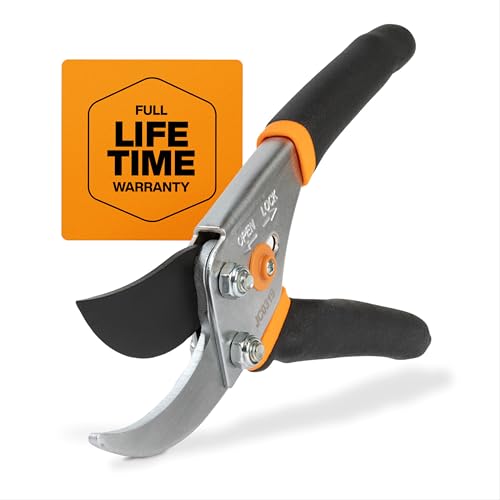
Fiskars Bypass Pruning Shears, 5/8-Inch Cut Capacity Garden Clippers, Gardening Scissors with Sharp, Rust Resistant Steel Blade
GARDENING ESSENTIAL: Steel blade plant shears ideal for a variety of pruning tasks like cutting flower stems; gardening…
As an affiliate, we earn on qualifying purchases.
As an affiliate, we earn on qualifying purchases.
Frequently Asked Questions
When Is the Best Time to Perform Pruning for Different Tree Species?
You should prune at different times depending on the species and seasonal timing. For most deciduous trees, late winter or early spring before new growth starts is ideal. Evergreens are best pruned in late spring or early summer. Keep in mind, species differences matter—some trees, like fruit trees, benefit from winter pruning, while others, like oaks, should be pruned in summer to avoid disease. Always consider seasonal timing for healthy growth.
How Do I Identify the Appropriate Branches to Prune Versus Those to Keep?
Think of your tree as a bustling city, where each branch is a crucial road. You want to keep roads that support the city’s structure and clear out those that cause congestion. To identify which branches to prune, look for dead or diseased branches, those crossing or rubbing, and weak or poorly positioned ones. Prioritize maintaining branch health and structural integrity to guarantee a strong, healthy tree that can thrive.
Are There Specific Tools Recommended for Heading Versus Thinning Cuts?
For heading cuts, use sharp pruning tools like pruning shears or small saws to make precise cuts. Thinning cuts often require loppers or larger cutting instruments to remove thicker branches. Always choose the right tool based on branch size, ensuring clean cuts that promote healthy growth. Keep your equipment sharp and clean to prevent damage and disease. Proper tools help make your pruning safer, easier, and more effective.
Can Improper Pruning Techniques Harm My Plants Long-Term?
Think of pruning techniques as a delicate dance—if you step out of rhythm, you risk harming your plant’s health long-term. Improper pruning can weaken branches, invite disease, or stunt growth. You must prune thoughtfully, making precise cuts to maintain structure and essentiality. When done wrong, your plant struggles to recover, losing strength and beauty. So, always follow proper techniques to guarantee your plant remains healthy and thriving over time.
How Often Should Pruning Be Done to Maintain Healthy Growth?
You should prune your plants seasonally, typically once or twice a year, to maintain healthy growth. Regular pruning helps with growth regulation, preventing overgrowth and encouraging strong, new branches. Keep an eye on your plants’ specific needs; some may require more frequent attention, especially during active growth periods like spring and summer. Proper, timely pruning guarantees your plants stay vigorous and healthy over the long term.

Fiskars 28" Loppers for Tree Trimming, Heavy Duty, Rust-Resistant Sharp Bypass Steel Blade Loppers, Branch Cutter up to 1.5" Diameter Cut Capacity, Shock-Absorbing Handle, Garden Tools
IDEAL BRANCH TRIMMER: 28" Steel blade garden bypass lopper that glides through up to 1.5" thick branches for…
As an affiliate, we earn on qualifying purchases.
As an affiliate, we earn on qualifying purchases.
Conclusion
So, next time you’re tempted to wield your pruning shears like a sword of justice, remember: heading and thinning cuts aren’t just fancy terms—they’re your plants’ best friends (or worst enemies). Skip the science, ignore the details, and watch your garden become a chaotic jungle faster than you can say “pruning disaster.” But hey, at least you’ll have a story to tell about that one time you tried to prune like a pro and ended up with a botanical mess.

GROWIT Heavy Duty Gardening Tools – Gardening Gifts for Women, Men, Mom, Dad – Durable, Ergonomic Garden Tools Set
IDEAL GIFTS FOR MEN, WOMEN – Our gardening tools set is the ultimate gift for any men women…
As an affiliate, we earn on qualifying purchases.
As an affiliate, we earn on qualifying purchases.
Fiskars Bypass Pruning Shears, 5/8-Inch Cut Capacity Garden Clippers, Gardening Scissors with Sharp, Rust Resistant Steel Blade
GARDENING ESSENTIAL: Steel blade plant shears ideal for a variety of pruning tasks like cutting flower stems; gardening…
As an affiliate, we earn on qualifying purchases.
As an affiliate, we earn on qualifying purchases.