TL;DR

Get garden gear delivered free — and shop member deals
- Fast, free delivery on millions of items
- Access to Prime Big Deal Days deals on October 6–7
- Prime Video, Amazon Music and more included
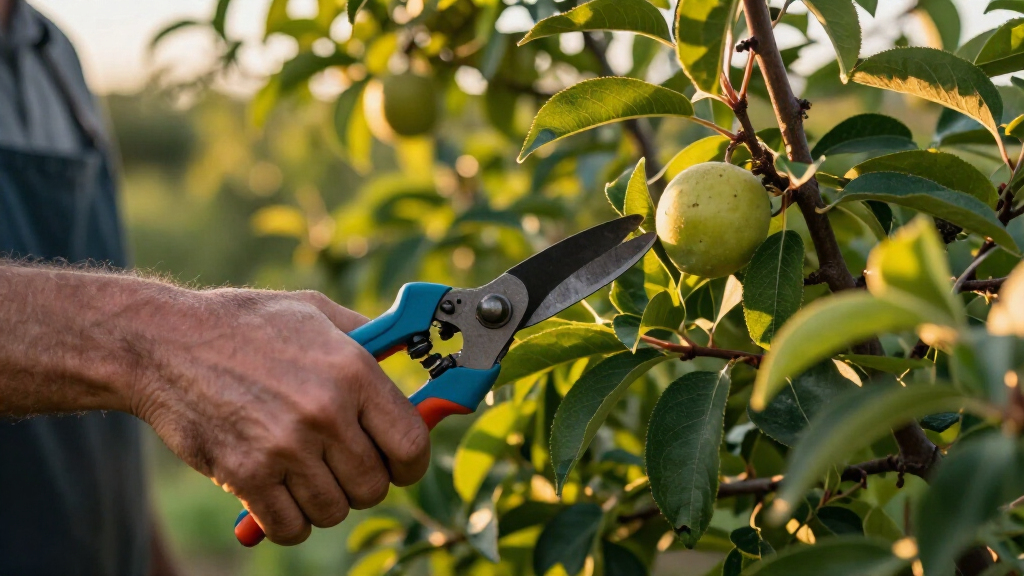
Pruning fruit trees during summer, especially in August, enhances fruit quality and tree health for this season and subsequent years. This article outlines five essential pruning techniques for common fruit trees.
Pruning fruit trees in August, immediately after harvest, has been confirmed to improve fruit yields both this year and the next, according to horticultural experts. This seasonal practice helps prevent diseases, promotes healthy growth, and optimizes fruit production.
Experts recommend summer pruning for stone fruits like cherries, apricots, peaches, and plums, as it reduces fungal and bacterial disease risks such as silver leaf and canker. For example, cherries are pruned after harvesting to remove dead, diseased, and crossing branches, maintaining a balanced, compact shape. Apricots benefit from summer pruning to encourage new wood growth for next year’s fruiting, while controlling the tree’s size and improving light and air flow.
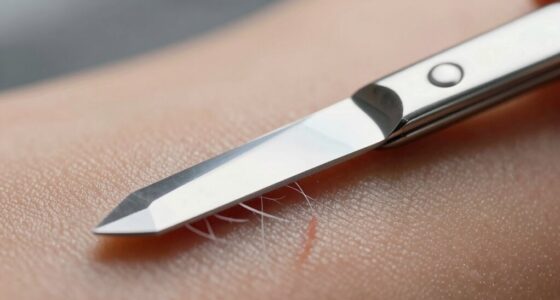
Peach trees are also pruned after fruiting to promote lower, more accessible fruiting branches and to control overall size. Plum trees are lightly pruned annually to remove unproductive or crossing branches, with a focus on maintaining an open canopy. Trained trees, such as espaliers or cordons, require summer trimming to manage growth, improve fruit ripening, and develop future buds. Use of sharp, clean tools is emphasized across all practices, with specific recommendations for pruning shears, loppers, and saws.
Horticultural specialists stress that these summer pruning practices not only enhance current harvests but also set the stage for better yields in subsequent years, making August a critical window for orchard management.
Why Summer Pruning Significantly Improves Fruit Yields
Proper summer pruning directly impacts the health and productivity of fruit trees. By reducing disease susceptibility and promoting optimal light and air circulation, it ensures better fruit quality and higher yields both this season and in the future. Experts like those from Homes & Gardens highlight that timely pruning can prevent common infections and encourage vigorous growth, making it a vital part of orchard management.
As an affiliate, we earn on qualifying purchases.
Timing and Best Practices for Summer Fruit Tree Pruning
Traditionally, many fruit trees are pruned in winter; however, summer pruning, especially in August, has gained recognition for its disease-preventive benefits and its role in shaping future growth. This approach is particularly recommended for stone fruits, which are vulnerable to fungal infections during the cooler, damp months. The practice aligns with the natural growth cycle of these trees, allowing for targeted removal of unproductive or diseased wood after harvest.
Previous studies and expert advice suggest that summer pruning not only helps maintain tree size but also enhances fruit quality by improving light penetration and airflow. The timing is critical; pruning too early or too late can reduce effectiveness or increase disease risk. The current consensus emphasizes gentle, selective cuts rather than heavy pruning, to preserve the tree’s vitality.
As an affiliate, we earn on qualifying purchases.
Uncertainties About Optimal Summer Pruning Techniques
While the benefits of summer pruning are well-supported, some details remain unclear, such as the exact amount of wood to remove for different varieties and regional differences in timing. There is also limited data on long-term impacts of aggressive pruning on certain fruit trees, and how weather variations might influence disease prevention effectiveness.
Further research is needed to fine-tune guidelines for specific climates and tree types, and to assess the potential risks of over-pruning during summer months.
garden loppers for fruit tree pruning
As an affiliate, we earn on qualifying purchases.
As an affiliate, we earn on qualifying purchases.
Next Steps for Fruit Tree Growers and Gardeners
Gardeners should assess their fruit trees now and plan to perform light, targeted pruning in August, focusing on removing diseased, dead, or crossing branches. Experts recommend using sharp tools and avoiding heavy cuts to prevent stress on the trees. Monitoring for disease symptoms and adjusting pruning practices based on local climate conditions will help maximize benefits.
In the coming seasons, growers can evaluate the results of their pruning efforts, and researchers may develop more precise, region-specific guidelines. Ongoing education from horticultural organizations will support best practices for sustainable fruit production.
As an affiliate, we earn on qualifying purchases.
Key Questions
Why is summer pruning better than winter pruning for some fruit trees?
Summer pruning reduces the risk of fungal infections like silver leaf and canker, which are more prevalent in cooler, damp conditions. It also helps shape the tree and encourages healthy growth before winter dormancy.
How much of the tree should I prune during summer?
Experts recommend removing no more than 25% of the total branches at one time, focusing on dead, diseased, crossing, or inward-growing limbs to maintain a balanced and healthy canopy.
Can I prune all types of fruit trees now?
While summer pruning is suitable for stone fruits like cherries, apricots, peaches, and plums, it is less common for some other varieties. Always consider the specific needs and growth habits of your trees and consult local horticultural advice.
What tools should I use for summer pruning?
Use sharp, clean pruning shears for small stems, loppers for thicker branches, and pruning saws for larger wood. Proper tools help make clean cuts that promote quick healing and reduce disease risk.
Source: Homes & Gardens
Halloween Picks
halloween
As an affiliate, we earn on qualifying purchases.