TL;DR

Get garden gear delivered free — and shop member deals
- Fast, free delivery on millions of items
- Access to Prime Big Deal Days deals on October 6–7
- Prime Video, Amazon Music and more included
Gardening Know How recommends five fall tasks to support hostas as they prepare for winter: divide overgrown clumps, remove damaged foliage, water when soil dries, check for slugs and snails, and let healthy leaves die back naturally. The report says September is suitable for dividing in many places, but local weather and conditions affect how much time transplants have to establish.
Gardening Know How has published a five-step September care guide for hostas, advising gardeners to tend overgrown clumps, remove damaged leaves, water when needed and watch for pests while allowing healthy foliage to die back naturally. The advice is intended to help plants prepare for winter and resume growth the following year; results depend on local conditions and how plants are cared for.
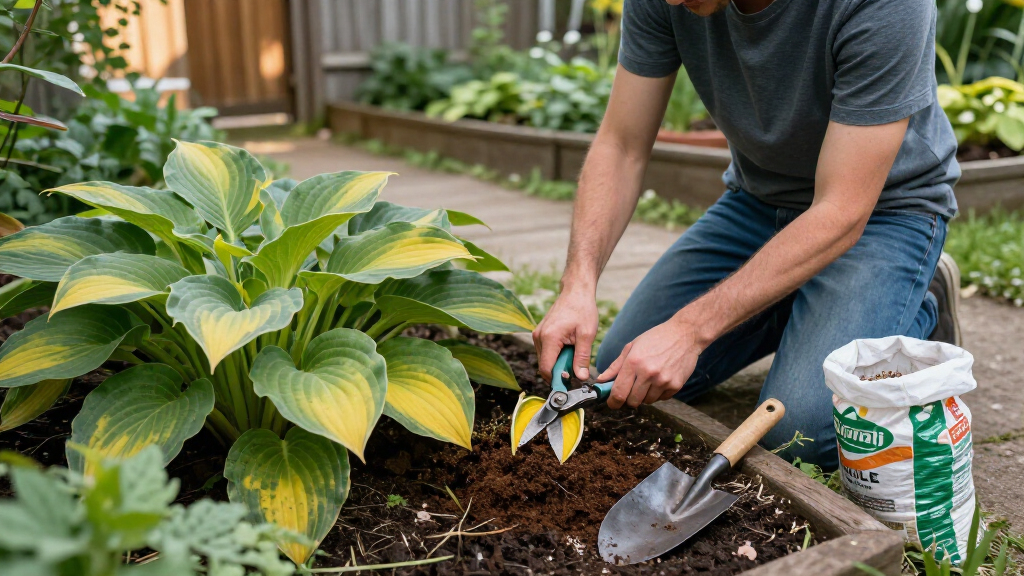
The guide says September can be a suitable time to divide and transplant large hostas in many places, while the soil remains warm enough for divisions to establish before winter. Gardeners should dig up a clump gently and use a clean, sharp knife to separate it. Each division should have healthy roots and a substantial part of the crown with stems. Replant at the original depth and water regularly until the plant becomes dormant. The report does not recommend dividing every year.
For foliage, the guide distinguishes between damaged leaves and healthy green ones. It advises removing leaves that have yellowed early or show pest or disease damage, since pests and infectious agents may overwinter in fallen foliage. It says to put diseased leaves in yard waste for disposal and to keep debris from collecting around plant bases. Healthy green leaves should remain because they continue photosynthesis and store energy for the next growing season.
Watering should follow soil conditions rather than the calendar. The report recommends checking the soil and watering deeply when it feels dry through the first inch or two, directing water at the soil line. It also suggests inspecting leaves and plant bases for slugs and snails, which can remain active in early fall. Handpicking and clearing nearby debris are among its suggested responses. The guide says hosta foliage typically yellows and collapses after a hard frost; gardeners can remove it once it is mostly brown, yellow and wilted.
Five Chores Before Hosta Dormancy
The recommendations focus on the transition from active summer growth to winter dormancy. Leaving healthy foliage in place gives hostas more time to gather energy, while cleaning up damaged leaves can reduce the material in which pests or disease may persist. Soil moisture also matters as plants approach dormancy, according to the report.
For gardeners with crowded plants, division is the task with the most timing sensitivity: new sections need time to settle in before winter. The guide presents September as an opportunity in many regions, not a guarantee for every climate. Gardeners should account for local frost timing and conditions when deciding whether to transplant.
Hostas Follow a Seasonal Cycle
Hostas are grown for their foliage, which naturally declines in fall as the plants enter dormancy. The Gardening Know How report says yellowing and collapse are part of that cycle, with leaves dying back after a hard frost. A less tidy appearance late in the season does not by itself indicate a problem.
The guide frames its five chores as practical seasonal care, rather than a requirement to complete every task for every plant. Division applies to clumps that have become large or overgrown, and watering depends on rainfall and soil moisture. Its September timing is general guidance; regional weather can vary.
“The goal is to support the plants, not keep them looking perfect until winter.”
— Gardening Know How
Timing Depends on Local Conditions
The report does not give a single date that will suit every garden. Whether September division leaves enough time for roots to establish depends on local temperatures and when winter conditions arrive. It also does not set a fixed watering schedule, because rainfall and soil moisture vary. The guidance describes general care steps; it does not guarantee that following them will produce a particular level of growth next year.
Monitor Plants Through Frost
Gardeners can continue checking soil moisture and inspecting hostas for slugs, snails and damaged foliage as temperatures cool. Those dividing clumps should keep the new sections watered until dormancy. After a hard frost, once foliage is mostly wilted and brown or yellow, the report says it can be cut back and disposed of; healthy, disease-free material may be composted.
Key Questions
Should I cut back all hosta leaves in September?
No. The guide says to leave healthy green leaves in place while they continue gathering energy. Remove damaged or prematurely yellowed foliage, then cut back the rest after it has mostly died back following frost.
Do hostas need watering in fall?
They may. Check the soil and water deeply at the soil line when it feels dry through the first inch or two. Rainfall and garden conditions determine how often watering is needed.
Is September a good time to divide hostas?
The report says September gives divisions time to establish before winter in many places, but conditions differ by region. Each division should have healthy roots and part of the crown, and should be watered regularly until dormancy.
What signs can indicate slugs or snails on hostas?
Look for holes in leaves and slime trails, and check beneath leaves and around plant bases. The guide recommends clearing debris and handpicking visible pests.
Source: rss
Fall Picks
fall essentials
As an affiliate, we earn on qualifying purchases.