TL;DR
Unnoticed yard problems such as overgrown grass, old mulch, and standing water can frustrate neighbors and attract pests. Addressing these issues helps maintain neighborhood harmony and prevents damage.
Many homeowners overlook subtle yard issues that can upset neighbors and lead to pest infestations or property damage. These problems, including overgrown grass, neglected mulch, and standing water, are often unnoticed by the homeowner but are visible and bothersome to neighbors. Addressing them promptly is essential for neighborhood harmony and property preservation.

Get garden gear delivered free with Prime
- Fast, free delivery on millions of items
- Prime Video, Amazon Music and more included
- Member-only deals all year
Experts like Ryan Carrigan and Tyler Mainka emphasize that overgrown grass and weeds, if left unchecked, serve as breeding grounds for pests such as ticks, fleas, and rodents, which can spread to neighboring yards. Carrigan recommends regular mowing and weed removal to prevent this.
Neglected mulch, which loses its appearance over time, can harbor pests and promote structural damage by trapping moisture and providing tunnels for rodents and termites. Maintaining a 2-3 inch layer and keeping mulch away from the foundation are advised practices.
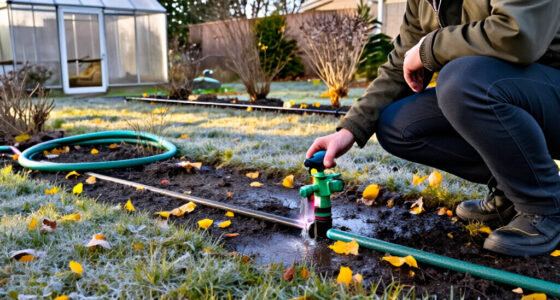
Standing water in areas like birdbaths, clogged gutters, and low spots can become mosquito breeding sites, leading to health concerns and neighbor disputes. Proper yard grading and regular water area maintenance are key solutions.
Damaged fences and sheds, especially those with rotting wood, create entry points for pests and can cause neighbor conflicts over appearance and property boundaries. Repairing or replacing these structures promptly helps avoid these issues.
Dead or overhanging tree branches pose safety hazards and can damage property if they fall. Regular pruning and tree maintenance are recommended to prevent accidents and maintain aesthetic appeal.
Why Yard Oversights Impact Neighborhood Relations
These overlooked yard issues can lead to neighbor disputes, pest infestations, and costly property damage. Maintaining a tidy yard not only preserves property value but also fosters good neighbor relations and community well-being.
Products Worth Considering

Greenworks 48V 17-Inch Cordless Push Lawn Mower with Two 4.0Ah Batteries

EGO Power+ 21-Inch Cordless Push Lawn Mower with 56V 4.0Ah Battery and Charger (LM2112)

Greenworks 60V 21-inch Push Lawn Mower with 5.0 Ah Battery and Charger
As an affiliate, we earn on qualifying purchases.
Common Yard Maintenance Oversights and Their Consequences
Many homeowners underestimate the importance of regular yard upkeep. Overgrown grass, neglected mulch, and standing water are frequent oversights that can quickly escalate into larger problems. Experts have long advised routine maintenance to prevent pests and structural damage, but awareness remains inconsistent, leading to conflicts and health risks.
“Not only does overgrown grass look chaotic, but it also provides a breeding ground for ticks and fleas, which can spread to neighbors’ pets and yards.”
— Ryan Carrigan
Unclear Extent of Yard Neglect and Its Impact
It is not yet clear how widespread these yard oversights are or how often they lead to conflicts or pest infestations. Further research is needed to quantify the impact of these issues on neighborhood relations and property values.
Next Steps for Homeowners and Community Awareness
Homeowners are encouraged to conduct routine yard inspections and address issues like overgrowth, mulch deterioration, and water pooling. Community programs and local ordinances may increase awareness and promote regular maintenance to reduce neighbor conflicts and pest problems.
Key Questions
How often should I mow my lawn to prevent neighbor complaints?
Most experts recommend mowing at least once a week during the growing season to keep grass tidy and prevent overgrowth that can attract pests and bother neighbors.
What is the best way to maintain mulch and prevent pest problems?
Keep mulch layers between 2 and 3 inches deep, pull it back from the foundation, and replace or refresh it every 2-3 years to maintain appearance and prevent pest harboring.
How can I prevent standing water in my yard?
Regrading low areas, cleaning gutters regularly, and installing drainage solutions can help prevent water accumulation and mosquito breeding sites.
Are damaged fences and sheds really a concern for pests?
Yes, rotting wood and leaning structures create entry points for rodents and insects, and repairing them promptly can prevent infestations and neighbor disputes.
Source: Bob Vila