TL;DR

Get garden gear delivered free with Prime
- Fast, free delivery on millions of items
- Prime Video, Amazon Music and more included
- Member-only deals all year
A Homes and Gardens report outlines five uses for pumpkin seeds left after Halloween carving: save them for planting, add them to compost, roast them for food, offer small amounts to birds or make seed brittle. The methods require different preparation, and whether seeds saved from a pumpkin will grow the same variety depends on whether the pumpkin was an heirloom or hybrid.
A Homes and Gardens report has outlined five ways to use seeds left after Halloween pumpkin carving: save them for planting, compost them, roast them, feed them to birds or make brittle. The suggestions offer households alternatives to discarding the seeds, with preparation varying by intended use.
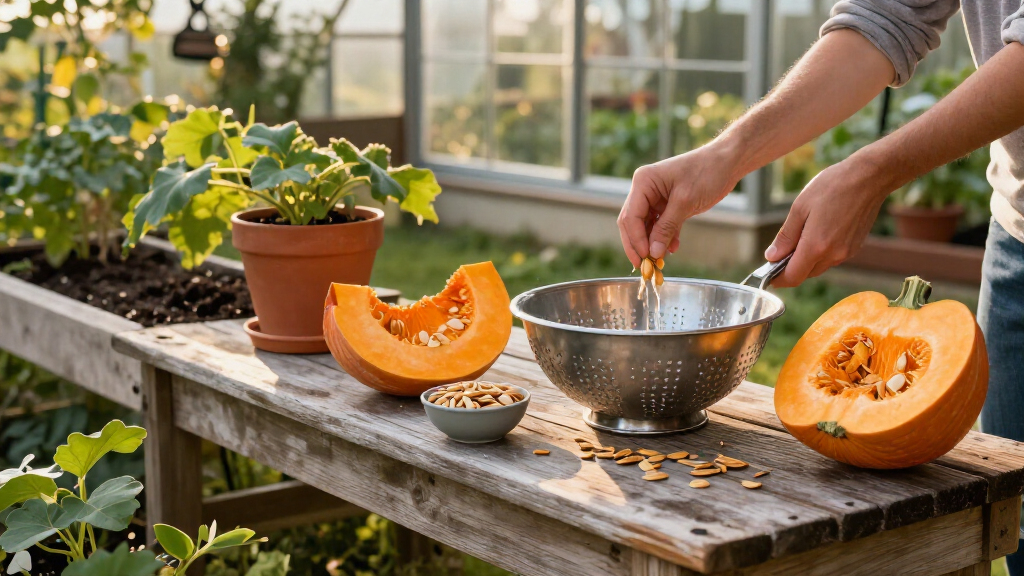
For planting, the report advises rinsing the seeds to remove pulp and drying them in a single layer for several days before storage. It recommends choosing seeds from heirloom pumpkins when possible, saying seeds from hybrid varieties may not produce pumpkins that match the original. Fully dried seeds can be kept in paper envelopes or glass jars, the report says.
Pumpkin seeds can also go into a compost pile, alongside the pumpkin’s flesh, skin and stems. To reduce the chance of seeds sprouting later, the report recommends boiling or crushing them before composting. It says compost needs to stay above 130°F for extended periods to prevent most seeds from surviving, conditions that may be difficult to maintain in a traditional cold compost pile.
For a snack, the report’s recipe is to wash and dry the seeds, toss them with a little olive oil and roast them at 300°F for 30 to 45 minutes, stirring halfway through. It also suggests using roasted seeds in salads, soups or granola, or storing them in an airtight container for up to two weeks. For birds, seeds may be served raw or roasted without salt or seasoning; crushing them can make them easier for smaller birds to eat. The report advises putting out small amounts, since seeds can spoil in wet weather and excess food may attract other wildlife.
Practical Uses for Pumpkin Seeds
The five options give households ways to use more of a seasonal pumpkin rather than sending its seeds to the trash. The choices also serve different purposes: planting and composting return seeds to the garden, while roasting and brittle turn them into food. Feeding birds is another option, provided the seeds are offered in moderation and without seasoning.
The methods are not interchangeable. Seeds intended for planting need thorough drying and suitable storage, while seeds for compost should be crushed or boiled if avoiding volunteer pumpkin plants is the goal. Food preparation calls for washing and drying, and the bird-feeding advice favors unsalted seeds in small portions. Following the use-specific steps can reduce waste while avoiding unwanted sprouts or spoiled food.
Products Worth Considering

EGO Power+ Cordless Electric Leaf Blower, 880 CFM, with Two 4.0Ah Batteries (LB8803-2)

EGO POWER+ Cordless Leaf Blower, 765 CFM, with 5.0Ah Battery (LB7654)

Greenworks 60V Cordless Leaf Blower with 2.5Ah Battery and Rapid Charger
As an affiliate, we earn on qualifying purchases.
From Carving to Reuse
The report frames the advice around the period after Halloween, when households may have scooped seeds from pumpkins used for decorations or cooking. It says seeds are often removed with the pulp and discarded, even though they can be used in the garden, kitchen or as bird food.
Its recommendations focus on simple handling: separate seeds from pulp, clean them, and prepare them according to their destination. The article also notes that whole pumpkins can be composted, but seeds may germinate if they survive the composting process. Its planting guidance distinguishes heirloom from hybrid varieties; it does not promise that every saved seed will produce a particular pumpkin.
“The seeds need to be cleaned and prepared after scooping them from the pumpkin, but it’s quick and easy.”
— Homes and Gardens report
Seed Results and Compost Conditions
The report does not identify the pumpkin varieties readers may have at home or say whether their seeds are heirloom, hybrid or viable. As a result, the type of pumpkin that might grow from saved seeds is not assured, particularly for seeds from hybrids.
Composting results also depend on conditions inside a pile. The report says sustained temperatures above 130°F can prevent most seeds from surviving, but does not specify how long a particular household compost pile must remain at that temperature. Whether seeds sprout will depend on the pile’s actual heat and handling.
The food and bird-feeding suggestions are general household guidance, not tailored nutritional or wildlife advice. The source does not provide detailed serving amounts or address every dietary need or local wildlife concern.
Choose a Use Before Preparing
Households can start by separating seeds from pulp and deciding whether they are intended for planting, compost, food or birds. That choice determines the next step: dry seeds completely for storage, crush or boil them before composting, roast them for eating, or offer small, unseasoned portions to birds.
Anyone saving seeds can label their container with the pumpkin type and collection date, as the report suggests, then plant them in a later growing season. Those composting pumpkin remains can monitor their pile rather than assume it gets hot enough to kill seeds. The report provides no specific planting calendar or local growing advice, so timing and results will depend on the variety and conditions where the seeds are planted.
Key Questions
How should pumpkin seeds be prepared for planting?
Rinse away pulp, then spread seeds in a single layer and let them dry completely for several days. Store dry seeds in a paper envelope or glass jar, labeled with the pumpkin type and collection date.
Will seeds from a carved pumpkin grow the same kind of pumpkin?
Not necessarily. The report recommends saving seeds from heirloom varieties; it says seeds from hybrid pumpkins may not produce the same type as the parent.
Can pumpkin seeds go straight into compost?
They can, but intact seeds may sprout if they survive the pile. The report recommends boiling or crushing seeds before composting, particularly if the pile does not stay above 130°F for an extended period.
How long can roasted pumpkin seeds be stored?
The report says roasted seeds can be kept in an airtight container for up to two weeks. It recommends washing and drying them before roasting.
Are pumpkin seeds suitable for birds?
The report says birds can be offered raw or roasted seeds, but roasted seeds should be unseasoned. Crush them for smaller birds and put out small amounts to limit spoilage and avoid attracting other wildlife.
Source: homesandgardens.com