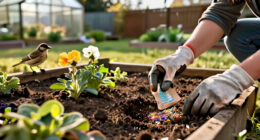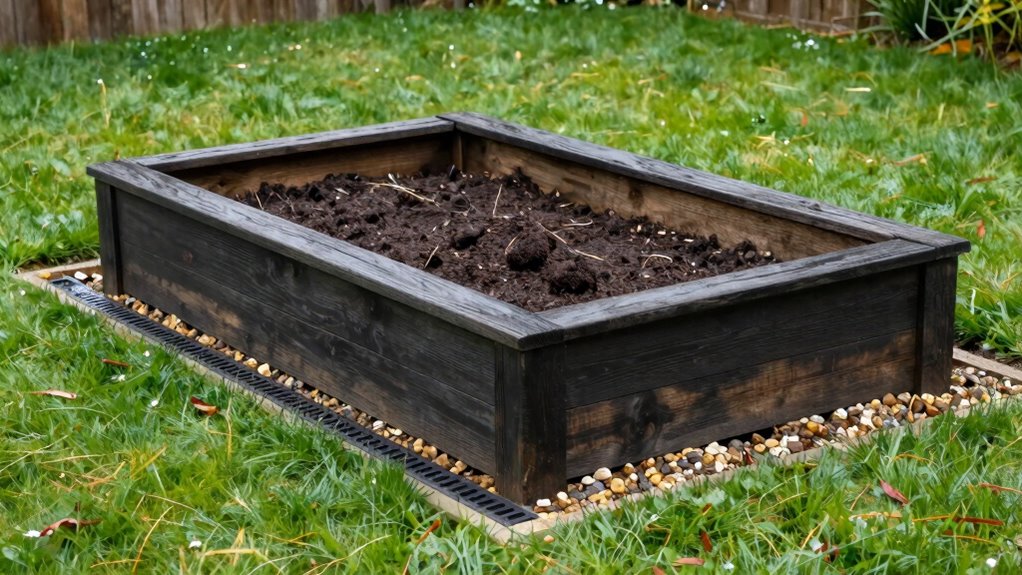

Even in wet yards, raised beds need careful drainage planning to keep plants healthy. Without proper drainage, water can pool and cause roots to rot or fungal issues. You should assess your yard’s natural water flow and incorporate drainage layers like gravel or coarse sand. Using well-draining soil and designing drainage systems helps prevent waterlogging. If you want to guarantee your plants thrive despite wet conditions, understanding these strategies is essential.

Get garden gear delivered free with Prime
- Fast, free delivery on millions of items
- Prime Video, Amazon Music and more included
- Member-only deals all year
Key Takeaways
- Elevated beds still require drainage to prevent water pooling and root rot.
- Proper drainage layers and soil mix improve water runoff and aeration.
- Understanding yard water flow helps design effective drainage systems for raised beds.
- Excess moisture attracts pests and promotes fungal diseases, needing control measures.
- Good drainage maintains optimal soil conditions, ensuring healthy plant growth in wet yards.
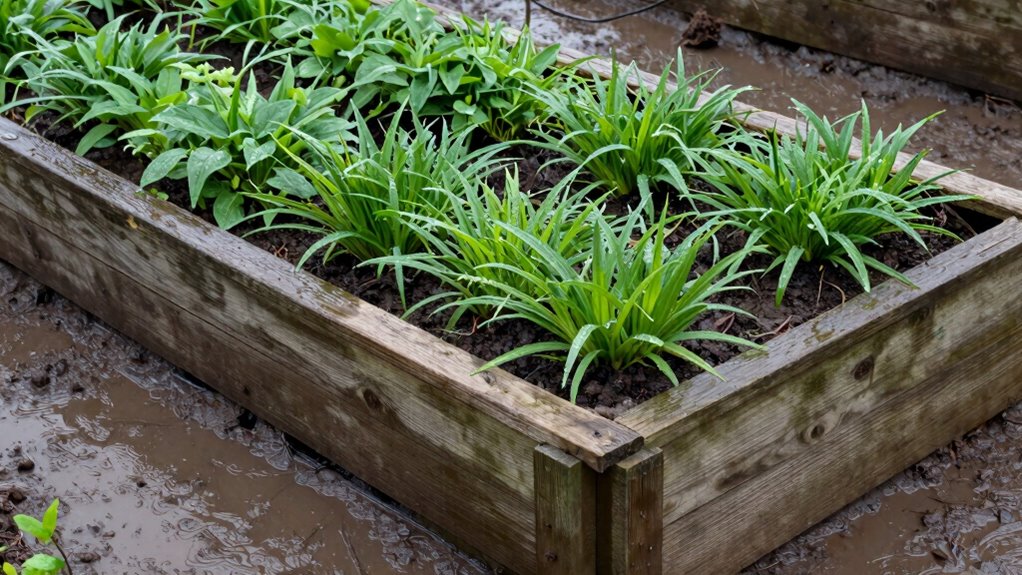
If you’re considering building raised beds in a wet yard, proper drainage planning is essential to guarantee healthy plant growth. Even though raised beds elevate your plants above ground level, they still require careful planning to prevent water from pooling and causing root rot or other issues. Without proper drainage, excess water can stagnate, depriving roots of oxygen and encouraging fungal diseases. To avoid this, you should assess your yard’s natural water flow and consider adding drainage layers, such as gravel or coarse sand, at the bottom of your raised beds. This creates a pathway for excess water to escape, ensuring your plants’ roots stay healthy and well-oxygenated.
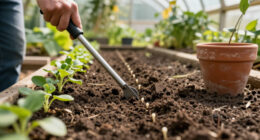
In addition to structural drainage, your soil mixture plays a critical role. Use well-draining soil blends that incorporate organic matter like compost, which improves aeration and moisture retention without becoming waterlogged. Composting techniques can help you create rich, loamy soil tailored for wet conditions, boosting plant resilience. Properly balanced soil reduces the risk of standing water and helps plants thrive even in damp environments. Additionally, soil aeration techniques, such as mixing in perlite or vermiculite, can further improve drainage and prevent compaction. Incorporating soil amendments tailored for wet conditions can enhance the overall drainage and health of your garden beds. Ensuring proper drainage systems are in place can help mitigate persistent water issues in your yard. Regularly checking your soil’s drainage capacity ensures that excess water can effectively escape and prevents waterlogging. Developing an understanding of your yard’s water flow patterns can further inform your drainage strategies, helping you design a more effective system.
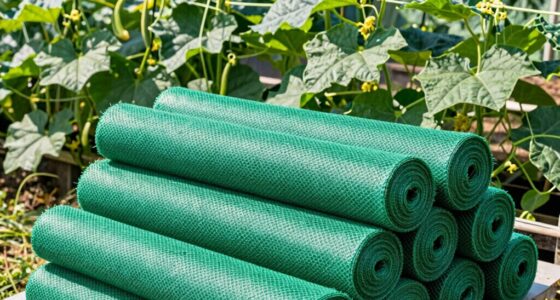
Pest control remains an important consideration in wet yards. Standing water and moist soil attract pests such as mosquitoes, slugs, and certain insects that can damage your plants or spread disease. Implementing physical barriers like mesh covers or using natural pest control methods can help keep unwanted visitors at bay. Regularly inspecting your beds for pest activity and removing debris also minimizes hiding spots for pests, maintaining a healthier garden ecosystem.
While drainage is critical, it’s equally important to maintain good garden hygiene. This includes removing excess organic matter that can retain moisture and create breeding grounds for pests. Cover cropping or mulching can help regulate soil moisture levels, preventing overly wet conditions that benefit pests and pathogens. These techniques also support composting efforts by providing organic material that breaks down into nutrient-rich compost, further improving your soil’s drainage and fertility.
Ultimately, effective drainage planning in wet yards involves a combination of structural modifications, soil management, and pest control strategies. By carefully designing your raised beds with adequate drainage layers, selecting the right composting techniques, and controlling pests, you set the stage for a healthy, productive garden. Even in challenging conditions, thoughtful planning ensures your plants will flourish, and your raised beds will serve as a reliable, lush haven.
As an affiliate, we earn on qualifying purchases.
Frequently Asked Questions
How Can I Tell if My Yard Is Too Wet for Raised Beds?
You can tell if your yard is too wet for raised beds by checking the soil. Perform drainage testing by digging a hole and filling it with water; if it drains slowly or remains soggy, your soil has poor drainage. Also, look for signs of soil compaction, like hardness or difficulty digging. If these issues exist, you’ll need to improve drainage before installing raised beds to prevent waterlogging.
What Materials Are Best for Improving Drainage in Raised Beds?
You should use materials like coarse gravel, crushed stone, or coarse sand as soil amendments to improve drainage in raised beds. Installing drainage pipes at the base helps direct excess water away, preventing waterlogging. Combining these materials ensures better airflow and water movement, protecting your plants from root rot. Always layer gravel or similar materials at the bottom before filling with soil and amendments for ideal drainage.
How Often Should I Check Drainage Effectiveness After Building a Bed?
Think of your raised bed as a ship sailing on a rocky sea. You should check its drainage effectiveness after a heavy rain or weekly, especially during wet seasons. Conduct soil amendments and drainage tests to make certain water flows freely. If water pools or drains slowly, it’s time to adjust your approach. Regular checks help prevent waterlogging, keeping your plants healthy and your garden thriving.
Can Drainage Issues Cause Plant Diseases in Raised Beds?
Yes, drainage issues can cause plant diseases in raised beds. When soil becomes compacted or holds excess moisture, it creates a perfect environment for fungal and bacterial diseases to thrive. Poor drainage leads to waterlogged soil, which deprives roots of oxygen and encourages pathogens. To prevent this, guarantee your raised bed has proper drainage, avoid compacting the soil, and monitor moisture levels regularly to keep plants healthy.
Are There Specific Plants That Tolerate Poor Drainage Better?
Yes, some plants tolerate poor drainage better, especially native or moisture-loving ones like sedges, ferns, or certain ornamental grasses. To improve your raised bed’s conditions, consider companion planting with these species and adding soil amendments like organic matter or sand to enhance drainage. These strategies help prevent root rot and diseases, making your garden more resilient even in wet areas.
As an affiliate, we earn on qualifying purchases.
Conclusion
While raised beds can elevate your gardening game, it’s wise to gently consider drainage. Even in damp yards, thoughtful planning guarantees your plants stay happy and healthy, avoiding the subtle pitfalls of excess moisture. With a little foresight, you can create a lush oasis that gracefully withstands the whims of wet conditions. Embrace the art of drainage, and your garden will flourish with elegance and resilience, turning potential challenges into opportunities for beauty.
soil aeration amendments for wet yards
As an affiliate, we earn on qualifying purchases.
As an affiliate, we earn on qualifying purchases.
As an affiliate, we earn on qualifying purchases.
Fall Picks
fall essentials
As an affiliate, we earn on qualifying purchases.