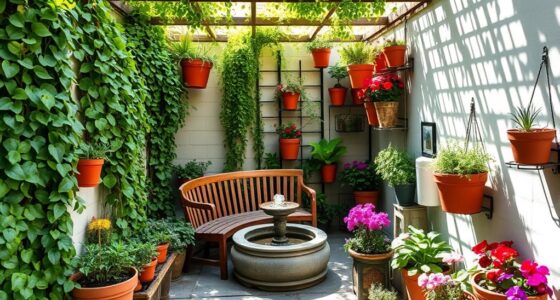

Maximize your small garden’s impact by combining vertical gardening and container planting. Use wall-mounted planters, trellises, and hanging baskets to grow flowers, herbs, or veggies upward, freeing ground space. Mix in colorful pots and layered plant arrangements to add depth and visual interest. Incorporate lighting and cozy seating for charm and functionality. With clever height and container choices, your tiny garden can feel large and inviting—discover more ideas to transform your space into an outdoor sanctuary.

Get garden gear delivered free with Prime
- Fast, free delivery on millions of items
- Prime Video, Amazon Music and more included
- Member-only deals all year
Key Takeaways
- Maximize vertical space with wall-mounted planters and trellises for a lush, layered look in tight areas.
- Use versatile containers to create multi-level planting zones that add depth without occupying ground space.
- Combine vertical gardening and container planting for a full, visually appealing layered garden.
- Incorporate lighting and seating to enhance ambiance and functionality in small garden spaces.
- Choose plants with similar needs and strategic arrangements to simplify maintenance and boost visual impact.
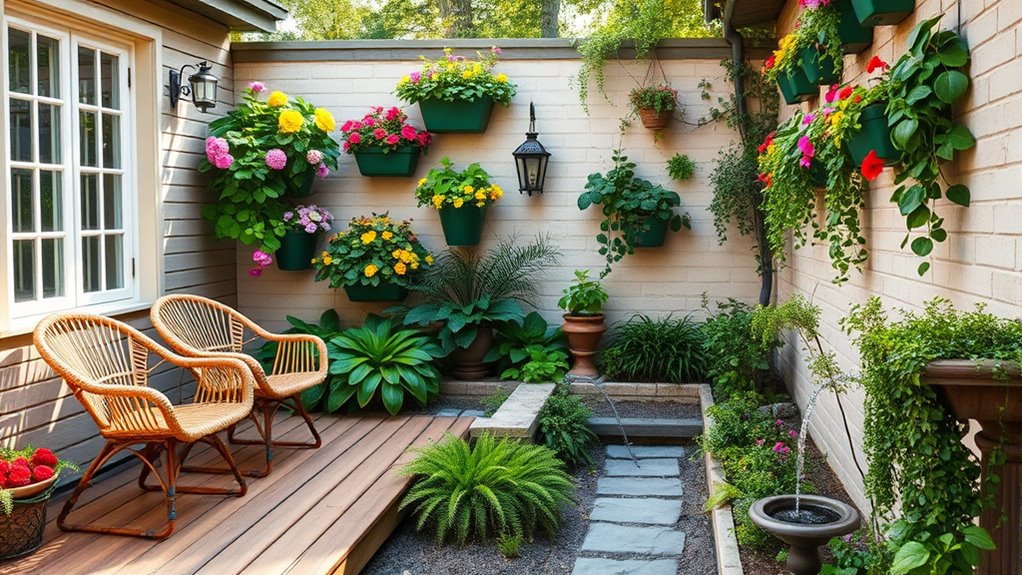
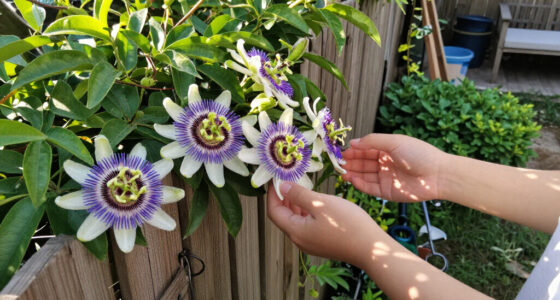
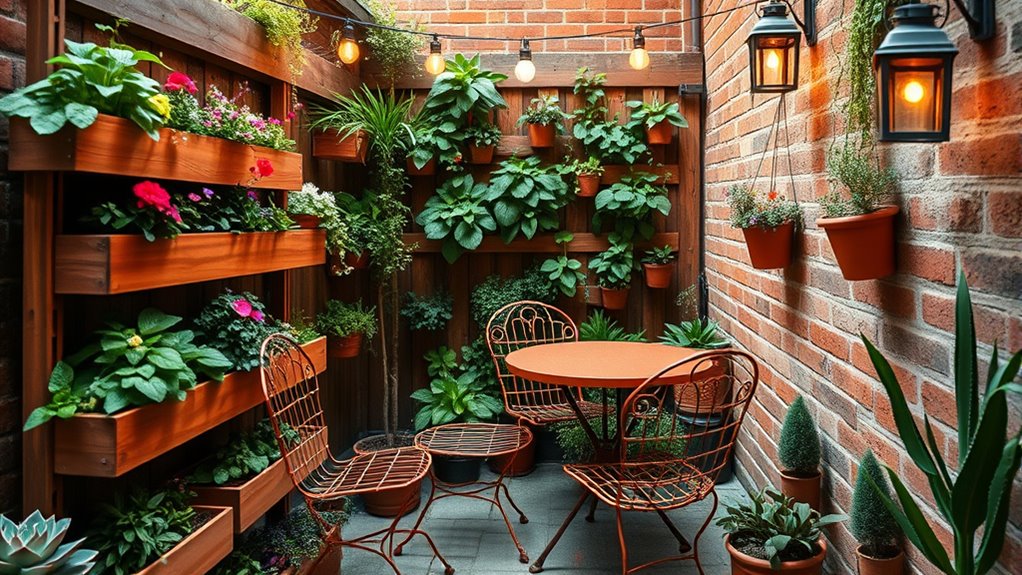
Even if your outdoor space is limited, you can transform a small garden into a vibrant, inviting retreat. One of the most effective ways to maximize your area is through vertical gardening. Instead of spreading out across the ground, you can grow your plants upward, using walls, fences, or specially designed plant towers. Vertical gardening not only saves space but also creates a lush, layered look that adds depth and interest. You might hang planters on a wall, install wall-mounted pockets, or set up a trellis for climbing plants like clematis or beans. This approach allows you to incorporate a variety of plants—flowers, herbs, or vegetables—without sacrificing valuable ground space. Incorporating nutrient-rich ingredients in your garden can further enhance plant growth and health. Container planting is another vital technique for small gardens. It offers flexibility and control, letting you customize your layout while also making it easier to manage soil quality and watering. With container planting, you can choose pots of different sizes, colors, and materials to suit your aesthetic and functional needs. Place them on decks, patios, or even staircases to create a dynamic, multi-level display. You can move containers around to catch ideal sunlight or to change your garden’s look seasonally. Incorporate trailing plants like ivy or petunias in hanging baskets, and fill larger containers with shrubs or small trees to add structure. Pairing vertical gardening with container planting allows you to craft a layered garden that feels lush and full, even in a tight space. For instance, set up a vertical herb garden on a wall or fence, and surround it with potted flowers or vegetables on the ground or on stands. This not only maximizes your planting area but also creates visual interest. Be strategic with your choices; select plants that thrive in similar sunlight and water conditions to keep maintenance manageable. Use multi-functional containers with built-in drainage or self-watering features to reduce fuss. Lighting is essential—consider string lights, solar-powered lanterns, or spotlights to highlight your vertical structures and containers at night. Incorporate seating or small tables to invite relaxation, making your garden a true sanctuary. By thoughtfully combining vertical gardening and container planting, you’ll turn your small outdoor space into a vibrant, functional haven that feels larger than it is. With careful planning and creative use of height and containers, even the tiniest garden can make a big impact.
Frequently Asked Questions
How Can I Maximize Sunlight in a Small Garden?
To maximize sunlight in your garden, start by optimizing your garden layout to avoid shading from structures or plants. Use reflective surfaces like white walls or mirrors to bounce sunlight into shaded areas. Position taller plants or features strategically to prevent blocking light, and consider placing your garden beds where the sun hits most. These simple tricks boost sunlight reflection and guarantee your garden gets the brightest, most even illumination possible.
What Are Space-Saving Storage Solutions for Tiny Gardens?
Ever feel like your garden’s storage is a puzzle missing pieces? You can save space with clever solutions like compact furniture that doubles as storage and modular planters that adapt to your needs. These pieces maximize every inch, making your garden both functional and beautiful. By choosing multi-purpose furniture and customizable planters, you create room for your plants and your peace of mind. It’s a win-win for small space living!
How Do I Choose the Best Plants for Limited Space?
When choosing the best plants for limited space, focus on plant pairing and container selection. Opt for compact, slow-growing plants that thrive in your environment, and pair them thoughtfully to maximize color and texture. Use containers that suit each plant’s needs, allowing for better growth and easy rearrangement. This approach helps you create a lush, vibrant garden without overcrowding, making the most of every tiny corner.
Can Vertical Gardening Be Suitable for All Climates?
Vertical gardening is like a chameleon, adapting to many environments, but it’s not a one-size-fits-all solution. You need to contemplate climate adaptability and plant selection carefully. Some plants thrive in humid, cold, or hot climates, while others struggle. Before installing a vertical garden, research which plants suit your climate, ensuring they can flourish in limited space. Proper planning makes vertical gardening a sustainable, eye-catching feature regardless of your climate.
What Maintenance Tips Are Ideal for Small Garden Spaces?
In small garden spaces, maintaining your plants is key. You should establish a consistent watering schedule, ensuring each plant gets enough without overwatering. Regularly check for pests and take swift pest control measures to keep your garden healthy. Prune dead or overgrown plants to promote growth and airflow. Mulch helps retain moisture and suppress weeds. By staying attentive and proactive, you’ll keep your small garden vibrant and thriving with minimal effort.
Conclusion
With a small garden, you might think you lack space, but it’s your canvas for big ideas. Just like a tiny mosaic forms a stunning picture, clever design turns limited space into a lush retreat. Embrace vertical gardens and multi-purpose furniture—small choices that pack a big punch. Remember, sometimes the tightest spots spark the most creative solutions, proving that even a tiny garden can make a mighty impact. Your compact oasis awaits your clever touch.
Fall yard work Picks
leaf blowers
As an affiliate, we earn on qualifying purchases.