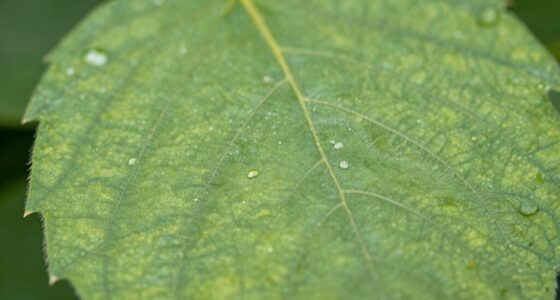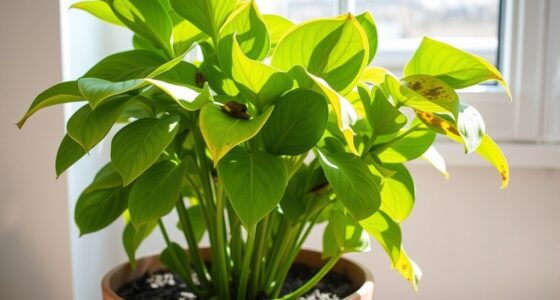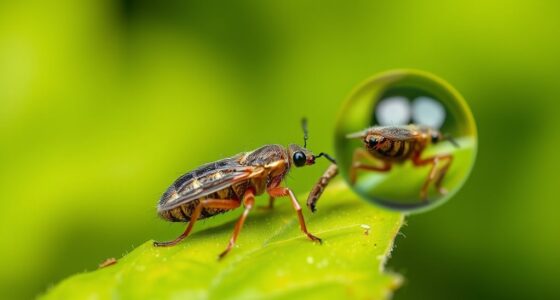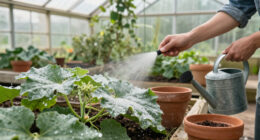

To diagnose a garden problem without jumping to sprays, start by inspecting your plants carefully for signs of damage, pests, or disease, using a magnifying glass if needed. Check soil pH and nutrient levels through testing, and address any imbalances naturally with compost or organic fertilizers. Observe environmental conditions that could stress plants. By understanding soil health and pest presence, you can find the root cause and resolve issues sustainably—learn more to keep your garden thriving.

Get garden gear delivered free with Prime
- Fast, free delivery on millions of items
- Prime Video, Amazon Music and more included
- Member-only deals all year
Key Takeaways
- Carefully observe plants for specific damage signs and symptoms to identify potential issues.
- Conduct soil testing to assess pH, nutrient levels, and compaction before applying any treatments.
- Examine plants thoroughly, including undersides of leaves and stems, for pests or disease indicators.
- Promote beneficial insects and natural predators to manage pest populations organically.
- Diagnose underlying causes like soil imbalance or environmental stress rather than immediately using chemicals.
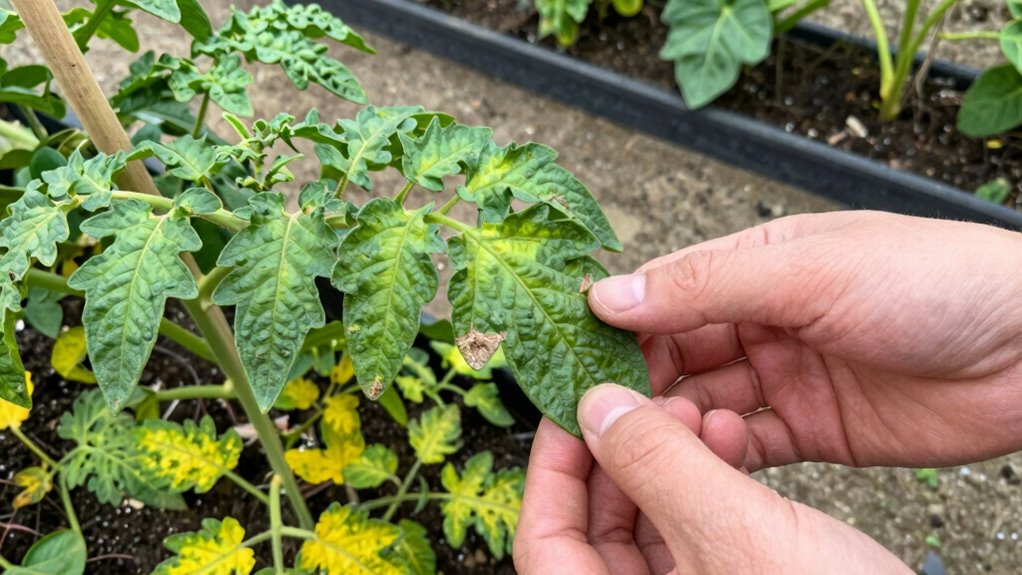
When your garden shows signs of trouble, it’s tempting to reach for chemical sprays right away. But before you do, take a moment to understand what’s really going on. Often, garden problems aren’t caused by pests or diseases alone—they can stem from soil issues or environmental factors. Start with soil testing to get a clear picture of your soil’s health. Testing helps you determine pH levels, nutrient deficiencies, and soil compaction. If your soil is too acidic or alkaline, plants can become stressed, making them more vulnerable to pests and diseases. Correcting these issues naturally can often resolve problems without chemicals.
Start with soil testing to identify issues before using chemicals in your garden.
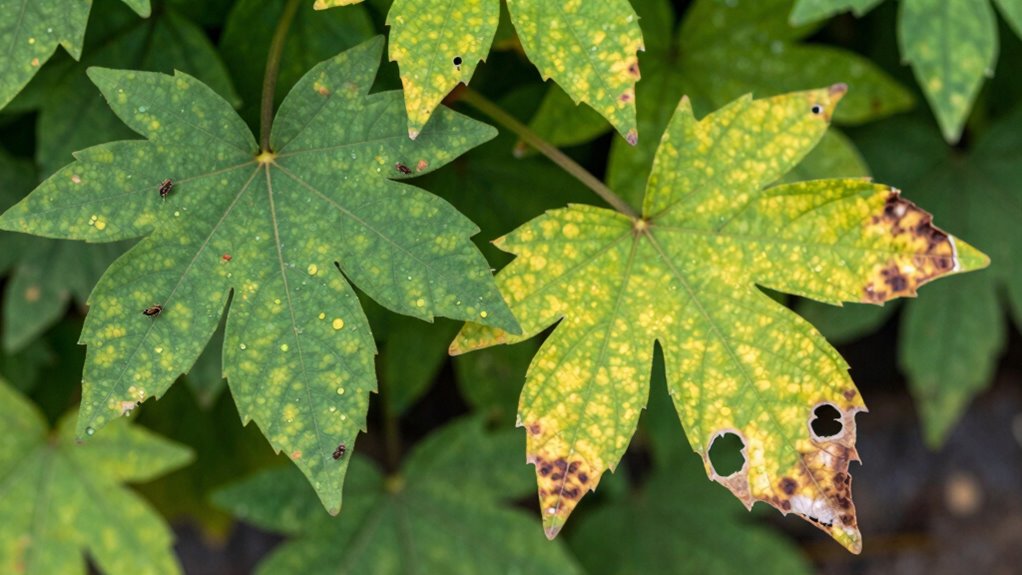
Next, focus on pest identification. Instead of spraying at the first sight of damage, examine your plants carefully. Look for signs of specific pests—whether it’s chewed leaves, sticky residue, or tiny insects. Proper pest identification allows you to target the problem precisely, avoiding unnecessary use of broad-spectrum chemicals that can harm beneficial insects or disrupt your garden’s balance. Use a magnifying glass if needed, and check both the tops and undersides of leaves, stems, and soil surface. Sometimes, pests are only a part of the story; other times, they’re a symptom of underlying issues like poor soil quality or overwatering.
By understanding your soil and pests better, you’re more equipped to make informed decisions. For example, if soil testing reveals a nitrogen deficiency, adding organic compost or natural fertilizers can boost plant health. If you identify pests like aphids or mites, consider natural predators such as ladybugs or use organic insecticidal soap. These methods target pests without harming your garden’s ecosystem. These natural approaches are often more sustainable and less disruptive to the soil microbiome, which is vital for healthy plant growth. Remember, healthy plants are less susceptible to pests and diseases, so maintaining good soil health and proper watering habits is crucial. Additionally, soil health plays a vital role in overall plant resilience and should be a key focus in your garden care routine. Incorporating practices that support soil microbiome diversity can further enhance your garden’s natural defenses.
Jumping straight to chemical solutions can be counterproductive, often leading to resistant pests and a weakened soil microbiome. Instead, diagnose the root cause—whether it’s soil imbalance or pest presence—before acting. This approach not only protects your plants but also creates a resilient garden that can withstand future challenges. Patience and observation go hand in hand; sometimes, your garden just needs a little TLC and understanding. With a bit of effort in soil testing and pest identification, you can resolve most issues naturally, keeping your garden thriving without unnecessary chemicals.
As an affiliate, we earn on qualifying purchases.
Frequently Asked Questions
What Are Common Signs of Soil Deficiency in Plants?
You’ll notice soil deficiency symptoms when plants show yellowing leaves, stunted growth, or poor flowering. Common signs of soil nutrient deficiency include pale or discolored foliage and weak stems. If your plants struggle despite proper watering, check for these deficiency symptoms. Healthy soil should support vibrant growth, so if these signs appear, it’s time to test your soil’s nutrient levels and amend accordingly to restore plant health.
How Can I Identify Pests Without Using Chemicals?
You can identify pests without chemicals by observing your plants closely for signs like chewed leaves, sticky residues, or holes. Encourage beneficial insects, such as ladybugs and lacewings, through companion planting, which naturally controls pests. These beneficial insects help keep pest populations in check, reducing the need for sprays. Regular monitoring and attracting helpful insects are effective, eco-friendly ways to diagnose and manage pests in your garden.
What Environmental Factors Affect Plant Health the Most?
Environmental factors like soil pH are vital to your plant health, influencing nutrient absorption and growth. Poor soil pH can lead to deficiencies or toxicities, weakening your plants’ defenses. Pest identification becomes essential, as stressed plants are more vulnerable to pests. To keep your garden healthy, regularly check soil pH levels and monitor for pest activity, adjusting your care practices accordingly to create a balanced, thriving environment.
Are There Natural Methods to Improve Plant Resilience?
Yes, you can naturally boost your plants’ resilience by practicing companion planting and organic mulching. Companion planting pairs compatible plants to deter pests and improve growth, creating a natural defense system. Organic mulching conserves moisture, regulates soil temperature, and suppresses weeds, fostering healthier plants. These methods strengthen your garden’s overall health, reduce reliance on chemicals, and promote a thriving, resilient environment where plants can better withstand pests and environmental stresses.
How Do Weather Conditions Influence Garden Problems?
Weather conditions greatly influence garden problems. You notice issues when weather patterns shift—like excessive rain causing root rot or drought stressing plants. Climate change intensifies these effects by creating unpredictable weather, making it harder to anticipate problems. By observing how weather fluctuates and affects your garden, you can take proactive steps, like adjusting watering schedules or providing shade, to minimize damage and keep your plants healthy.
As an affiliate, we earn on qualifying purchases.
Conclusion
Think of your garden like a detective’s case—it’s all about observation and patience. I once spent hours inspecting a wilting tomato plant, noticing tiny holes and speckled leaves, which led me to identify a pest problem early. Just like a good detective, you’ll find clues in your plants’ behavior and appearance. By tuning into these signs, you can solve garden mysteries naturally, avoiding unnecessary sprays and helping your garden thrive with minimal fuss.
beneficial insects for pest management
As an affiliate, we earn on qualifying purchases.
As an affiliate, we earn on qualifying purchases.
As an affiliate, we earn on qualifying purchases.
Halloween Picks
halloween
As an affiliate, we earn on qualifying purchases.