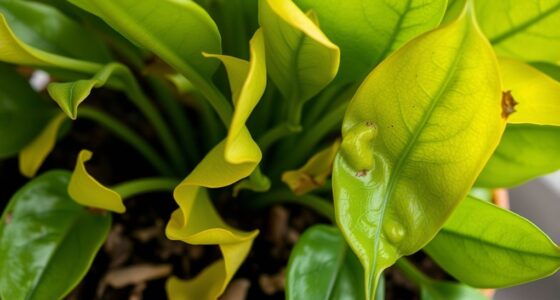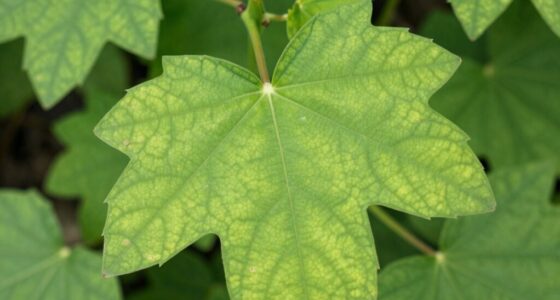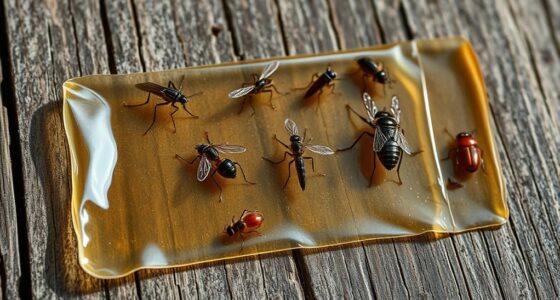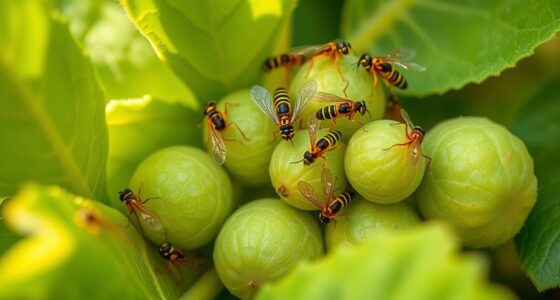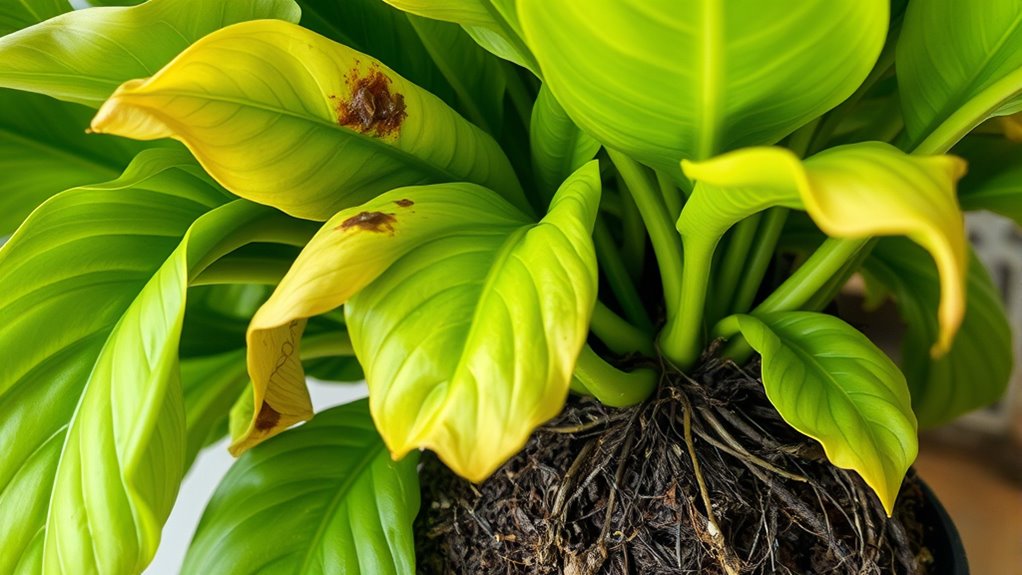

If your plant shows yellowing leaves, wilting, or sticky residue, it could be overwatering, pests, or environmental stress. Check soil moisture: soggy soil hints at overwatering, while dry soil suggests underwatering. Look for tiny insects, webbing, or damaged leaves to spot pests. Also, observe signs like leaf distortion or discoloration. By recognizing these clues early, you can take appropriate steps. Keep exploring to discover more tips on diagnosing and fixing common plant problems.

Get garden gear delivered free — and shop member deals
- Fast, free delivery on millions of items
- Access to Prime Big Deal Days deals on October 6–7
- Prime Video, Amazon Music and more included
Key Takeaways
- Check for yellowing leaves, which may indicate overwatering, pests, or nutrient deficiencies.
- Inspect soil moisture and drainage to differentiate between overwatering and underwatering issues.
- Look for visible pests, webbing, or sticky residue as signs of insect infestations.
- Observe leaf texture and signs of distortion or wilting to identify environmental stress or pests.
- Keep a plant health journal to track symptoms and improve accurate diagnosis and care.

Have you ever wondered why your plant isn’t thriving? Sometimes, it’s as simple as watering issues. Overwatering can drown your plant’s roots, leading to root rot and yellowing leaves, while underwatering can cause the plant to wilt and dry out. To determine if watering is the problem, check the soil moisture. Stick your finger about an inch into the soil—if it feels soggy, you’ve likely been watering too much. If it’s bone dry, your plant needs a good drink. Consistent watering habits are essential. Many plants prefer their soil to dry out slightly between waterings, so understanding your specific plant’s needs helps prevent both over- and underwatering. Remember, the pot’s drainage is critical; a pot without holes traps excess water, increasing the risk of root rot. Adjust your watering schedule accordingly, and make sure excess water can escape freely. Using self-watering pots can help maintain optimal moisture levels and reduce watering frequency. Beyond watering issues, pest identification plays a crucial role in diagnosing plant health problems. Tiny insects or their damage can cause significant harm, often unnoticed until symptoms worsen. Look closely at your plant’s leaves, stems, and undersides for signs of pests like aphids, spider mites, or scale insects. These pests suck nutrients from your plant, leading to yellow or distorted leaves, sticky residue, or webbing. Identifying pests early makes treatment easier and more effective. Use a magnifying glass if needed and check regularly, especially if you notice spots, holes, or a sticky film. Different pests require different approaches—some can be washed away with water, while others need insecticidal soap or specific treatments. Proper pest identification helps you choose the right method, preventing further damage and ensuring your plant’s recovery. If your plant shows yellowing leaves, it’s tempting to assume watering issues are at fault, but pests could also be the culprits. Damage from pests can impair the plant’s ability to absorb nutrients, leading to discoloration and poor growth. Conversely, overwatering can cause the same symptoms but through a different mechanism—root rot restricting nutrient uptake. Recognizing the subtle differences is key. For example, pests often leave visible signs like webbing or tiny bugs, while overwatering mainly affects the soil and roots. Also, consider environmental factors like light and humidity, which can influence plant health. If you’re unsure, examine your plant carefully and consider keeping a plant health journal to track changes over time. Diagnosing problems accurately ensures you provide the right care, giving your plant the best chance to recover and flourish.
Frequently Asked Questions
How Often Should I Water My Plant?
You should water your plant based on its specific needs, but generally, a consistent watering schedule works best. Most plants prefer deep watering once a week, allowing the soil to dry slightly between sessions. If you notice drought stress signs like wilting or browning leaves, increase the frequency. Overwatering can be just as harmful, so always check the soil moisture before watering to keep your plant healthy.
What Soil Type Is Best for My Plant?
Oh, the eternal quest for the perfect soil—because plants clearly dream of gourmet dining. You should look for soil with good drainage so roots don’t drown, and a balanced pH to keep nutrients happy. Avoid heavy clay or overly sandy mixes. Your plant’s like a Goldilocks—needs soil that’s just right. Mix in some organic matter, and you’ll be well on your way to a thriving, happy plant!
How Do I Identify Pest Infestations?
To identify pest infestations, start by closely inspecting your plant for visible pests like insects, webs, or eggs. Look for signs such as discolored, chewed, or wilting leaves. Use pest identification guides to recognize common pests. Implement pest prevention strategies like removing affected foliage and maintaining plant health. Regular checks help catch problems early, making pest management easier and more effective.
When Should I Repot My Plant?
Imagine your plant’s roots struggling beneath the soil, signs of root rot creeping in. You should consider repotting when you notice tangled or rotting roots, or if your plant’s growth stalls despite proper care. Typically, repot every 1-2 years, but more frequently if roots outgrow the pot. This refreshes soil, prevents root rot, and encourages healthy growth, ensuring your plant thrives in its new home.
What Are Natural Remedies for Plant Diseases?
You can try natural remedies for plant diseases using organic fungicides like neem oil or copper-based solutions. Homemade remedies such as a mixture of baking soda and water or garlic spray can also help combat fungal issues. These options are eco-friendly and safe for your plants, providing effective disease control without harsh chemicals. Regularly applying these natural treatments can strengthen your plant’s defenses and promote healthier growth.
Conclusion
So, next time your plant shows signs of distress, will you take a moment to analyze what it’s telling you? Recognizing the early signs can save your plant’s life and keep your space lush and vibrant. With a little attention and care, you can turn those brown leaves or drooping stems around. Aren’t your green friends worth the effort? Trust your instincts, and remember, every problem has a solution—sometimes all it takes is a little detective work.
Fall yard work Picks
leaf blowers
As an affiliate, we earn on qualifying purchases.