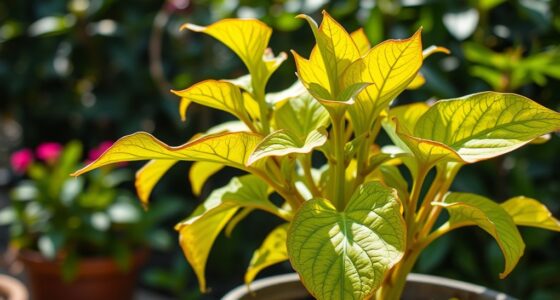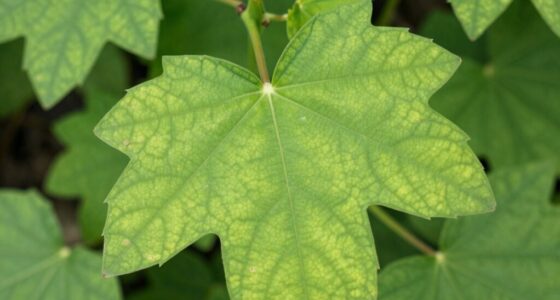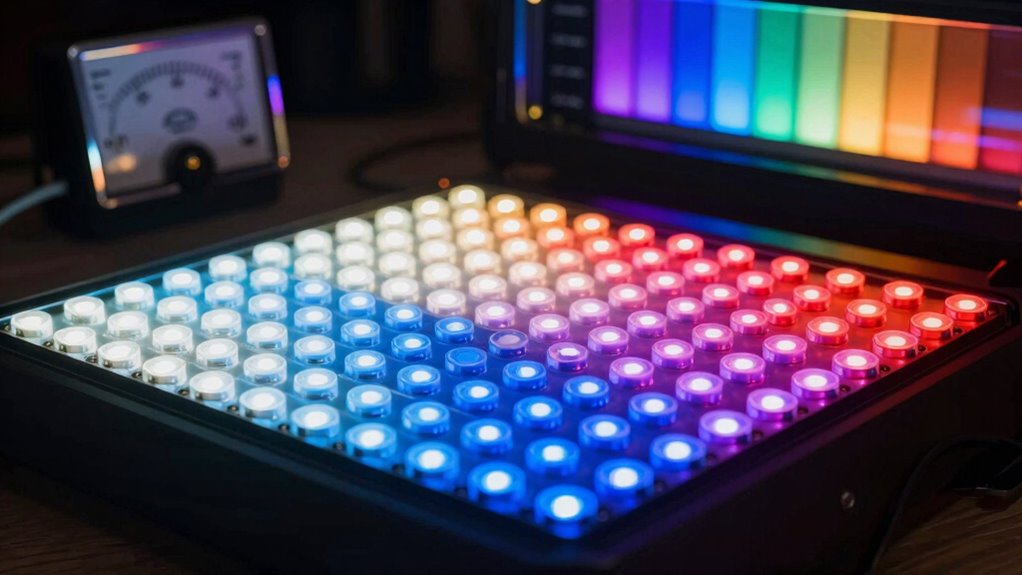

When choosing lights, it’s easy to get confused between PAR, lumens, and full spectrum. Lumens measure brightness, but don’t tell you how the light appears or benefits plants. PAR measures the spectrum of light useful for photosynthesis, not brightness. Full spectrum lights aim to mimic natural sunlight, but no standard defines this. Understanding these differences helps you select the right light for your needs. Keep exploring to learn how each term can impact your choices.

Get garden gear delivered free with Prime
- Fast, free delivery on millions of items
- Prime Video, Amazon Music and more included
- Member-only deals all year
Key Takeaways
- Lumens measure brightness, while PAR measures light spectrum relevant for plant growth, not brightness.
- Full spectrum lights aim to mimic natural sunlight but lack a strict standard or definition.
- PAR is crucial for photosynthesis, whereas lumens relate to perceived brightness for human eyes.
- Higher Kelvin indicates color tone (warm or cool), not brightness or PAR levels.
- Understanding spectral distribution helps optimize plant health, unlike lumens or Kelvin, which focus on visual perception.
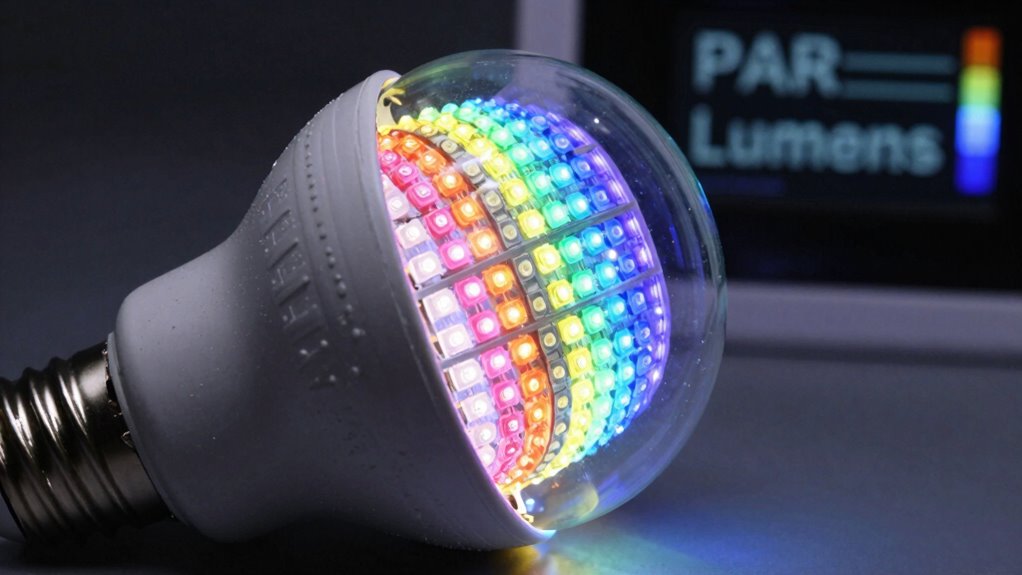
Light terms like “lumens,” “lux,” and “color temperature” often seem straightforward but can actually be quite confusing. When you’re shopping for lighting, especially LED lighting, these terms pop up frequently, and understanding what they really mean can save you from making costly mistakes. For instance, lumens measure brightness, but they don’t tell you how that light will look. Two LED bulbs might emit the same number of lumens, yet one could seem blinding while the other appears soft and warm. This is because lumens only quantify the amount of light, not its quality or tone, which is where color temperature comes into play.
Lumens measure brightness but don’t reveal how the light looks or feels.
Color temperature, measured in Kelvin (K), describes the hue or tone of the light emitted. If you’re selecting LED lighting for your home or workspace, knowing the color temperature helps you set the right mood. A lower Kelvin number, like 2700K, produces warm, yellowish light perfect for cozy living rooms or bedrooms. Higher Kelvin values, such as 5000K or 6500K, give off cooler, bluish light suitable for task lighting or offices. But here’s where things get tricky: many people assume that a higher Kelvin always means better or brighter lighting, which isn’t true. Brightness depends on lumens, not color temperature. So, you might pick a 6500K LED bulb thinking it’s brighter, but it could just be cooler in tone, not in actual brightness.
When it comes to PAR, or Photosynthetically Active Radiation, things get even more complicated. PAR measures the light spectrum that’s useful for plant growth, which is a different consideration if you’re into gardening or indoor plants. It’s not a brightness measurement but a spectrum measurement, and it’s especially relevant for grow lights. Many people get confused because they hear about PAR and think it’s related to lumens or brightness, but it’s really about the quality of light that plants use for photosynthesis. Additionally, understanding the spectral distribution of a light source can help you determine how well it supports plant health and growth, beyond just the PAR value. Recognizing the wavelengths included in a light can be crucial for optimizing plant development.
Lastly, the term “full spectrum” is often thrown around in lighting circles, especially with LED grow lights. It suggests a light that mimics natural sunlight across the entire spectrum, but there’s no strict standard for what “full spectrum” actually entails. Some LED lights labeled as full spectrum might only cover a broad range, while others include specific wavelengths to promote plant health. Understanding these terms—lumens, color temperature, PAR, and full spectrum—will help you make smarter choices, whether you’re lighting a room or growing your plants.
As an affiliate, we earn on qualifying purchases.
Frequently Asked Questions
How Does PAR Differ From Lumens in Measuring Grow Lights?
PAR measures light intensity specifically useful for plant growth, focusing on the wavelengths plants need for photosynthesis. Lumens, on the other hand, measure brightness based on human vision, emphasizing light’s perceived brightness and color rendering. So, while lumens show how bright a light appears to you, PAR indicates how effectively a grow light delivers the right spectrum and intensity for thriving plants. Understanding both helps you choose the best lighting for your garden.
What Exactly Qualifies as “Full Spectrum” Lighting?
Full spectrum lighting mimics natural sunlight, providing a balanced light color spectrum that supports plant photosynthesis effectively. It includes a wide range of wavelengths, from blue to red, ensuring plants receive the necessary light for healthy growth. You can identify full spectrum lights by their balanced color output, which promotes ideal plant development. This kind of lighting enhances overall plant health by closely replicating natural sunlight’s light color balance.
Are Higher Lumen Ratings Always Better for Plant Growth?
Think of it like tuning a vintage radio—you want the right frequency, not just the loudest. Higher lumen ratings don’t always mean better plant growth, because light spectrum matters more. Plants need specific wavelengths, especially in the blue and red ranges, to thrive. So, focus on a balanced light spectrum rather than just brightness, ensuring your plants get the quality light they need to grow healthy and strong.
How Does Color Temperature Relate to “Full Spectrum” Lights?
Color temperature relates to “full spectrum” lights by influencing color accuracy and visual perception. Higher color temperatures, like daylight (5000-6500K), produce cooler, bluish light, enhancing clarity and true color rendering. Lower temperatures, around 2700K, emit warmer, yellowish light, creating a cozy atmosphere. For full spectrum lighting, aim for a balanced color temperature that mimics natural daylight, ensuring accurate color perception and better visual comfort for your plants and space.
Can Two Lights With the Same PAR Output Have Different Efficiencies?
Yes, two lights with the same PAR output can have different efficiencies. It’s ironic, isn’t it? You might think they’re equally effective, but one could be wasting energy while the other’s more efficient. This affects LED lifespan and energy consumption, meaning you get longer-lasting lights that save you money. So, don’t just look at PAR—consider efficiency to guarantee you’re choosing truly cost-effective, long-lasting lighting.
As an affiliate, we earn on qualifying purchases.
Conclusion
So next time someone drops a bunch of confusing light terms, remember—you don’t have to be a scientist to understand your own lighting needs. Don’t let words like lumens, PAR, or full spectrum turn your home into a maze. Arm yourself with a little knowledge, and suddenly, these terms won’t be mysteries but tools to create the perfect glow. Because in the end, mastering light means mastering your space—and that’s a power you shouldn’t overlook.
plant grow light with adjustable spectrum
As an affiliate, we earn on qualifying purchases.
As an affiliate, we earn on qualifying purchases.
full spectrum LED grow light for indoor plants
As an affiliate, we earn on qualifying purchases.
As an affiliate, we earn on qualifying purchases.
Fall yard work Picks
leaf blowers
As an affiliate, we earn on qualifying purchases.