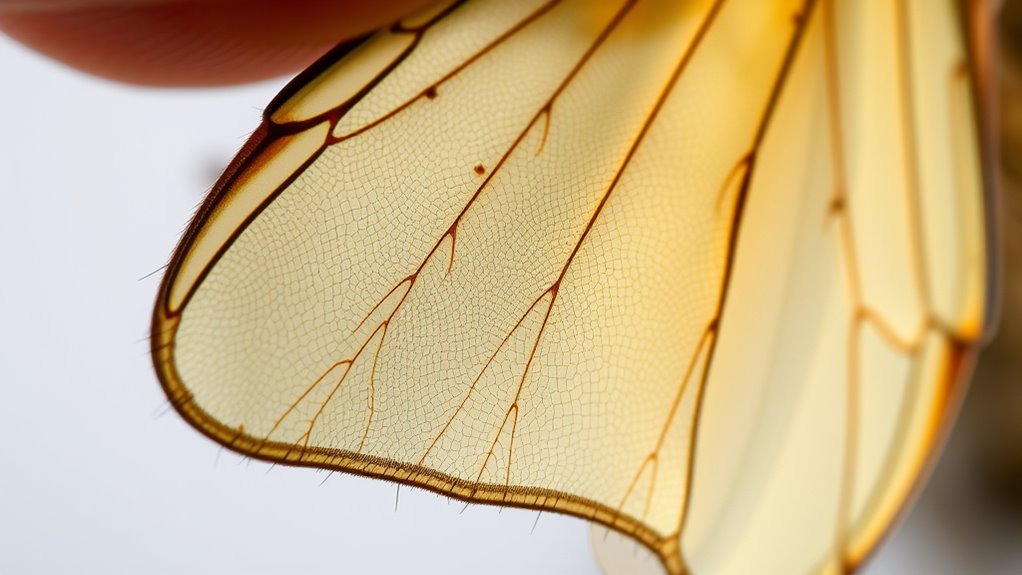

When using a hand lens, you should look for tiny details like textures, patterns, and minute features on surfaces or objects. Focus on things like leaf veins, insect wing structures, mineral grains, or fabric weaves to see what’s hidden to the naked eye. Adjust the lens until everything appears sharp and clear, and use good lighting to enhance visibility. If you keep exploring, you’ll discover more about how to spot even the tiniest details with confidence.
Key Takeaways
- Focus on textures, patterns, and tiny features that are invisible to the naked eye.
- Adjust the distance and angle for the clearest, sharpest view of the object.
- Use proper lighting to reduce shadows and enhance visibility of fine details.
- Keep the lens clean and free of dirt or fingerprints for optimal clarity.
- Observe carefully for small structures like veins, surface textures, or mineral grains.

Have you ever wondered how scientists see tiny details that are invisible to the naked eye? It all comes down to magnification techniques and the tools they use—like a hand lens. When you pick up a hand lens, you’re stepping into a world of microscopic detail. To get the most out of it, you need to understand how to use it effectively and keep it in good condition. Proper hand lens maintenance is essential because dirt, fingerprints, or scratches can distort the view and reduce clarity. Always handle your hand lens carefully, avoiding touching the lens surface with your fingers, and store it in a protective case when not in use. Clean it gently with a soft cloth or lens cleaning tissue to maintain clarity.
Proper hand lens care ensures clear, detailed views of tiny world mysteries.
Using a hand lens is straightforward, but mastering its function means understanding how magnification techniques influence what you see. When you look through the lens, you’re enlarging the tiny details of whatever you’re observing—be it a leaf’s surface, a mineral’s crystal structure, or insect parts. The key is to adjust your distance until the object appears sharp and clear. Many hand lenses have a fixed magnification, but some offer adjustable focus; in either case, clarity is your goal. Keep your eye close to the lens to avoid vignetting or blurred images, but don’t press too hard, which can damage the lens or distort your view. Additionally, understanding how magnification techniques influence your observations can help you interpret what you see more accurately.
As you examine objects, pay attention to how the magnification reveals textures, patterns, and minute features that are otherwise invisible. This enhanced view allows you to notice tiny veins on leaves, the intricate patterns on insect wings, or the fine grains of a mineral. The more you practice, the better you’ll become at recognizing what details to look for and how to interpret what you see under magnification. Remember, different objects require different distances and angles for maximum viewing. Also, use adequate lighting to reduce shadows and glare, which can obscure important details.
Finally, consistent hand lens maintenance guarantees ongoing clarity and durability. Regularly check for smudges or scratches, and clean the lens gently. Avoid harsh chemicals that can damage the coating or glass. With proper handling, accurate magnification techniques, and diligent maintenance, you’ll reveal a whole new world of microscopic marvels. Whether you’re a student, a hobbyist, or a professional, mastering the use of a hand lens enhances your ability to observe and understand the tiny details that make up our world.
Frequently Asked Questions
Can I Use a Hand Lens for Digital or Electronic Components?
Yes, you can use a hand lens for digital or electronic components. It helps you with detailed electronic inspection by magnifying small features, solder joints, and circuit details. When examining digital components, a hand lens makes it easier to spot cracks, corrosion, or defects. Just make sure the lens has sufficient magnification and clarity for precise inspection, so you can identify issues quickly and accurately during electronic troubleshooting or quality control.
How Do I Clean and Maintain My Hand Lens Properly?
Think of your hand lens as a trusted sidekick, needing regular care to stay sharp. To clean it, use gentle cleaning techniques like a soft microfiber cloth and avoid harsh chemicals. Keep it free of dust and fingerprints, and store it in a protective case when not in use. Maintenance tips include avoiding extreme temperatures and regularly inspecting for scratches. This keeps your lens clear and ready for detailed examination, just like a vigilant detective.
Is a Hand Lens Suitable for Identifying Microscopic Organisms?
A hand lens isn’t suitable for identifying microscopic organisms because it doesn’t provide enough magnification for detailed microscopic identification. You need a microscope to see organism details clearly at the cellular or microbial level. While a hand lens helps with larger specimens, for microscopic identification, you should use a microscope to observe the fine features of organisms accurately and gather precise information about their structure and behavior.
What Magnification Level Is Ideal for Mineral or Crystal Inspection?
Imagine holding a tiny universe in your hand— that’s what ideal magnification levels for mineral inspection feel like. For detailed views, go for a hand lens with 10x to 30x magnification. This range reveals crystal structures and mineral details without losing clarity. Higher magnifications can be too close, making it harder to see the big picture. Choose wisely to uncover the hidden beauty and intricacies of minerals.
Can a Hand Lens Be Used Effectively in Low-Light Conditions?
Yes, you can use a hand lens effectively in low-light conditions, but it depends on the lens brightness. To improve your view, make certain you have adequate lighting, like a portable LED light or a flashlight, to enhance contrast and clarity. Adjust your positioning so the light hits the object directly. This way, you maximize visibility and detail, making it easier to examine minerals or crystals even when lighting conditions aren’t ideal.
Conclusion
Now that you know what to look for with your hand lens, you’ll see the tiny details that often go unnoticed. Remember, the devil is in the details, so take your time and investigate thoroughly. With a little patience, you’ll uncover fascinating secrets hiding in plain sight. Keep your curiosity alive and enjoy the journey of discovery—sometimes, the smallest things can tell the biggest stories. Happy exploring!