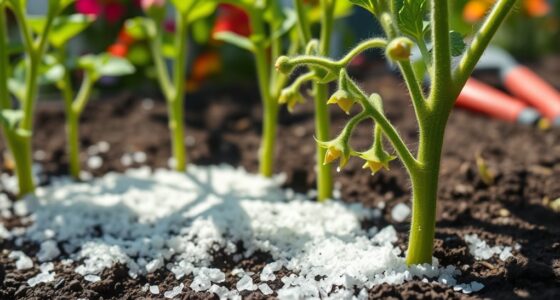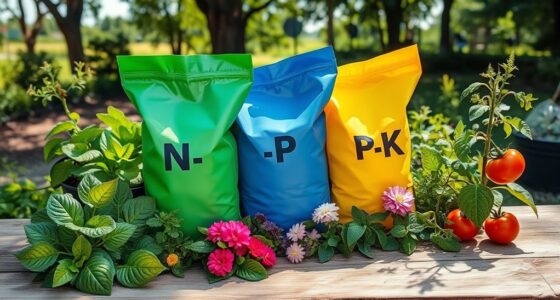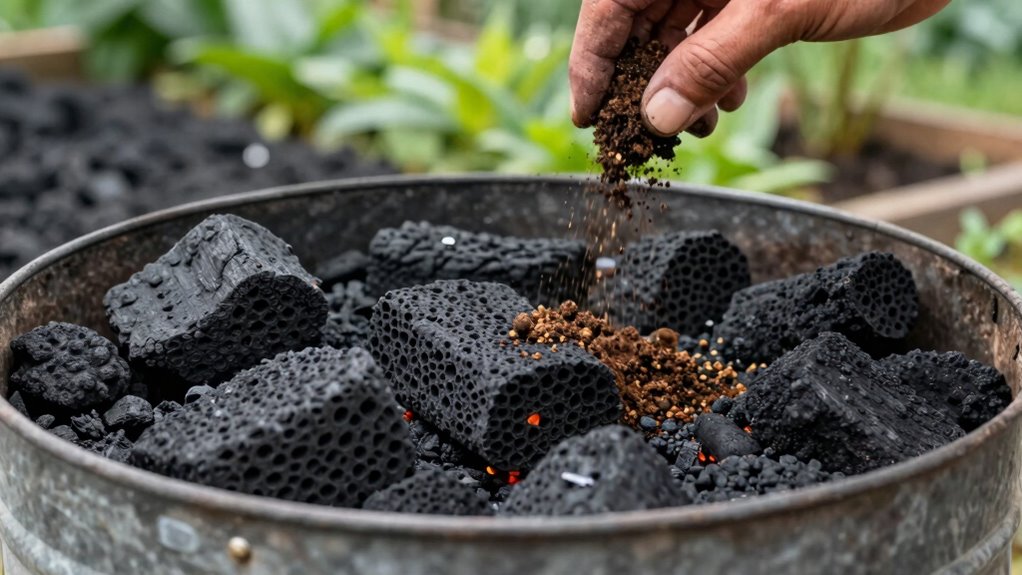
To make biochar, choose sustainable feedstocks like crop residues or wood, and pyrolyze them at 350-700°C with limited oxygen to guarantee complete carbonization. Charge the biochar by soaking it in nutrient-rich solutions, such as compost tea, to boost its ability to retain nutrients and water. To prevent nitrogen theft, apply charged biochar during active plant growth and use organic amendments. Stay tuned to discover more tips for optimizing biochar’s benefits for your soil health.
Key Takeaways
- Produce biochar by pyrolyzing organic feedstocks at 350-700°C with limited oxygen to maximize quality and sustainability.
- Pre-treat biochar by soaking it in nutrient-rich solutions to enhance nutrient and water retention capabilities.
- Charge biochar with nutrients during active plant growth to prevent nitrogen leaching and improve soil fertility.
- Avoid nitrogen theft by combining biochar with organic matter and slow-release fertilizers to promote microbial activity.
- Control pyrolysis conditions carefully to ensure complete carbonization, nutrient retention, and to minimize nitrogen immobilization.
What Is Biochar and Why Is It Good for Your Soil

Have you ever wondered how to improve your soil’s health naturally? Biochar is a powerful tool for soil enrichment, helping you boost fertility while supporting sustainability. It’s a form of charcoal produced through pyrolysis, which captures carbon that would otherwise be released into the atmosphere. This process promotes carbon sequestration, helping combat climate change. When added to soil, biochar improves water retention, aeration, and nutrient availability, creating a healthier environment for plants. Its porous structure provides habitat for beneficial microbes, enhancing soil biology. Unlike chemical fertilizers, biochar offers long-term benefits, maintaining soil vigor over years. Incorporating biochar into your gardening or farming routine not only enriches your soil but also contributes to carbon storage, making your efforts both productive and environmentally conscious. Additionally, understanding the Youngster Choice concept can help tailor biochar applications to different agricultural settings for optimal results, especially considering soil microbiology for enhanced plant growth. Utilizing biochar can also help improve soil structure, leading to better root development and resilience against erosion. Moreover, the microbial activity within biochar can activate beneficial soil enzymes, further supporting plant health.
How to Make Biochar at Home or on the Farm

Making biochar at home or on the farm is a straightforward process that involves heating organic materials in a low-oxygen environment. To guarantee biochar sustainability, use local biomass like crop residues or wood scraps, avoiding waste and reducing environmental impact. Set up a simple kiln or pit, and burn the material slowly, allowing it to char without complete combustion. Keep safety in mind, and follow local biochar regulations, which may specify proper disposal or production methods. Turning organic waste into biochar not only enhances soil health but also promotes eco-friendly practices. Properly made biochar can be reused, reducing reliance on chemical fertilizers and supporting sustainable farming. Being aware of regulations and legal considerations helps prevent illegal or unsafe production, ensuring your biochar benefits both your land and the environment. Additionally, understanding biochar properties can optimize its effectiveness in soil improvement. Monitoring biochar quality during production ensures consistent results and maximum benefits for your soil. Incorporating wicking materials can further improve biochar’s capacity to retain moisture and nutrients in the soil.
What Materials Are Best for Making Biochar?

You should choose organic materials like wood chips, crop residues, or leaves for making biochar, as they have the right carbon content. Avoid using toxic substances or materials treated with chemicals that could introduce harmful compounds. Focus on materials that provide ideal carbon content to produce high-quality biochar efficiently. Additionally, selecting free-floating materials can help ensure the process remains sustainable and environmentally friendly. Using locally available organic waste not only reduces costs but also minimizes environmental impact. Incorporating professional services in the process can further optimize the efficiency and quality of biochar production. Understanding the scientific principles behind biochar creation can help you improve your technique and results, especially in applying creative storytelling to explain complex concepts to a broader audience.
Suitable Organic Materials
Choosing the right organic materials is essential for producing high-quality biochar. Ideal feedstocks include woody biomass, crop residues, and leaves, which have high carbon content and low moisture. These materials are less likely to contain contaminants and are suitable for pyrolysis. When selecting organic fertilizers or composting techniques, avoid materials treated with chemicals or plastics, as they can introduce toxins. Using clean, dry, and well-aged organic matter helps guarantee complete carbonization and a stable biochar product. Hardwoods like oak or hickory generally produce better results than softwoods, due to their dense structure. Additionally, understanding the pyrolysis process and how different feedstocks influence biochar properties can help optimize results. Remember, the purity and type of organic material directly influence biochar’s properties, so choose wisely for beneficial benefits and safe application. High-quality feedstocks are crucial for maximizing biochar’s effectiveness and safety. Selecting materials with consistent carbon content can improve the uniformity and performance of your biochar.
Avoid Toxic Substances
Using materials free of toxic substances is essential for producing safe and effective biochar. Toxicity concerns arise when feedstocks contain chemical contaminants like heavy metals, pesticides, or plastics, which can transfer into the biochar. These contaminants pose risks to soil health, plants, and animals, undermining the benefits of biochar. To avoid these issues, select clean, natural organic materials such as untreated wood, crop residues, or manure free from chemical treatments. Properly sourcing your feedstocks ensures your biochar remains safe for agricultural use and doesn’t introduce harmful substances into your soil ecosystem. Prioritizing clean materials directly supports the safety, effectiveness, and environmental benefits of your biochar. Additionally, understanding the composition of feedstocks helps ensure your biochar is free from harmful substances and safe for use, as well as testing your biochar to confirm its safety and purity. Being aware of contaminant sources can further help prevent unintended pollution in your biochar production process.
Optimal Carbon Content
Selecting materials with high and stable carbon content is key to producing effective biochar. The right feedstocks enhance soil porosity, helping roots breathe and water drain efficiently. They also maximize carbon sequestration, locking carbon in the soil for decades. Ideal materials include:
- Hardwoods like oak or maple, which produce dense, long-lasting biochar
- Agricultural residues such as corn stalks or rice husks, rich in carbon but quick to break down
- Nut shells, offering high carbon content and durability
- Certain grasses, like switchgrass, which create porous biochar that improves soil health
- Feedstock selection plays a crucial role in determining the quality and effectiveness of biochar, impacting its environmental benefits and longevity. Properly selecting and preparing these materials can significantly influence the carbon stability of the final product. Additionally, understanding ear wax odor can help in managing biochar production processes by preventing contamination or unwanted smells during handling. Moreover, considering the feedstock’s moisture content is essential, as it affects the efficiency of pyrolysis and the quality of the resulting biochar.
How to Create the Perfect Conditions for Biochar Production

To produce high-quality biochar, you need to maintain an ideal temperature range of 350-700°C. Choose feedstocks that are dense and carbon-rich for the best results, and control the oxygen supply to prevent combustion. By managing these conditions carefully, you’ll create the perfect environment for efficient biochar production. Incorporating best practices from the latest research can further enhance the quality and sustainability of your biochar.
Optimal Temperature Range
Achieving the ideal temperature range is crucial for producing high-quality biochar. Proper temperature regulation guarantees your material undergoes complete carbonization, maximizing combustion efficiency. If temperatures are too low, you’ll get underdeveloped biochar with poor stability. Too high, and valuable nutrients may burn away, reducing effectiveness. Aim for a temperature window typically between 350°C and 700°C to optimize results. When you stay within this range, you’ll experience:
- ✨ Enhanced combustion efficiency, making the process more effective
- 🔥 Consistent carbonization, ensuring uniform quality
- 🌱 Better nutrient retention in your biochar
- 💪 Stronger control over the process, reducing waste and emissions
Maintaining this temperature range helps produce premium biochar that boosts soil health and supports sustainable practices.
Proper Feedstock Selection
Choosing the right feedstock is essential for creating ideal conditions for biochar production. You want diverse feedstock sources to guarantee a balanced nutrient profile and consistent quality. Opt for materials like agricultural residues, wood chips, or crop waste, following sourcing guidelines to avoid contamination. Avoid feedstocks with high moisture content or excessive ash, as they can hinder pyrolysis and reduce biochar quality. Using a variety of feedstocks promotes feedstock diversity, which helps produce a more stable and nutrient-rich biochar. Always source your materials responsibly, prioritizing local and sustainable options. Proper selection assures efficient carbonization, minimizes emissions, and results in a high-quality biochar suited for soil enhancement or other uses. Your choice of feedstock directly influences the success of your biochar production process.
Controlled Oxygen Environment
Creating the ideal conditions for biochar production requires carefully controlling the oxygen environment during pyrolysis. Oxygen regulation is key to ensuring efficient combustion control, which directly impacts biochar quality. By limiting oxygen, you prevent complete combustion and maximize charcoal formation. Properly managing this environment means you can:
- Feel confident you’re optimizing carbon retention
- Experience the satisfaction of precise process control
- Reduce emissions and environmental impact
- Achieve consistent, high-quality biochar every time
Controlling oxygen flow allows you to fine-tune the process, making sure your biomass transforms without burning away valuable nutrients. Mastering combustion control creates the perfect balance, resulting in superior biochar that boosts soil health and sequesters carbon effectively. This careful regulation makes all the difference in producing sustainable, effective biochar.
How to Charge Biochar With Nutrients for Better Plant Growth

Charging biochar with nutrients enhances its ability to support healthy plant growth. To do this, focus on effective biochar nutrient loading by soaking it in nutrient-rich solutions like compost tea, fish emulsion, or compost extract. This process allows the biochar to absorb essential nutrients before applying it to your soil. You can use various biochar application methods, such as mixing it directly into the soil or top-dressing around plants. Guarantee the biochar is thoroughly saturated and allowed to sit for a few days to maximize nutrient uptake. Properly charged biochar releases nutrients gradually, boosting plant health and reducing nutrient runoff. Remember, well-charged biochar provides a nutrient reservoir that improves soil fertility and supports vigorous plant growth.
How to Avoid Nitrogen Theft When Using Charged Biochar

To prevent nitrogen theft when using charged biochar, it’s essential to understand how microbes and plants compete for available nitrogen in the soil. If microbes rapidly consume nitrogen, your plants may suffer from nitrogen leaching, reducing soil enrichment. To avoid this, consider these strategies:
- Apply biochar during periods of active plant growth to help lock nitrogen in the root zone.
- Use slow-release fertilizers to ensure a steady nitrogen supply.
- Add organic matter alongside biochar to support beneficial microbes that retain nitrogen.
- Avoid overcharging biochar with nutrients, which can lead to excess nitrogen loss.
Practical Tips for Adding Biochar to Your Garden or Farm

Adding biochar to your garden or farm is a straightforward way to improve soil health and boost plant growth. To get the best results, mix it thoroughly into your soil or compost before planting. This enhances water retention, helping your plants stay hydrated during dry spells. Biochar also contributes to pest management by creating a less inviting environment for soil-borne pests and diseases. Spread a thin layer of biochar on top of your soil as mulch to further improve moisture retention and suppress weeds. Be sure to monitor soil pH and nutrient levels regularly, as biochar can influence these factors. Using biochar consistently and in combination with organic matter will maximize its benefits for your garden or farm.
Common Mistakes to Avoid When Making or Using Biochar

Making or using biochar without proper attention can lead to less effective results or even unintended problems. Common mistakes include neglecting biochar safety, which can pose health risks if inhaled or mishandled. Many farmers have misconceptions that all biochar is safe without proper treatment, risking soil contamination or poor performance. To avoid pitfalls, be cautious about:
- Ignoring proper pyrolysis procedures, which can produce harmful gases
- Using unaged or untreated biochar that may contain toxins
- Overestimating biochar’s benefits without testing its compatibility
- Underestimating the importance of correct application techniques and timing
How to Test and Track Biochar’s Impact on Soil Health

Ever wonder how you can determine whether your biochar is truly benefiting your soil? The key is regular soil testing. By analyzing soil samples before and after applying biochar, you can track changes in pH, nutrient levels, and organic matter. Incorporate crop rotation to observe how different plants respond over time, which helps reveal biochar’s impact on crop health and yield. Keep detailed records of your tests and planting schedules to identify patterns and improvements. Over time, this data shows whether biochar enhances soil fertility and structure or if adjustments are needed. Consistent testing and careful observation are essential for understanding biochar’s role in your soil ecosystem, ensuring you’re making informed decisions to optimize your soil health.
Enhancing Biochar Performance With Other Soil Amendments

To maximize the benefits of biochar, combining it with other soil amendments can considerably improve soil health and plant growth. Using amendments like compost, minerals, or microbial inoculants enhances biochar’s ability to support soil remediation and boost carbon sequestration. This synergy creates a more resilient soil environment, helping plants thrive while locking away carbon. When you mix biochar with nutrient-rich compost, it can transform degraded soils and restore vigor. Incorporating mineral amendments like clay or rock dust improves nutrient retention and structure. Microbial inoculants further activate biochar’s potential to break down pollutants and promote healthy microbial activity. Feel the impact of revitalized soil, vibrant plant life, and a healthier planet. Together, these amendments empower you to create sustainable, productive, and resilient soils.
Frequently Asked Questions
Can Biochar Be Used to Filter Water or Air Pollutants?
Yes, you can use biochar for water purification and air filtration. Its porous structure helps trap contaminants and pollutants, making it effective for filtering water and air. When you apply biochar in these systems, it adsorbs heavy metals, organic compounds, and other impurities, improving quality. Plus, it’s a sustainable option that enhances filtration processes, reducing reliance on chemical treatments and helping protect your environment.
How Long Does Biochar Last in the Soil Before Needing Replacement?
Biochar typically lasts 100 to 1,000 years in the soil, depending on factors like soil stability and organic matter. It helps improve nutrient retention and enhances soil structure over time. You won’t need to replace it often because it’s durable and resists decomposition. Keep in mind that ongoing soil management can extend its benefits, making it a long-term solution for boosting soil health and stability.
Is There an Environmental Impact of Large-Scale Biochar Production?
Large-scale biochar production can impact the environment if not managed sustainably. It may lead to deforestation or land use change if sourced irresponsibly, and emissions from pyrolysis could contribute to air pollution. However, by focusing on sustainable sourcing and efficient processes, you can reduce these impacts. Properly produced biochar helps with emission reduction and enhances soil health, making it a more environmentally friendly option when managed thoughtfully.
Can Biochar Help With Carbon Sequestration and Climate Change Mitigation?
Yes, biochar can help with carbon sequestration and climate mitigation. By adding biochar to soils, you increase carbon storage, trapping carbon that would otherwise be released into the atmosphere. This process reduces greenhouse gases and supports climate mitigation efforts. Using biochar is an effective way to enhance soil health while actively contributing to reducing your carbon footprint and combating climate change.
Are There Specific Crops That Benefit More From Biochar Application?
Imagine vibrant fields thriving with lush crops; you’ll find that biochar offers crop-specific benefits, especially for fruit trees, vegetables, and grains. These plants often thrive because biochar improves soil compatibility, enhancing water retention and nutrient availability. You’ll notice better yields and healthier plants when you tailor biochar use to the needs of your particular crops, making your soil a fertile foundation for abundant growth.
Conclusion
Think of your soil as a garden’s heartbeat, and biochar as its steady drum. When you make, charge, and use it wisely, you’re conducting a symphony of growth and health. Avoiding pitfalls keeps the melody clear, while testing ensures your tune improves. With each step, you’re tuning your soil’s instrument—creating a vibrant, thriving harmony that nurtures plants and sustains life. Keep playing your part, and watch your garden flourish like a well-conducted orchestra.