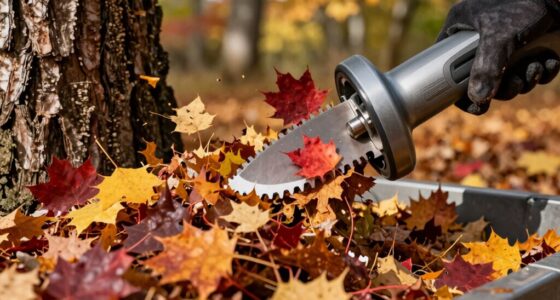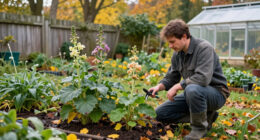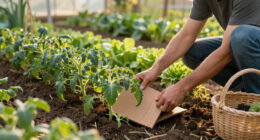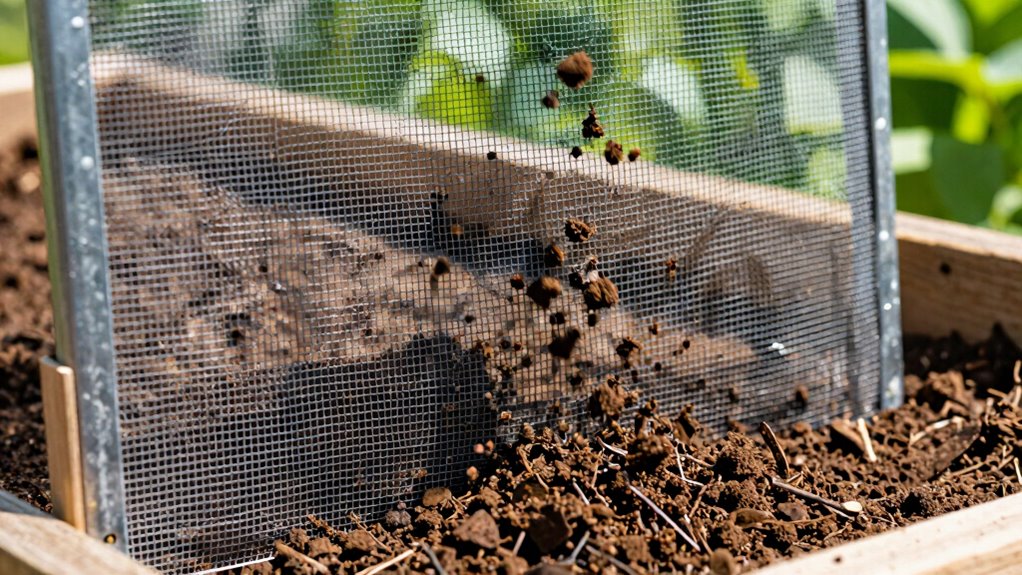

Choosing the right compost screen size is key to deciding where your finished material gets used. A finer screen (1/8 to 1/4 inch) produces smooth compost perfect for potting mixes and planting beds, while a coarser screen (1/2 to 1 inch) leaves larger particles suitable for soil amendment or mulch. Using the appropriate size helps guarantee your compost improves drainage and nutrient availability. Keep exploring to discover how to select the best screen for your gardening needs.

Get garden gear delivered free with Prime
- Fast, free delivery on millions of items
- Prime Video, Amazon Music and more included
- Member-only deals all year
Key Takeaways
- Coarser screens (around 1-2 inches) produce larger particles suitable for mulch and pathways.
- Finer screens (about ¼ inch or smaller) create smooth compost ideal for planting beds and potting soil.
- Medium-sized screens (½ to 1 inch) balance texture, suitable for topdressing and soil amendments.
- Using finer screens ensures compost is ready for precise planting and nutrient delivery.
- Larger particles from coarse screening are better for erosion control and slow-release applications.
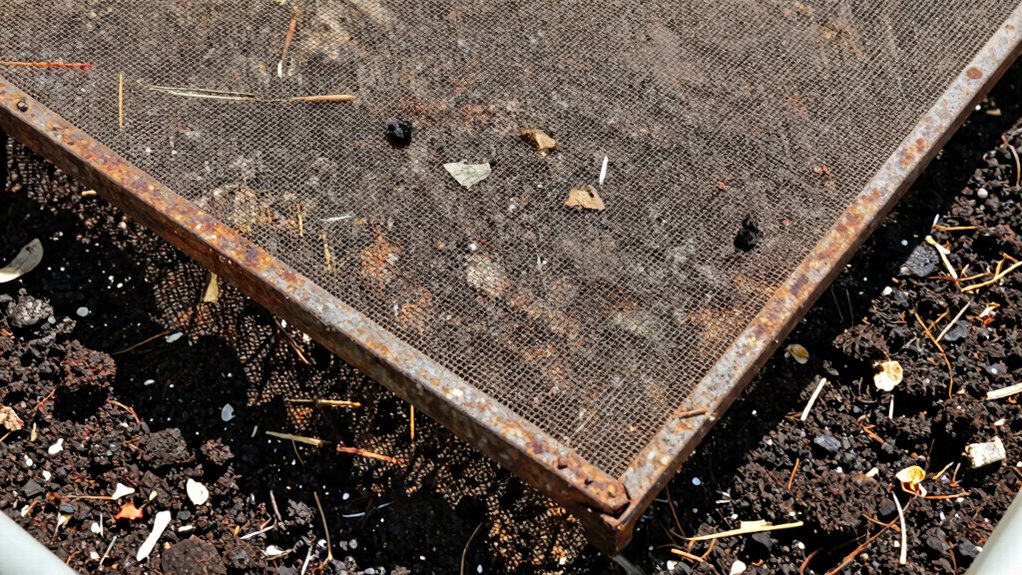
Choosing the right compost screen size is essential for efficiently separating finished compost from larger debris. When you select the proper size, you improve soil drainage and guarantee your plants receive the nutrients they need without unnecessary clogs. A finer screen produces a smoother, more uniform compost, which enhances how easily water moves through your soil. When soil drainage improves, plants are less prone to root rot and other moisture-related issues, making your garden healthier overall. Conversely, if the screen size is too coarse, larger particles like sticks or chunks of undigested material remain, hindering proper soil aeration and water flow. Striking the right balance means choosing a screen that allows you to remove these larger fragments while retaining the fine, crumbly compost ideal for planting beds.
Your compost temperature also plays a role in determining the ideal screen size. Compost piles generate heat as microorganisms break down organic matter. When your compost reaches a high temperature—typically between 130°F and 160°F—it signals active decomposition. If your compost isn’t reaching these temperatures, it may indicate that the material is too coarse or too dense, which can slow microbial activity. Using a screen that captures finer particles encourages faster composting because smaller pieces decompose more quickly. Additionally, screening at the right stage helps you identify when compost has cooled and stabilized, meaning it’s ready to use. When compost cools down to ambient temperature, it’s usually safe to apply and will provide nutrients that support healthy plant growth. Proper screening ensures that the compost is at its peak quality, with the right texture and temperature to promote soil health. Maintaining proper compost management practices can further optimize the composting process and results. Being aware of particle size and moisture levels can help you adjust your techniques to improve compost quality and efficiency, which is essential for effective soil amendment.
As an affiliate, we earn on qualifying purchases.
Frequently Asked Questions
How Often Should I Screen My Compost for Best Results?
You should screen your compost every few weeks to keep it aerated and prevent clumps. Regular screening guarantees you maintain proper compost layering and consistent material size. Use a durable screen to withstand frequent use, especially if you’re handling rough materials. This routine helps you produce high-quality compost faster, making it easier to incorporate into your garden or landscape. Stay consistent, and your compost will stay healthy and effective.
Can Different Compost Screen Sizes Be Used Simultaneously?
Yes, you can use different compost screen sizes simultaneously to enhance compost separation techniques. This screen size versatility allows you to separate various particle sizes efficiently, ensuring you get fine compost for garden beds and larger chunks for mulch or soil amendment. By employing multiple screens at once, you streamline your process and improve overall compost quality, making it easier to use the right material for specific gardening needs.
What Tools Are Best for Manually Screening Compost?
They say, “A job worth doing is worth doing right.” For manual sifting, the best tools are sturdy compost sieves and hand-held rakes. Compost sieves with fine mesh help separate finished compost from debris efficiently, while larger mesh sieves handle bulkier material. Using these tools allows you to manually sift compost with ease, ensuring you get the quality you want while making the process more manageable and effective.
How Does Compost Screen Size Affect Nutrient Retention?
Choosing the right compost screen size affects nutrient retention by influencing particle separation and reducing nutrient leaching. A finer screen keeps smaller particles, which hold nutrients better, preventing them from leaching away. Conversely, a coarser screen allows larger particles to remain, which might lead to nutrient loss through leaching. By selecting an appropriate screen size, you improve compost quality, ensuring nutrients stay in the soil longer and benefit your plants effectively.
Is There a Recommended Screen Size for Specific Plants?
You should choose a compost screen size based on your plant-specific soil needs and the compost texture. For delicate plants, use finer screened compost (around 1/4 inch) to prevent clogs and promote healthy roots. For tougher plants or ground cover, a coarser texture (around 1/2 to 1 inch) works better. This tailored approach guarantees your plants get the right nutrients and soil structure for ideal growth.
heavy-duty compost sifter screen
As an affiliate, we earn on qualifying purchases.
As an affiliate, we earn on qualifying purchases.
Conclusion
So, next time you’re deciding on a screen size, remember that it truly influences where your compost ends up. While some believe finer screens always produce better soil, research shows that coarser screens can be just as effective, especially for certain plants. Don’t be afraid to experiment and find what works best for your garden. After all, the right size might just be the key to healthier plants and a thriving landscape.
As an affiliate, we earn on qualifying purchases.
compost screening tool for gardening
As an affiliate, we earn on qualifying purchases.
As an affiliate, we earn on qualifying purchases.
Fall Picks
fall essentials
As an affiliate, we earn on qualifying purchases.