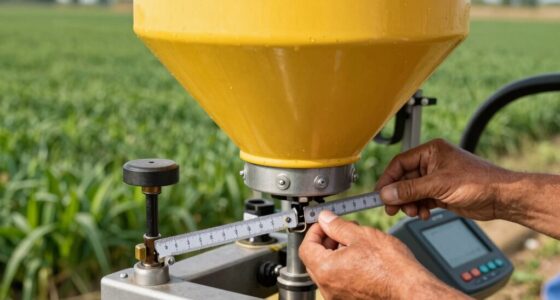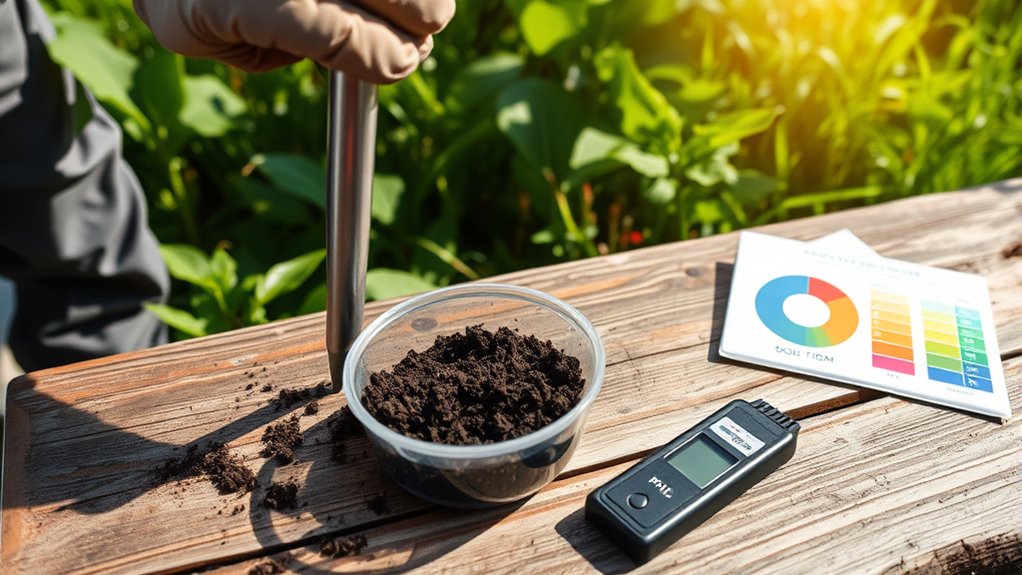

To sample soil correctly, use a clean shovel or trowel to take multiple subsamples from different spots in your garden or field, then mix them for a representative sample. Dry and keep the sample in a clean bag or container. When analyzing your results, check nutrient levels, pH, and recommendations for amendments. Understanding these details helps you make informed decisions. Keep going, and you’ll gain even more tips to optimize your soil health.

Get garden gear delivered free with Prime
- Fast, free delivery on millions of items
- Prime Video, Amazon Music and more included
- Member-only deals all year
Key Takeaways
- Collect soil samples from multiple locations and depths to obtain representative results.
- Clean and air-dry samples before sending them to a certified laboratory for accurate analysis.
- Review lab reports for nutrient levels, pH, and other soil health indicators to identify deficiencies or excesses.
- Compare results against ideal or crop-specific soil standards to determine necessary amendments.
- Use test data to adjust fertilization and pH management, ensuring optimal soil conditions for plant growth.

Have you ever wondered how farmers and gardeners determine if their soil is healthy enough for planting? The key lies in soil testing, which reveals essential information about nutrient levels, pH balance, and overall soil health. When you send a sample to a lab, they analyze it for nutrient deficiencies—such as a lack of nitrogen, phosphorus, or potassium—that can stunt plant growth or lead to poor yields. Recognizing these deficiencies early allows you to take targeted action, like applying specific fertilizers to replenish missing nutrients.
Another critical aspect of soil testing is assessing pH levels. Soil pH influences nutrient availability; if the pH is too high or too low, plants might struggle to absorb essential nutrients even if they are present in the soil. For example, acidic soils can lock up nutrients like calcium and magnesium, while alkaline soils might hinder the uptake of iron and manganese. If your test results show pH imbalances, you can make pH adjustments accordingly. Adding lime can raise acidity in overly acidic soils, whereas sulfur or ammonium sulfate can lower the pH of alkaline soils. These adjustments help create an environment where plants can thrive and access nutrients efficiently.
When you receive your soil test report, it’s important to interpret the results carefully. Look for the nutrient levels indicated—whether they are low, ideal, or high—and plan your fertilization strategy accordingly. If the report shows nutrient deficiencies, you’ll want to incorporate fertilizers that specifically address those gaps. Keep in mind that over-application of nutrients can be as damaging as deficiencies, so follow recommendations precisely to avoid harming your plants or polluting the environment.
Reading the pH result is equally essential. If your soil’s pH is outside the ideal range for your crops, it can limit nutrient uptake and reduce overall plant health. Adjusting pH is a straightforward way to improve soil conditions without the need for extensive amendments. Remember, soil is a dynamic system; regular testing helps you monitor changes over time and adjust your management practices accordingly. This proactive approach ensures your soil remains fertile, balanced, and ready for successful planting season after season. By understanding and acting on soil test results, you’re giving your plants the best chance to grow strong and healthy. Understanding soil health can help you optimize your gardening or farming efforts for better yields.
soil test kit for pH and nutrients
As an affiliate, we earn on qualifying purchases.
As an affiliate, we earn on qualifying purchases.
Frequently Asked Questions
How Often Should I Test My Soil?
You should test your soil nutrient levels at least once every 2 to 3 years to keep track of changes and guarantee peak growth. Testing frequency may increase if you notice poor plant performance or after soil amendments. Regular testing helps you understand soil nutrient needs, prevent deficiencies, and tailor fertilization, ultimately leading to healthier plants and better yields. Staying proactive with soil testing keeps your garden thriving.
Can Soil Testing Predict Future Crop Yields?
Soil testing can’t precisely predict future crop yields, but it helps you understand soil nutrient levels and deficiencies, aiding in better management. Accurate tests improve your ability to optimize fertilization and amendments, which can boost yields over time. Keep in mind, test accuracy varies depending on sampling methods and lab procedures, so consistent testing and proper sampling techniques are essential for reliable results and informed decision-making to maximize your crop production.
What Are the Costs Associated With Soil Testing?
The cost of testing can vary, but it’s usually a small price to pay for a fertile future. You might spend between $20 and $50 per test, depending on the lab and soil analysis type. Testing frequency impacts costs too; testing annually or every few years helps maintain healthy soil. Budget wisely, as investing in affordable soil testing keeps your crops thriving and minimizes costly guesswork down the road.
How Do I Interpret Ph Levels in Soil?
You interpret soil pH levels by checking if the soil is acidic (pH below 7), neutral (around 7), or alkaline (above 7). If your soil is too acidic, you can adjust the soil acidity by adding lime. Conversely, if it’s too alkaline, you might need sulfur or organic matter. Proper pH adjustment guarantees ideal nutrient availability, helping your plants thrive and grow healthier.
Are There Different Testing Methods for Organic vs. Conventional Farms?
Yes, organic farms often use specialized testing methods to guarantee compliance with organic certification standards, focusing on testing accuracy for soil nutrients and contaminants. Conventional farms may rely on standard testing techniques that prioritize cost and speed. You should choose testing methods aligned with your farm’s certification goals; this helps maintain soil health and meet organic standards while ensuring reliable, accurate results for informed decision-making.
As an affiliate, we earn on qualifying purchases.
Conclusion
By regularly testing your soil, you can guarantee your plants get the right nutrients and grow strong. Did you know that according to the USDA, only about 20% of homeowners test their soil before planting? Don’t be part of that statistic—sampling and reading your results helps you make informed decisions and boost your garden’s health. Stay proactive, and your garden will thank you with lush, thriving growth.
As an affiliate, we earn on qualifying purchases.
garden soil testing laboratory kit
As an affiliate, we earn on qualifying purchases.
As an affiliate, we earn on qualifying purchases.
Fall yard work Picks
leaf blowers
As an affiliate, we earn on qualifying purchases.