TL;DR
Chop-and-drop gardening means cutting back suitable plants and leaving the pieces on the soil instead of hauling them away. The method can save cleanup work and add organic matter over time, but the cuttings may look untidy, attract slugs and snails, or turn slimy if the wrong plants are used.
Chop-and-drop gardening offers a way to cut back suitable plants and mulch beds without carrying the debris to a compost pile: gardeners leave the chopped material on the soil instead. A Homes and Gardens report describes the method as a potential time-saver that can add organic matter and provide cover for garden wildlife, while noting that the results may look untidy and can shelter slugs and snails.

Get garden gear delivered free with Prime
- Fast, free delivery on millions of items
- Prime Video, Amazon Music and more included
- Member-only deals all year
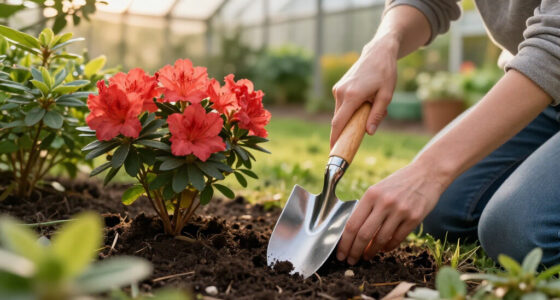
The method is straightforward: cut back plants, then place their cuttings on the ground around them rather than removing the material for composting elsewhere. The report says it can be used with herbaceous perennials, annuals and ornamental grasses, and during tasks such as deadheading or seasonal pruning. It describes the approach as composting in place, with plant matter left to break down over time.
For a neater finish and quicker breakdown, the report recommends chopping stems into 2- to 4-inch pieces rather than leaving them long. It lists hardy geraniums, persicaria, catmint, astilbe, aster and phlox as suitable examples. It advises against using hostas and agapanthus because their cuttings can become a slimy mess. These are recommendations from the report, not a guarantee that every garden or climate will produce the same results.
As the cuttings decay, worms, fungi and microbes can break down the material and incorporate it into the soil. The report says this adds organic matter and can support soil structure and drainage. It also says a surface layer can reduce exposure to rain and wind, moderate soil temperature, and limit moisture evaporation. The degree of benefit will depend on the plant material and local conditions; the report provides no measured results or time frame for those effects.
Less Hauling, More Soil Cover
The main practical difference is that gardeners can avoid moving cuttings to a compost pile and later transporting finished compost back to the beds. Leaving suitable material in place may reduce repeated handling during routine pruning and cleanup, particularly across larger borders. It also keeps organic matter on the garden rather than removing it as waste.
The approach has trade-offs. A layer of cuttings can appear messier than a cleared bed, which may not suit gardeners who prefer a formal look. The report also warns that debris can shelter slugs and snails. In practice, gardeners need to weigh the potential soil and habitat benefits against the appearance of the bed and the pest conditions where they live.
Plant choice matters: the report recommends some perennials and grasses but flags hostas and agapanthus as poor candidates because they can break down into an unattractive, slimy layer. Chop-and-drop is a way to handle certain garden waste, not a reason to leave every kind of plant debris in place.
Products Worth Considering

EGO Power+ 21-Inch Self-Propelled Cordless Lawn Mower, LM2134SP-2

Garvee 8 x 10 ft Walk-In Polycarbonate Greenhouse with Aluminum Frame

Husqvarna ST 124 212cc Two-Stage Snow Blower, 24-Inch
As an affiliate, we earn on qualifying purchases.
From Compost Pile to Garden Bed
Traditional cleanup usually means collecting cuttings, moving them to a compost pile, and returning the decomposed material to the garden later. Chop and drop changes that sequence by leaving plant material where it was cut. The report presents this as a simple alternative rather than a replacement for every composting or mulching practice.
The technique can fit several maintenance jobs across the year, including fall perennial cutbacks, spring pruning, the late-spring “Chelsea Chop,” and summer deadheading. The report also mentions using cuttings from tasks such as edging a lawn or trimming lavender. Gardeners can use pruning shears or hedge shears for larger stems and pruning snips for smaller work; the key advice is to cut material into smaller pieces where possible.
For winter, the report says surface material can protect soil from erosion and help insulate it. During warmer periods, it may slow moisture loss. Those are described as potential functions of the layer, not quantified outcomes. The report gives no data on how much water or time a gardener will save.
“The technique involves cutting back plants (chop) and putting the cuttings straight onto the ground (drop).”
— Homes and Gardens report
Results Depend on Garden Conditions
The report does not provide trials, measurements or a specific timeline for how quickly different cuttings break down, how much soil quality improves, or how much watering and cleanup time gardeners might save. Those outcomes are likely to vary with plant type, climate and site conditions, but the source does not quantify the differences.
It also does not offer detailed guidance on managing pest pressure beyond warning that plant debris may shelter slugs and snails. Gardeners should observe their beds and adjust what they leave in place if the material becomes slimy, attracts pests or conflicts with the appearance they want. The report does not claim that chop and drop is appropriate for all plants or all gardens.
Try the Method on Suitable Plants
Gardeners considering the approach can start with a small area and use cuttings from plants the report identifies as suitable, such as catmint, hardy geraniums or ornamental grasses. Chop the stems into short sections, spread them over the soil rather than leaving long piles, and watch how the bed looks and breaks down. Avoid hostas and agapanthus according to the report’s guidance.
After using the method, check the area for slimy material or signs that slugs and snails are using the debris as shelter. The report sets no formal timetable for follow-up; the practical next step is to assess the bed during ordinary garden maintenance and decide whether to leave, redistribute or remove material based on its condition.
Key Questions
What does chop-and-drop gardening mean?
It means cutting back suitable plants and leaving the cuttings on the soil rather than carrying them away to compost elsewhere. The material breaks down in place over time.
Which plants does the report recommend?
Examples include hardy geraniums, persicaria, catmint, astilbe, aster, phlox and ornamental grasses. The report advises against hostas and agapanthus because their cuttings can become slimy.
How small should the cuttings be?
The report recommends chopping stems into 2- to 4-inch sections. It says smaller pieces look neater and break down more quickly than long stems.
Can chop and drop cause problems?
It can leave beds looking untidy, and the report warns that plant debris may provide shelter for slugs and snails. It also says some plant material, including hosta and agapanthus cuttings, can become slimy.
When can gardeners use the method?
The report says it can be used during fall or spring cutbacks, summer deadheading and other routine trimming. It does not provide a single schedule that applies to every plant or garden.
Source: rss